Rural sewage treatment made easy and affordable
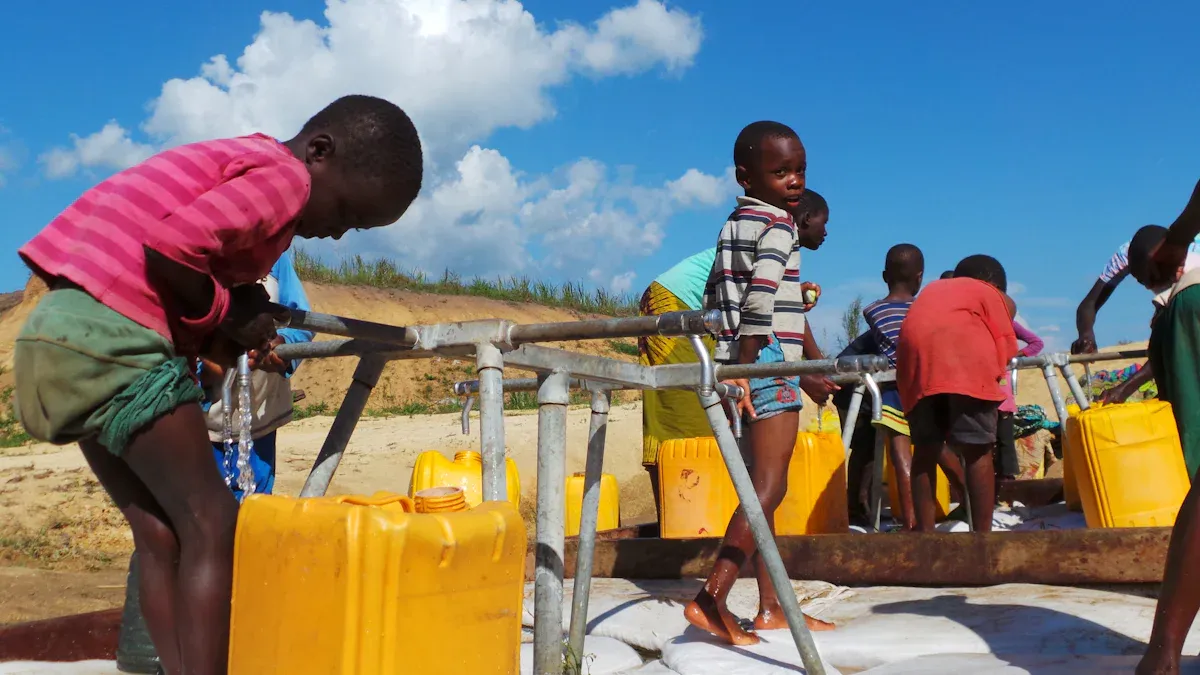
You can solve rural sewage treatment challenges with options like constructed wetlands, upgraded septic tanks, decentralized wastewater systems, lagoon systems, biogas toilets, and composting toilets. These solutions cost less, require simple installation, and need little maintenance. Your community’s size, budget, and site conditions help you decide which system fits best.
Key Takeaways
- Explore affordable sewage treatment options like constructed wetlands and composting toilets to save money and protect health.
- Choose simple systems that require little maintenance, making them easier to operate and manage over time.
- Assess your community's needs and budget before selecting a sewage treatment system to ensure the best fit for your area.
Key Criteria for Cost-Effective Rural Sewage Treatment
Affordability
You want a system that fits your budget and saves money over time. The cost of rural sewage treatment depends on several factors:
- Flow rate of wastewater
- Quality of sewage
- Equipment and installation costs
- Operational expenses
- Compliance with local rules
- Size of the area needed
- Required purification level
- Transportation and connection fees
- Handling of leftover waste
Affordability also changes by region. Local needs, how spread out homes are, and the land shape all affect costs. Decentralized systems usually cost less in rural areas than large city systems.
Simplicity
Simple systems make your life easier. You can choose technologies that need little training and are easy to run. For example, the Anaerobic-Aerobic Bio Reactor (AABR) stands out for its easy operation. Here is a quick look:
| Feature | Description |
|---|---|
| Technology | Anaerobic-Aerobic Bio Reactor (AABR) |
| Performance | Removes 90–95% of pollutants, meets strict water standards |
| Energy Efficiency | Uses 30–40% less energy than most systems |
| Maintenance | Rarely clogs, works well with limited resources |
| Disinfection | Uses UV light, kills 99.99% of germs without chemicals |
| Sludge Management | Turns waste into fertilizer, which can help your community |
| Daily Capacity | Treats up to 90,000 liters per day |
Low Maintenance
You want a system that does not need constant attention. Most rural sewage treatment options have low upkeep costs. You may pay $250–$500 every few years for routine care and $100–$500 for yearly checks. Emergency repairs or tank replacements can cost more, but you can save $10,000–$20,000 over 30 years compared to city sewer bills.
Scalability
As your community grows, your system should grow too. Decentralized wastewater systems, constructed wetlands, and septic tanks can expand quickly. These systems need less infrastructure and energy, so they adapt easily. Community-scale systems can serve neighborhoods or small towns and often combine several treatment steps. Composting toilets and wetlands also work well for rural areas.
Top Rural Sewage Treatment Solutions
Constructed Wetlands
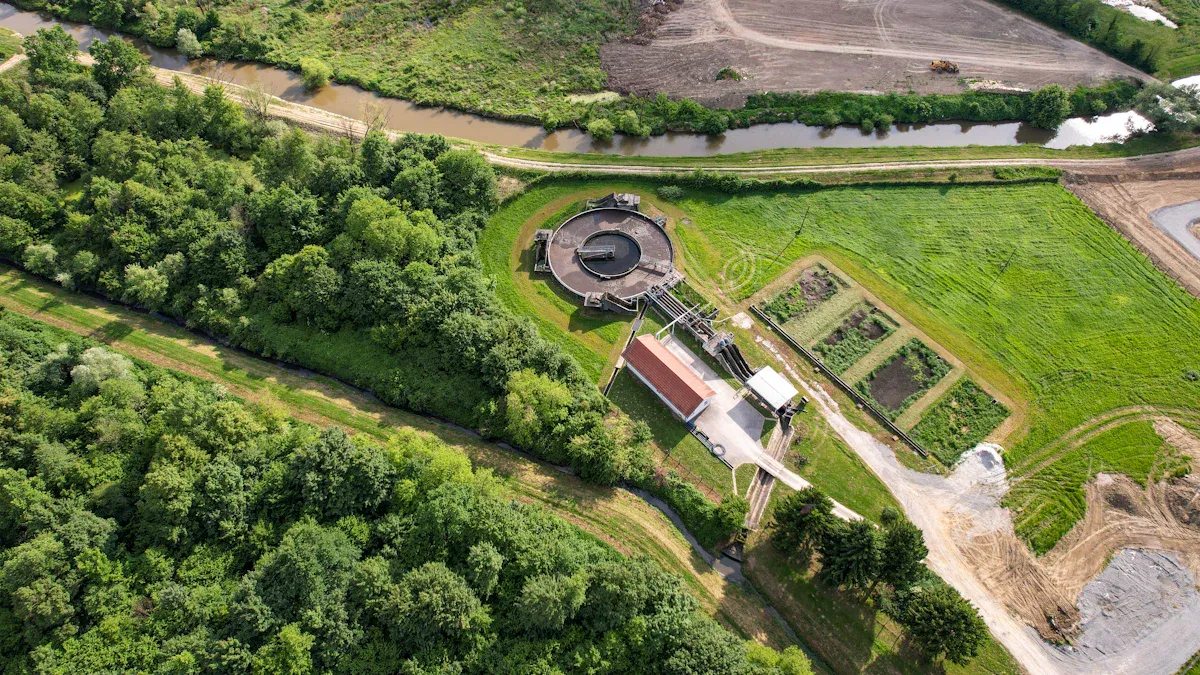
You can use constructed wetlands to treat wastewater in a natural way. These systems use plants, soil, and microbes to clean water as it flows through the wetland. You do not need much energy or complex equipment. Constructed wetlands work well for rural sewage treatment because they save money and protect the environment.
- Constructed wetlands reduce carbon emissions by about 50%.
- They save around 90% of the energy compared to other systems.
- They provide extra benefits like water purification and reuse.
- The system removes up to 96% of organic pollutants (BOD5), 97% of suspended solids (TSS), 88.4% of ammonia (NH4-N), and 87.8% of total phosphorus (TP).
Tip: You can use the treated water for irrigation or to support local wildlife.
Septic Tanks with Upgrades
Upgraded septic tanks improve on traditional designs. You get better treatment results and less maintenance. These tanks use advanced processes and monitoring systems to remove more pollutants and reduce environmental impact.
| Feature | Upgraded Septic Tanks | Traditional Septic Tanks |
|---|---|---|
| Treatment Efficiency | Advanced processes remove more pollutants | Basic treatment methods |
| Maintenance | Reduced requirements with monitoring systems | Higher maintenance needs |
| Environmental Impact | Better at reducing nitrogen and phosphorus | Less effective in pollution control |
| Space Efficiency | Compact design, less land use | Requires larger drain fields |
You can install upgraded septic tanks in small yards or areas with limited space. They help you meet strict water quality rules and protect your land.
Decentralized Wastewater Treatment Systems
Decentralized wastewater treatment systems treat water close to where you use it. You do not need long sewer pipes or big treatment plants. These systems use septic tanks for the first step, then add secondary treatment units and dispersal systems. You can return clean water to the environment or reuse it.
Decentralized systems help you save money. You avoid the high cost of building long pipes and large plants. These systems use less electricity—only 0.363 kWh for each cubic meter of treated water, compared to 0.873 kWh for big city systems. You also help your community by creating jobs for installation and maintenance. Better sanitation means fewer waterborne diseases and lower medical costs.
Note: Decentralized systems let you recover water, nutrients, and even energy from wastewater. This makes rural sewage treatment more sustainable and affordable.
Lagoon Systems
Lagoon systems use large, shallow ponds to treat wastewater. Sunlight, wind, and bacteria work together to break down waste. You can use lagoon systems if you have enough land and want a simple, low-cost solution.
| Advantages | Disadvantages |
|---|---|
| Cost-Effective | Land-Intensive |
| Eco-friendly | Odor Issues |
| Low Energy Needs | Climate Sensitivity |
| Simple Operation | Potential for Mosquitoes |
You do not need much equipment or energy. Lagoon systems work best in warm climates and open spaces. You should plan for odor control and mosquito management.
Biogas Toilets
Biogas toilets give you a way to manage waste and produce energy at the same time. These systems turn human waste into biogas, which you can use for cooking or heating. Biogas toilets help you save water and improve sanitation, especially in places without sewer lines.
- Biogas toilets are easy to install and keep clean.
- They provide a cost-effective way to handle waste and make energy.
- You can save up to 80% of water compared to flush toilets.
- Schools and homes use biogas toilets to improve sanitation and get clean cooking gas.
- The system works well in areas without traditional sewage infrastructure.
The cost to install a household biogas digester is about 2000 CNY. With subsidies, you pay about half of this amount. Local programs often help cover the cost of materials and key parts.
Composting Toilets
Composting toilets let you manage waste without using water. These toilets turn human waste into compost, which you can use to enrich soil. You do not need a sewer connection or much maintenance.
| Advantages | Disadvantages |
|---|---|
| Water conservation | Maintenance requirements |
| Waste reduction | Initial costs |
| Sustainability | Limited acceptance |
| Versatility | Learning curve for users |
- Composting toilets save over 6600 gallons of water per person each year.
- You can reduce your household water use by one-third or more.
- These toilets work well in homes, schools, and community centers.
- You disconnect from water and sewer systems, which saves money and protects local water supplies.
Tip: Composting toilets help you manage waste in areas with water shortages or poor infrastructure. You can use the finished compost to improve gardens or fields.
How to Choose and Implement Rural Sewage Treatment
Assessing Community Needs
You should start by understanding your community’s needs before choosing a system. Follow these steps:
- Site Assessment: Check the soil type, land shape, water table depth, and how close you are to rivers or wells.
- System Selection: Pick the best technology for your wastewater type, treatment level, land size, and local rules.
- Facility Plan: Work with an engineer to create a plan. Begin with a study of how much wastewater your community produces.
You can use digital tools like Akvo FLOW, Open Data Kit (ODK), and mWater to collect data and survey your area.
Budgeting and Funding
You need to plan your budget and find funding sources. Many programs help rural communities pay for sewage treatment projects.
| Funding Source | Description |
|---|---|
| USDA Rural Development | Loans and grants for water and sewer projects in small towns. |
| HUD Community Development Block Grants | Funds for building or fixing public water and wastewater systems. |
| Clean Water State Revolving Fund | Low-interest loans for water quality projects. |
| Drinking Water State Revolving Fund | Money for improving drinking water systems, with help for small communities. |
Tip: Contact your local government or water agency to learn about grants and loans.
Installation Process
You can follow these steps to install a rural sewage treatment system:
- Site evaluation
- System design
- Permitting
- Site preparation
- Septic tank installation
- Drain field layout
You may face challenges like getting permits, high costs, rough land, or bad weather. Hiring experts can help you solve these problems and make sure your system works well.
Maintenance Tips
You must keep your system in good shape. Each type of system has its own tasks:
| System Type | Maintenance Tasks |
|---|---|
| Septic System | Check filter every 2-3 years; use water wisely. |
| Advanced Systems | Get regular inspections; many fail without care. |
| Constructed Wetland | Check plants and wetland cells often. |
| Drip System | Make sure wastewater spreads evenly. |
You can train local staff with online courses and safety training. The EPA and SepticSmart offer guides and support for rural sewage treatment maintenance.
Rural Sewage Treatment Success Stories
Small Village Wetland System
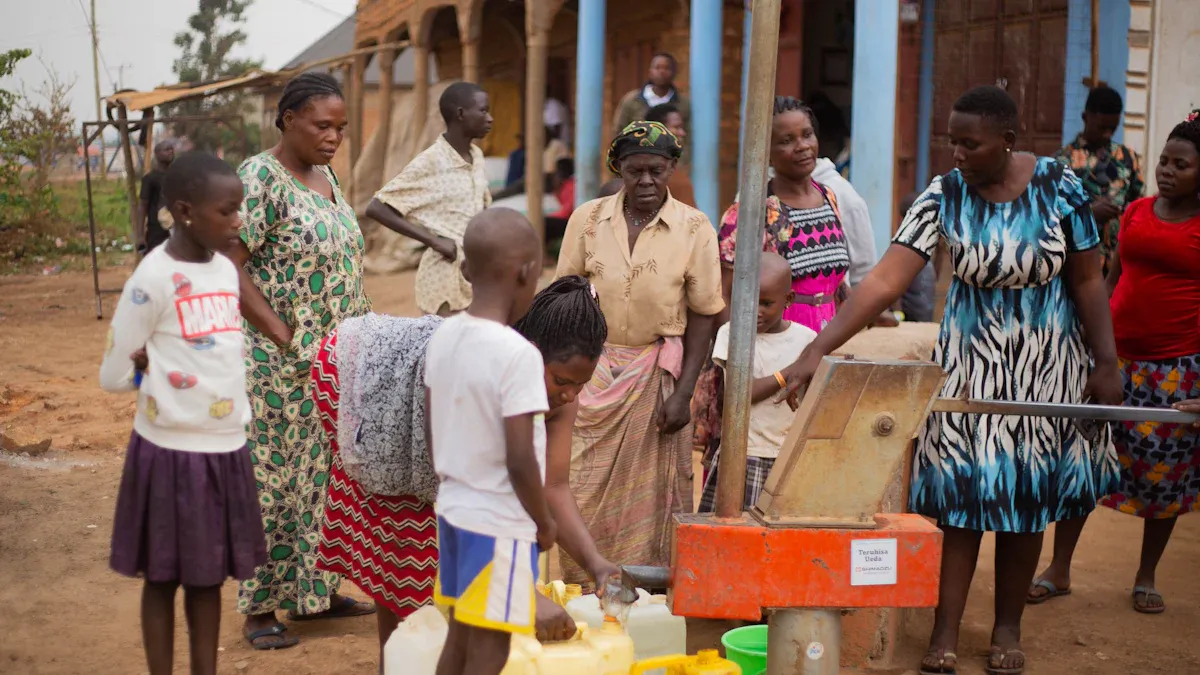
You can see how constructed wetlands help small villages solve wastewater problems. These systems use plants and natural processes to clean water before it returns to the environment. Many communities have seen strong results.
| Location | Year/Years of Operation | Outcome |
|---|---|---|
| Dove Creek | 1999 | Wetlands improved removal of suspended solids, helping the facility meet monthly goals. |
| Orlando | 1987 | Wetlands reduced phosphorous discharge, stopping algal blooms and fish kills in local rivers. |
| Protected Lagoon | 15 | Wetlands enhanced water quality, meeting construction aims for safe water release. |
You can use constructed wetlands to lower costs and protect local water sources. These systems work well for rural sewage treatment because they need little energy and maintenance.
Community Biogas Toilet Project
You can help your community by installing biogas toilets. These toilets turn human waste into clean energy for cooking and lighting. They also improve hygiene and reduce the workload for women.
| Outcome Type | Description |
|---|---|
| Environmental Benefit | Supports farmers with better soil management and sustainable practices. |
| Economic Impact | Creates jobs for trained builders and boosts local economies. |
| Social Improvement | Provides clean energy, improves health, and reduces daily chores for women. |
| Hygiene Improvement | Converts waste into biogas, making sanitation safer and more efficient. |
- Women spend less time collecting firewood.
- Men help provide energy for families.
- Farmers grow more crops because they save time.
- You learn how to maintain biogas plants and protect the environment.
You can see how these projects make life better for everyone in your village.
Rural Sewage Treatment FAQs
You may have questions about rural sewage treatment. Here are answers to some common ones:
-
What is the easiest system to install?
You can install composting toilets or upgraded septic tanks with basic tools. These systems need little digging and work well in small spaces. -
How much does maintenance cost?
You pay $250–$500 every few years for septic tanks. Wetlands and lagoon systems need less money for upkeep. You can save more by training local workers. -
Can you reuse treated water?
Yes, you can use water from constructed wetlands or decentralized systems for irrigation. This helps you save water and support crops. -
Do these systems smell bad?
Most systems control odors well. Lagoon systems may need extra care. You can plant trees or use covers to help. -
What if your area floods often?
You should choose raised systems like composting toilets or biogas toilets. These work above ground and stay safe during floods.
Tip: Always check local rules before you start a rural sewage treatment project. You can ask your local health department for advice.
| System Type | Best For | Water Reuse | Odor Control |
|---|---|---|---|
| Composting Toilet | Small homes | No | Good |
| Wetland System | Villages | Yes | Good |
| Lagoon System | Large areas | Yes | Needs care |
- You can choose simple solutions for rural sewage treatment, such as constructed wetlands or composting toilets.
- You save money and protect your community’s health.
- Start by looking at your needs and learn about these affordable options.
Tip: Good planning helps you avoid extra costs.
FAQ
How do you know which sewage treatment system fits your rural home?
You should check your land, water table, and budget. Ask a local expert for advice. Each system works best in certain places.
Can you install these systems by yourself?
You can install composting toilets or small septic tanks with basic tools. For larger systems, you should hire a professional for safety and permits.
What happens to the waste after treatment?
You can reuse treated water for plants. Some systems turn waste into compost or biogas. Always follow local rules for safe use.
See Also
Benefits of Using Self-Priming Water Pumps in Systems
Best Precoating Materials for Filtration Systems This Year
Innovative Materials Transforming Heat Exchanger Supply Chain
Is It Worth Investing in Automated Virus Sampling Lines?
Comprehensive Guide to Semi-Welded Plate Heat Exchangers 2025