What Materials Work Best with Rotary Press Machines
A rotary press machine delivers high-quality results when operators select the right substrate. Paper, cardboard, plastics, foils, and textiles each offer unique advantages for different print jobs. Material selection impacts print clarity, production speed, and finished product durability. Users should always consider the specific needs of their project before choosing a substrate.
Overview of Suitable Substrates for Rotary Press Machine
Paper (Types and Grades)
Paper remains the most common substrate for rotary press machine operations. Manufacturers offer a wide range of paper types, each designed for specific print requirements. Coated papers provide a smooth surface that enhances image sharpness and color vibrancy. Uncoated papers absorb ink more readily, which can create a softer look suitable for books or newspapers.
Common grades include:
- Newsprint: Lightweight and cost-effective, ideal for high-volume runs like newspapers.
- Bond paper: Durable and versatile, often used for forms and business documents.
- Glossy and matte coated papers: Preferred for magazines, catalogs, and promotional materials due to their superior print quality.
Tip: Selecting the right paper grade ensures optimal ink adhesion and minimizes waste during rotary press machine production.
Cardboard and Carton Board
Cardboard and carton board serve as essential substrates for packaging applications. These materials offer strength and rigidity, making them suitable for boxes, cartons, and other protective packaging. Rotary press machines handle both single-ply and multi-ply boards, allowing for flexibility in thickness and durability.
Key features of cardboard and carton board:
- High structural integrity for product protection
- Smooth or textured surfaces for different print effects
- Compatibility with various finishing techniques, such as embossing or varnishing
Packaging designers often choose carton board for folding cartons in the food, cosmetics, and pharmaceutical industries. The rotary press machine ensures consistent print quality across large production runs.
Plastics and Films
Plastics and films have become increasingly popular as substrates for rotary press machine printing. These materials include polyethylene, polypropylene, and polyester films. They offer excellent durability, moisture resistance, and flexibility, making them ideal for labels, flexible packaging, and shrink sleeves.
Advantages of plastics and films:
- Superior resistance to tearing and environmental factors
- Ability to support vibrant, high-resolution graphics
- Lightweight properties that reduce shipping costs
Note: Operators must ensure proper ink compatibility with plastic substrates to achieve the best results on a rotary press machine.
Foils and Laminates
Foils and laminates provide unique advantages for rotary press machine printing. These materials often serve in packaging, labeling, and specialty print applications. Foils, such as aluminum foil, offer a metallic finish that enhances visual appeal and provides a barrier against moisture, light, and oxygen. Laminates combine multiple layers, such as plastic films and foils, to create a composite material with improved strength and protection.
Key benefits of using foils and laminates include:
- Enhanced Appearance: Foils add a shiny, reflective surface that attracts attention. Laminates can include matte or gloss finishes for different effects.
- Barrier Properties: Both foils and laminates protect products from environmental factors, making them ideal for food and pharmaceutical packaging.
- Durability: Laminated materials resist tearing, punctures, and abrasion, which extends the lifespan of printed items.
Tip: Operators should ensure the rotary press machine uses compatible inks and adhesives when working with foils and laminates. This step prevents smudging and ensures strong bonding between layers.
A rotary press machine can handle thin foils and multi-layer laminates with precision. This capability allows manufacturers to produce high-quality packaging and decorative elements at high speeds.
Specialty Materials (Textiles, Metal Foils, Polyester Fabric, Labels)
Rotary press machines also support a range of specialty materials. These substrates open new possibilities for creative and functional printing.
Textiles
Textiles, such as cotton, polyester, and blends, allow for direct printing of patterns, logos, and graphics. The rotary press machine can print on rolls of fabric for garments, banners, and soft signage. Textile printing requires careful control of ink penetration and drying to achieve vibrant, long-lasting results.
Metal Foils
Metal foils, including copper and gold foils, provide a premium look for security printing, certificates, and decorative packaging. These foils reflect light and resist fading. The rotary press machine applies precise pressure and heat to transfer designs onto metal surfaces.
Polyester Fabric
Polyester fabric stands out for its strength, flexibility, and resistance to stretching. This material works well for flags, banners, and industrial labels. Polyester accepts a wide range of inks and finishes, making it a versatile choice for rotary press machine applications.
Labels
Labels require substrates that combine print quality, adhesive compatibility, and durability. Common label materials include coated papers, synthetic films, and specialty laminates. The rotary press machine produces labels for bottles, boxes, and consumer goods with consistent color and sharpness.
| Specialty Material | Common Uses | Key Advantages |
|---|---|---|
| Textiles | Garments, banners | Soft feel, vibrant colors |
| Metal Foils | Security, certificates | Reflective, tamper-resistant |
| Polyester Fabric | Flags, industrial labels | Strong, flexible, weatherproof |
| Labels | Packaging, products | Adhesive, durable, customizable |
Note: Specialty materials may require adjustments to press settings, such as tension, temperature, and ink type. Operators should test each substrate before full production to ensure optimal results.
Key Properties That Make Materials Suitable for Rotary Press Machine
Thickness and Flexibility
Thickness and flexibility play a crucial role in determining how well a substrate performs during printing. Operators select materials with consistent thickness to ensure smooth feeding and accurate registration. Flexible substrates move easily through the rotary press machine, reducing the risk of jams or misalignment. Rigid materials may require special handling or adjustments to press settings.
- Thin materials: Ideal for high-speed runs and lightweight packaging.
- Flexible substrates: Support continuous printing and minimize wear on machine components.
- Thicker boards: Provide strength for packaging but may slow production if not properly calibrated.
Tip: Always measure substrate thickness before starting a print job. Consistent thickness helps maintain print quality and reduces downtime.
Surface Texture and Absorbency
Surface texture and absorbency affect ink adhesion and image clarity. Smooth surfaces allow for sharp, vibrant prints, while textured substrates create unique visual effects. Highly absorbent materials soak up ink quickly, which can lead to softer images or increased ink usage.
| Surface Type | Print Result | Common Uses |
|---|---|---|
| Smooth | Crisp, clear images | Magazines, labels |
| Textured | Artistic finishes | Decorative packaging |
| Absorbent | Soft appearance | Newspapers, textiles |
Operators evaluate surface properties to match ink types and drying methods. Proper selection ensures that the rotary press machine delivers consistent results across different substrates.
Durability and Print Quality
Durability ensures that printed materials withstand handling, shipping, and environmental exposure. High-quality substrates resist tearing, fading, and abrasion. Print quality depends on how well the substrate interacts with ink and finishing processes.
- Durable materials: Extend product lifespan and maintain brand integrity.
- High print quality: Attracts customers and supports clear communication.
- Resistant substrates: Protect against moisture, chemicals, and UV light.
Note: Manufacturers test materials for durability before large-scale production. Reliable substrates help prevent costly reprints and customer complaints.
Common Applications for Rotary Press Machine
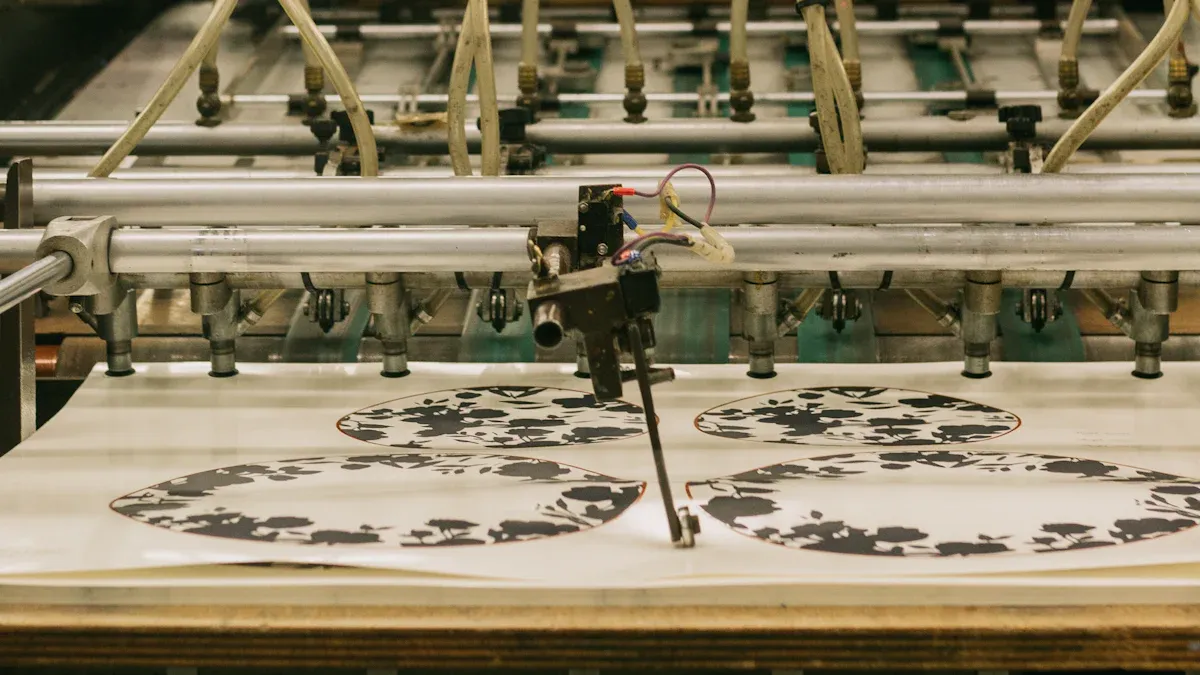
Packaging (Food, Consumer Goods, Pharmaceuticals)
Manufacturers rely on rotary press machines to produce packaging for a wide range of products. Food companies use these machines to print on flexible films, cartons, and foils. The packaging protects items from moisture and contamination. Consumer goods often require vibrant graphics and clear branding on boxes and wrappers. Pharmaceutical packaging demands precise labeling and tamper-evident features. Rotary press machines deliver consistent print quality and high-speed output, which helps companies meet strict industry standards.
Tip: Packaging designers select substrates that balance durability, print clarity, and regulatory compliance.
Labels and Stickers
Labels and stickers play a vital role in product identification and marketing. Rotary press machines print on coated papers, synthetic films, and specialty laminates. These substrates support sharp images and strong adhesive properties. Beverage bottles, household products, and electronics all feature labels produced with rotary press machines. Companies value the ability to customize shapes, colors, and finishes. The machines handle large volumes efficiently, which reduces production costs.
| Application Area | Substrate Type | Key Benefit |
|---|---|---|
| Bottles & Jars | Synthetic Films | Water resistance |
| Boxes & Packaging | Coated Paper | High print quality |
| Electronics | Laminates | Durability |
Newspapers, Magazines, and Catalogs
Publishers depend on rotary press machines for mass production of newspapers, magazines, and catalogs. Newsprint offers a lightweight and cost-effective solution for daily publications. Magazines and catalogs use glossy or matte coated papers to achieve vibrant images and crisp text. The machines operate at high speeds, which enables publishers to meet tight deadlines. Consistent registration and ink control ensure that each copy maintains the same quality.
Note: Rotary press machines help publishers manage large print runs while maintaining accuracy and reliability.
Specialty Printing (Security, Decorative, Soft Signage, Garments)
Specialty printing expands the capabilities of modern print shops. Security printing protects documents and products from counterfeiting. Decorative printing adds visual appeal to packaging and promotional items. Soft signage and garment printing create custom textiles for advertising and fashion.
Security printing uses advanced substrates and techniques. Manufacturers select metal foils, holographic films, and specialty papers. These materials resist tampering and forgery. Rotary press machine operators apply precise pressure and heat to transfer security features, such as microtext, watermarks, and color-shifting inks. Banks, government agencies, and brand owners rely on these methods to safeguard currency, certificates, and branded packaging.
Decorative printing enhances product presentation. Designers choose glossy foils, textured laminates, and vibrant films. These substrates support embossing, metallic finishes, and specialty coatings. Retailers use decorative prints for gift wraps, luxury packaging, and promotional displays. The rotary press machine delivers consistent quality and high-speed output, meeting the demands of seasonal campaigns and limited-edition products.
Soft signage and garment printing require flexible, durable materials. Polyester fabric, cotton blends, and synthetic textiles serve as popular choices. Print shops produce banners, flags, and custom apparel. The rotary press machine handles rolls of fabric, ensuring sharp graphics and long-lasting colors. Event organizers and fashion brands benefit from rapid turnaround and scalable production.
| Specialty Printing Type | Common Substrate | Key Benefit |
|---|---|---|
| Security | Metal foils, films | Tamper resistance |
| Decorative | Foils, laminates | Enhanced appearance |
| Soft Signage | Polyester fabric | Weatherproof, flexible |
| Garments | Cotton, blends | Comfort, vibrant prints |
Tip: Test specialty substrates before full production. Adjust press settings for optimal ink adhesion and durability.
Specialty printing demonstrates the versatility of the rotary press machine. Print shops meet diverse customer needs by selecting the right substrate and technique for each application.
Tips for Choosing the Right Material for Rotary Press Machine
Match Material to Application Needs
Selecting the right substrate starts with understanding the specific requirements of each project. Operators review the intended use, whether for packaging, labels, or textiles. They consider the environment where the product will be used. For example, food packaging demands materials with barrier properties, while garment printing requires flexible textiles. Matching the substrate to the application ensures reliable performance and customer satisfaction.
Checklist for Matching Material to Application:
- Identify the end-use (packaging, labels, textiles)
- Assess environmental exposure (moisture, heat, chemicals)
- Determine required strength and flexibility
- Review regulatory standards for safety and compliance
Tip: Operators should consult with suppliers to confirm material compatibility for each application.
Consider Print Quality and Durability
Print quality and durability remain critical factors in substrate selection. Operators evaluate how well a material holds ink and resists wear. Smooth surfaces produce sharp images, while durable substrates withstand handling and transport. They test samples to ensure consistent results across production runs.
| Substrate Type | Print Quality | Durability | Best Use Cases |
|---|---|---|---|
| Coated Paper | High | Moderate | Magazines, catalogs |
| Synthetic Films | Very High | High | Labels, packaging |
| Textiles | Moderate | High | Garments, banners |
Note: Testing different substrates helps identify the best option for each print job.
Evaluate Cost and Availability
Cost and availability influence material selection for rotary press machine projects. Operators compare prices from multiple suppliers. They check lead times to avoid production delays. Balancing quality with budget ensures profitability and timely delivery.
Factors to Consider:
- Material price per unit
- Supplier reliability
- Shipping and storage costs
- Availability for large orders
Operators prioritize materials that offer consistent supply and reasonable cost without sacrificing quality.
Manufacturers achieve the best results by selecting materials like paper, cardboard, plastics, foils, textiles, and specialty substrates for each rotary press machine project. They match the substrate to the application to ensure strong print quality and efficient production. Operators always review material properties and end-use needs before starting a job. Careful selection leads to reliable performance and satisfied customers.
FAQ
What types of paper work best with rotary press machines?
Coated and uncoated papers both perform well. Coated papers deliver sharp images and vibrant colors. Uncoated papers absorb ink quickly and suit newspapers or books. Operators select the grade based on print quality and application needs.
Can rotary press machines print on plastic films?
Rotary press machines handle plastic films such as polyethylene, polypropylene, and polyester. These substrates offer durability and moisture resistance. Operators must confirm ink compatibility to achieve optimal results.
How do operators choose the right substrate thickness?
Operators measure substrate thickness before printing. Thin materials support high-speed production. Thicker boards provide strength for packaging. Consistent thickness ensures smooth feeding and accurate registration.
Tip: Always test substrate samples before starting a full production run.
Are specialty materials like textiles and metal foils suitable?
Textiles and metal foils work well with rotary press machines. Textiles allow for garment and banner printing. Metal foils provide security and decorative effects. Operators adjust press settings for each specialty material.
What factors affect print durability on rotary press machines?
Print durability depends on substrate strength, ink adhesion, and finishing techniques. Durable materials resist tearing and fading. Proper ink selection and lamination extend product lifespan.
| Factor | Impact on Durability |
|---|---|
| Substrate type | High |
| Ink quality | High |
| Finishing | Moderate |
See Also
Why Automatic UV Coating Machines Are Crucial for Fast Printing
Explore 5 Effective Methods for Using Rotary Vane Pumps
Best Precoating Materials for Filtration Systems This Year
Popular Features of Folder Gluers in Carton Production 2025
Understanding Nozzle Solutions for Gardeners and Bioprinters