Roots-Dry Screw Vacuum Pump Systems in Germany’s Chemical Industry How They Improve Distillation
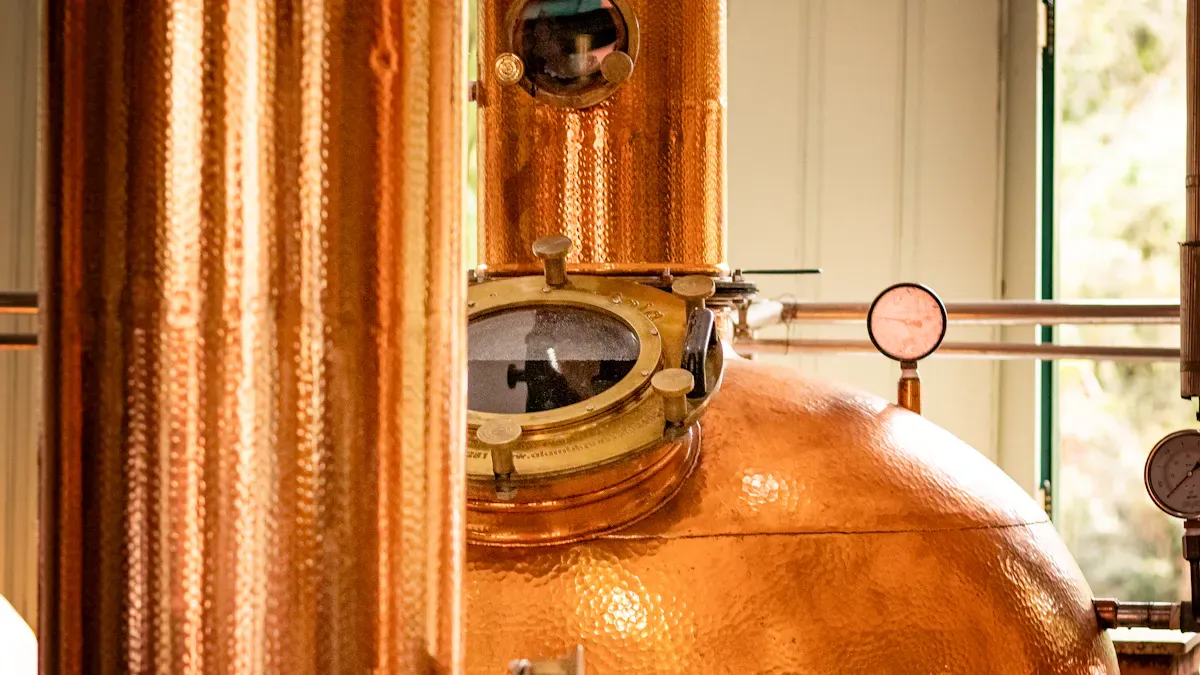
EVP’s roots-dry screw vacuum pump system used in chemical industry delivers outstanding vacuum performance for distillation processes. The JZJA(P)LG Screw Pump System combines roots pump and dry screw vacuum pump technologies. Operators see higher efficiency, stable operation, and superior product quality. This system supports clean, oil-free environments and handles demanding chemical applications.
Roots-Dry Screw Vacuum Pump System Used in Chemical Industry
Key Components and Working Principle
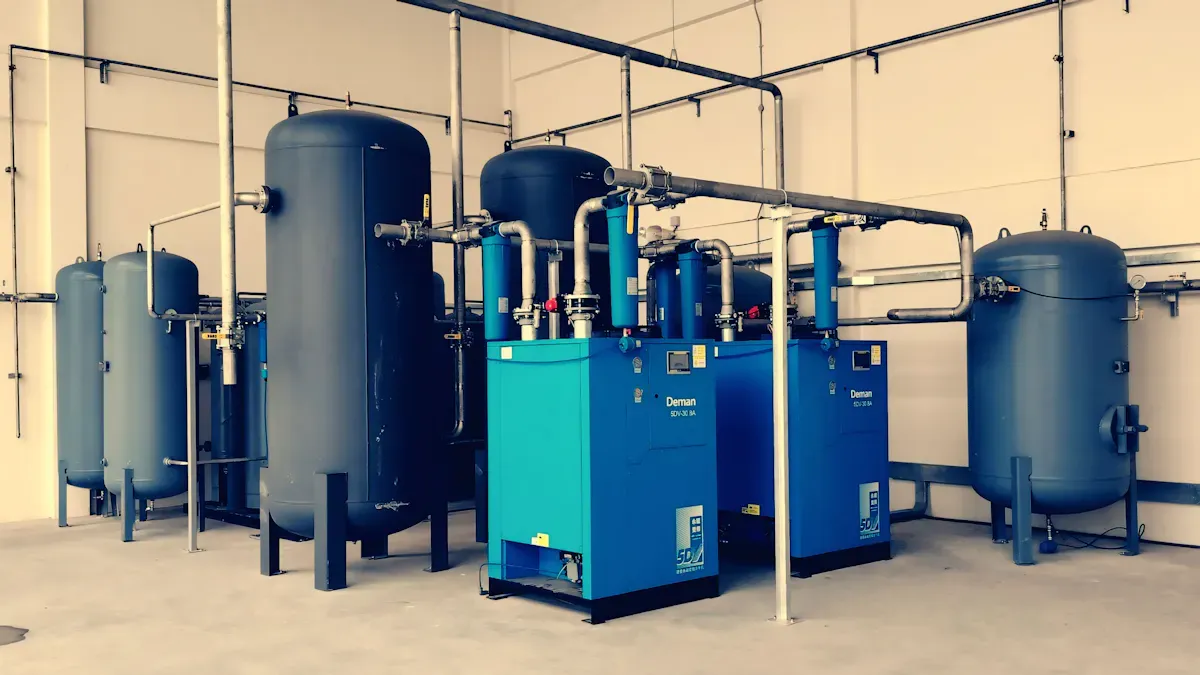
A roots-dry screw vacuum pump system used in chemical industry combines two main technologies: roots pumps and dry running screw pumps. Roots pumps deliver high pumping speeds and handle large volumes of gas, while dry screw pumps provide oil-free operation and maintain clean vacuum environments. The system operates by using the roots pump to create a pressure differential, which allows the screw pump to efficiently evacuate gases from the process chamber. This combination ensures high vacuum levels and stable operation, which are essential for chemical processes.
Note: The ER series roots vacuum pump, widely used in Germany, features oil-free operation. This design helps maintain product purity in chemical and pharmaceutical applications.
Suitability for Chemical Industry Applications
The roots-dry screw vacuum pump system used in chemical industry meets the demanding requirements of modern chemical plants. It handles corrosive gases, condensable vapors, and dust-laden streams without contamination. The oil-free design prevents process impurities, making it ideal for vacuum distillation, crystallization, and evaporation. German chemical manufacturers rely on these systems for their versatility and ability to maintain consistent vacuum levels in harsh environments.
| Pump Type | Application Range | Pumping Speed (l/min) | Industries Served |
|---|---|---|---|
| EV-SA | light, harsh | 1,600 – 5,000 | Chemical Industry |
| ESR | light, harsh | 2,000 – 46,000 | General Vacuum |
| EST | light, harsh | 1,000 – 50,000 | Chemical Industry |
| ESA | light, harsh | 3,000 – 50,000 | Chemical Industry |
EVP JZJA(P)LG System Features
The EVP JZJA(P)LG Screw Pump System stands out with its advanced features. It integrates roots and screw pump technologies, doubling capacity and improving pressure matching. The system maintains high suction capacity under extreme vacuum pressures and operates oil-free, ensuring clean processes. Automatic controls reduce manual intervention and minimize errors. The compact design allows installation in limited spaces, and self-protecting functions guard against overload and water-break scenarios. German chemical plants benefit from its ability to handle corrosive gases and dust, supporting reliable and efficient operations.
How Roots-Dry Screw Vacuum Pump Systems Improve Vacuum Distillation
Enhanced Process Efficiency and Throughput
A roots-dry screw vacuum pump system used in chemical industry increases process efficiency by delivering rapid evacuation and maintaining high suction capacity. Operators in German chemical plants observe shorter cycle times during distillation. The system handles large volumes of gas and vapor, which allows for continuous operation and higher throughput. Automatic controls further streamline the process, reducing downtime and manual intervention. This results in more batches processed within the same timeframe, supporting higher productivity and meeting the demands of large-scale chemical manufacturing.
Superior Vacuum Stability and Product Quality
Vacuum stability plays a critical role in distillation. The roots-dry screw vacuum pump system used in chemical industry maintains consistent vacuum levels, even when handling condensable vapors or dust-laden streams. This stability ensures that sensitive chemical compounds do not degrade or react with contaminants. The oil-free design prevents any risk of process contamination, which is essential for producing high-purity chemicals. German manufacturers rely on this technology to achieve uniform product quality and meet strict industry standards.
Note: Consistent vacuum conditions help prevent fluctuations that can lead to off-spec products or yield losses.
Energy Efficiency, Reliability, and Cost Savings
The JZJA(P)LG Screw Pump System from EVP stands out for its energy efficiency. The integration of roots and screw pump technologies reduces power consumption compared to traditional systems. Dry running and non-contact operation minimize wear, which lowers maintenance costs and extends equipment life. Facilities benefit from reduced operational expenses and fewer unplanned shutdowns. Over time, these advantages translate into significant cost savings for chemical producers.
Comparison with Traditional Pump Technologies
The following table compares roots-dry screw vacuum pump systems with liquid ring and oil-sealed pumps in terms of performance and reliability:
| Pump Type | Performance Characteristics | Reliability Aspects |
|---|---|---|
| Roots-Dry Screw Pumps | - High vacuum in one stage - High water vapor tolerance - Short evacuation times - Low noise levels | - Dry running, non-contact operation - Low maintenance and high reliability |
| Liquid Ring Pumps | - Reliable operation under extreme conditions - High-quality materials for consistent performance | - Resilient in moist or harsh conditions - Economically safe and reliable |
| Oil-Sealed Pumps | - Low vibration - Easy maintenance | - Reliable operation but requires oil management |
Roots-dry screw vacuum pump systems deliver high vacuum levels in a single stage and tolerate water vapor well. They operate quietly and require less maintenance due to their dry, non-contact design. Liquid ring pumps perform reliably in harsh environments but consume more resources. Oil-sealed pumps offer low vibration but need regular oil management. German chemical plants often choose roots-dry screw vacuum pump systems for their superior reliability and clean operation.
Real-World Applications in German Chemical Plants
German chemical manufacturers use roots-dry screw vacuum pump system used in chemical industry for vacuum distillation, crystallization, and evaporation. These systems handle corrosive gases and dust without performance loss. For example, a leading specialty chemical producer in Germany installed the JZJA(P)LG Screw Pump System to improve distillation efficiency. The plant reported higher product yields, reduced maintenance, and consistent vacuum levels. Other facilities use these systems for vacuum drying and solvent recovery, benefiting from their versatility and robust design.
Tip: Facilities with limited space can install compact roots-dry screw vacuum pump systems in vertical or stepped configurations, maximizing floor area and operational flexibility.
Roots-dry screw vacuum pump systems drive efficiency and reliability in vacuum distillation. German chemical plants benefit from low energy use, robust dust handling, and broad application. The EVP JZJA(P)LG system stands out for high pumping capacity, energy savings, and versatility.
| Feature | Details |
|---|---|
| Energy Consumption | Low operating power, reduced costs |
| Robustness | Handles dust, particles, and vapors well |
| Advantage | Description |
|---|---|
| High pumping capacity | Maintains strong vacuum under pressure |
| Compact design | Fits limited spaces |
FAQ

What makes the EVP JZJA(P)LG Screw Pump System suitable for chemical distillation?
The system offers oil-free operation, high vacuum stability, and strong resistance to corrosive gases. These features ensure clean, reliable performance in chemical distillation.
Can the JZJA(P)LG system handle dust and condensable vapors?
Yes. The design minimizes dust accumulation and efficiently manages condensable vapors, making it ideal for challenging chemical processes.
How does the system help reduce operational costs?
The energy-efficient design and low maintenance requirements help chemical plants lower power consumption and minimize downtime, resulting in significant cost savings.
See Also
Top Five Methods To Utilize Single Stage Rotary Vane Pumps
Effective Techniques For Diagnosing Sulfur Recovery Catalyst Issues
Innovations In Heat Exchanger Manufacturing Boost Industrial Efficiency
Understanding Rotary Vane Vacuum Pumps And Their Operating Principles
Recent Scientific Progress In Nitric Acid Purification And Separation