What Is the Role of Port Grabs in Shipping Logistics?
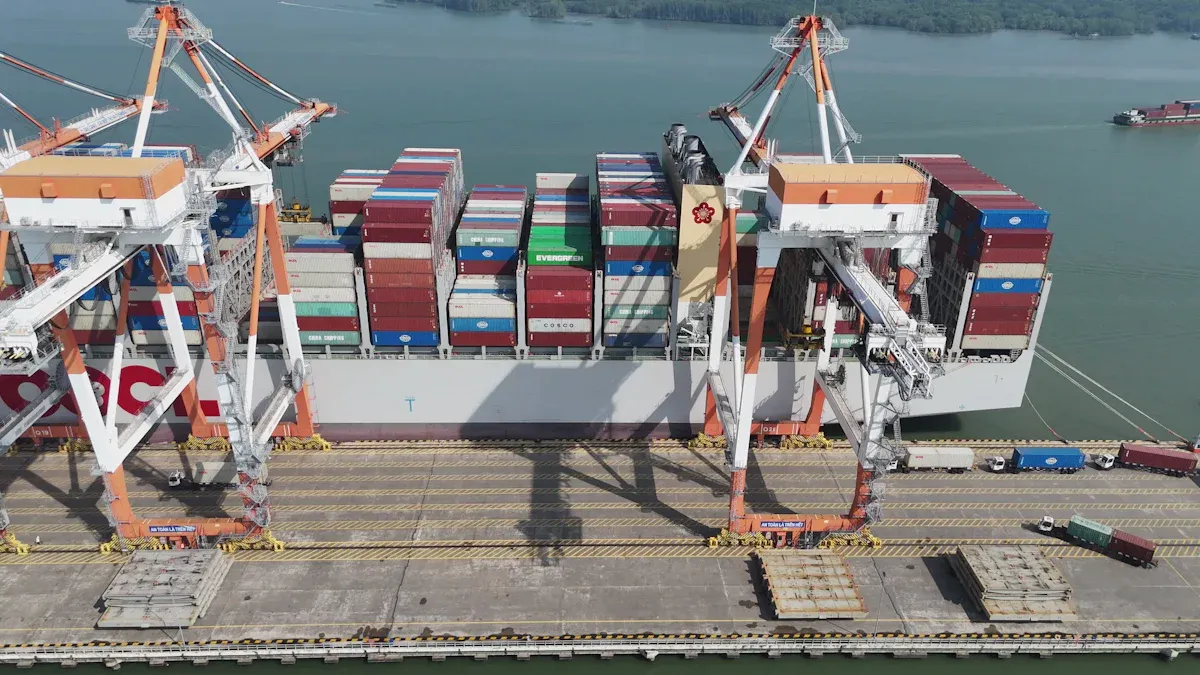
A port grab is a specialized crane attachment for loading and unloading bulk cargo. These tools handle materials like grain and coal, which account for 67% of the world's dry bulk trade. Choosing the correct model, such as an Electric Hydraulic Grab, Clamp Shell Grab, or a Dredging Grab, enhances operational speed and safety. The industry for this equipment shows steady growth.
| Metric | Value |
|---|---|
| Market Size (2024) | USD 17,328.2 million |
| Projected Market Size (2033) | USD 23,266.33 million |
| Compound Annual Growth Rate (CAGR) | 3.3% (2025-2033) |
Key Takeaways
- Port grabs are special tools. They help move large amounts of loose materials like grain and coal at ports.
- These tools handle different types of cargo. They can move irregular and heavy items, keeping them safe.
- Port grabs work with crane systems. This makes cargo handling fast, exact, and safe.
Key Functions of a Port Grab in Cargo Handling
A port grab performs several vital functions that are essential for modern shipping logistics. It acts as the primary tool for moving vast quantities of goods that cannot be handled in standard containers. These functions ensure efficiency, safety, and the preservation of cargo value from ship to shore.
Transferring Loose Bulk Materials
The most fundamental role of a port grab is transferring loose bulk materials. These materials are solid, granular substances that power factories and support urban development. They are often categorized into major and minor bulks based on their global trade volume. A single crane can move massive amounts with the right attachment. For example, giant gantry cranes with large clamshell grabs can lift up to 85 tons of coal in one scoop. This capability allows for the rapid transfer of materials between vessels and the port.
Common loose bulk materials handled by grabs include:
- Iron Ore and Pig Iron
- Coal
- Grains (wheat, corn, soybeans)
- Cement and Clinker
- Fertilizers (phosphates, potash)
- Other Minor Bulks (sugar, salt, scrap metal)
Managing Irregular and Heavy Cargo
Standard equipment cannot easily handle cargo with irregular shapes and heavy weights. A specialized port grab is necessary for these challenging materials. Orange Peel Grabs, also known as multi-tine grabs, are perfect for this task. Their multiple jaws, which look like an orange peel, provide a strong grip on difficult items. This design allows them to handle a wide range of materials, from scrap metal to large rocks.
Different grabs are engineered for specific heavy-duty tasks:
- Orange Peel Grabs: These versatile tools manage logs, bulky waste, and scrap steel. Their design helps them reach into tight spaces inside a ship's hold for efficient unloading.
- Rock Grabs: These are built for extremely heavy materials like large rocks and concrete blocks. They use powerful hydraulic systems and reinforced surfaces to handle immense weight safely.
- Custom Grabs: Some operations require tailored solutions for unique loads that standard grabs cannot manage effectively.
Protecting Cargo Integrity
Protecting the cargo and the environment is a critical function. Spillage and dust create financial losses and environmental hazards. Modern grabs include advanced design features to address these issues. These features are especially important for meeting strict environmental standards and improving port safety.
Modern port grabs often incorporate dust suppression and emission control features. These designs minimize material spillage and dust, which is crucial in environmentally sensitive areas. These features also create better and safer working conditions for all port personnel.
By sealing tightly, these grabs prevent valuable cargo like grain or fertilizer from escaping during the lift. This protection minimizes waste and ensures the product reaches its destination intact, preserving its quality and value.
Specialization and Integration in Modern Logistics
Modern logistics demand more than just lifting power. The effectiveness of a port grab comes from its specific design and its seamless connection with advanced port machinery. This combination of specialization and integration ensures that bulk cargo handling is fast, precise, and safe.
Specialized Grabs for Specific Goods
One size does not fit all in bulk cargo handling. Ports use different grabs for different types of cargo to maximize efficiency and prevent material damage. The design of each grab matches the unique properties of the material it handles. This specialization is key to productive port operations.
- Clamshell Grabs: Ideal for fine materials like grain, sand, and cement.
- Orange Peel Grabs: Perfect for bulky, irregular items like scrap metal and rocks.
- Timber Grabs: Specifically designed to handle logs and wood products securely.
Integration with Port Crane Systems
A port grab works as part of a larger crane system. A Programmable Logic Controller (PLC) acts as the system's brain. This computer receives signals from the operator and sensors on the crane. It then sends commands to the motors and hydraulic parts that control the grab's movement. For example, a PLC can automatically stop the motor if a sensor shows the grab is lifted too high.
Advanced Control for Precision and Safety
Advanced control systems give operators precise command over the grab's functions. The PLC is central to this control, improving both accuracy and safety during operations. It manages multiple tasks in real time to protect the cargo, the equipment, and the personnel.
PLCs perform several key jobs for the crane and grab system:
- They collect data from sensors on temperature and pressure.
- They automate movements based on programmed instructions.
- They detect equipment failures and trigger alarms to keep workers safe.
- They allow operators to see all the data on a screen and control the system.
This intelligent control minimizes human error and allows for smoother, faster handling cycles.
A port grab is a fundamental tool for transferring diverse bulk cargoes. Its efficiency, specialization, and integration are essential for productive operations.
Choosing the right grab directly contributes to faster vessel turnaround, which is critical when dry bulk carriers can spend two days in port. This selection also reduces cargo waste and creates a safer work environment.
FAQ
How does a port grab connect to a crane?
A grab attaches to the crane's hoist ropes. The operator uses controls to open and close the grab's jaws. This action allows it to scoop and release bulk materials.
What is the difference between a mechanical and a hydraulic grab?
Mechanical grabs use the crane's ropes to open and close. Hydraulic grabs use a built-in motor and fluid pressure, giving the operator more precise control over the grip.
See Also
Custom Cargo Lifts: Business Advantages and Disadvantages You Should Know
Understanding the Latest Bearing Box Freight Classification Updates and Changes
Carrying Bars: Exploring Their Industrial Significance and Historical Evolution
Capsule Sorters: Essential Technology for Effective Defect Removal Explained
Top Trending Folder Gluer Innovations for 2025 Carton Production Lines