Which Water Purifier is Right for You RO or Faucet Filter
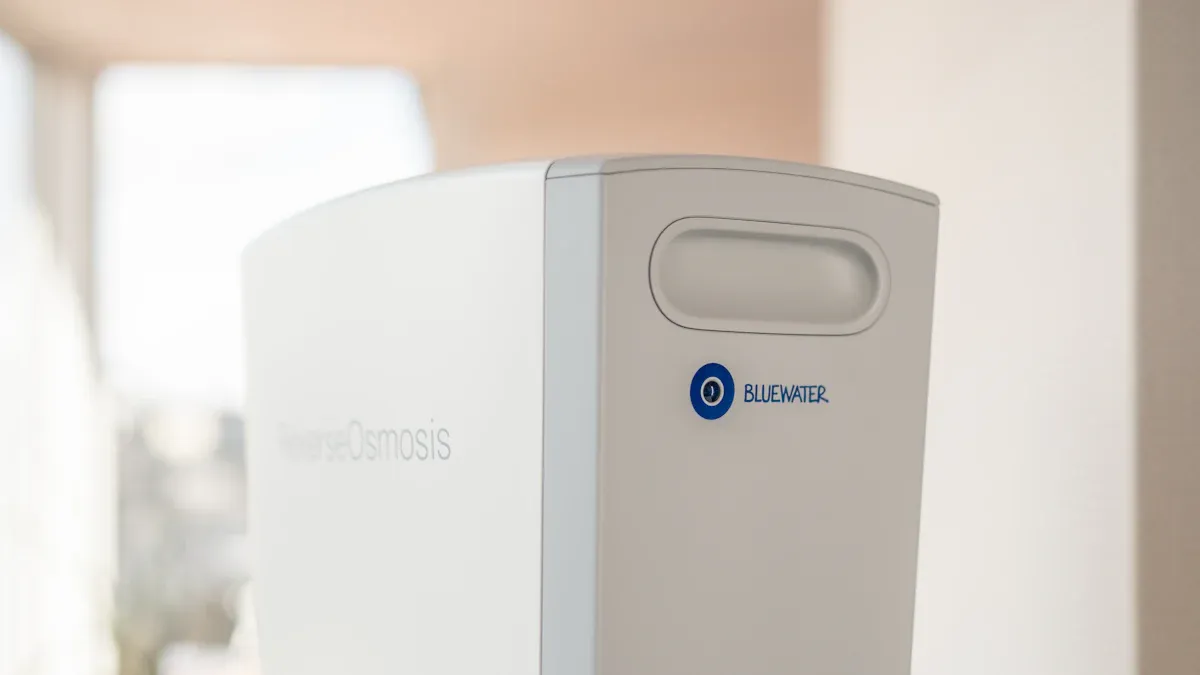
A recent survey showed 77% of Americans filter their drinking water. Your choice in domestic water treatment depends on your goals.
You choose a Reverse Osmosis (RO) system for the highest level of purification. It removes up to 99% of contaminants. You select a faucet filter for an affordable, easy-to-install solution that improves water taste.
Key Takeaways
- RO systems offer the highest water purity, removing up to 99% of contaminants like lead and arsenic, making them ideal for homes with specific water quality concerns.
- Faucet filters are affordable and easy to install, improving water taste by removing chlorine, and are best for renters or those on a budget.
- Your choice depends on your needs: choose an RO system for maximum purity and long-term investment, or a faucet filter for convenience and better-tasting tap water.
Comparing Key Factors: RO vs. Faucet Filter
You need to look at several key areas to decide which water purifier fits your home. Your choice in a domestic water treatment system comes down to how each type performs in contaminant removal, cost, installation, and maintenance.
Contaminant Removal
The biggest difference between these two systems is what they remove from your water. A Reverse Osmosis (RO) system offers the most thorough filtration available for your home. It forces water through a semipermeable membrane, which traps a vast range of impurities.
An RO system is effective at removing dissolved contaminants that other filters miss. This includes:
- Lead
- Arsenic
- Fluoride
- Nitrates
- Chromium
- Dissolved Solids (TDS)
Faucet filters, which typically use activated carbon, are excellent for improving taste and odor. They reduce chlorine and certain heavy metals like lead. However, they do not remove dissolved solids, fluoride, or nitrates.
Note: When you look for a filter, check for NSF/ANSI certifications. Standard 58 is the certification for RO systems and their ability to reduce contaminants like fluoride and arsenic. Standard 53 certifies a filter's ability to reduce health-related contaminants like lead.
The table below shows how each system handles specific issues.
| Contaminant / Issue | Reverse Osmosis (RO) | Faucet Filter (Carbon) |
|---|---|---|
| Total Dissolved Solids (TDS) | Up to 99% | 0% |
| Fluoride | ✓ | — |
| Nitrate/Nitrite | ✓ | — |
| Lead | ✓ | ✓ |
| Chlorine | ✓ | ✓ |
Upfront and Long-Term Costs
Your budget plays a major role in this decision. Faucet filters are very affordable. You can typically buy a faucet-mounted filter for $15 to $50. This makes them an excellent entry-level option for better-tasting water.
RO systems require a larger initial investment. The cost for the unit itself can range widely.
- Tank-based RO Systems: $200 - $600
- Tankless RO Systems: $400 - $1,200
You should also consider long-term costs. Faucet filters need new cartridges every two to three months. RO systems have multiple filters that you replace on different schedules, and they also use water to flush the membrane. Modern high-efficiency RO systems have improved this, with some creating only one gallon of wastewater for every one or two gallons of pure water produced.
Installation and Space Requirements
Installation and space are practical factors you must consider. A faucet filter is the champion of simplicity. You can usually install one in minutes by screwing it directly onto your existing kitchen faucet. It takes up no counter or under-sink space, making it ideal for small kitchens and apartments.
An RO system requires a more involved installation. These systems live under your kitchen sink and need significant space for the filters and a storage tank. You will also need to install a dedicated drinking water faucet on your sink, which may require drilling a new hole. This type of domestic water treatment setup is better suited for homeowners who can make permanent modifications.
Water Taste and Mineral Content
How do you want your water to taste? The answer will guide your choice.
RO systems remove nearly everything from water, including healthy minerals like calcium and magnesium. These minerals give water its familiar taste. Without them, water can taste "flat" or "bland." To solve this, many modern RO systems include a remineralization stage that adds healthy minerals back into the water to improve the flavor and balance the pH.
Faucet filters work differently. They use activated carbon to remove unpleasant tastes and smells like chlorine but are designed to leave beneficial minerals in your water. If you like the taste of mineral water and just want to clean up your tap water's flavor, a faucet filter is a great choice. It preserves minerals like:
- Calcium
- Magnesium
- Potassium
Maintenance and Filter Lifespan
Every water filter needs maintenance to work correctly. With a faucet filter, you will replace the filter cartridge regularly, usually every 2 to 3 months or after filtering 100 gallons of water.
An RO system has multiple stages, and each requires its own replacement schedule. This makes its maintenance more complex but less frequent for certain parts. A typical schedule looks like this:
- Sediment and Carbon Filters: Replace every 6–12 months.
- Post-Filter (Polishing Filter): Replace every 12 months.
- RO Membrane: Replace every 2–5 years.
Following the recommended schedule ensures your domestic water treatment system continues to provide safe, clean drinking water.
Understanding Your Domestic Water Treatment Needs
Your choice of a domestic water treatment system should match your specific needs. You must decide if your main goal is removing the most contaminants or finding a simple, budget-friendly solution. This decision will point you toward the right filter.
When Purity is the Priority
You should prioritize purity if your water source contains specific harmful contaminants. An RO system is the best choice in this situation. Long-term exposure to toxic metals like arsenic and lead can increase your risk of serious health problems. The type of health issue depends on the exposure amount and your personal sensitivity. These issues can include:
- Heart disease
- Diabetes
- Cancers of the bladder, lung, and skin
- Negative impacts on cognitive development
An RO system is certified to remove these dangerous contaminants. It provides peace of mind that your drinking water is as pure as possible. If your local water report shows high levels of TDS, nitrates, or heavy metals, an RO system is a necessary investment for your family's health.
When Convenience and Cost Matter Most
You might prefer a faucet filter if your main concerns are budget and ease of use. These filters offer a significant improvement over unfiltered tap water and bottled water without a large upfront cost. A faucet filter is an excellent, affordable entry into home water filtration. It saves you a considerable amount of money compared to buying bottled water.
The chart below shows the first-year cost for a family of four. You can see the savings from using a filter.
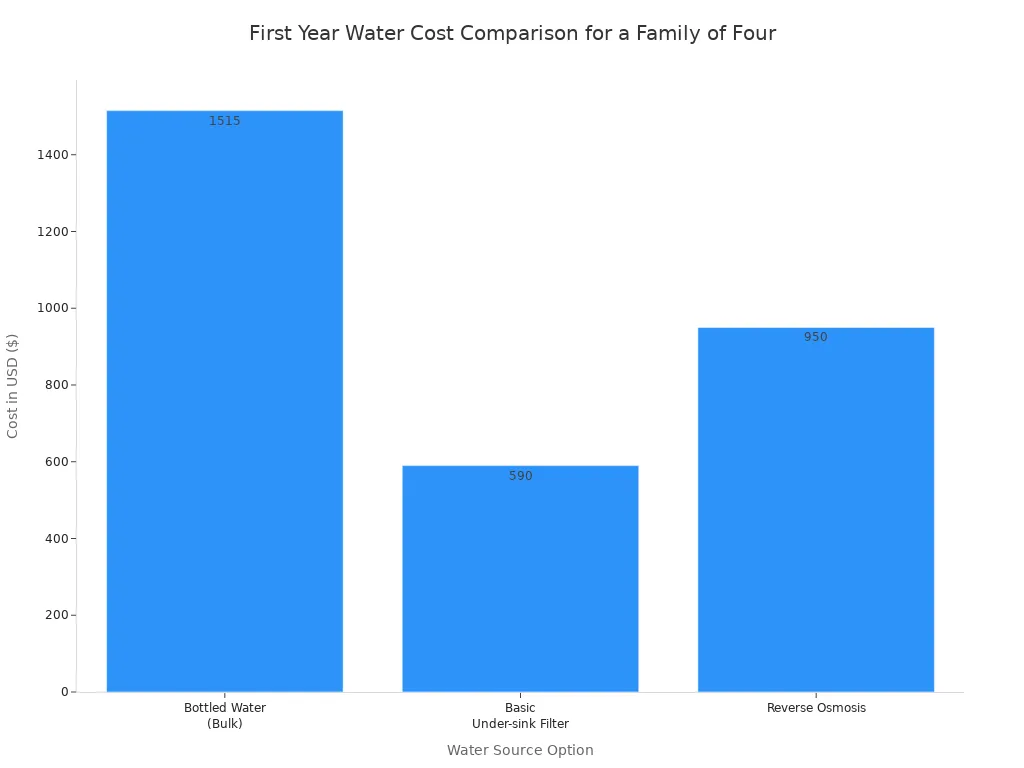
For renters or anyone who wants a simple upgrade, the convenience of a faucet filter is unmatched.
Who Should Buy a Reverse Osmosis System?
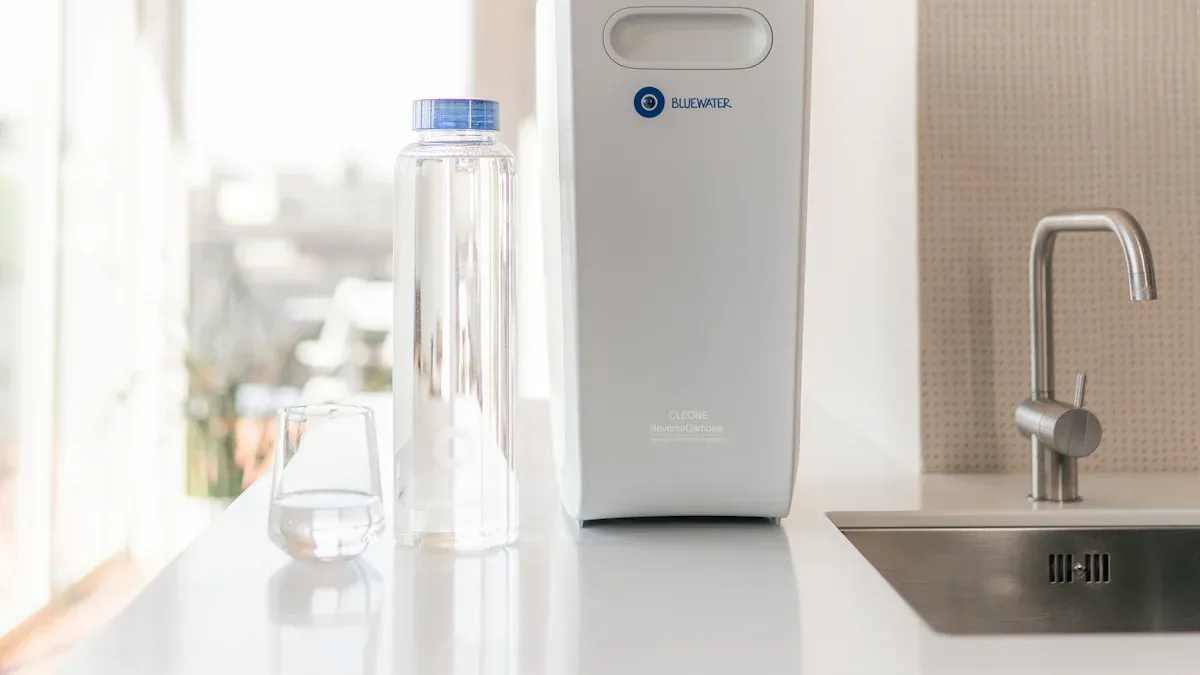
You should consider a Reverse Osmosis (RO) system if your needs go beyond basic taste improvement. An RO unit is a powerful solution for specific health, purity, and investment goals. It is a significant upgrade for your home's water quality.
For Homes with Specific Contaminants
You should choose an RO system if your water contains specific, harmful contaminants. This is especially true if you use well water, which can be affected by agricultural runoff. RO systems are highly effective at removing impurities that other filters miss.
- Nitrates and Pesticides: These can seep into groundwater from farming.
- Heavy Metals: RO systems certified to NSF/ANSI Standard 58 can remove lead and arsenic.
- Industrial Chemicals: These systems can filter out PFAS and other manufactured compounds.
You can discover what is in your water with a home test kit. Companies offer kits like the WaterCheck™ Deluxe that you send to a lab for a detailed report on contaminants like pesticides and nitrates.
For Those Seeking Maximum Purity
You may want the highest level of purity for health or lifestyle reasons. An RO system provides this by removing up to 99% of all dissolved solids. This level of filtration is critical for certain individuals. People with compromised immune systems need water free from dangerous microorganisms like Cryptosporidium and other bacteria. An RO system offers a strong defense.
Purity also affects taste. Coffee lovers often use RO water to achieve the ideal mineral content for brewing. The Specialty Coffee Association suggests a water TDS of 150 ppm for the best flavor extraction.
For Homeowners Ready to Invest
You see an RO system as a long-term home improvement. This domestic water treatment system requires an upfront cost but delivers significant value over time. The return on investment is clear when you stop buying bottled water. An average family can save between $500 and $1,200 annually. You can recover the cost of the system in just a couple of years. This makes an RO system a smart financial decision for homeowners who plan to stay in their homes and want consistently pure water.
Who Should Buy a Faucet Filter?
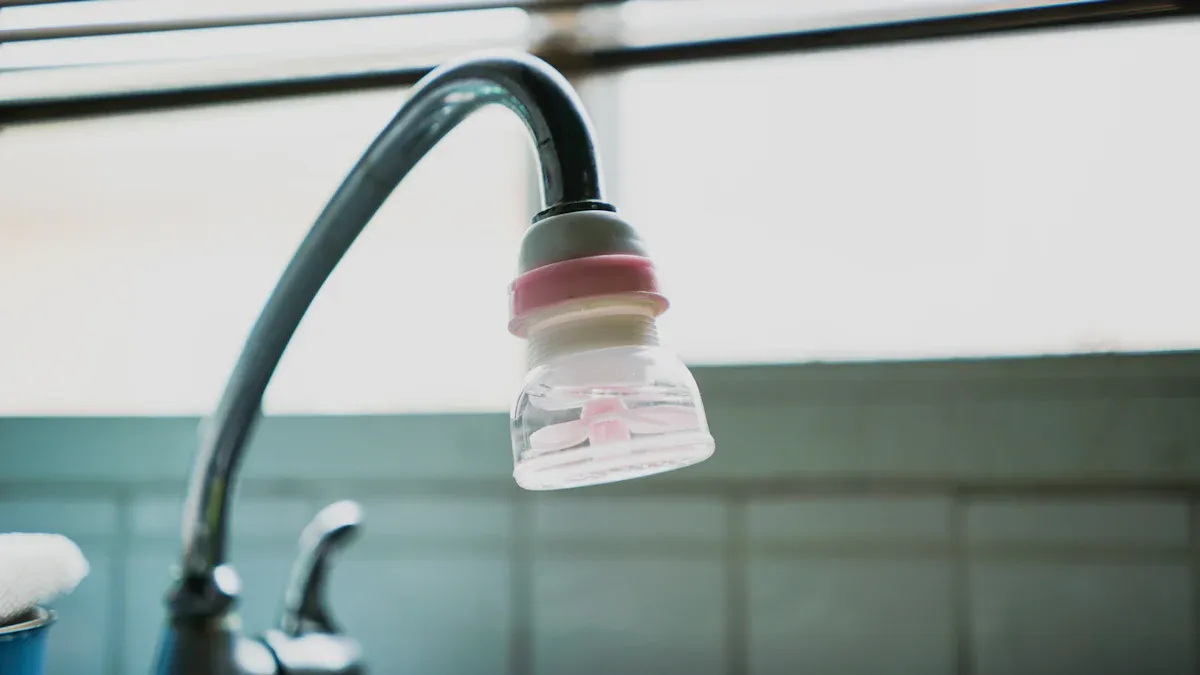
You might find that a faucet filter is the perfect domestic water treatment solution for your home. It offers a simple and effective way to get cleaner water without the commitment of a larger system. A faucet filter is an excellent choice for specific lifestyles and needs.
For Renters and Small Kitchens
A faucet filter is your best option if you rent your home or have limited kitchen space. Most rental agreements prohibit you from making major plumbing changes. Landlords often forbid drilling holes for extra faucets or altering pipes under the sink. A faucet filter attaches directly to your existing faucet without any permanent modifications.
- You avoid violating your lease agreement.
- You can easily install and remove it in minutes.
- It takes up no valuable counter or under-sink space.
This makes it the ideal choice for apartments, dorms, and any kitchen where space is tight.
For Budget-Conscious Users
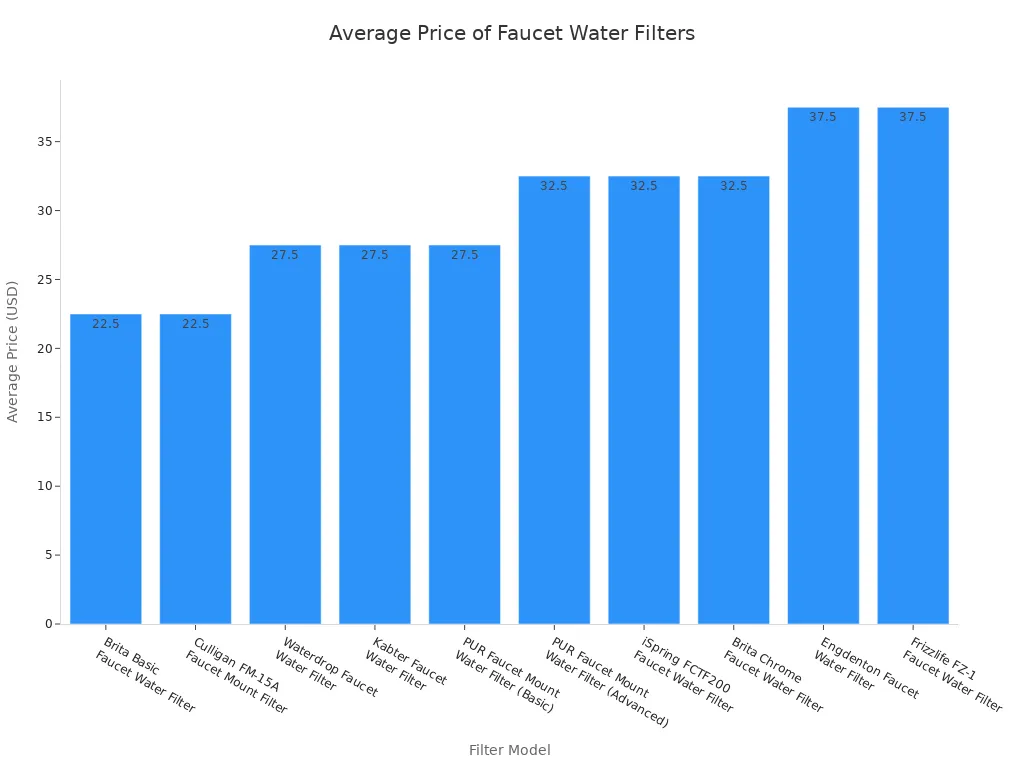
You will appreciate a faucet filter if you are watching your budget. These devices provide an affordable entry into water filtration. You can find many effective models for under $50. This low upfront cost delivers a significant improvement in your water quality without a large investment. The chart below shows the average prices for several popular faucet filters.
For Improving Tap Water Taste
You should choose a faucet filter if your main goal is better-tasting water. Municipal water often has a chlorine taste and smell. Water treatment plants add chlorine to disinfect the water and kill bacteria. While this is important for safety, it can make your water unpleasant to drink.
Faucet filters use activated carbon to effectively reduce chlorine. This process removes the chemical taste and odor, leaving you with crisp, refreshing water. Many people find they drink more water and stay better hydrated when their water tastes clean.
Your ideal water purifier balances your goals, budget, and lifestyle.
An RO system is your best choice for comprehensive purification, especially with poor water quality. A faucet filter offers an unmatched mix of affordability and convenience for better-tasting tap water. Your decision depends on these key needs.
FAQ
Can a faucet filter remove lead?
Yes, many faucet filters reduce lead. You should look for models certified to NSF/ANSI Standard 53. This certification ensures the filter effectively removes lead from your drinking water.
Is RO water bad for you because it lacks minerals?
No, RO water is safe to drink. You get most of your essential minerals from food. Many modern RO systems also include a remineralization stage to add minerals back.
Do I need a plumber to install an RO system?
You can often install an RO system yourself with basic tools.
However, you might prefer hiring a plumber if you are not comfortable with plumbing tasks or drilling a hole in your countertop.