Don't purchase a water dispenser until you read this.
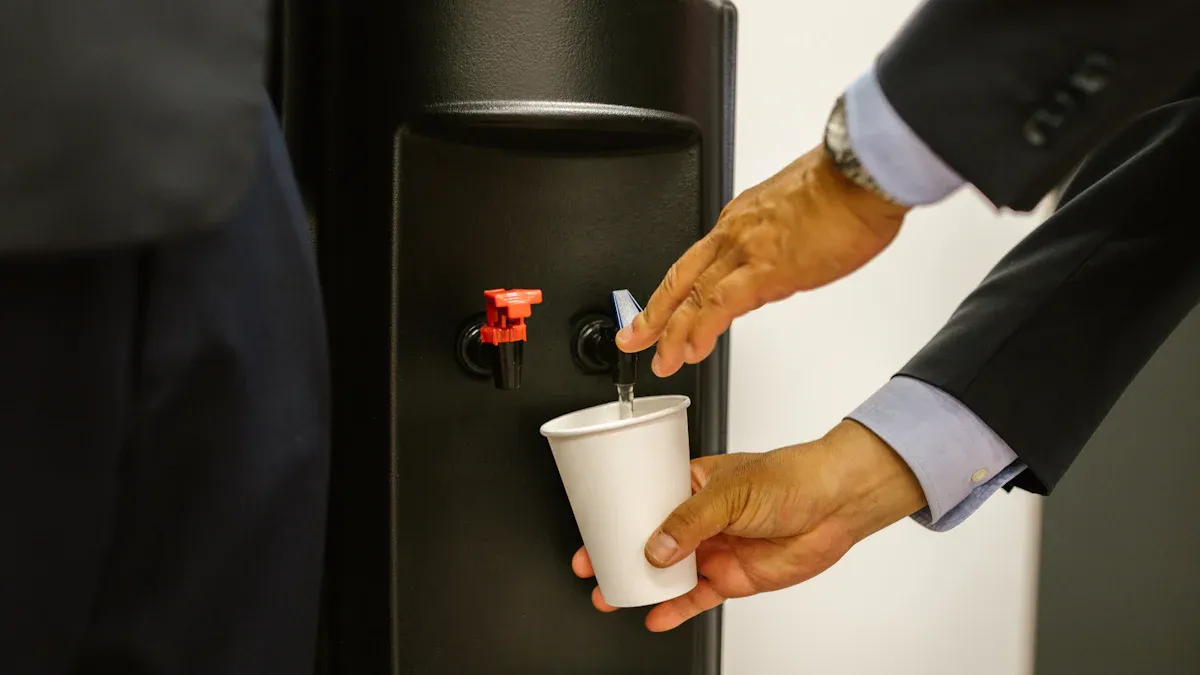
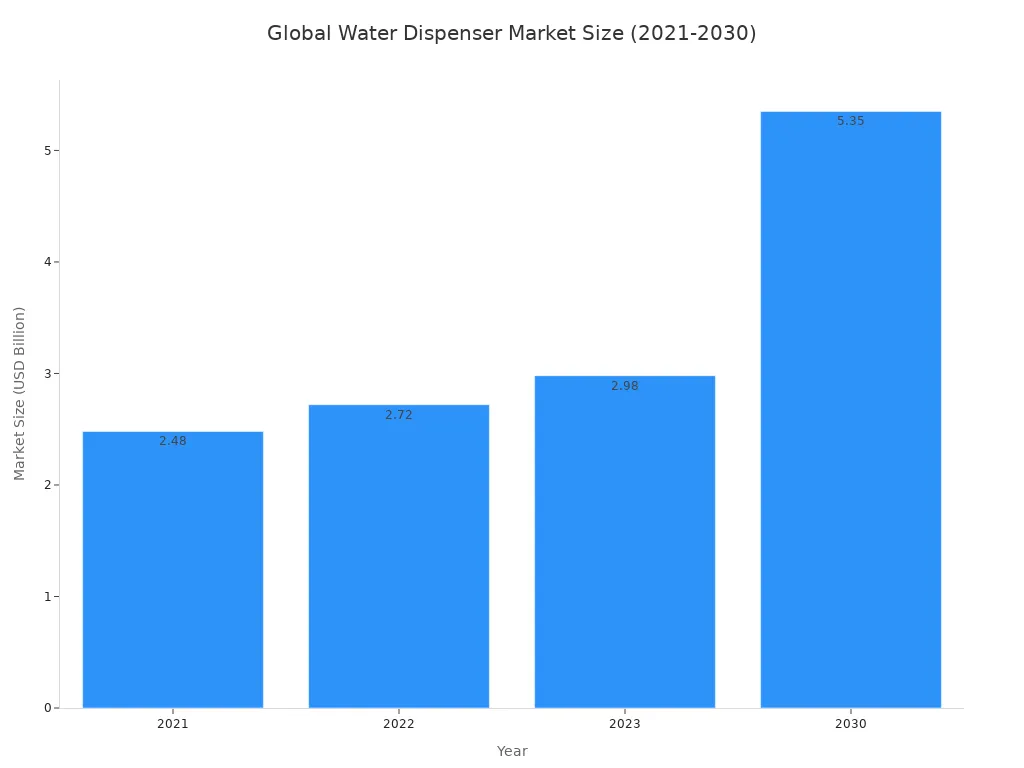
As the market for water dispensers continues to grow, you might be considering whether to purchase a water dispenser for your home or office. While renting offers convenience with predictable costs and no maintenance, buying is often the better long-term financial decision if you're prepared to handle cleaning and refills. This choice is becoming increasingly popular for many people.
Key Takeaways
- Renting a water dispenser offers convenience and no maintenance, but it costs more over time.
- Buying a water dispenser saves money in the long run and gives you more choices, but you must clean and maintain it yourself.
- Consider your budget, how much effort you want to put in, and how long you need the dispenser to decide if renting or buying is best for you.
The Advantages of Renting a Water Cooler Service

Renting a water cooler service offers several key benefits, especially if you value convenience and predictable costs over long-term ownership. This option removes many of the responsibilities that come with purchasing a unit.
Hassle-Free Convenience and Setup
When you rent, the company handles the entire installation process for you. Professionals conduct a site survey to find the best location near a water line and power source. They manage the complete setup, ensuring everything works correctly from day one.
Note: A typical installation by a trained technician, like those for Bevi machines, often takes only one to two hours. You get a fully operational cooler without any effort on your part.
No Maintenance or Repair Costs
One of the biggest advantages of renting is that you are not responsible for upkeep. The rental company manages all routine maintenance, including filter changes, sanitization, and any necessary repairs. If the machine breaks down, they will fix or replace it at no extra cost to you. This eliminates surprise expenses and saves you time.
Low Upfront Financial Commitment
Renting a water cooler allows you to avoid a large initial payment. Instead of buying a unit, you pay a predictable monthly fee. These rental fees are often very affordable. For example, companies like Culligan offer plans from $10 to $50 per month, and you can find options like a bottom-loading cooler for around $18 per month. This makes getting started easy on your budget.
Access to Commercial-Grade Equipment
Rental services typically provide durable, high-performance equipment designed for heavy use. These commercial-grade dispensers are often built with higher quality components than standard residential models. You can enjoy features such as:
- Higher Capacity: Built to serve more people in busy office environments.
- Durable Materials: Often constructed with stainless steel for a longer lifespan.
- Advanced Options: Access to features like sparkling water, enhanced hygiene controls, and multiple temperature settings.
The Disadvantages of Renting a Water Cooler Service
While renting offers convenience, you should also consider its downsides. These drawbacks include long-term costs, contract restrictions, and environmental concerns.
Higher Costs Over the Long Term
Renting a water cooler costs more over time. A monthly fee of $18 seems small, but it adds up to $216 per year. Over three years, you will spend over $648. You could buy a high-quality dispenser for much less. The rental payments never stop, so you are always paying for a machine you will never own.
Limited Flexibility and Contract Lock-In
Rental services often require you to sign a contract. Many companies start with a one-year agreement that automatically renews month-to-month. If you want to cancel before the initial year is over, you may have to pay an early termination fee. This charge covers the company's costs for equipment and installation. This lack of flexibility can be a problem if your needs change.
Storage Space for Water Jugs
Bottled water delivery services require you to store large, heavy jugs. You will need a dedicated space for both full and empty bottles. A standard 5-gallon jug is over a foot tall, and a rack to hold them can take up significant floor space.
| Feature | Detail |
|---|---|
| Jug Capacity | 4 jugs |
| Rack Length | 24 inches |
| Rack Width | 18 inches |
| Rack Height | 54 inches |
Environmental Footprint of Deliveries and Plastic
Renting a bottled water service has a large environmental impact. 🚚 The delivery trucks release significant CO2 emissions. In fact, the carbon footprint of bottled water can be up to 2,000 times greater than tap water. The plastic jugs also create waste.
- Most plastic jugs end up in landfills, where they take hundreds of years to break down.
- The production and transport of plastic bottles release greenhouse gases.
- Plastics can release harmful chemicals and microplastics into the water you drink.
Key Factors Before You Purchase a Water Dispenser
Buying a water dispenser gives you control, but you should consider a few key factors first. Thinking about cost, maintenance, and water source will help you make a smart choice.
Calculating the Break-Even Point
You can figure out when buying becomes cheaper than renting. A rental might cost $216 per year. You can often purchase a water dispenser for less than that. This means you start saving money in less than a year. The long-term savings make buying a strong financial option.
Understanding Maintenance Duties
When you own a dispenser, you handle all the upkeep. You must clean the machine regularly with a mix of citric acid and water to keep it sanitary. You also need to replace filters. Most filters last about 2-4 months, but you should always check your model's manual for specific instructions.
Tip: A full cleaning involves draining reservoirs, running a cleaning solution through the system, and rinsing it thoroughly. This process can take over an hour.
The Freedom to Choose Your Model
Buying lets you select the perfect model for your needs. You can find top-rated options like the Primo Bottom-Loading Dispenser, which is great for families. You also get to choose between different types.
| Dispenser Type | Best For | Key Feature |
|---|---|---|
| Countertop | Small apartments | Compact and space-saving |
| Freestanding | Busy households | Larger capacity and more features |
Sourcing Your Own Water
You decide where your water comes from when you purchase a water dispenser. You can buy 5-gallon jugs from the store. A more convenient option is a point-of-use (POU) dispenser. These models connect directly to your home's water line. This gives you an endless supply of filtered water and saves you money over time.
Renting vs. Buying: A Head-to-Head Comparison
Deciding between renting and buying comes down to a direct trade-off between cost, effort, and control. Let's break down how they compare in the most important areas.
Upfront Cost vs. Long-Term Cost
Your budget is a major factor in this decision. Renting and buying affect your finances in very different ways.
- Renting: You pay a small, predictable monthly fee. This makes it easy to start without a large investment. However, these payments continue for as long as you have the service. You never build equity or own the machine.
- Buying: You pay a larger amount upfront to own the dispenser. After this initial cost, your only expenses are for water and occasional maintenance parts like filters. Over time, buying is almost always the cheaper option.
This table shows how the costs compare over three years, using an average rental fee of $18/month and a purchase price of $200.
| Timeline | Rental Cost (Cumulative) | Purchase Cost (Cumulative) |
|---|---|---|
| Upfront | $0 | $200 |
| Year 1 | $216 | $200 |
| Year 2 | $432 | $200 |
| Year 3 | $648 | $200 |
As you can see, the break-even point happens in less than a year. After that, every dollar you would have spent on rent becomes savings.
Responsibility for Maintenance
Maintenance is the biggest difference in personal responsibility between renting and buying.
With a rental service, you have zero maintenance duties. The company schedules and performs all cleaning, sanitization, filter changes, and repairs. If the machine stops working, they fix or replace it for free. This offers complete peace of mind.
When you buy a dispenser, you handle all the maintenance yourself. Regular cleaning is essential for safe, great-tasting water.
Your Maintenance Checklist for an Owned Dispenser To keep your machine in top shape, you should plan on a regular cleaning routine. Offices may need to clean units every 7–10 days, while homes can clean them every 15–20 days.
- Unplug the unit for safety.
- Remove the water bottle and drain all water from the reservoirs.
- Clean the exterior with a soft cloth.
- Sanitize the internal tanks with a solution of vinegar or citric acid and water. Let it sit for about 15 minutes.
- Drain the cleaning solution through the taps.
- Rinse the system thoroughly with clean water two or three times.
- Clean the drip tray and taps before reassembling.
This process ensures your water stays fresh and your machine runs properly.
Convenience and Time Investment
Your time is valuable. Consider how much of it you are willing to spend on your water solution.
-
Renting: 🥇 Renting is the champion of convenience. The company delivers water to your door and handles all service calls. Your only job is to swap out the empty jug for a full one. It requires almost no time investment from you.
-
Buying: Buying requires more of your time. You are responsible for sourcing your water, whether that means trips to the store for 5-gallon jugs or installing a point-of-use system. You also need to set aside time for the cleaning and maintenance tasks mentioned above.
Equipment Quality and Choice
The type and quality of the dispenser you get also differs between renting and buying.
When you rent, your choices are often limited to the models the service company provides. These are typically durable, commercial-grade units built to withstand heavy use. However, you might not get the specific design or advanced features you want.
When you purchase water dispenser, you have complete freedom. You can choose from hundreds of models to find the perfect fit for your home's decor, space, and feature requirements. Purchased models often offer better build quality and more options, like sparkling water or advanced filtration. With proper care, a quality purchased dispenser can last a long time. Bottled units typically last 5 to 7 years, while point-of-use models can last 7 to 10 years.
Your choice depends on what you value most. Renting offers hands-off convenience, while you purchase water dispenser for long-term savings and control. If your budget is tight now, renting is a great starting point. For several years of use, buying almost always saves you money.
Evaluate your priorities for cost, convenience, and control to make the best choice.
FAQ
How often should I clean my purchased water dispenser?
You should clean your home dispenser every 15 to 20 days. Office units need more frequent cleaning, about every 7 to 10 days, to ensure water safety and freshness.
Is renting a water dispenser better for an office?
Renting is often a great choice for offices. It provides a hassle-free solution with professional maintenance. This ensures the unit is always clean and working for your employees and clients.