Boosting Energy Efficiency with Advanced Refrigeration Heat Exchanger Technology
Advanced refrigeration heat exchanger technology increases energy efficiency in commercial and industrial environments. Modern systems use innovative designs to reduce power consumption and lower operating costs. Facility managers achieve sustainability goals by upgrading equipment and optimizing system performance. Choosing the right refrigeration heat exchanger helps organizations maximize energy savings and improve overall reliability.
How Refrigeration Heat Exchanger Technology Improves Energy Efficiency
Direct Impact on Energy Consumption
Refrigeration heat exchanger technology plays a critical role in reducing energy consumption in cooling systems. Engineers design these components to maximize the transfer of heat between fluids, which leads to lower compressor workloads and less electricity usage. When a system uses an efficient refrigeration heat exchanger, it maintains optimal temperatures with less effort. This improvement results in measurable savings on utility bills.
Facility managers often notice immediate benefits after upgrading to advanced heat exchangers. These systems operate with higher thermal conductivity and improved flow patterns. As a result, they deliver consistent cooling performance while using less power. Many commercial buildings and industrial plants report a reduction in peak energy demand after installing modern heat exchangers.
Tip: Regular monitoring of system performance helps identify opportunities for further energy savings.
Thermal Energy Recovery and Reuse
Thermal energy recovery stands out as a major advantage of advanced refrigeration heat exchanger technology. These systems capture waste heat generated during the cooling process and redirect it for other uses. For example, recovered heat can preheat water, support space heating, or drive other industrial processes.
Operators use several methods to reuse thermal energy:
- Heat reclaim loops: These systems transfer excess heat to water tanks or air handling units.
- Integrated heat pumps: Facilities use these devices to move recovered energy to different parts of the building.
- Process integration: Manufacturers often channel waste heat into production lines, reducing the need for additional fuel.
A well-designed refrigeration heat exchanger enables efficient energy recovery, which lowers overall consumption and supports sustainability goals. Companies that implement these solutions often see a decrease in greenhouse gas emissions and improved operational efficiency.
Key Refrigeration Heat Exchanger Designs and Innovations
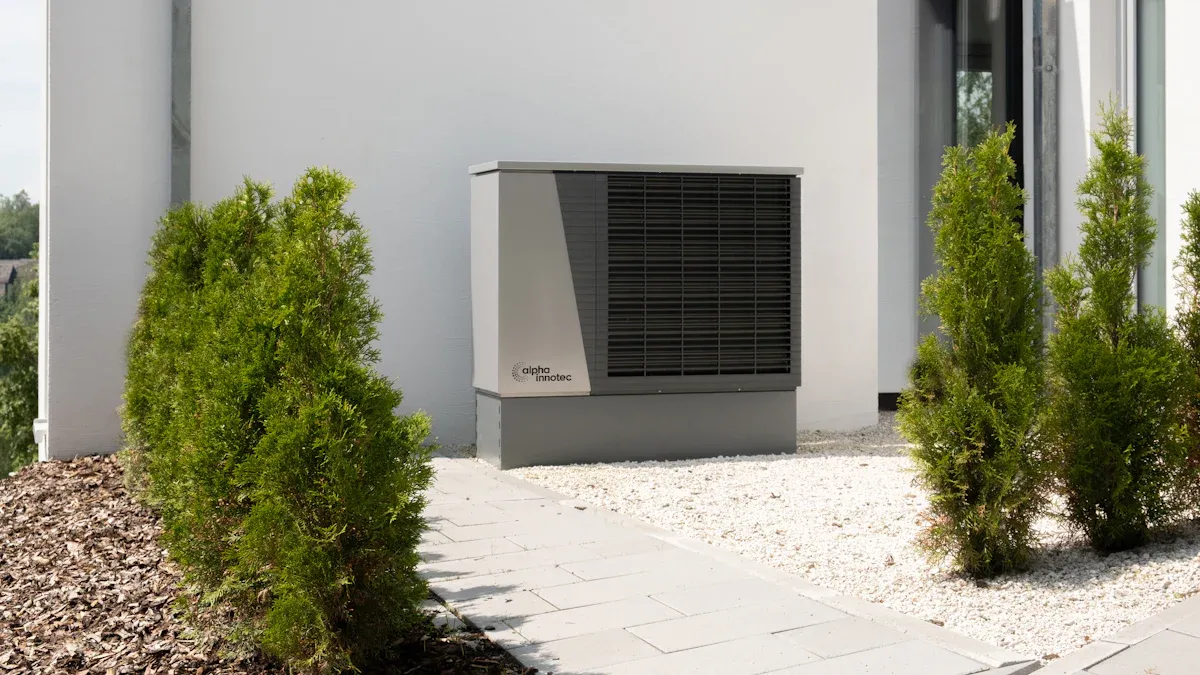
Microchannel and Plate Refrigeration Heat Exchangers
Microchannel and plate designs have transformed the way engineers approach cooling efficiency. Microchannel heat exchangers use small, parallel channels to increase the surface area for heat transfer. This design allows systems to achieve higher thermal performance with less refrigerant. Plate heat exchangers stack thin metal plates to create multiple flow paths. These units deliver compact size and efficient operation. Many commercial facilities prefer these designs because they reduce energy consumption and lower maintenance needs.
Note: Microchannel and plate heat exchangers often fit into tight spaces, making them ideal for retrofits and new installations.
Enhanced Surface and Counter-Flow Technologies
Engineers have developed enhanced surface technologies to boost heat transfer rates. Finned surfaces, corrugated plates, and special patterns increase turbulence and improve thermal exchange. Counter-flow arrangements position fluids to move in opposite directions. This setup maximizes the temperature difference between fluids, which leads to better energy efficiency. Facilities that use enhanced surface and counter-flow designs report improved cooling performance and reduced operational costs.
| Technology Type | Benefit | Common Application |
|---|---|---|
| Finned Surfaces | Higher heat transfer | Air conditioning systems |
| Corrugated Plates | Increased turbulence | Industrial chillers |
| Counter-Flow Design | Maximum efficiency | Process cooling |
Advanced Materials and Coatings
Material selection plays a vital role in the durability and efficiency of refrigeration heat exchanger systems. Manufacturers use aluminum, stainless steel, and copper to construct these units. Each material offers unique advantages in terms of corrosion resistance and thermal conductivity. Advanced coatings protect surfaces from fouling and chemical damage. These innovations extend equipment life and maintain high performance over time.
Facility managers choose advanced materials and coatings to reduce maintenance costs and improve reliability. Many modern refrigeration heat exchanger solutions feature anti-microbial coatings, which help maintain clean surfaces and support food safety standards.
Real-World Applications of Refrigeration Heat Exchanger Solutions
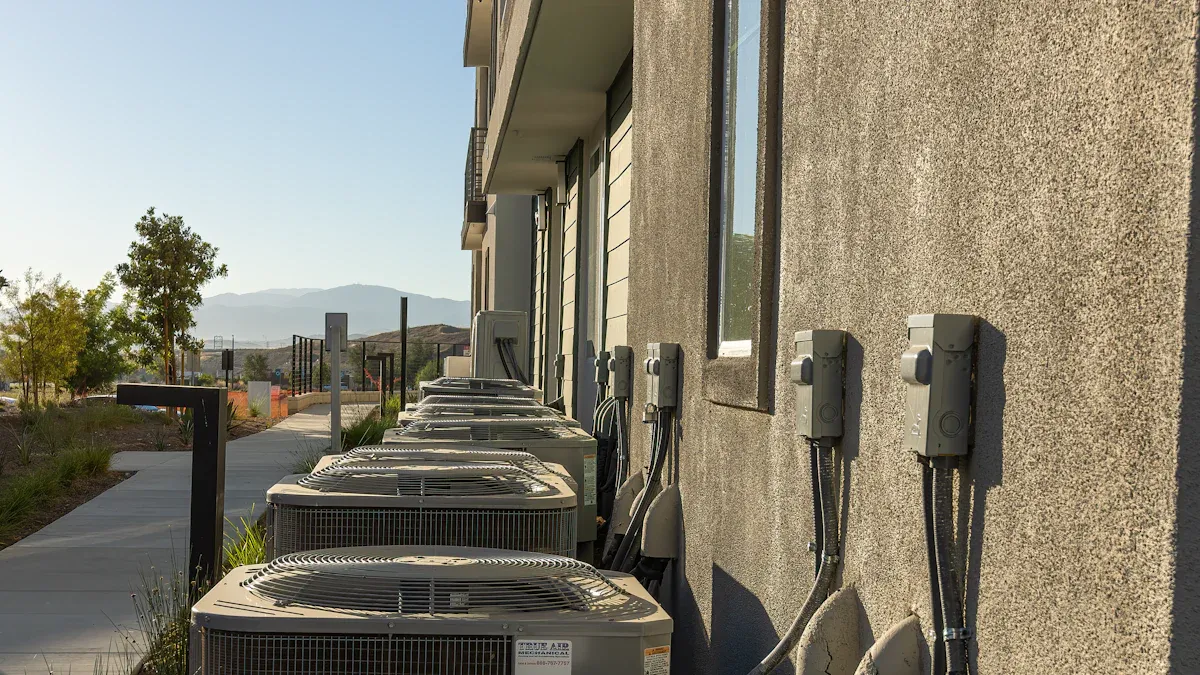
Commercial Refrigeration System Upgrades
Supermarkets, restaurants, and convenience stores rely on efficient cooling to protect perishable goods. Many businesses choose to upgrade their systems with advanced refrigeration heat exchanger technology. These upgrades help reduce energy bills and improve temperature stability. Facility managers often select microchannel or plate heat exchangers for their compact size and high performance.
A typical upgrade process includes:
- Assessing current system efficiency
- Selecting a compatible heat exchanger design
- Installing the new unit with minimal disruption
- Monitoring performance for immediate results
Tip: Businesses that upgrade their refrigeration systems often see a quick return on investment due to lower utility costs.
Industrial Refrigeration Retrofits
Large-scale facilities, such as food processing plants and cold storage warehouses, face unique cooling challenges. Engineers retrofit existing systems with modern heat exchangers to boost capacity and reliability. These retrofits help companies meet stricter energy regulations and reduce maintenance needs.
Industrial retrofits often involve:
- Replacing outdated shell-and-tube units with plate or microchannel models
- Integrating enhanced surface technologies for better heat transfer
- Adding advanced coatings to resist corrosion and fouling
A successful retrofit extends equipment life and supports continuous operation.
Documented Energy Savings
Organizations track energy savings after installing new refrigeration heat exchanger solutions. Many case studies show significant reductions in electricity use. For example, a cold storage facility reported a 20% drop in energy consumption after a retrofit. Supermarkets often achieve similar results, with improved product quality and lower spoilage rates.
| Facility Type | Energy Savings (%) | Additional Benefits |
|---|---|---|
| Cold Storage | 20 | Lower maintenance costs |
| Supermarket | 15 | Better temperature control |
| Food Processing Plant | 18 | Increased system reliability |
Real-world data confirms that advanced heat exchanger technology delivers measurable efficiency gains.
Optimizing Refrigeration Heat Exchanger Performance
Selection Criteria for Maximum Efficiency
Selecting the right refrigeration heat exchanger requires careful evaluation of several factors. Engineers consider system capacity, refrigerant type, and operating conditions. They analyze the required heat transfer rate and pressure drop to ensure the unit matches the application. Material compatibility with the refrigerant and environment also plays a key role.
A well-chosen heat exchanger improves energy efficiency and extends equipment life. Facility managers often use the following checklist when selecting a unit:
- Assess system cooling load and flow rates
- Match heat exchanger size to available space
- Verify material resistance to corrosion and fouling
- Confirm compatibility with existing controls
Tip: Consulting with a qualified HVAC engineer helps avoid costly selection errors.
Maintenance Strategies
Regular maintenance keeps refrigeration heat exchangers operating at peak efficiency. Technicians inspect for signs of fouling, corrosion, or leaks. Cleaning schedules depend on the application and local water quality. Many facilities use non-invasive cleaning methods to reduce downtime.
A simple maintenance plan includes:
- Visual inspections for dirt or scale buildup
- Scheduled cleaning of heat transfer surfaces
- Monitoring for unusual pressure drops or temperature changes
- Prompt repair of detected leaks
Proper maintenance reduces energy waste and prevents unexpected failures.
Integration with System Controls
Modern refrigeration systems use advanced controls to optimize heat exchanger performance. Sensors track temperature, pressure, and flow rates in real time. Automated controls adjust system settings to maintain ideal conditions. Integration with building management systems allows remote monitoring and quick response to issues.
Facilities that connect their refrigeration heat exchanger to smart controls achieve better energy savings and improved reliability. Data-driven adjustments help maintain consistent performance and extend equipment lifespan.
Future Trends in Refrigeration Heat Exchanger Technology
Smart Monitoring and IoT Applications
Smart monitoring has become a game-changer in the refrigeration industry. Many facilities now use sensors and Internet of Things (IoT) devices to track the performance of refrigeration heat exchanger systems. These sensors collect real-time data on temperature, pressure, and flow rates. Facility managers receive instant alerts if the system detects abnormal conditions. This approach helps prevent costly breakdowns and reduces energy waste.
IoT platforms allow remote access to system data. Engineers can analyze trends and make adjustments without being on-site. Predictive maintenance becomes possible with advanced analytics. The system can schedule cleaning or repairs before a failure occurs. This technology increases equipment uptime and extends the life of the refrigeration heat exchanger.
Note: Smart monitoring tools also support compliance with energy regulations by providing detailed reports.
Sustainable and Eco-Friendly Developments
Sustainability drives many new developments in refrigeration heat exchanger technology. Manufacturers now focus on reducing the environmental impact of their products. They use recyclable materials and design systems that require less refrigerant. Many companies choose natural refrigerants, such as ammonia or carbon dioxide, to lower greenhouse gas emissions.
Eco-friendly coatings protect surfaces from corrosion and fouling. These coatings help maintain efficiency over time. Some facilities install heat exchangers that recover waste heat for other uses, such as water heating or space heating. This practice reduces overall energy consumption and supports green building standards.
| Eco-Friendly Feature | Benefit |
|---|---|
| Recyclable Materials | Reduces landfill waste |
| Natural Refrigerants | Lowers carbon footprint |
| Heat Recovery Systems | Saves energy and resources |
Sustainable solutions in refrigeration heat exchanger design help companies meet environmental goals and reduce operating costs.
Advanced refrigeration heat exchanger technology stands at the core of energy-efficient cooling systems. Companies that adopt the latest designs see lower costs and improved sustainability. These solutions help facilities meet strict energy standards and reduce environmental impact. Ongoing innovation in this field promises even greater efficiency in the future. Facility managers who invest in advanced refrigeration heat exchanger systems position their operations for long-term success.
FAQ
What is a refrigeration heat exchanger?
A refrigeration heat exchanger moves heat from one fluid to another. This process helps cooling systems work efficiently. Engineers use these devices in commercial and industrial refrigeration to save energy and maintain stable temperatures.
How often should facilities maintain heat exchangers?
Technicians should inspect heat exchangers every three to six months. Regular cleaning and monitoring prevent fouling and corrosion. Proper maintenance keeps systems efficient and extends equipment life.
Can advanced heat exchangers reduce operating costs?
Yes. Advanced heat exchangers improve heat transfer and lower energy use. Facilities that upgrade to modern designs often see reduced utility bills and fewer repairs. These savings help offset the initial investment.
Are advanced materials important for heat exchangers?
Advanced materials, such as stainless steel or aluminum, resist corrosion and improve thermal performance. These materials help heat exchangers last longer and operate more efficiently. Many facilities choose them for reliability and lower maintenance needs.
Do smart controls make a difference in system efficiency?
Smart controls monitor temperature, pressure, and flow in real time. These systems adjust settings automatically for optimal performance. Facilities using smart controls report better energy savings and fewer unexpected breakdowns.
See Also
Enhancing Cooling Systems With Efficient Refrigeration Heat Exchangers
Innovations in Heat Exchanger Manufacturing Boost Industrial Efficiency
Understanding Commercial Heat Exchangers Advantages for 2025
Boosting Industrial Energy Efficiency With Condensate Coolers