Why Recuperative Air Preheaters Matter in Industrial Heating
Recuperative air preheater technology transforms industrial heating by maximizing energy recovery. These devices enable facilities to cut fuel costs, lower emissions, and operate more sustainably. Many decision-makers choose the Plate Air Preheater from Shanghai Heat Transfer for its reliable performance and advanced design. This solution supports efficient operations and helps industries meet strict environmental standards.
How Recuperative Air Preheaters Work
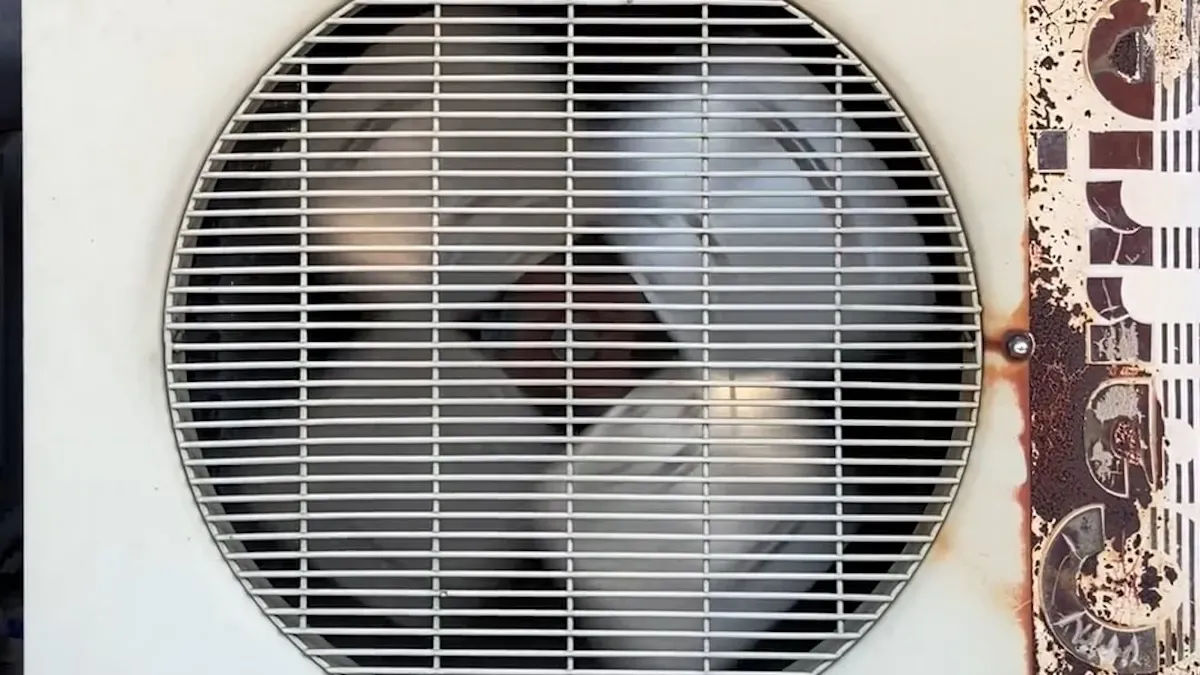
Heat Recovery Principles
A recuperative air preheater operates on the principle of heat recovery. This process involves transferring energy from hot exhaust gases to cooler incoming air. The main goal is to capture waste heat that would otherwise escape into the atmosphere and use it to improve the efficiency of industrial heating systems. Several types of heat recovery mechanisms exist:
Radiative recuperators use radiation to transfer heat, but they often have lower efficiency and require regular maintenance.
Convective recuperators rely on a tube bundle to exchange heat at lower exhaust temperatures, though high temperatures can shorten their lifespan.
Hybrid recuperators combine both radiative and convective methods to boost heat transfer efficiency.
Compared to other heat recovery technologies, the plate-type passive air preheater stands out. Its design provides a large heat transfer area, which increases the amount of heat recovered. This approach also reduces the risk of cross-contamination between air streams, making it suitable for a wide range of industrial applications.
Air Preheating Process
The air preheating process in industrial heating systems follows a series of steps to ensure safe and efficient operation:
Operators start secondary regenerative air pre-heaters if available.
They activate induced draft (ID) fans and confirm that inlet and outlet dampers open.
Forced draft (FD) fans begin operation, and their outlet dampers open as well.
The flow through ID and FD fans is adjusted to allow a purge air flow of at least 30% of the total air flow.
The furnace undergoes a purge to remove any residual gases or particulates.
By preheating incoming air with exhaust gases, the system achieves several benefits. Preheated air entering the combustion chamber can reach temperatures between 200°C and 400°C. This increase in temperature can improve combustion efficiency by 15% or more. The process also stabilizes thermal loads, reduces rapid heating cycles, and minimizes thermal stress on critical components. As a result, equipment experiences less metal fatigue, fewer unplanned shutdowns, and longer service life. The table below summarizes these impacts:
Evidence Description | Impact on System Performance |
|---|---|
Preheating air to 200–400°C can increase combustion efficiency by 15%+ | Enhances combustion efficiency, leading to better fuel utilization and reduced operational costs. |
Stabilizes thermal loads and reduces rapid heating cycles | Minimizes thermal stress on critical components, extending their lifespan and reducing maintenance needs. |
Reduces thermal cycling and associated metal fatigue | Lowers the risk of equipment failure, contributing to more reliable operations. |
Decreases unplanned downtime and maintenance frequency | Improves overall system reliability and efficiency, leading to cost savings. |
Extends service life of HVAC and combustion systems by 20–40% | Reduces replacement costs and enhances long-term operational efficiency. |
Helps meet environmental regulations by reducing fuel use and emissions | Supports compliance with tightening global emissions standards, improving corporate sustainability image. |
Plate Air Preheater Technology
Shanghai Heat Transfer’s Plate Air Preheater represents advanced technology in the field of heat recovery. Its modular design allows for easy assembly, expansion, or disassembly, making it suitable for both new installations and retrofits. The unit can operate in either counterflow or crossflow configurations, which maximizes heat transfer between exhaust gases and incoming air.
Key features of this technology include:
Corrugated metal plates create alternating channels for hot and cold fluids, increasing the heat transfer surface area.
The wave-like pattern of the plates reduces contact points, allowing smooth flow of air and gases, which minimizes fouling and blockages.
Customizable plate materials and premium gaskets provide excellent resistance to corrosion and fouling, ensuring long-term reliability.
The modular structure supports scalability, so facilities can expand capacity by adding more plates or units as needed.
Tip: Facilities with limited space benefit from the compact footprint of the Plate Air Preheater, which integrates easily with existing systems.
These design elements deliver several operational advantages. The system achieves high thermal efficiency, reduces fuel consumption, and lowers greenhouse gas emissions. For every 18°C reduction in exhaust temperature, energy efficiency improves by about 1%. Maintenance professionals appreciate the ease of cleaning and service, which reduces downtime and extends equipment life. The Plate Air Preheater from Shanghai Heat Transfer stands out as a reliable, efficient, and environmentally responsible choice for modern industrial heating needs.
Benefits of Recuperative Air Preheaters
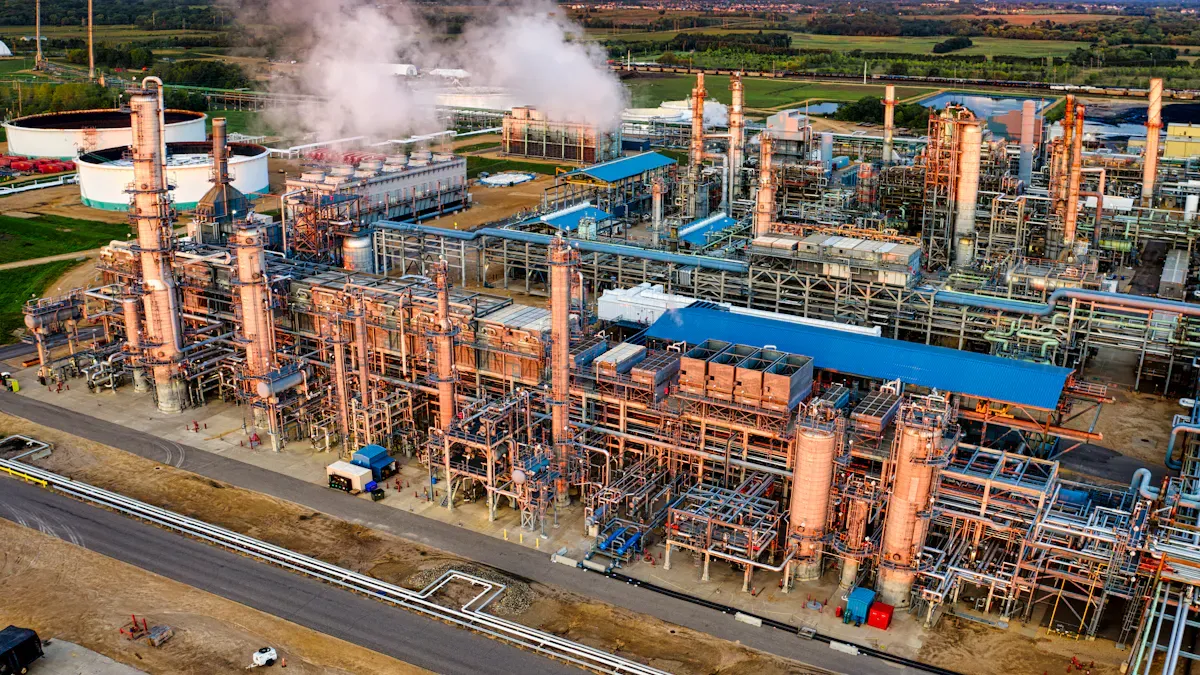
Energy and Cost Savings
Recuperative air preheaters deliver significant energy and cost savings for industrial heating systems. These devices recover waste heat from exhaust gases and transfer it to incoming air. This process increases thermal efficiency and reduces fuel consumption. Facilities that install a recuperative air preheater often see a direct improvement in their energy bills. For every 18°C reduction in exhaust temperature, energy efficiency rises by about 1%. Operators notice lower fuel costs and improved combustion performance.
Shanghai Heat Transfer’s Plate Air Preheater stands out for its compact design and modular structure. Maintenance teams appreciate the low maintenance requirements and corrosion-resistant materials. The unit fits easily into existing systems, saving space and installation costs.
The following table compares recuperative air preheaters with other energy-saving technologies:
Aspect | Recuperative Air Preheaters | Other Energy-Saving Technologies |
|---|---|---|
Initial Investment Range | $2,000 to $15,000 | $20,000 to $100,000 |
Typical Payback Period | 2 to 7 years | Varies, often longer |
Energy Savings Potential | $5,000 to $50,000 annually | Varies significantly |
Facilities benefit from a shorter payback period and lower initial investment. The Plate Air Preheater offers a reliable solution for companies seeking fast returns and long-term savings.
Environmental Impact
Recuperative air preheaters help industries reduce their environmental footprint. By recovering waste heat, these devices lower greenhouse gas emissions and decrease thermal pollution. The Plate Air Preheater supports cleaner operations by filtering airborne pollutants and minimizing particulate release.
The installation of recuperative air preheaters in cryogenic air separation units can lead to a reduction in annual CO2 emissions by 16 to 31 kilotons.
Operators also see a decrease of up to 187 tons of other major gaseous pollutants each year.
Annual power consumption drops by 23 to 33 GWh, resulting in a 6.7% to 9.4% reduction.
Shanghai Heat Transfer’s Plate Air Preheater uses corrosion-resistant materials and advanced sealing methods. These features ensure long-term reliability and compliance with environmental standards. Facilities that choose this technology support sustainability and meet regulatory requirements.
System Performance
Recuperative air preheaters improve system performance in several ways. They stabilize thermal loads and reduce rapid heating cycles. Equipment experiences less metal fatigue and fewer unplanned shutdowns. Operators report longer service life for boilers, furnaces, and reactors.
The Plate Air Preheater’s modular design allows easy customization for different applications. Its corrugated plate structure maximizes heat transfer and minimizes fouling. Maintenance teams benefit from easy cleaning and low-noise operation.
The table below compares rotary regenerative and fixed recuperative air preheaters:
Type of Air Preheater | Advantages | Disadvantages |
|---|---|---|
Rotary Regenerative | Smaller footprint, lower installed cost, replaceable heat transfer surfaces | Leakage issues, potential for fires, limited cold-end temperature due to leakage |
Fixed Recuperative | Lower leakage, reduced cold-end corrosion risk, newer designs fit similar footprint | Larger and heavier, potentially higher foundation costs, sealing methods vary in effectiveness |
Shanghai Heat Transfer’s Plate Air Preheater combines the best features of fixed recuperative designs. It offers low leakage, corrosion resistance, and a compact footprint. Facilities achieve reliable performance and operational efficiency.
Facilities seeking to optimize energy use and reduce emissions should consider the Plate Air Preheater from Shanghai Heat Transfer. This technology delivers proven benefits for energy savings, environmental protection, and system reliability.
Industrial Applications and Brand Recommendation
Key Industries and Uses
Many industries rely on recuperative air preheater technology to optimize energy use and reduce emissions. The following table shows where these systems deliver the most value:
Industry | Primary Applications |
|---|---|
Power Generation | Power generation processes |
Chemical | Various industrial processes |
Oil & Gas | Industrial applications |
Operators in power plants use air preheaters to boost efficiency in boilers and turbines. Chemical manufacturers install these systems to improve reactor performance and reduce fuel demand. Oil and gas facilities depend on air preheaters for furnaces and fired heaters.
Case Examples
Facilities report measurable improvements after installing recuperative air preheaters. The table below highlights documented benefits:
Benefit | Description |
|---|---|
Reliable VOC and odor removal | Achieved ≥ 99% efficiency in destroying roasting exhaust emissions, improving air quality. |
Stable operation with minimal maintenance | System tolerates particulate matter without frequent cleaning, reducing downtime and maintenance costs. |
Energy savings | Preheating incoming air reduces external fuel demand, lowering operating costs. |
Regulatory compliance | Helps meet air-quality and emissions standards in the food/roasting industry. |
Increased operational throughput | Production reportedly increased by ~15% while maintaining emissions compliance after installation. |
Small and medium-sized enterprises sometimes face barriers such as high initial costs, installation complexity, and economic uncertainties. Government incentives help reduce capital expenditure and encourage adoption. Regulations mandate energy efficiency standards, driving industries to invest in advanced technologies.
Why Choose Shanghai Heat Transfer
Shanghai Heat Transfer’s Plate Air Preheater offers unmatched customization and durability. The modular design adapts to diverse system requirements. Facilities benefit from corrosion-resistant materials and low maintenance needs. The compact structure fits easily into existing layouts, saving valuable space. Operators achieve reliable performance and compliance with environmental standards. Government support and market awareness further enhance the value of this solution. Shanghai Heat Transfer stands as a trusted partner for industries seeking sustainable, efficient heating systems.
Facilities looking to improve energy efficiency and meet regulatory demands should consider Shanghai Heat Transfer’s Plate Air Preheater for their next project.
Recuperative air preheater technology stands as a cornerstone for modern industrial heating. Facilities benefit from improved energy efficiency, reduced fuel consumption, and minimized environmental impact.
Capturing waste heat from flue gases boosts operational sustainability.
Lowering emissions supports compliance with global regulations.
Enhanced durability and advanced design drive long-term cost savings.
Benefit | Description |
|---|---|
Energy Efficiency | Waste heat recovery increases combustion performance. |
Cost Savings | Reduced fuel use lowers operational expenses. |
Emission Reductions | Cleaner processes help industries meet sustainability targets. |
Technological Advances | Innovations improve reliability and system integration. |
Industry trends show rapid adoption of these systems, especially in Asia-Pacific. Decision-makers seeking optimal solutions should consult Shanghai Heat Transfer for customized Plate Air Preheater options.
FAQ
What is a recuperative air preheater?
A recuperative air preheater is a heat exchanger. It transfers heat from exhaust gases to incoming air. This process increases energy efficiency and reduces fuel use in industrial heating systems.
How does the Plate Air Preheater from Shanghai Heat Transfer improve efficiency?
The Plate Air Preheater uses corrugated metal plates to maximize heat transfer. Its modular design allows easy customization. Facilities see lower fuel costs and reduced emissions after installation.
Which industries benefit most from recuperative air preheaters?
Industries such as oil and gas, metallurgy, and chemical processing gain the most. These sectors use high-temperature processes and require efficient energy recovery.
What maintenance does the Plate Air Preheater require?
Maintenance teams appreciate the Plate Air Preheater’s corrosion-resistant materials and easy-to-clean design. Routine inspections and occasional cleaning keep the system running efficiently.
Why choose Shanghai Heat Transfer’s Plate Air Preheater?
Shanghai Heat Transfer offers advanced technology, reliable performance, and strong environmental compliance. Their Plate Air Preheater adapts to many applications and supports long-term operational savings.