Ranking the 5 Most Affordable Home Elevators
The search for an affordable home mobility solution presents several leading models. Homeowners can find a cheap residential elevator that balances cost-effectiveness with modern functionality. Industry analysis identifies the following five options as top contenders for value:
- AmeriGlide Hercules Hybrid VPL
- Stiltz Duo Classic
- Nibav Series II
- Savaria K2
- Pneumatic Vacuum Elevators (PVE) PVE30
Each model offers a distinct combination of features, space requirements, and pricing.
1. AmeriGlide Hercules Hybrid VPL
The AmeriGlide Hercules Hybrid VPL leads the market in affordability. It functions as a hybrid between a traditional elevator and a vertical platform lift (VPL). This design provides accessibility without the extensive construction needs of a conventional elevator. The model is a practical choice for homeowners seeking a straightforward mobility solution on a tight budget.
Estimated Cost
The AmeriGlide Hercules Hybrid VPL has a starting price of $14,999.00. This base price positions it as one of the most budget-friendly options available. Homeowners should note that this figure does not include shipping, installation, or any optional customizations. Final costs will vary based on home layout, local labor rates, and any added features. Obtaining a detailed quote from a certified installer is essential for accurate budget planning.
Space Requirements
This model offers exceptional space efficiency. It does not require a separate machine room or a fully enclosed hoistway, which significantly reduces the construction footprint and associated costs.
The Hercules Hybrid VPL is designed for minimal structural impact. It can often be installed adjacent to a wall or in a corner with very little modification to the existing home structure.
Its compact design makes it suitable for homes where space is a primary concern. The lift travels on a self-contained tower, simplifying the installation process.
Key Features & Safety
The Hercules Hybrid VPL balances its low cost with a strong set of essential features. Its screw drive system is reliable and requires minimal maintenance. The platform is built to accommodate a wheelchair, offering a practical solution for mobility challenges. Key safety mechanisms are standard.
- Emergency Stop Button: Allows for immediate stops if needed.
- Battery Backup: Ensures the lift remains operational during a power outage. 🔋
- Non-Skid Platform: Provides a secure surface for entry and exit.
- Safety Sensors: Underpan sensors stop the lift if an obstruction is detected.
These features ensure the lift provides safe, dependable vertical transportation.
Pros & Cons
Evaluating the AmeriGlide Hercules Hybrid VPL requires a clear understanding of its advantages and limitations. Homeowners find its value proposition compelling, but they must weigh it against its functional design. The model prioritizes affordability and accessibility over luxury and advanced features. A direct comparison highlights its specific strengths and trade-offs.
| Pros 👍 | Cons 👎 |
|---|---|
| Unmatched Affordability | Basic Aesthetics |
| Minimal Structural Impact | Slower Travel Speed |
| Low Space Requirement | Open Platform Design |
| Wheelchair Accessible | Limited Customization Options |
| Reliable Screw Drive System | Potential for Higher Noise Levels |
The primary advantage of the Hercules Hybrid VPL is its exceptional cost-effectiveness. Its low starting price makes home accessibility a reality for many on a tight budget. The design requires no machine room or hoistway, which drastically reduces the installation footprint and construction costs. This makes it an ideal solution for retrofitting into existing homes where space is a premium. Its reliable screw drive and standard safety features provide dependable operation.
On the other hand, the model's focus on function results in a more utilitarian appearance. Homeowners seeking seamless aesthetic integration with high-end interiors might find the design too basic. The screw drive system, while reliable, operates at a slower speed compared to hydraulic or vacuum elevators. Furthermore, the open platform style does not offer the same privacy or enclosed feel as a traditional elevator cab.
Expert Tip: The Hercules Hybrid VPL is best suited for homeowners who prioritize functional, budget-friendly mobility over speed and luxury design. It solves a direct accessibility need with minimal financial and structural investment.
2. Stiltz Duo Classic
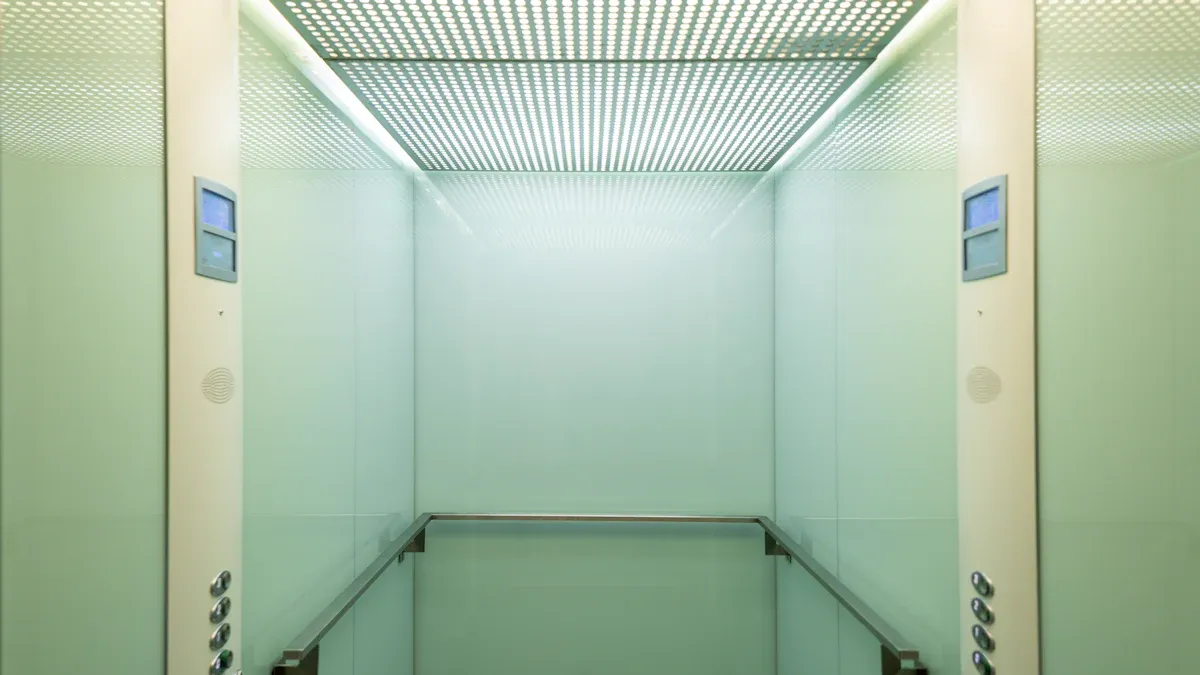
The Stiltz Duo Classic offers a sophisticated blend of style and functionality. It is a popular choice for homeowners seeking a modern aesthetic with minimal home modification. This elevator travels on self-supporting rails, eliminating the need for a traditional hoistway. Its compact and elegant design allows it to integrate seamlessly into a home's existing decor.
Estimated Cost
The Stiltz Duo Classic typically has a starting price between $20,000 and $25,000. This price point reflects its advanced design and engineering. The final cost will depend on the home's specific layout, travel height, and any chosen customizations. Homeowners should always secure a comprehensive quote from a certified dealer to account for installation and site-specific requirements.
Space Requirements
This model is renowned for its exceptionally small footprint. It requires less than seven square feet of surface area, making it one of the most space-efficient elevators on the market. The design does not require a pit, machine room, or supporting walls.
The elevator's unique dual-rail system allows it to be installed almost anywhere in the home. It can fit discreetly in a corner, in a closet, or even in the void of a turning staircase.
This flexibility significantly reduces the scope and cost of construction, making it an ideal retrofit solution for existing two-story homes.
Key Features & Safety
The Stiltz Duo Classic is powered by a quiet electric motor housed discreetly on top of the cab. Its standard half-height door and clear polycarbonate body create an open, airy feel. Safety is a core component of its design, with multiple mechanisms ensuring secure operation.
Key safety systems include:
- Battery Backup System: Every Stiltz elevator includes a built-in battery backup. If a power outage occurs, this system automatically activates, allowing the elevator to descend gently to the lower floor for a safe exit. 🔋
- Obstruction Sensors: Sensors located above and below the cab will stop the elevator if an obstruction is detected.
- Full-Height Light Curtain: This feature acts as a sensor wall, immediately stopping the lift if the light beam is broken.
- Overload Protection: The elevator will not operate if it exceeds its maximum weight capacity of 375 lbs.
Pros & Cons
Homeowners considering the Stiltz Duo Classic should weigh its innovative design against its specific capacity and feature set. The elevator presents a compelling case for modern homes but may not suit every user's needs. A direct comparison clarifies its primary benefits and potential drawbacks.
| Pros 👍 | Cons 👎 |
|---|---|
| Minimalist, Elegant Design | Lower Weight Capacity (375 lbs) |
| Extremely Small Footprint | Not Wheelchair Accessible |
| No Hoistway or Machine Room | Higher Price Than VPLs |
| Fast, Less Disruptive Installation | Half-Height Door is Standard |
| Quiet Electric Motor | Slower Than Hydraulic Systems |
The Stiltz Duo Classic's main advantage is its sophisticated engineering. Its innovative dual rail technology creates a self-supporting structure. This design means the elevator bears its own load, placing no extra weight burden on the home. This feature eliminates the need for a load-bearing wall, a pit, or a separate machine room, which dramatically reduces construction complexity and cost. The elevator's unique guide system allows for installation in more diverse locations, such as the corner of a room or within a stairwell, making it an excellent choice for retrofitting. The result is a faster, less disruptive installation process. ✨
On the other hand, the Duo Classic has certain limitations. Its maximum weight capacity is 375 pounds, and the cab is designed for one or two standing passengers, making it unsuitable for wheelchair users. Homeowners requiring wheelchair accessibility would need to consider Stiltz's larger "Trio" model. While the standard half-height door enhances the sense of space, some users may prefer the security of a full-height door, which is available as an upgrade. Its price point, while competitive for its category, is notably higher than basic VPL models.
Expert Tip: The Stiltz Duo Classic is an ideal solution for homeowners who value aesthetic integration and minimal construction. It perfectly suits those needing passenger transport without wheelchair accessibility in a modern, two-story home.
3. Nibav Series II
The Nibav Series II introduces innovative air-driven technology to the residential elevator market. This model operates on the principles of pneumatics, using a vacuum system to lift and lower the cab. It stands out for its futuristic, panoramic glass design and its commitment to eco-friendly operation. Homeowners often choose this model for its blend of modern aesthetics and sustainable engineering.
Estimated Cost
The estimated starting price for a Nibav Series II elevator falls between $25,000 and $35,000. This price includes the self-contained elevator unit. Final costs will increase with installation, shipping, and any optional customizations a homeowner selects. As with any major home improvement, obtaining a detailed quote from an authorized dealer is crucial for accurate financial planning.
Space Requirements
The Nibav Series II is a self-supporting structure, which dramatically minimizes its impact on a home's architecture. It does not require a pit, hoistway, or separate machine room. Its compact, circular design allows for flexible placement within an existing home.
Note: Because the elevator is a standalone unit, it requires no modifications to existing structural walls. This feature significantly reduces the complexity, time, and cost associated with installation.
The elevator's modular construction makes it an excellent choice for retrofitting into tight spaces where traditional elevators would not fit.
Key Features & Safety
The core of the Nibav Series II is its pneumatic drive system. This technology uses air pressure to generate movement, eliminating the need for messy oils or lubricants. The elevator runs on standard single-phase power, plugging directly into a regular wall outlet. Its 360-degree glass cabin provides stunning panoramic views and a feeling of openness.
Safety remains a top priority in its design. The elevator includes several redundant safety systems for reliable operation.
- Automatic Emergency Lowering: During a power failure, the elevator cab automatically and safely descends to the ground floor.
- Door Interlocks: The elevator will not move unless the doors are securely closed and locked.
- Alarm System: An in-cab alarm button allows users to call for assistance if needed.
- Overload Sensors: The system prevents operation if the weight capacity is exceeded, ensuring structural integrity. ⚙️
Pros & Cons
Homeowners must weigh the Nibav Series II's advanced technology and aesthetic appeal against its functional parameters. The elevator's unique air-driven system presents a distinct set of advantages and trade-offs compared to more conventional models. A clear comparison helps clarify its position in the market.
| Pros 👍 | Cons 👎 |
|---|---|
| Futuristic Panoramic Design | Higher Initial Cost |
| No Pit or Machine Room Needed | Slower Travel Speed |
| Eco-Friendly Air-Driven System | Potential for Operational Noise |
| Low Power Consumption | Limited Weight Capacity |
| Minimal Structural Impact | Not Designed for Wheelchairs |
The greatest strength of the Nibav Series II is its self-contained, elegant design. The elevator is its own structure, requiring no hoistway construction, pit excavation, or separate machine room. This feature makes it an outstanding choice for retrofitting into existing homes, as it minimizes disruption and construction costs. Its pneumatic technology is also a major benefit. The system operates without oils or lubricants, making it a clean, eco-friendly option. Furthermore, it runs on single-phase power, consuming energy only during ascent, which keeps utility costs low. 🌿
On the other hand, this advanced technology comes at a higher price point than basic VPL or screw-drive models. The pneumatic drive system, while innovative, results in a slower travel speed compared to hydraulic elevators. The vacuum pump that powers the lift can also generate noise, a factor homeowners must consider when choosing an installation location. Finally, the standard Series II model has a modest weight capacity and a compact cabin. This design is not suitable for users who require wheelchair accessibility.
Expert Tip: The Nibav Series II is an excellent fit for homeowners who prioritize modern aesthetics and sustainable technology. It offers a high-tech, visually stunning mobility solution for passenger transport in homes where major construction is not feasible.
4. Savaria K2
The Savaria K2 is a straight stairlift, offering a highly affordable and practical mobility solution for homes with a single, straight staircase. Unlike a traditional elevator, a stairlift transports a user along the stairs on a seated chair. This model is known for its reliability, compact design, and straightforward installation, making it a top choice for homeowners who need a simple, non-invasive way to navigate between two floors.
Estimated Cost
The Savaria K2 is one of the most budget-friendly options on the market, with a typical price range between $3,000 and $5,000. This cost generally includes the unit and standard installation. The final price can vary based on the length of the staircase and any optional features selected. Its low price point makes safe home accessibility attainable for many households.
Space Requirements
This stairlift excels in space efficiency. The unit does not require any structural modifications, as the rail mounts directly to the stair treads rather than the wall. This minimizes installation time and impact on the home.
The Savaria K2 features a slim profile with a fold-up seat, armrests, and footrest. When not in use, it folds away neatly, leaving the staircase clear for others to use.
This compact design is ideal for narrow stairways and homes where preserving space is a priority.
Key Features & Safety
The Savaria K2 operates on a dependable rack and pinion drive system, providing a smooth and stable ride. The chair is controlled by a simple toggle switch on the armrest, making it easy for the user to operate. Safety is a fundamental aspect of its design, with multiple features ensuring a secure journey. ⚙️
- Obstruction Sensors: The carriage and footrest have sensors that automatically stop the chair if they detect an obstacle on the stairs.
- Retractable Seat Belt: A seat belt provides security for the passenger during travel.
- Overspeed Governor: This mechanism prevents the chair from descending too quickly.
- Swivel and Lock Seat: The seat swivels and locks at the top landing, allowing the user to get on and off safely away from the stairs.
- Anti-Slip Footrest: A textured footrest ensures stable footing for the user.
Pros & Cons
Homeowners should evaluate the Savaria K2's focused functionality against its limitations. The model provides an excellent solution for a specific need, but it is not a comprehensive mobility product like a traditional elevator. A direct comparison reveals its strengths and trade-offs.
| Pros 👍 | Cons 👎 |
|---|---|
| Highly Affordable | Only for Straight Staircases |
| No Structural Modifications | Not Wheelchair Accessible |
| Extremely Space-Efficient | Limited to Single-Person Use |
| Fast, Simple Installation | Does Not Add Resale Value |
| Reliable and Easy to Use | Slower Than an Elevator |
The Savaria K2’s most significant advantage is its low cost. It makes home accessibility possible for a fraction of the price of any elevator. The installation process is fast and non-invasive. Technicians mount the rail directly onto the stair treads, avoiding any damage or changes to the home's walls. Its foldable design is another key benefit. The chair, arms, and footrest fold up compactly, keeping the stairway open for foot traffic. This makes it an ideal choice for households with multiple users who do not all require the lift.
However, the model has clear limitations. The unit's design restricts it to straight staircases; it cannot navigate landings or curves. Homeowners with curved stairs would need to explore more expensive, custom-curved stairlift models. The K2 is a seated lift, so it cannot accommodate a wheelchair or a walker. Its function is strictly to transport one seated person between two floors. Unlike a permanent elevator installation, a stairlift typically does not increase a home's resale value.
Expert Tip: The Savaria K2 is the premier choice for homeowners needing a safe, reliable, and extremely budget-friendly solution for a straight staircase. It solves a direct mobility challenge with minimal cost and home disruption.
5. Pneumatic Vacuum Elevators (PVE) PVE30
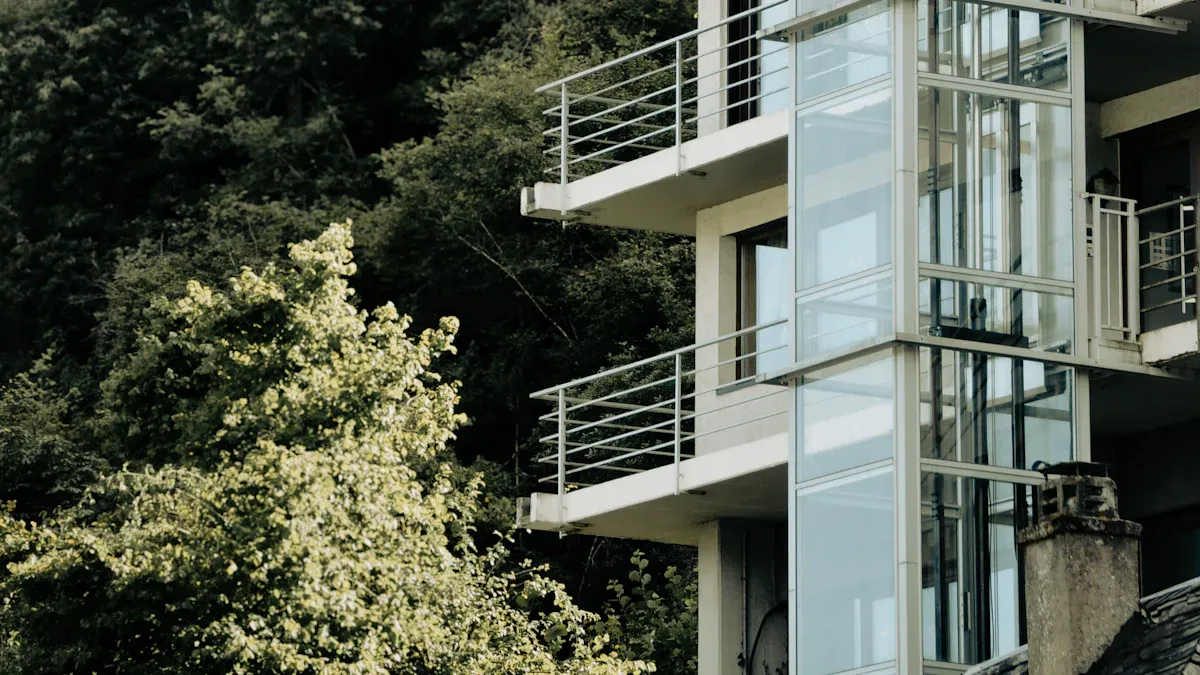
Pneumatic Vacuum Elevators (PVE) offer a truly futuristic mobility solution. The PVE30 is the company's most compact and affordable model, designed specifically for single-passenger use. This air-driven elevator stands out with its transparent, tube-like structure, providing a 360-degree panoramic view during travel. It operates without cables or pistons, using changes in air pressure to ascend and descend smoothly. Its innovative technology and sleek design make it a popular choice for modern, style-conscious homeowners.
Estimated Cost
The PVE30 is a premium, high-tech product. Homeowners can expect a starting price between $35,000 and $45,000. This price typically covers the elevator unit itself. The final investment will include shipping, professional installation, and any site-specific preparations. Securing a detailed quote from a certified PVE dealer is essential for creating an accurate project budget.
Space Requirements
The PVE30 excels in space efficiency. It is a self-contained unit that requires no hoistway, pit, or separate machine room. This design drastically reduces the need for disruptive and costly construction. The elevator can be installed directly on an existing floor, making it ideal for retrofitting.
Its minimal footprint is one of its greatest assets. The elevator is designed for tight spaces where other models simply cannot fit.
Key space details include:
- External cylinder diameter: 30 inches (750 mm)
This compact dimension allows for flexible placement in closets, corners, or through a floor cutout.
Key Features & Safety
The PVE30’s core feature is its pneumatic vacuum drive system. The elevator uses turbines to create a vacuum that lifts the cab and slowly releases pressure for a gentle descent. This eco-friendly system consumes minimal energy. The fully transparent cab offers an unparalleled visual experience. Safety is integral to the design. The elevator is certified under ASME A17.7, confirming its adherence to stringent safety codes. Mechanical brakes automatically engage in the rare event of a power failure, locking the cab securely in place. It also includes an in-cab alarm and telephone for communication. 📞
Pros & Cons
Homeowners should carefully weigh the PVE30's cutting-edge technology and design against its specific functional limitations. The elevator's unique pneumatic system offers a distinct set of benefits and trade-offs when compared to more traditional models. A direct comparison clarifies its market position.
| Pros 👍 | Cons 👎 |
|---|---|
| Stunning Panoramic Design | High Initial Investment |
| Extremely Small Footprint | Single-Passenger Capacity Only |
| No Pit or Machine Room | Not Wheelchair Accessible |
| Eco-Friendly Operation | Slower Travel Speed |
| Minimal Construction Impact | Premium Price Point |
The PVE30’s most celebrated advantage is its futuristic aesthetic. The transparent panoramic lift provides 360-degree visibility inside the house. This design, using strong polycarbonate panels, offers passengers panoramic views while traveling. It creates an airy and less claustrophobic feel, alleviating the sense of being enclosed that many conventional elevators can cause. The elevator is also a self-supporting unit. This feature eliminates the need for a pit, hoistway, or machine room, drastically reducing construction complexity and making it perfect for retrofitting. Its air-driven system is eco-friendly, consuming very little power. 🌿
However, the elevator has significant limitations. Its primary drawback is the high initial cost, placing it firmly in the premium category. The PVE30 is designed exclusively for a single standing passenger. Its compact cabin and 350 lb weight capacity make it unsuitable for wheelchair users or individuals who need assistance from a caregiver during travel. The pneumatic drive system, while innovative, operates at a slower speed than hydraulic or traction elevators. Homeowners must consider these functional constraints against the model's powerful visual appeal and advanced engineering.
Expert Tip: The PVE30 is the ultimate choice for homeowners who prioritize high-tech style and a minimal installation footprint over capacity and speed. It is an ideal single-person mobility solution for a modern home.
Factors for Choosing a Cheap Residential Elevator
Selecting the right cheap residential elevator involves more than just the sticker price. Homeowners must consider the drive system, construction needs, and future expenses. A comprehensive evaluation of these factors ensures a smart, long-term investment.
Drive System Types
The drive system is a primary driver of an elevator's cost and performance. Different technologies come with varied price points and operational benefits. For instance, hydraulic and chain-drive systems often have a lower initial equipment cost, while advanced pneumatic elevators typically start at a higher price. Energy efficiency also varies significantly.
| Feature | Pneumatic Elevators | Hydraulic Elevators |
|---|---|---|
| Energy Use | More efficient; descent is powered by gravity. | Less efficient; requires a pump for movement. |
Choosing the right system is a crucial step in finding a cheap residential elevator that fits both a budget and a home's needs.
Installation & Construction
Installation complexity directly impacts the total project cost. Traditional elevators often require significant construction, including a pit and a separate machine room. This adds time and expense to the project.
Professional Insight: Building codes mandate specific safety features for traditional installations. These can include smoke detectors in elevator lobbies, as well as heat detectors and fire sprinklers within the elevator pit, all of which must be installed by certified professionals.
In contrast, self-contained units like pneumatic or rail-system elevators eliminate these requirements. While a full project can take 4 to 8 weeks from planning to completion, the on-site installation for these modern systems can be as fast as one to two days.
Long-Term Maintenance Costs
The initial purchase is only part of the financial picture. Regular maintenance is essential for safety and longevity, as most home elevators have a lifespan of 20 to 30 years. Annual service costs differ by drive type. A cheap residential elevator should have manageable upkeep expenses.
| Elevator Type | Average Annual Maintenance Cost |
|---|---|
| Pneumatic | $200–$700 |
| Traction | $300–$900 |
| Hydraulic | $400–$1,000 |
Pneumatic systems often have the lowest maintenance costs, making them an economical choice over the life of the unit.
Local Building Codes
Navigating local building codes is a critical step when installing any home elevator. Municipalities and states typically base their regulations on national safety standards to ensure resident safety. Homeowners must work with certified professionals who understand these complex requirements.
The primary standard governing private residence elevators in the United States is ASME A17.1/CSA B44 – Section 5.3. Most states have adopted this code. The latest edition, ASME A17.1/CSA B44–2022, dictates the design, construction, and installation of new elevators. A key rule from this standard requires that any residential elevator must be certified by an accredited third-party organization. This certification confirms the elevator meets all necessary safety protocols. Even a cheap residential elevator must comply with these rigorous standards.
The '3/4" & 4" Rule' A critical safety requirement from ASME A17.1 involves door clearances. This rule helps prevent accidents by limiting the space between the elevator and the landing.
- The gap between the hoistway side of a swing-style landing door and the landing sill cannot exceed 3/4 inch.
- The space between the elevator cab door and the hoistway landing door must not be more than 4 inches.
Adherence to these codes is not optional. A certified installer will ensure that your chosen cheap residential elevator meets all local mandates, from door gaps to electrical connections. This prevents potential fines and ensures the unit operates safely for years. Consulting with a local dealer early in the process helps align your project with all legal requirements, providing peace of mind and protecting your investment.
Homeowners find excellent value in different models based on their needs. The AmeriGlide Hercules Hybrid VPL is a strong contender for the smallest budgets and spaces. For a balance of modern design and minimal construction, the Stiltz Duo Classic offers a compelling choice. A home elevator can increase property value, but homeowners should consult local tax authorities and insurance providers about potential adjustments.
Final Tip: Always get multiple quotes from certified installers. This step confirms final pricing and ensures the chosen model is suitable for your home. ✅
FAQ
How long does home elevator installation take?
Installation time varies by elevator type. Self-contained units like pneumatic or rail-system models often take just a few days. Traditional elevators requiring a hoistway and machine room can take several weeks from start to finish. A certified installer provides the most accurate timeline for a specific project.
Does a home elevator increase property value?
Yes, a home elevator can increase property value. It significantly enhances a home's accessibility and appeal, especially in multi-level residences. This feature makes the property attractive to a wider range of buyers, including those with mobility needs, which can lead to a higher resale price. 📈
What is the typical lifespan of a residential elevator?
Most residential elevators have a lifespan of 20 to 30 years. The longevity of the unit depends heavily on the drive system, build quality, and adherence to a regular maintenance schedule. Professional annual servicing is crucial for ensuring safe, long-term operation and maximizing the investment.
Can a homeowner install an elevator themselves?
Homeowners should never attempt a DIY elevator installation. Elevators are complex machines that must adhere to strict safety codes (ASME A17.1).
Only a licensed and certified professional can ensure the unit is installed correctly, operates safely, and passes all required municipal inspections.
See Also
Comparing Leading Hospital Bed Elevators: Safety and Performance Insights
Simple Maintenance Routines to Avoid Costly Dumbwaiter Elevator Failures
Custom Cargo Lifts: Evaluating Benefits and Drawbacks for Your Enterprise
Essential Capsule Checkweighers for Buyers to Evaluate in the Year 2025
Six Must-Have Industrial Vacuum Cleaners for Every Modern Business