Raisin processing machine stories from real users pros and cons
Users share mixed experiences with each Raisin processing machine. Many praise consistent drying and automation. Others report frequent breakdowns and high energy consumption. Common compliments include improved output quality and faster processing. Frequent complaints mention maintenance challenges, uneven drying, and complex controls.
Common Raisin Processing Machine Types
Drum Dryers
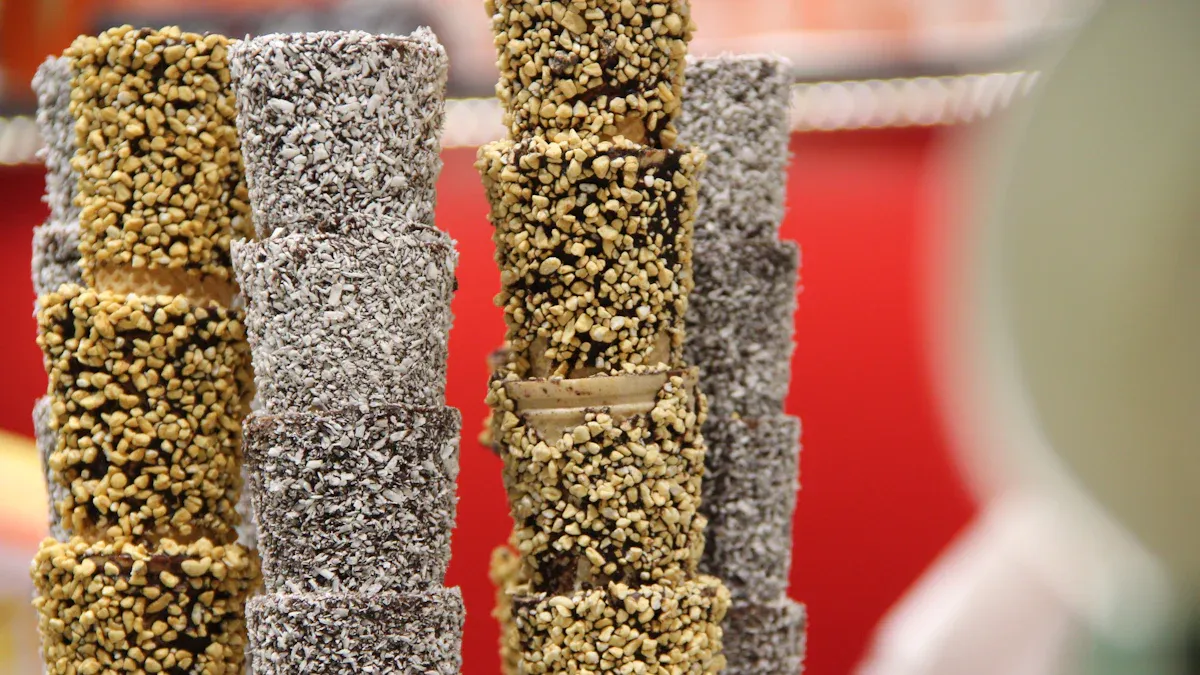
Drum dryers remain a staple in commercial raisin processing. Operators favor these machines for their ability to handle large volumes efficiently. The rotating drum exposes raisins to controlled heat, which speeds up moisture removal. Many facilities pair drum dryers with vibration feeders and centrifugal dewatering machines to streamline the workflow. Drum dryers often deliver consistent results, though some users note the need for regular maintenance.
Tunnel Dryers
Tunnel dryers offer a continuous drying process. Raisins move through a long chamber where hot air circulates evenly. This method supports high throughput and uniform drying. Facilities frequently use automatic belt dryers and air dewatering machines alongside tunnel dryers. Operators appreciate the automation and reduced labor requirements. Some report that tunnel dryers help maintain product quality across batches.
Microwave Dryers
Microwave dryers have gained popularity for their rapid drying capabilities. Users consistently rate these machines highly, citing improvements in drying speed and product quality. The combination of microwave and hot air drying enhances sensory attributes and reduces shrinkage. Microwave heating also minimizes microbial content, which preserves raisin quality. These machines suit operations that prioritize efficiency and premium output.
Tip: Microwave dryers can significantly reduce processing time while maintaining high product standards.
Sun Drying Machines
Sun drying machines replicate traditional methods with added automation. They use solar energy to dry raisins in controlled environments. However, operators face several limitations:
| Limitation Type | Description |
|---|---|
| Environmental Contamination | Risk of dust and insect infections during the drying process. |
| Physical Microbial Deterioration | Potential damage from rain affecting the quality of the raisins. |
| Color Deterioration | Intense solar radiation can lead to undesirable changes in color of the raisins. |
| Tedious Cleaning Process | Difficulty in removing contaminants like stones, soil, and dust during the cleaning phase. |
| Low Quality Raisins | Uncontrolled drying conditions can result in the production of raisins of inferior quality. |
Sorting and Cleaning Machines
Sorting and cleaning machines play a crucial role in raisin processing. These machines include raisin stems removing machines, specific gravity separators, bubble washing machines, and grading machines. Operators rely on them to remove debris, separate raisins by quality, and ensure a clean final product. Efficient sorting and cleaning improve overall output and reduce manual labor.
Raisin Processing Machine User Stories—Pros and Cons
Drum Dryers—User-Reported Pros
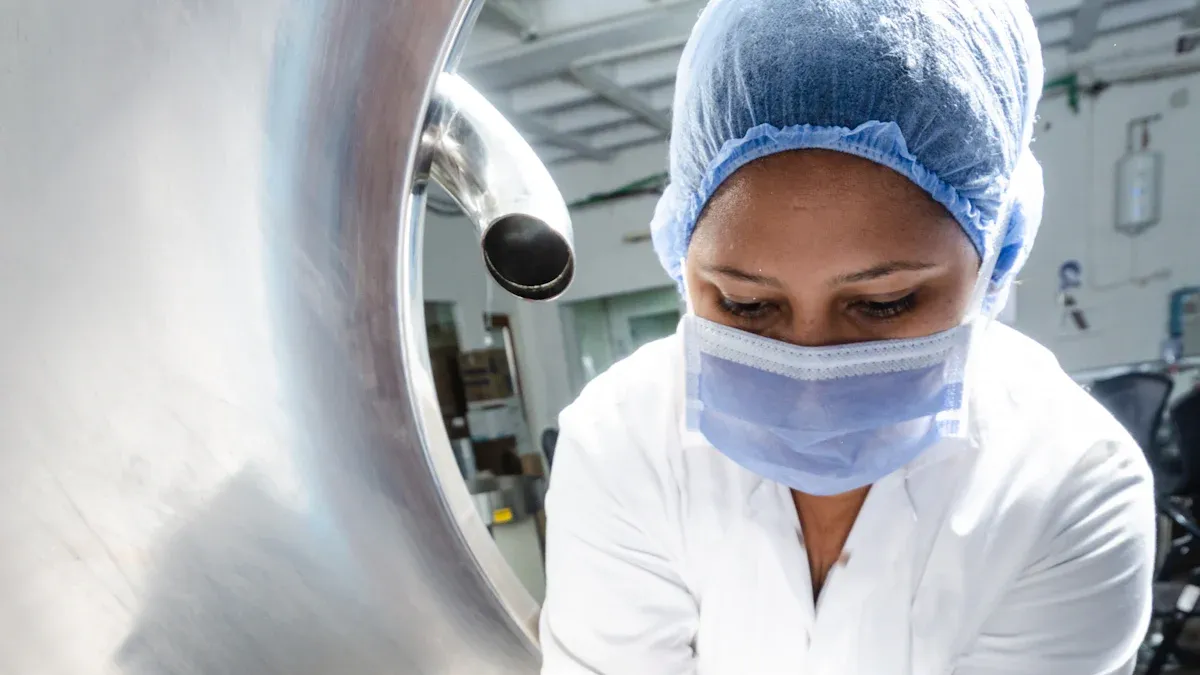
Users often highlight several advantages when operating drum dryers.
- Drum dryers dry anything, any-time, which gives operators flexibility in scheduling production.
- These machines save time and effort by automating the drying process.
- Many users notice that drum dryers help maintain a tidy and arranged workspace, as timely drying encourages regular cleaning and organization.
Drum Dryers—User-Reported Cons
Operators report some recurring issues with drum dryers.
- Running the dryer empty with heat can cause warping or deflection of the drum shell.
- Localized heating from an empty drum may lead to sagging and permanent deformation.
- Lack of maintenance can result in thinner spots, deformation, and cracks in the drum.
- Stopping the drum's rotation while it contains a hot load can damage the drum due to prolonged contact with heated material.
Drum Dryers—User Quotes
"The drum dryer lets us process large batches quickly, but we have to stay on top of maintenance to avoid costly repairs."
"If we forget to keep the drum moving, the shell can warp, and that means downtime for repairs."
Tunnel Dryers—User-Reported Pros
Tunnel dryers receive positive feedback for their performance. Users mention improved product quality and reduced drying time compared to traditional methods.
| Performance Metric | Advantage |
|---|---|
| Quality of Dried Products | Improved compared to traditional methods |
| Drying Time | Reduced significantly compared to open sun drying |
Tunnel Dryers—User-Reported Cons
Some users express concerns about tunnel dryers.
- Operators sometimes struggle with high initial investment costs.
- Maintenance can become complex due to the number of moving parts.
- Occasional uneven drying occurs if airflow is not properly balanced.
Tunnel Dryers—User Quotes
"Tunnel dryers give us consistent results, but the upfront cost was a challenge for our small operation."
"We had to adjust the airflow several times before we achieved uniform drying across all trays."
Microwave Dryers—User-Reported Pros
Microwave dryers stand out for their efficiency and quality preservation.
| Pros of Microwave Dryers | Description |
|---|---|
| Faster drying times | Microwave dryers significantly reduce the time required for drying materials. |
| Better quality preservation | They help maintain the quality of thermally sensitive materials. |
| Synergy with other techniques | Microwaves can complement other drying methods for enhanced results. |
Microwave Dryers—User-Reported Cons
Operators encounter several operational challenges with microwave dryers.
| Issue | Troubleshooting Steps |
|---|---|
| Uneven Drying | Ensure even material spread, adjust power settings, and check conveyor speeds. |
| Burning or Overheating | Reduce microwave power, increase conveyor speed, and monitor moisture content. |
| Machine Stops Unexpectedly | Inspect for blockages, check sensors and safety interlocks, and examine electrical connections. |
| Inconsistent Performance | Recalibrate sensors, clean components regularly, and ensure uniform moisture levels in materials. |
| Particulate Buildup | Increase cleaning frequency and use appropriate filters and ventilation to minimize dust accumulation. |
Microwave Dryers—User Quotes
"Microwave dryers cut our processing time in half, and the raisins retain their color and texture."
"We had some issues with uneven drying at first, but adjusting the conveyor speed solved most problems."
Sun Drying Machines—User-Reported Pros
Users appreciate the simplicity and cost-effectiveness of sun drying machines.
| Type of Dryer | Pros |
|---|---|
| Direct Exposure Dryer | Easy to build, inexpensive, requires minimal materials. |
| Solar Collector Dryer | Provides better airflow, prevents overheating, and dries food more evenly. |
Sun Drying Machines—User-Reported Cons
Operators note several drawbacks with sun drying machines.
| Type of Dryer | Cons |
|---|---|
| Direct Exposure Dryer | Can overheat, leading to nutrient loss or uneven drying. Works best in dry climates with stable sun exposure. |
| Solar Collector Dryer | Slightly more complex to build but delivers far superior results. |
Sun Drying Machines—User Quotes
"A solar food dehydrator is a great way to maintain a nutritious and tasty supply of high quality, locally grown foods all year long. A good dehydrator will produce outstanding results, along with the satisfaction of saving energy and money by harnessing the power of the sun."
"Well, it doesn’t taste like the fresh food for sure."
"Since there is really no liquid in dehydrated fruits and veggies, you have to compensate with drinking water that you would have otherwise gotten from eating fresh fruit/vegetable."
"There is certainly some loss in the nutritive value such as Vitamin C and A."
Sorting and Cleaning Machines—User-Reported Pros
Operators rely on sorting and cleaning machines to improve raisin quality.
- These machines remove stems, stones, and other debris efficiently.
- Specific gravity separators and bubble washing machines help grade and clean raisins, reducing manual labor.
- Grading machines ensure a consistent final product.
Sorting and Cleaning Machines—User-Reported Cons
Users mention a few challenges with sorting and cleaning machines.
- Some machines require frequent calibration to maintain accuracy.
- Maintenance can be time-consuming due to the complexity of moving parts.
- Occasional jams or blockages slow down production.
Sorting and Cleaning Machines—User Quotes
"Our raisin processing machine includes a gravity separator and bubble washer. These components keep our product clean and consistent."
"We spend extra time calibrating the grading machine, but the results are worth it."
"Sometimes the stem remover jams, but regular cleaning helps prevent major issues."
Raisin Processing Machine Pros and Cons Table
The following table summarizes the main advantages and disadvantages reported by users for each type of raisin processing machine. This overview helps operators compare options and identify which machine best suits their production needs.
| Machine Type | Pros | Cons |
|---|---|---|
| Drum Dryers | High capacity, consistent drying, automated workflow | Requires frequent maintenance, risk of drum warping, potential for uneven heating |
| Tunnel Dryers | Uniform drying, reduced labor, improved product quality | High initial cost, complex maintenance, occasional airflow issues |
| Microwave Dryers | Fast drying, preserves color and texture, reduces microbial content | Uneven drying, risk of overheating, requires careful calibration |
| Sun Drying Machines | Low cost, energy efficient, simple operation | Vulnerable to contamination, weather dependent, loss of nutrients |
| Sorting & Cleaning Machines | Efficient debris removal, consistent grading, reduces manual labor | Needs regular calibration, time-consuming maintenance, risk of jams |
Note: Operators should evaluate each raisin processing machine based on their facility size, budget, and desired output quality. User experiences highlight the importance of regular maintenance and proper calibration to maximize machine performance.
- Drum dryers suit large-scale operations seeking automation.
- Tunnel dryers offer uniform results for facilities with higher budgets.
- Microwave dryers deliver speed and quality for premium products.
- Sun drying machines provide a cost-effective solution for small producers.
- Sorting and cleaning machines ensure product consistency and safety.
Choosing the right machine requires careful consideration of these factors. User stories reveal that no single machine fits every need, but understanding the pros and cons helps operators make informed decisions.
Key Considerations When Choosing a Raisin Processing Machine
Cost
Buyers often compare initial investment and long-term expenses. Drum dryers and tunnel dryers require higher upfront costs. Sun drying machines and basic sorting equipment offer lower prices. Operators must also consider installation fees and utility bills. A detailed budget helps prevent unexpected financial strain.
| Machine Type | Initial Cost | Ongoing Expenses |
|---|---|---|
| Drum Dryer | High | Moderate |
| Tunnel Dryer | High | Moderate |
| Microwave Dryer | Moderate | High |
| Sun Drying Machine | Low | Low |
| Sorting/Cleaning | Moderate | Moderate |
Maintenance
Routine maintenance keeps machines running efficiently. Drum dryers and tunnel dryers need frequent inspections. Microwave dryers require sensor calibration and cleaning. Sorting machines may jam and need regular attention. Facilities that schedule maintenance avoid costly downtime.
Tip: Operators who train staff in basic troubleshooting reduce repair costs and improve machine lifespan.
Output Quality
Output quality depends on machine type and operator skill. Tunnel dryers and microwave dryers produce uniform, high-grade raisins. Sun drying machines may result in uneven color or texture. Sorting machines improve consistency by removing debris and grading product.
Energy Efficiency
Energy consumption impacts operating costs. Microwave dryers use more electricity but dry faster. Sun drying machines rely on solar power and save energy. Drum dryers and tunnel dryers consume moderate energy. Facilities that monitor usage can lower expenses.
Ease of Use
User-friendly controls simplify operation. Machines with automated features reduce manual labor. Complex interfaces may frustrate staff and slow production. Operators prefer raisin processing machines with clear instructions and reliable safety systems.
Each Raisin processing machine offers unique benefits and drawbacks. Users recommend evaluating production needs, budget, and maintenance capacity.
- Drum and tunnel dryers suit large operations.
- Microwave dryers deliver speed.
- Sun drying machines save costs.
Consider real user stories before making a final decision.
FAQ
What is the most energy-efficient raisin processing machine?
Sun drying machines use solar energy. They offer the lowest energy consumption among all types. Facilities choose them for cost savings and environmental benefits.
How often should operators maintain drum dryers?
Operators inspect drum dryers weekly. Regular cleaning and lubrication prevent breakdowns. Scheduled maintenance extends machine lifespan and improves performance.
Can microwave dryers affect raisin taste or texture?
Microwave dryers preserve raisin color and texture. Users report minimal changes in taste. Proper calibration ensures consistent quality.
See Also
Evaluating Custom Cargo Lifts: Benefits and Drawbacks for Companies
Comparing Leading Manufacturers of Ampoule Filling Production Lines
Genuine User Feedback on Top Wooden Bamboo Storage Boxes
Innovative Folder Gluer Features to Watch in 2025 Carton Lines