Breakthroughs in Quinoa Sorter Automation and Accuracy
In 2026, quinoa sorter technology set new standards for automation and accuracy. Producers witnessed higher yields and fewer contaminants. Consumers enjoyed improved food safety and consistent quality. These innovations transformed the quinoa industry, driving efficiency and reliability across global supply chains.
Quinoa Sorter Technology: 2026 Breakthroughs
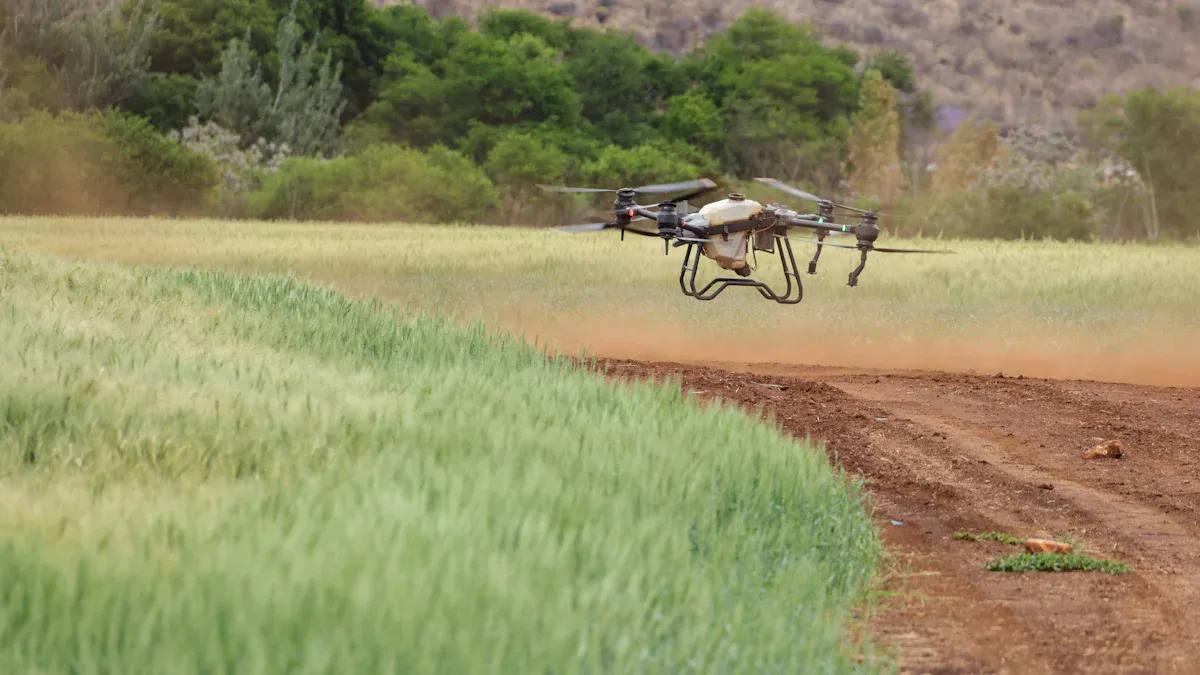
Advanced Optical Sensors
Quinoa sorter systems in 2026 feature advanced optical sensors that set new benchmarks for precision. These sensors detect subtle differences in grain color, size, and texture. Enhanced cleaning and sorting equipment now improves product quality and extends shelf life. Producers rely on these innovations to minimize waste and maximize efficiency.
- Innovations in sorting machinery aim to enhance efficiency and minimize waste.
- New processing technologies are being developed to improve product forms.
- Enhanced cleaning and sorting equipment improves product quality and extends shelf life.
Tip: Producers who invest in advanced optical sensors see fewer contaminants and higher yields, which directly benefits their bottom line.
AI-Driven Sorting Algorithms
Artificial intelligence drives a revolution in quinoa sorter accuracy. AI-powered algorithms analyze thousands of grains per second, identifying internal defects and subtle color variations that traditional systems often miss. Multi-spectral imaging enables better material differentiation, increasing yield and reducing waste. Machine learning techniques, such as the kNN classifier, play a crucial role in these advancements. The kNN classifier achieves over 90% accuracy in identifying ideal quinoa kernels, which boosts sorting outcomes and consistency.
AI-driven sorting algorithms significantly enhance the speed and accuracy of quinoa sorting by improving pattern recognition capabilities. This allows for the detection of internal defects and subtle color variations that traditional algorithms may miss. Additionally, the use of multi-spectral imaging facilitates better material differentiation in complex mixtures, which leads to increased yield and reduced waste.
- The kNN classifier is employed in quinoa sorting algorithms to improve sorting accuracy and efficiency.
- The study reports that the kNN classifier achieved over 90% accuracy in identifying ideal quinoa kernels.
Automation Integration
Automation integration transforms quinoa sorter operations in processing facilities. Automated systems reduce the need for human intervention in repetitive tasks, which decreases manual labor requirements. Advanced optical sorters and color graders ensure uniformity in size and color while removing defective grains. Programmable logic controllers (PLCs) and real-time monitoring systems automate various stages of processing, enhancing operational efficiency and minimizing labor costs.
- Automation in quinoa sorter systems reduces the need for human intervention in repetitive tasks, leading to a decrease in manual labor requirements.
- Advanced optical sorters and color graders are increasingly used to ensure uniformity in size and color while removing defective grains, which streamlines the processing workflow.
- The integration of programmable logic controllers (PLCs) and real-time monitoring systems automates various stages of processing, enhancing operational efficiency and minimizing labor costs.
- Automation integration can reduce waste by up to 15%.
- This reduction in waste directly impacts profitability.
Note: Facilities that adopt automation integration report significant efficiency gains and lower operational costs, making quinoa processing more sustainable and profitable.
Why Quinoa Sorter Advancements Matter
Benefits for Producers
Modern quinoa sorter advancements deliver significant advantages to producers. They streamline processing operations and improve product quality. Producers experience fewer losses and lower operational costs. These improvements help them meet the growing global demand for high-quality quinoa.
- Enhanced processing efficiency allows producers to handle larger volumes with less downtime.
- Improved quality control reduces waste and ensures only premium grains reach the market.
- Lower production costs increase profitability and support sustainable business growth.
- Industrial-scale innovations replace outdated practices, minimizing inefficiencies in post-harvest processing.
Producers who adopt advanced quinoa sorter technology position themselves as leaders in a competitive market. They can respond quickly to shifts in consumer demand and maintain consistent supply chains.
Impact on Consumers
Consumers benefit directly from improvements in quinoa sorter systems. They receive products with better sensory qualities, such as appealing crust color and improved texture. Quinoa-based foods now offer enhanced nutritional profiles, including higher protein, lipid, and antioxidant levels.
- Products exhibit more attractive crust color, with lower lightness and higher redness values.
- Biscuits made with higher quinoa flour content have a softer structure and better mouthfeel.
- Enhanced volatile compounds contribute to a more pleasant aroma and taste.
These advancements in quinoa sorter technology ensure that consumers enjoy safer, tastier, and more nutritious products. As a result, satisfaction and trust in quinoa-based foods continue to rise.
Key Innovations in Quinoa Sorter Systems
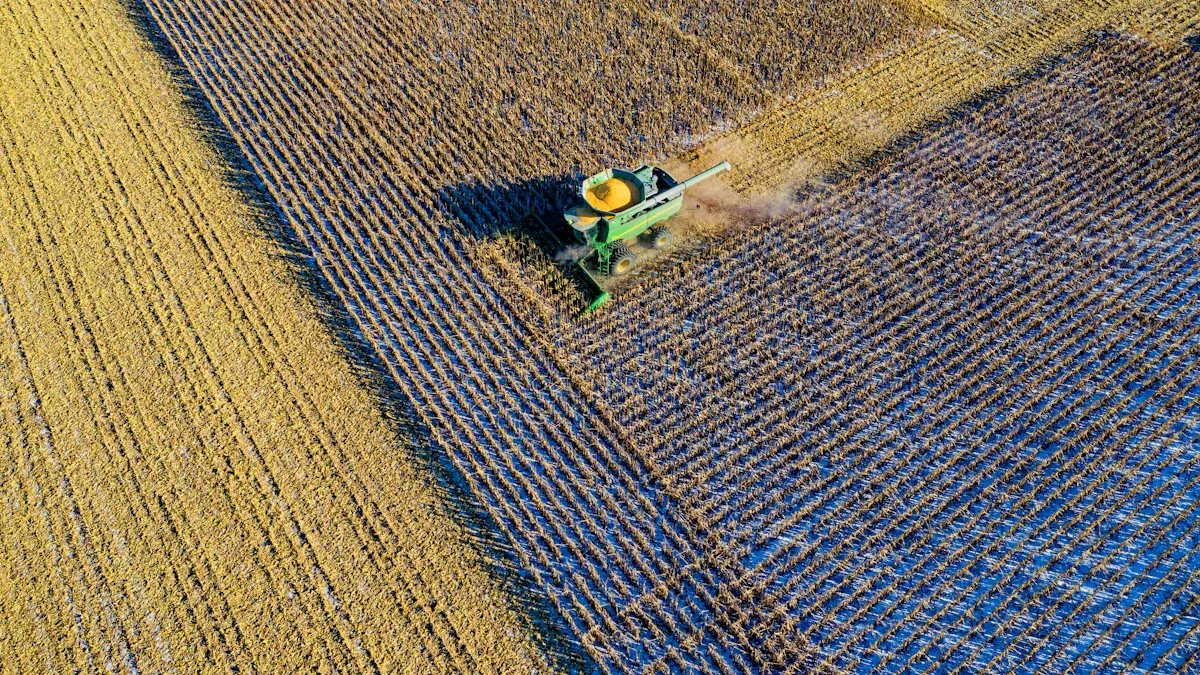
High-Resolution Imaging
High-resolution imaging stands at the forefront of modern quinoa sorting. Leading systems use high-definition cameras, lasers, and near-infrared sensors to capture detailed images of each grain. These technologies analyze color, size, and shape, allowing the removal of impurities and defective grains with remarkable precision. The 7 Chutes Intelligent Quinoa CCD Color Sorting Machine, for example, captures up to 12,000 images per second, ensuring rapid and accurate sorting.
| Specification | Details |
|---|---|
| Accuracy | ≥99.99% |
| Minimum Resolution | 0.01 mm |
| Camera | 4096PIXEL CCD sensor, 0.02 mm² resolution |
| Intelligent Image Processing | Advanced algorithms for precise sorting |
| Lighting System | Advanced LED optical design |
| Data Transmission | High-speed COAX interface |
High-resolution imaging enables producers to recover more high-quality quinoa, as seen with Bühler's Sortex system, which helped Andean Valley recover five metric tons of premium quinoa monthly.
Multi-Spectral and Hyperspectral Analysis
Multi-spectral and hyperspectral analysis technologies have transformed the detection of contaminants in quinoa. These systems use a broad range of wavelengths to differentiate between organic and non-organic grains. Machine learning techniques further enhance classification accuracy. Hyperspectral imaging can detect adulteration in quinoa flour with high predictive accuracy, ensuring product authenticity and safety. This capability supports producers in delivering pure, uncontaminated quinoa to the market.
Real-Time Data Processing
Real-time data processing powers the latest quinoa sorter systems. Advanced software analyzes thousands of grains per second, sorting them based on pre-set quality parameters. Operators receive instant feedback, allowing immediate adjustments to maintain optimal performance. This technology reduces downtime and increases throughput, making quinoa processing more efficient and reliable.
Practical Benefits of Modern Quinoa Sorter Technology
Improved Product Quality
Modern quinoa sorter technology raises the standard for product quality in the industry. Producers now deliver grains with optimal taste and appearance, which increases consumer satisfaction and market acceptance. Dry processing methods help retain nutrients and improve digestibility, making quinoa more appealing to health-conscious buyers.
| Benefit Type | Description |
|---|---|
| Sensory Quality Enhancement | Taste optimization and appearance upgrade enhance consumer appeal, leading to better market acceptance. |
| Nutrient Retention Improvement | Dry processing preserves nutrients and improves digestibility, making quinoa more attractive to health-conscious consumers. |
These improvements allow producers to command higher prices and strengthen their brand reputation.
Reduced Waste and Costs
Automation and AI-driven systems minimize waste during sorting and packaging. Producers experience fewer losses from defective grains and contaminants. Efficient workflows reduce labor costs and energy consumption. Facilities that adopt these technologies report higher profitability and more sustainable operations.
Tip: Companies that invest in advanced automation often see a reduction in waste by up to 15%, which directly impacts their bottom line.
Enhanced Traceability
Modern quinoa sorter systems use IoT and AI technologies for real-time monitoring of crop health and production data. Farmers can track quinoa from cultivation to market, which increases transparency throughout the supply chain. Traceability software ensures 100% accuracy, providing precise information to all stakeholders.
- IoT and AI enable real-time monitoring of crop health and production.
- Farmers track quinoa from field to market, enhancing transparency.
- Traceability software guarantees complete accuracy for every batch.
These features help producers meet regulatory requirements and build consumer trust.
Industry Adoption of Quinoa Sorter Solutions
Leading Producers and Success Stories
Many leading producers have adopted advanced quinoa sorter solutions to improve their operations and expand into new markets. Their experiences highlight the tangible benefits of modern sorting technology.
- Andean Valley implemented Bühler’s RGB camera sensors to enhance color sorting. This upgrade enabled the detection of subtle color variations in quinoa grains. As a result, Andean Valley gained access to the Chinese market, which enforces strict standards for quinoa type separation. Fernandez from Andean Valley noted that their "Sortex stamp of high quality" positions them for further expansion into markets focused on organic, high-quality foods.
- Fairking Seeds invested in the SORTEX A machine to clean small seeds more effectively. This technology reduced waste from 40% to less than half, demonstrating a significant improvement in efficiency. Peter from Fairking Seeds emphasized that the machine’s versatility and precision have opened new business opportunities for the company.
These examples show how producers use advanced quinoa sorter systems to achieve higher quality, reduce waste, and reach new customers.
Market Growth and Demand Trends
The adoption of automated sorting solutions continues to accelerate as global demand for premium quinoa rises. Producers recognize the value of investing in technology that ensures consistent quality and meets international standards. Markets in Asia and Europe now require strict traceability and purity, driving further adoption of advanced systems. Industry analysts project steady growth in the quinoa processing sector, fueled by consumer interest in healthy, traceable foods. Companies that embrace innovation position themselves to lead in this expanding market.
Quinoa sorter breakthroughs drive the future of quinoa processing. Industry forecasts highlight several trends:
- Automation and AI improve efficiency and product quality.
- Robotics and precision agriculture optimize supply chains.
- Automated sorting and air classifiers ensure cleaner, higher-quality grains. Stakeholders can expect ongoing innovation and rising market standards.
FAQ
What makes AI-driven quinoa sorters more accurate than traditional systems?
AI-driven sorters analyze thousands of grains per second. They detect subtle defects and color variations, which improves sorting precision and reduces waste.
How does automation impact quinoa processing costs?
Automation reduces manual labor and energy use. Producers report up to 15% lower waste, which increases profitability and supports sustainable operations.
Can quinoa sorter technology improve product traceability?
Yes. IoT-enabled sorters track each batch from field to market. Producers meet regulatory standards and build consumer trust with accurate traceability data.
See Also
Essential Checkweighers For Every Food Processing Facility
Key Capsule Checkweighers To Evaluate For 2025 Purchases
The Importance Of Capsule Sorters In Defect Elimination
Defining Pharmaceutical Checkweighers And Their Key Attributes
Innovative Features Of Folder Gluers For 2025 Carton Production