Get Your Water Flowing Again Easy Dispenser Fixes
Is your water dispenser on strike? Before you panic, perform a few simple checks. Confirm the unit is plugged in and its power switch is flipped on. These basic steps are often the easiest way to fix water dispenser issues.
Quick Tip: Make sure the water bottle isn't empty—it's the number one reason for a dry tap! 💧
Key Takeaways
- Check power, water bottle, and air locks first for no water flow.
- Fix leaks by securing the bottle, emptying the drip tray, or checking for cracks.
- Ensure proper water temperature by checking switches, thermostats, or cleaning coils.
Get the Water Flowing Again
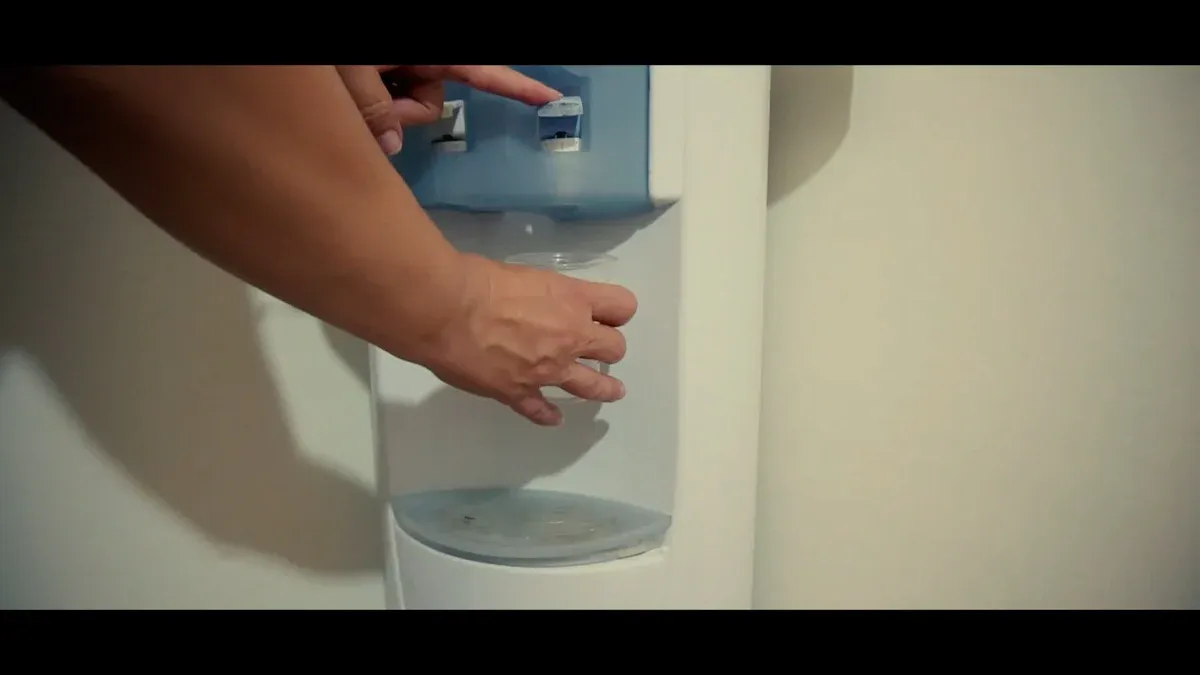
You checked the power and the bottle, but still no water? Don't worry. These next steps will help you find and solve the problem. A few simple checks can get your water moving.
Check for an Air Lock
An air lock is a common issue that stops water from flowing. Trapped air in the lines blocks the water's path. You can easily release this trapped air.
- Unplug the dispenser from the wall outlet.
- Remove the water bottle from the top of the unit.
- Press both the hot and cold water spigots at the same time. Hold them down for about one minute. This action purges the air from the system.
- Place the water bottle back on the dispenser and plug it in.
Note: You might hear a gurgling sound as the air escapes and water fills the tanks. This is a good sign! 🫧
Inspect the Bottle and Probe
Sometimes the problem is with the connection between the bottle and the dispenser. A poor seal can prevent water from entering the machine.
- Check the Bottle: Make sure you removed the entire plastic seal or sticker from the new water bottle's cap. A small piece of leftover plastic can block the probe.
- Examine the Probe: The probe is the spike inside the dispenser that punctures the bottle cap. Ensure it is not bent, broken, or clogged with debris.
Unclog the Water Lines
Mineral deposits from hard water can build up over time. This buildup creates clogs inside the water lines or spigots. A vinegar solution is a great way to fix water dispenser clogs.
To clear the lines, you will need to run a cleaning cycle. This usually involves flushing the system with a mixture of white vinegar and water. A thorough cleaning often restores full water flow.
Quick Ways to Fix Water Dispenser Leaks
A puddle around your water dispenser is a frustrating sight. Luckily, you can often fix water dispenser leaks with a few simple checks. These steps will help you find the source of the leak and stop it.
Secure the Water Bottle
An improperly seated water bottle is a top cause of leaks. The bottle might not have a tight seal with the dispenser's probe.
- Lift the water bottle off the dispenser.
- Carefully place it back on, making sure it sits straight and level.
- Push down gently until you feel it settle securely into place. A good seal prevents water from overflowing into the unit.
Empty and Clean the Drip Tray
Sometimes the leak is not a leak at all! The drip tray catches small spills and condensation. It can overflow if you do not empty it regularly.
Easy Fix: Slide the drip tray out, pour out any water, and wash it with soap and warm water. This simple habit prevents messy overflows. 🧼
Check for a Cracked Bottle
Even a tiny crack in the water bottle can cause a persistent leak. These hairline fractures are often hard to see.
- Carefully remove the water bottle from the dispenser.
- Wipe the outside of the bottle with a dry cloth.
- Slowly tilt and rotate the bottle, looking closely for any small cracks, especially near the top and bottom. If you find a crack, you must replace the bottle.
Examine Faucets and Spigots
The dispenser's faucets, or spigots, can also be the source of a leak. Over time, the internal seals can wear out or parts can become loose. Check each spigot for constant dripping. You might need to tighten the faucet's handle or body. If a spigot continues to drip, you may need to replace it. This is a common way to fix water dispenser problems for good.
When Your Water Isn't Cold Enough
You press the cold water tap expecting a refreshing drink, but get lukewarm water instead. This is a common problem with a few easy solutions. You can often get your dispenser chilling properly again in just a few minutes.
Give It Time to Chill
Your water dispenser needs time to cool the water. The refrigeration system does not work instantly.
- After Setup: If you just plugged in your dispenser, wait at least one to two hours for the water to reach its coldest temperature.
- After Heavy Use: If many people just used the cold water, the reservoir needs time to chill the new water that has refilled it. Give it about 30 minutes to recover.
Patience is Key: The cooling tank holds a limited amount of chilled water. Allowing it time to work is the simplest fix. ⏳
Check the Thermostat Setting
Many water dispensers have an adjustable thermostat for the cold water. The setting might be too low, or it could have been bumped accidentally.
You can usually find the thermostat on the back of the dispenser. It is often a small dial or screw that you can turn. Use a flathead screwdriver to adjust it toward a colder setting. Make small adjustments and wait an hour to see if the water gets colder.
Clean the Condenser Coils
Condenser coils release heat from the dispenser's cooling system. Dust and pet hair can cover these coils, trapping heat and making the system less efficient. Cleaning them is an effective way to fix water dispenser cooling issues.
- Unplug the dispenser. Safety first!
- Locate the coils on the back of the unit. They look like a black grid of wires.
- Use a vacuum with a brush attachment to gently remove all the dust and debris.
- Plug the dispenser back in.
A clean set of coils allows the dispenser to cool water much more effectively. ✨
If Your Water Isn't Getting Hot
A hot cup of tea or instant soup is just a button press away, unless the hot water isn't working. When your dispenser gives you room-temperature water from the hot tap, a simple switch or button is usually the culprit. These fixes will help you get the heat back on.
Check the Hot Water Switch
Most water dispensers have a separate switch to control the heating element. This allows you to turn off the heat to save energy. You or someone else may have turned it off by mistake.
- Look on the back of your water dispenser.
- You should see one or two switches. One of them controls the hot water. It is often red and may have a symbol like a flame or steam. 🔥
- Make sure this switch is in the "On" position.
- Wait about 15-20 minutes for the water inside the tank to heat up completely.
Find the Hot Tank Reset Button
If the hot water switch is on but you still have no heat, the tank's safety thermostat may have tripped. This happens if the tank overheats, often because it was turned on while empty. You can easily reset it.
Safety First! Always unplug your water dispenser from the electrical outlet before looking for the reset button. 🔌
The reset button is typically a small, red or black button on the back of the unit, sometimes recessed in a small hole. You might need a pen or a paperclip to press it. Push the button firmly until you hear or feel a click. This click means you have successfully reset the thermostat. Plug the dispenser back in and give it time to heat the water. This simple step can often fix water dispenser heating problems.
Solving Slow Water Flow
Is your water dispenser trickling out water instead of giving you a steady stream? A slow flow is frustrating, but the cause is often a simple blockage. You can usually solve this problem in just a few minutes with some basic troubleshooting.
Clear a Clogged Spigot
Mineral deposits, also known as scale, can build up inside the spigot over time. This buildup narrows the opening and slows down the water. You can easily clear this blockage.
- Unplug your dispenser for safety.
- Use a small, flexible brush (like a pipe cleaner) or an unfolded paperclip.
- Gently insert the tool into the spigot's opening.
- Wiggle it around to break up and dislodge any mineral buildup.
- Wipe away any debris with a damp cloth.
Pro Tip: For stubborn clogs, you can unscrew the spigot's nozzle if it is removable. Soak it in a bowl of white vinegar for 30 minutes to dissolve the minerals. 🚰
Look for Kinked Water Lines
The plastic tubes that carry water inside your dispenser can sometimes get pinched or bent. A kink in the line acts like a roadblock for the water. This is a very easy issue to check and resolve.
First, unplug the unit from the wall. Carefully move the dispenser away from the wall to access the back panel. Look for any visible water lines. Check if any of the tubes are sharply bent or flattened. If you find a kink, gently straighten the tube with your fingers. This simple adjustment can restore full water flow and is a quick way to fix water dispenser problems.
Keep Your Dispenser in Top Shape
Regular maintenance is the best way to prevent problems before they start. Keeping your dispenser clean ensures your water always tastes fresh and flows freely. A little care goes a long way in avoiding future issues.
Simple Cleaning Steps
A consistent cleaning routine prevents bacteria and mineral buildup. The Water Dispenser & Hydration Association suggests a full sanitization every 3 to 6 months. Following a simple schedule helps you stay on track.
Remember: Always unplug your dispenser before you begin cleaning! 🧼
Here is a helpful guide for keeping your unit spotless:
| Frequency | Cleaning Tasks |
|---|---|
| Daily | Wipe the spigots and drip tray with a clean cloth. |
| Weekly | Wash the drip tray with warm, soapy water. |
| Monthly | Clean the outside of the dispenser with a mild detergent. |
| Every 3-6 Months | Sanitize the internal lines and reservoir with a vinegar solution. |
This routine maintenance is much easier than having to fix water dispenser problems caused by neglect.
When to Replace Your Filter
Many water dispensers use a filter to remove impurities from your water. Over time, this filter gets clogged and becomes less effective.
You should generally replace the filter every six months, but check your owner's manual for the specific recommendation for your model. You will know it is time for a change if you notice two key signs:
- The water flow becomes slower than usual.
- The water starts to have a funny taste or odor.
Changing the filter on time is a simple step that guarantees you always have clean, great-tasting water. 💧
You can often fix water dispenser issues in minutes using these simple steps. Regular cleaning is your best defense against clogs, leaks, and funny tastes.
Important: If a problem continues or you notice any electrical issues, it is time to call a professional for help. 🛠️
FAQ
Why does my water taste funny?
Your dispenser likely needs cleaning to remove buildup. An old filter can also cause bad tastes. Replacing the filter often solves the problem. 💧
How often should I clean my water dispenser?
You should perform a deep clean every 3 to 6 months. This prevents mineral and bacteria buildup. Regular cleaning keeps your water fresh and safe.
Is it normal for my dispenser to make noise?
Yes, some noise is normal. You may hear gurgling as the bottle refills the tanks. The cooling system will also make a soft humming sound.