Methylglyoxal Dimethylacetal CAS 6342-56-9 Applications - Active Pharmaceutical Ingredient Guide
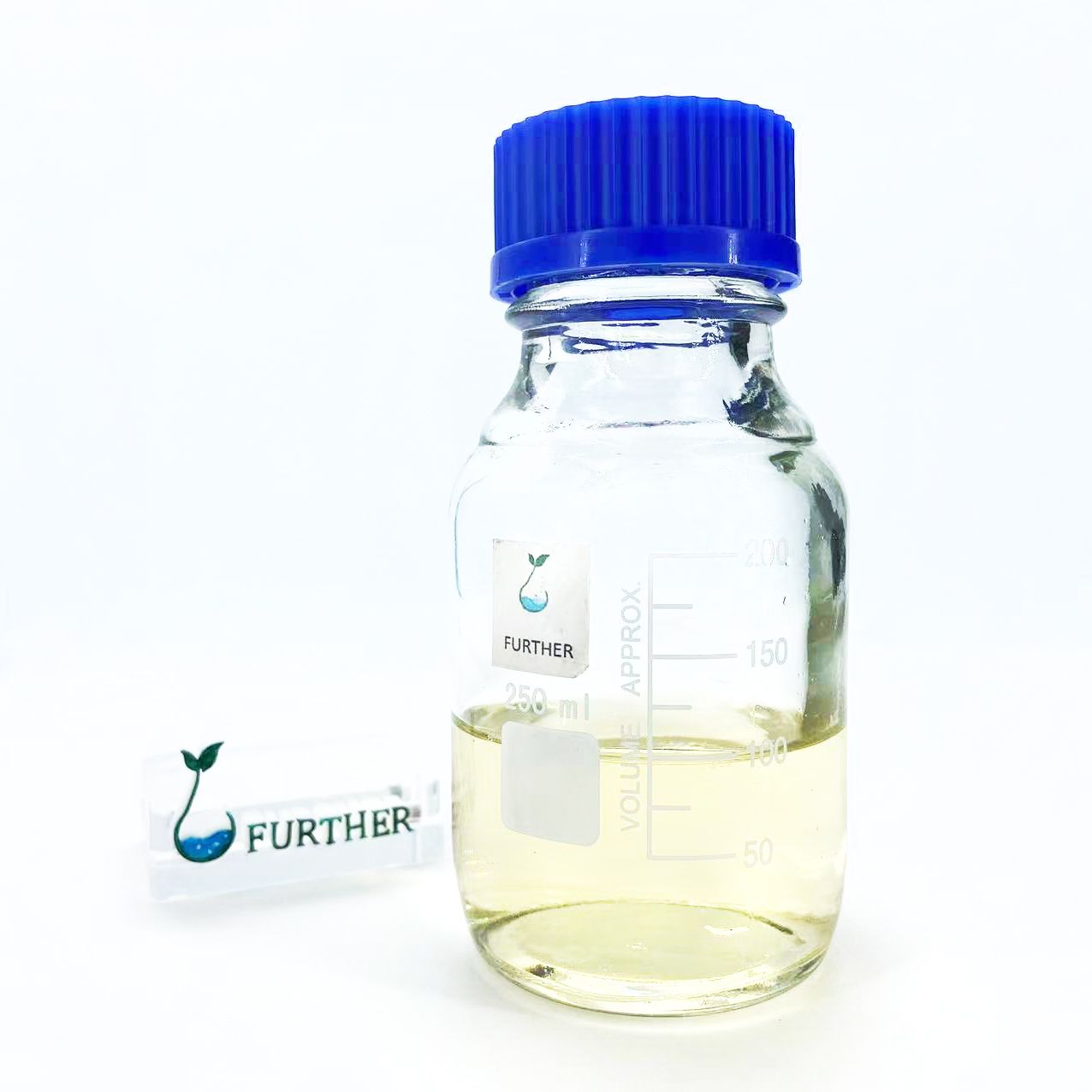
Manufacturers produce High purity 99% Pyruvic aldehyde dimethyl acetal cas 6342-56-9 Methylglyoxal Dimethylacetal through the acid-catalyzed acetalization of methylglyoxal with anhydrous methanol under controlled dehydration. This protected bifunctional C3 electrophilic building block ensures high stability during initial reactions. Chemists then perform selective deprotection to streamline active pharmaceutical ingredient manufacturing.
Key Takeaways
- Methylglyoxal Dimethylacetal protects sensitive chemical groups during complex drug manufacturing processes.
- High purity levels above 98 percent prevent unwanted side reactions in chemical production.
- Sealed nitrogen packaging protects the compound from moisture damage and ensures long shelf life.
High purity 99% Pyruvic aldehyde dimethyl acetal cas 6342-56-9 Methylglyoxal Dimethylacetal Specifications
High purity 99% Pyruvic aldehyde dimethyl acetal cas 6342-56-9 Methylglyoxal Dimethylacetal features two protective methoxy groups attached to the C1 position of pyruvaldehyde. This chemical architecture stabilizes the electrophilic C3 skeleton during complex multi-step syntheses.
Chemical Properties and Molecular Structure
The chemical structure combines a reactive ketone carbonyl with a masked aldehyde acetal moiety. This balanced configuration prevents self-condensation during storage while preserving core reactivity. Chemists rely on precise physical constants to verify compound identity and distillation fractions.
| Property | Standard Value |
|---|---|
| Molecular Weight | 118.13 |
| Boiling Point | 143–147 °C |
| Density | 0.976 g/mL at 25 °C |
| Refractive Index | n20/D 1.398 |
| Flash Point | 100 °F |
Commercial Purity Standards and GC Assay
Gas chromatography establishes baseline quality metrics for High purity 99% Pyruvic aldehyde dimethyl acetal cas 6342-56-9 Methylglyoxal Dimethylacetal. Commercial drug manufacturing demands stringent analytical thresholds to prevent unwanted side reactions.
| Analytical Parameter | Specified Standard |
|---|---|
| Appearance | Clear, light yellow liquid with caramel scent |
| Assay (GC) | ≥98% |
| Moisture Content (KF) | ≤0.5% |
| Single Unknown Impurity | ≤0.5% |
| Impurities RRt 1.48 and RRt 1.77 | ≤0.1% each |
| Total Impurities | ≤2.0% |
Quality control teams enforce strict moisture limits using Karl Fischer titration. Water content above 0.5% causes premature acetal hydrolysis. QC technicians measure key related substances at relative retention times RRt 1.48 and RRt 1.77 to guarantee batch uniformity. Using High purity 99% Pyruvic aldehyde dimethyl acetal cas 6342-56-9 Methylglyoxal Dimethylacetal ensures total impurities remain below 2.0% across production runs.
Step-by-Step Synthesis and Isolation Protocol
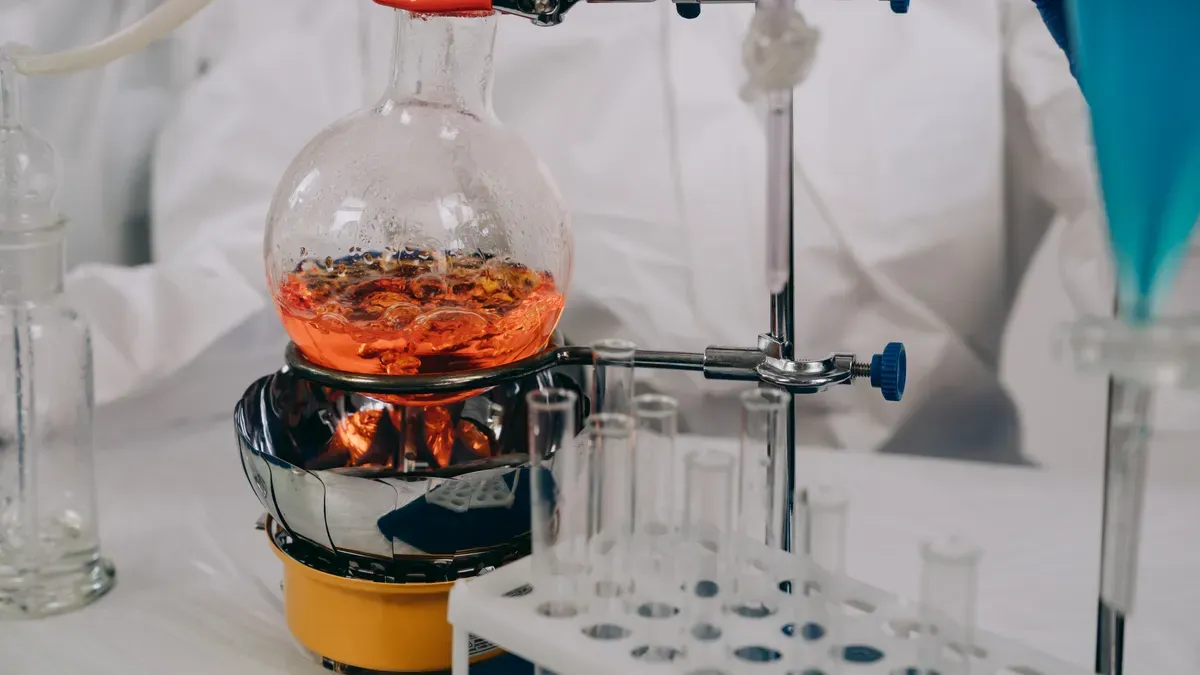
Industrial manufacturing requires precise chemical control during acetalization. Synthetic chemists convert methylglyoxal into a protected intermediate through efficient chemical processes. This strategy shields the sensitive aldehyde group from unintended polymerizations during downstream reactions.
Acid-Catalyzed Acetalization Mechanism
The synthesis converts pyruvaldehyde into a stable C3 electrophilic reagent. Anhydrous methanol attacks the aldehyde carbonyl carbon under acidic conditions. Strong acid catalysts donate protons to the carbonyl oxygen. This protonation increases the electrophilicity of the C1 aldehyde center.
Direct acetalization targets the C1 aldehyde selectively while leaving the C2 ketone moiety accessible for future synthetic steps.
Methanol molecules perform nucleophilic attacks on the activated aldehyde. The reaction forms a hemiacetal intermediate first. Subsequent proton transfers eliminate a water molecule, creating an oxocarbenium ion. A second methanol molecule attacks this species to complete the acetal formation. Controlled conditions prevent the C2 ketone from converting into a full ketal.
Reagent Selection and Reaction Optimization
Process engineers select solid heterogenous catalysts to simplify downstream purification. Strongly acidic ion exchange resins perform exceptionally well in batch and continuous-flow reactors. Pre-concentrating the aqueous aqueous starting material prevents premature catalyst deactivate and optimizes reaction rates.
| Operational Parameter | Optimized Condition | Process Function |
|---|---|---|
| Catalyst Type | Amberlyst 15 or BayKat 2611 | Provides strongly acidic sites for selective acetalization |
| Molar Ratio | 1:8 to 1:15 (Methylglyoxal:Methanol) | Drives equilibrium toward the protected acetal form |
| Temperature Range | 60 °C to 80 °C | Maximize conversion speed without decomposing reagents |
| Reaction Time | 5 to 6 hours | Ensures complete substrate consumption |
| Feed Preparation | < 20 wt% initial water content | Reduces reverse hydrolysis during primary conversion |
Maintaining low water concentrations shifts the chemical equilibrium toward acetal formation. Process operators monitor the reaction mixture continuously using chromatographic methods. Proper thermal management prevents dark by-product formation during long reaction runs. Synthesizing High purity 99% Pyruvic aldehyde dimethyl acetal cas 6342-56-9 Methylglyoxal Dimethylacetal requires exact adherence to these optimized catalytic parameters.
Fractional Distillation and Yield Maximization
The reaction mixture contains methanol, residual water, desired acetal product, and small amounts of tetramethoxypropane by-product. Technical operators add a calculated quantity of water during workup. This water selectively hydrolyzes 1,1,2,2-tetramethoxypropane back into the target acetal derivative.
Fractional distillation under reduced pressure isolates the pure product from crude streams. Low distillation temperatures prevent thermal degradation of the heat-sensitive C3 skeleton.
- Operators strip excess unreacted methanol under atmospheric pressure for direct recycling into future batches.
- The distillation system lowers internal pressure to separate volatile water-methanol azeotropes from the main crude fraction.
- High-vacuum fractional distillation isolates the core acetal fraction at boiling ranges between 143 °C and 147 °C.
Recycling process streams elevates cumulative product recovery significantly. Standard historical routes yielded less than 67% overall product recovery. Modern catalytic protocols yield over 80% crude product with high purities. Final vacuum packaging preserves chemical stability against moisture intrusion.
Core API Pathways and Heterocyclic Applications
Pharmaceutical chemists use High purity 99% Pyruvic aldehyde dimethyl acetal cas 6342-56-9 Methylglyoxal Dimethylacetal as a key masked electrophilic C3 intermediate. The compound features a protected aldehyde group and an active carbonyl center. This unique dual functionality enables targeted chemical transformations without unwanted side reactions during active pharmaceutical ingredient manufacturing.
Nitrogen Heterocycle Synthesis
Organic synthesis teams frequently construct five- and six-membered nitrogen heterocycles using this acetal building block. The C2 keto group reacts smoothly with primary amines, hydrazines, or amidines. Acidic treatment then unmasks the C1 aldehyde, triggering ring closure to yield structurally diverse heterocycles.
Synthetic routes to imidazoles and pyrazines rely heavily on this sequential reactivity.
Pyruvic Aldehyde Dimethyl Acetal + Amidine/Hydrazine ---> Monohydrazone / Intermediate ---> (Deprotection + Ring Closure) ---> Substituted Imidazole / Pyrazine
Process chemists value this approach because it prevents self-condensation of fragile methylglyoxal monomers. The protected acetal moiety remains intact while reactions modify the exposed ketone. After initial bond formation, mild acid hydrolyzes the acetal to form key medicinal skeletons like imidazoles, triazines, and pyrazoles.
Anti-Tumor and Antibacterial Drug Intermediate
Drug discovery scientists utilize pyruvic aldehyde dimethyl acetal to manufacture complex therapeutic molecules. The intermediate provides a precise three-carbon backbone for building potent bioactive compounds.
- Anti-Tumor Agents: Chemical pathways incorporate the intermediate to construct complex condensed ring systems that target cancer cell replication pathways.
- Antibiotics and Antibacterial Drugs: Synthesis protocols deploy the compound to form rigid heterocyclic cores that inhibit bacterial cell wall enzymes.
- Nucleoside Analogs: Lab technicians use the acetal to attach tailored C3 side chains onto purine and pyrimidine bases for antiviral applications.
- Cardiovascular Medications: Process engineers synthesize key vasodilators by exploiting the selective reactivity of the masked electrophilic centers.
Maintaining the acetal protection during early synthetic steps prevents byproduct formation and elevates overall API production yields.
Vitamin and Agrochemical Intermediate Synthesis
Fine chemical manufacturers process this intermediate into broad classes of nutritional supplements and agricultural products. The compound serves as an essential building block in Wittig-Horner coupling reactions for long-chain polyene synthesis.
- Vitamin A – Synthetic pathways rely on pyruvic aldehyde dimethyl acetal as a critical building block to construct the essential retinoid backbone.
- Related natural pigments – Industrial producers utilize this same intermediate to synthesize valuable carotenoid pigments, including β-carotene, zeaxanthin, and astaxanthin.
- Vitamin B6 – Synthesis protocols use the masked C3 fragment to assemble the substituted pyridine core of pyridoxine.
Agrochemical production facilities also utilize pyruvic aldehyde dimethyl acetal to yield high-efficiency agricultural agents. Chemical engineers react the intermediate with crop-protection reagents to produce low-toxicity herbicides and specialized plant growth regulators. Selective deprotection strategies streamline industrial manufacturing across all these product lines.
Quality Assurance and Storage Guidelines
Quality control laboratories establish strict testing protocols to guarantee batch consistency for High purity 99% Pyruvic aldehyde dimethyl acetal cas 6342-56-9 Methylglyoxal Dimethylacetal. Analytical technicians analyze raw materials and finished lots to meet international pharmaceutical standards.
GC-FID Analysis and Impurity Profiling
Gas chromatography with flame ionization detection validates product purity before chemical release. Quality control analysts use capillary columns to separate volatile organic components efficiently.
| Analytical Parameter | Testing Condition | Standard Acceptance Criteria |
|---|---|---|
| Column Type | DB-WAX or capillary equivalent | Separation of polar C3 intermediates |
| Detector Temperature | 250 °C | Optimal flame ionization sensitivity |
| Target Assay | GC Peak Area | ≥ 98.0% purity |
| Key Impurity Limits | Relative Retention Times | ≤ 0.5% individual, ≤ 2.0% total |
Chromatographers inspect the resulting spectrum for baseline resolution between the target peak and trace by-products. This rigorous profiling prevents unreacted raw materials from contaminating downstream synthetic routes.
Moisture Control and Hydrolytic Stability
Acidic moisture triggers rapid hydrolysis of acetal functional groups. Water splits the protected acetal back into reactive methylglyoxal and free methanol. Production plants store bulk liquid inventory inside sealed stainless steel drums under an inert nitrogen blanket.
Storage facilities must maintain ambient temperatures below 25 °C in dry, ventilated areas away from strong mineral acids.
Warehouse staff conduct regular moisture checks using Karl Fischer titration. Maintaining water levels below 0.5% preserves chemical integrity over extended storage periods. Proper sealed packaging guarantees a shelf life exceeding twelve months.
Acid-catalyzed acetalization provides a reliable route for manufacturing high-purity methylglyoxal dimethylacetal. This efficient chemical process maximizes overall conversion rates. Synthetic chemists utilize CAS 6342-56-9 as a versatile masked electrophilic intermediate. This strategic C3 building block successfully streamlines the total synthesis of heterocycles, active pharmaceutical ingredients, and fine chemicals.
FAQ
What is the primary function of methylglyoxal dimethylacetal in API synthesis?
Methylglyoxal dimethylacetal serves as a masked C3 electrophilic intermediate. It stabilizes sensitive aldehyde groups during complex reactions and yields active carbonyls upon controlled acidic deprotection.
How should storage facilities handle CAS 6342-56-9 to prevent degradation?
Technical staff must store the liquid under an inert nitrogen blanket in sealed containers below 25 °C. Dry conditions prevent moisture from triggering premature acetal hydrolysis.
What purity standard does commercial pyruvic aldehyde dimethyl acetal require?
Commercial pharmaceutical manufacturing requires a minimum gas chromatography assay purity of 98.0%. Quality control protocols mandate moisture levels below 0.5% to maintain reagent stability.
See Also
Industrial Applications And Dissolution Techniques For 2 5-Furandicarboxylic Acid
Advanced Synthesis Approaches And Commercial Uses For Aminoguanidine Bicarbonate
Key Industrial Uses And Production Strategies For Aminoguanidine Bicarbonate
Exploring Novel Industrial Uses For N,N-Dimethyl-N,N-Diphenylurea Across Diverse Sectors
Proven Data-Driven Strategies To Enhance 2 5-Furandicarboxylic Acid Sustainability