Get More Life From Your PVC Coated Stainless Steel Wire Rope
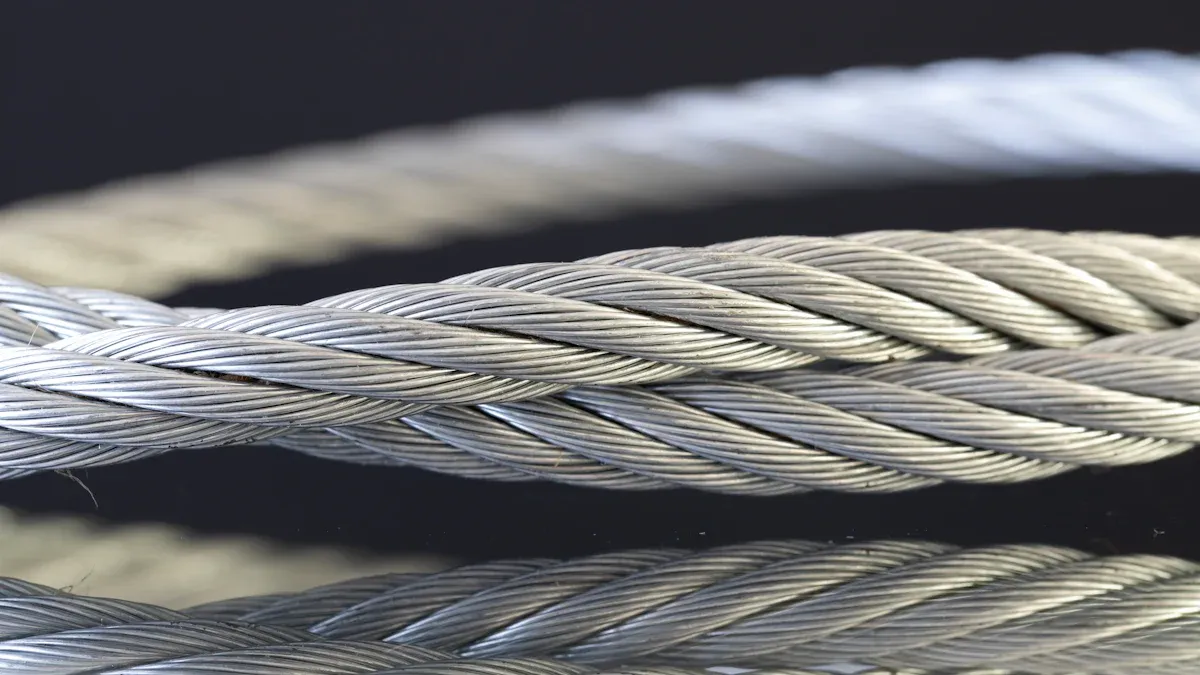
A PVC coating extends the service life of stainless steel wire rope by creating a durable, protective barrier. This shield defends the rope against the primary causes of degradation.
Key Threats Neutralized by PVC Coating:
- Abrasion and Friction
- Corrosion and Chemicals
- Environmental Exposure
This barrier on a pvc coated stainless steel wire rope directly prevents wear and damage to the underlying steel strands. The result is longer operational reliability and enhanced safety in demanding applications.
Key Takeaways
- A PVC coating protects stainless steel wire rope. It stops wear from rubbing and keeps the rope strong.
- The PVC coating acts like a shield. It keeps out water, salt, and chemicals that can rust the steel.
- PVC coating helps the rope last longer outdoors. It protects against sun, heat, and bumps.
- The coating makes the rope safer to handle. It stops sharp wires from hurting hands and prevents kinks.
Shielding Against Abrasion and Friction
Abrasion is a constant threat to any wire rope in a dynamic environment. It acts like sandpaper, gradually wearing down the metal strands and compromising the rope's strength and integrity. A PVC coating provides a robust first line of defense against this relentless wear, both internally and externally.
Reducing Inter-Strand Wear
A wire rope is a complex machine composed of many individual wires and strands. As the rope bends over sheaves, pulleys, or drums, these internal components move and rub against one another. This constant friction causes inter-strand wear, a hidden form of degradation that can lead to premature failure.
The PVC coating penetrates slightly between the outer strands, creating a lubricating and cushioning effect. This separation minimizes direct metal-on-metal contact, significantly reducing internal friction and preserving the rope's core strength over countless cycles.
This protective action ensures the rope maintains its flexibility and load-bearing capacity for a longer operational life.
Protecting from External Surfaces
External abrasion occurs when a rope drags across or rubs against rough surfaces. Concrete, metal edges, and other abrasive materials can quickly scrape and damage the outer wires. The durable PVC jacket on a pvc coated stainless steel wire rope acts as a sacrificial barrier, absorbing this damage.
This tough outer layer effectively shields the critical steel strands from direct contact with harsh environmental elements. Its key protective functions include:
- Absorbing Friction: The smooth surface of the PVC reduces the coefficient of friction, allowing the rope to glide more easily over surfaces.
- Resisting Scrapes: The coating withstands cuts and scrapes that would otherwise damage the steel wires.
- Guarding Against Impact: It provides a layer of cushioning against minor impacts.
Manufacturers continuously enhance PVC formulations to offer improved wear protection. These efforts focus on delivering superior abrasion resistance while maintaining cost-effectiveness, ensuring the rope can handle demanding operational requirements.
Creating a Barrier Against Corrosion
Corrosion is a silent destroyer of metal components, and stainless steel is not entirely immune. A high-quality PVC coating provides an impermeable defense, creating a complete barrier that isolates the steel from corrosive elements. This protection is critical for extending the rope's service life, especially in marine, industrial, and outdoor settings where exposure is constant. The coating effectively neutralizes chemical threats before they can initiate the degradation process.
Sealing Out Moisture and Chemicals
The primary function of the PVC jacket is to create a non-porous seal around the wire rope. This seal physically blocks direct contact with a wide range of corrosive agents. The durable PVC layer offers excellent resistance to common and aggressive substances that would otherwise attack the steel.
Key corrosive agents blocked by the PVC coating include:
- Moisture and Oxygen
- Saltwater and brine solutions
- Acids and Alkalis
- Industrial solvents and oils
This protective layer is particularly effective against many inorganic acids and alkalis. It reliably withstands chemicals like sodium hydroxide and ammonium hydroxide, making a pvc coated stainless steel wire rope a durable choice for chemical processing and industrial environments. The coating ensures the rope's structural integrity remains intact even with prolonged exposure.
Preventing Pitting and Crevice Corrosion
Stainless steel can be susceptible to localized forms of corrosion, such as pitting and crevice corrosion. These occur when small, isolated areas on the metal surface are exposed to corrosive elements, leading to deep, damaging pits that compromise the rope's strength.
Pitting corrosion is an insidious threat. It can create deep cavities in the steel with minimal visible surface damage, leading to unexpected and catastrophic failures.
The seamless PVC coating on a pvc coated stainless steel wire rope eliminates the conditions necessary for this type of damage. By preventing moisture and chlorides from settling in the tiny gaps between wire strands (crevices), the coating stops crevice corrosion before it starts. It also presents a uniform, inert surface to the environment, denying corrosive agents the foothold needed to initiate pitting. This comprehensive protection ensures the rope maintains its full strength and reliability over time.
How PVC Coated Stainless Steel Wire Rope Resists Environmental Damage
Beyond abrasion and corrosion, a wire rope faces constant stress from the environment itself. Sunlight, temperature swings, and physical impacts all contribute to degradation over time. The PVC coating provides a critical layer of defense, shielding the steel core from these environmental threats and ensuring long-term durability.
Defending Against UV and Weather
Continuous exposure to sunlight and weather can compromise a rope's integrity. The PVC jacket on a pvc coated stainless steel wire rope acts as a formidable weather shield, protecting the steel from the elements.
A key feature of modern PVC formulations is the inclusion of UV inhibitors. Additives like Titanium Dioxide (TiO₂) are integrated into the coating material. These inhibitors work by absorbing or reflecting harmful ultraviolet radiation, preventing it from breaking down the PVC's polymer structure. This protection stops the coating from becoming brittle and cracking over time.
This defense ensures the rope remains protected through changing seasons and fluctuating temperatures. The PVC coating maintains its protective properties within a specific operational temperature range, making it reliable for most outdoor applications.
| Unit | Minimum Temperature | Maximum Temperature |
|---|---|---|
| Celsius | -10°C | 60°C |
| Fahrenheit | 14°F | 140°F |
This resilience against UV rays and temperature extremes preserves the coating's integrity, which in turn protects the stainless steel within.
Absorbing Shocks and Impacts
In dynamic applications, wire ropes often experience sudden jolts, vibrations, and impacts. These forces can cause localized damage, such as nicks and dents, which create stress points and weaken the rope. The thick, resilient PVC coating provides a valuable cushioning effect.
This protective layer absorbs and dissipates the energy from minor impacts and shocks before it can reach the steel strands. This function is crucial in environments where the rope might strike against equipment, structures, or other objects. By absorbing these forces, the coating helps prevent:
- Deformation of the outer wires.
- Fatigue from repetitive vibrations.
- Damage from accidental strikes.
This shock absorption capability not only protects the rope's structure but also contributes to a smoother, quieter operation in systems with pulleys and guides.
Enhancing Safety and Handling Durability
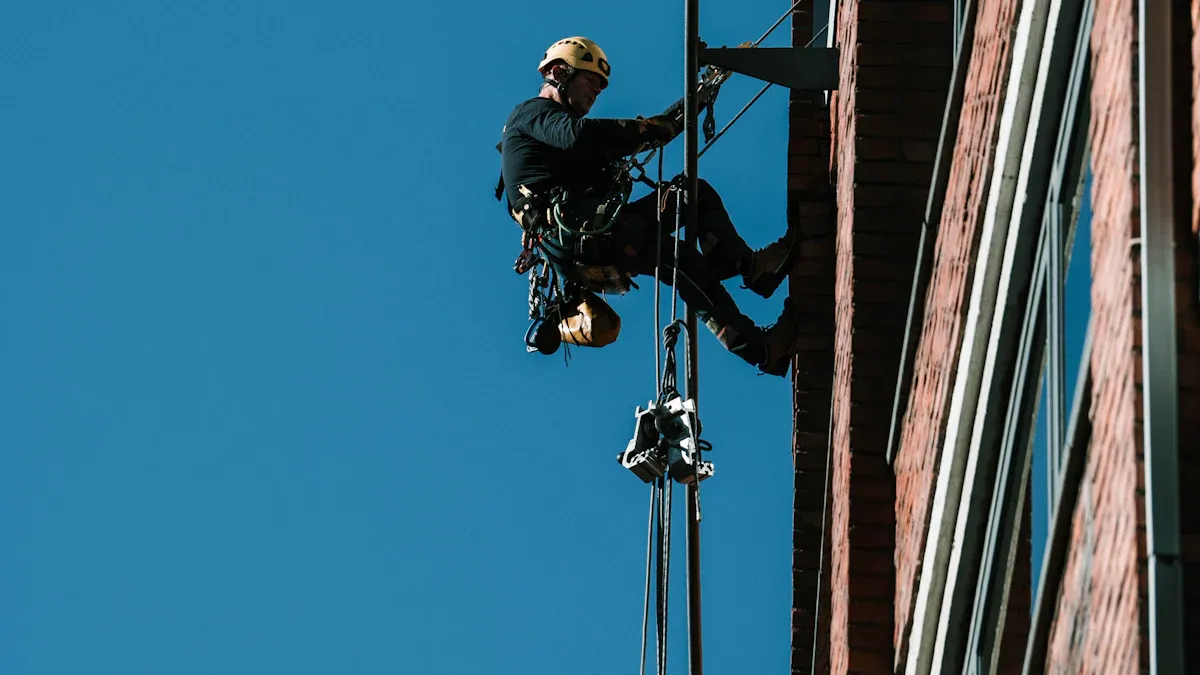
A protective PVC coating does more than just guard against environmental factors; it significantly improves the rope's handling characteristics and structural resilience. This enhancement directly contributes to a safer work environment and a longer, more reliable service life by preventing common forms of physical damage.
Preventing Kinks and Frays
Kinks and frays are two of the most common reasons for retiring a wire rope. A kink is a sharp, permanent bend that creates a weak point, while frays are broken wires that create a dangerous puncture hazard. The PVC coating provides a dual defense against these issues.
The coating adds a level of rigidity that helps the rope resist forming the tight loops that lead to kinks. PVC's flexibility enables the rope to bend under pressure without losing its inherent strength, ensuring long-lasting protection. Unlike some other coatings, PVC maintains its integrity and does not crack easily when subjected to stress. This resilience is crucial for ropes undergoing constant bending. Furthermore, the jacket encapsulates the outer strands, preventing individual wires from breaking loose and fraying.
Improving Handling Safety
Directly handling a bare wire rope can expose workers to sharp wires and abrasive surfaces. The smooth, uniform surface of a pvc coated stainless steel wire rope mitigates these risks, making it fundamentally safer and more comfortable for manual tasks. This improved handling directly reduces the risk of injury to workers.
Key safety benefits of the coated surface include:
- Reduced risk of hand injuries from sharp, exposed, or broken wires.
- Minimized vibration during operation, contributing to improved control and safety.
Workplace safety regulations underscore the importance of protecting against such hazards. The Occupational Safety and Health Administration (OSHA) provides clear guidelines on hand protection.
1910.138(a) General requirements. Employers shall select and require employees to use appropriate hand protection when employees' hands are exposed to hazards such as those from skin absorption of harmful substances; severe cuts or lacerations; severe abrasions; punctures; chemical burns; thermal burns; and harmful temperature extremes.
While OSHA 1910.138 mandates gloves for hazards like cuts and punctures, the use of a coated rope is a proactive engineering control. It reduces the likelihood of these injuries from the source, creating a safer system before personal protective equipment is even considered.
A PVC coating is a critical feature that extends the life of stainless steel wire rope. It provides a direct shield against abrasion, corrosion, and environmental damage. This protective layer ensures a longer service life while also enhancing safety and handling. The result is superior performance and greater value for any investment.
Choosing a PVC coated rope means opting for durability, reliability, and long-term cost-effectiveness. It is the smart choice for demanding applications where performance is essential.
FAQ
What makes the PVC coating so durable?
The PVC formulation contains special additives like UV inhibitors. These compounds create a tough, flexible barrier against sunlight, abrasion, and chemicals. This robust shield protects the inner steel from damage and significantly extends the rope's service life in harsh conditions.
Can this wire rope be used in saltwater?
Yes. The PVC jacket forms an impermeable seal around the stainless steel. This barrier completely blocks saltwater and moisture from reaching the metal. It prevents corrosion, making the rope an excellent choice for marine, boating, and coastal applications.
Does the coating affect the rope's flexibility?
The PVC coating maintains excellent flexibility. It allows the rope to bend smoothly over pulleys and sheaves without cracking or compromising its protective qualities. This ensures reliable performance in dynamic systems while shielding the steel strands from internal and external wear.
Are other coating materials available?
Manufacturers provide several coating options for specific needs. Materials like Nylon, PE (Polyethylene), and PP (Polypropylene) offer different properties. Each type delivers a unique combination of abrasion resistance, chemical protection, and flexibility for specialized industrial or environmental requirements.
See Also
Discover How WT20 Thoriated Tungsten Electrodes Enhance Your TIG Welding
Assessing Molybdenum Plugs: Optimizing Seamless Steel Pipe Manufacturing for 2025
Achieving Optimal Outcomes: Steel Processing for Heat Exchange Applications
Essential Guide Bar Tips for Effortless and More Efficient Cutting
Simple Maintenance Practices to Avoid Costly Dumbwaiter Elevator Malfunctions