Thinking About a Plastic Water Dispenser? Read This First
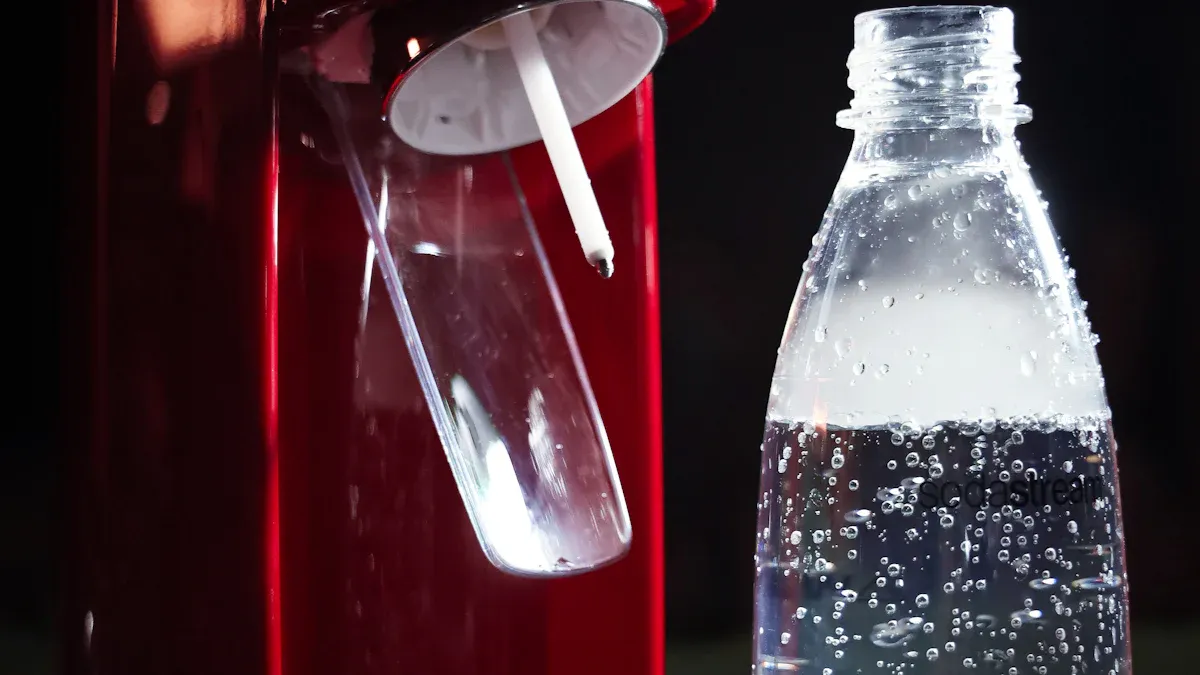
A plastic water dispenser offers a simple path to instant hydration. Your decision involves weighing its convenience against health and environmental impacts. The global market for these devices is expanding quickly, reflecting their popularity.
| Metric | Value |
|---|---|
| Market Size (2023) | USD 2,983.7 million |
| Projected Market Size (2030) | USD 5,349.9 million |
| Compound Annual Growth Rate (CAGR) | 8.7% (2024-2030) |
Understanding the full picture helps you make a confident choice for your home.
Key Takeaways
- Plastic water dispensers are cheap and easy to use, making them popular for quick hydration.
- They can release harmful chemicals like BPA and tiny plastic pieces into your water, which is bad for your health.
- Better choices for clean water include glass or steel dispensers, filter pitchers, or under-sink filters.
The Appeal: Why Plastic Dispensers Are So Popular
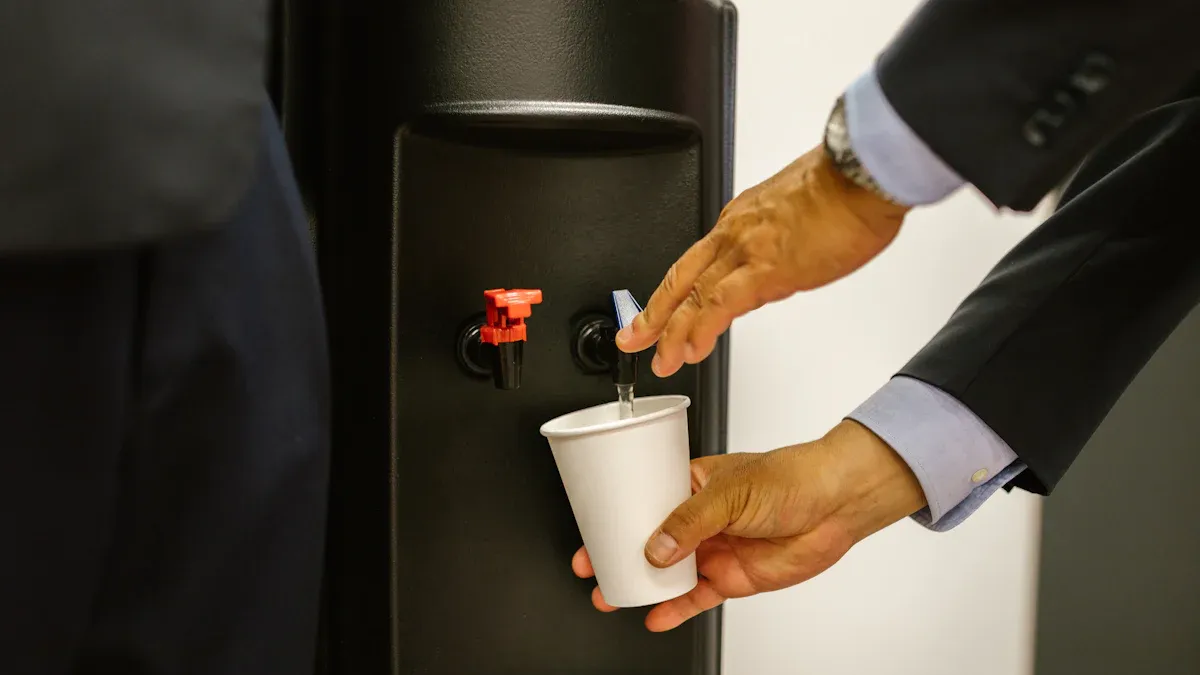
You have likely seen a plastic water dispenser in an office, a waiting room, or a friend's kitchen. Their widespread use is no accident. They offer a compelling mix of affordability, convenience, and portability that makes them an attractive choice for many households. Let's explore the key reasons behind their popularity.
Unbeatable Affordability
The most significant advantage of a plastic water dispenser is its low price. You can purchase a brand-new unit for a fraction of the cost of its stainless steel or glass counterparts. This makes hydration accessible without a large upfront investment.
Tip: For those on a strict budget, in a temporary living situation, or simply trying out a dispenser for the first time, the low cost is a major selling point. You get the core function of dispensing water without the premium price tag.
This affordability allows you to enjoy the benefits of instant hot and cold water immediately, making it a practical entry point into home water solutions.
Plug-and-Play Convenience
These dispensers are designed for immediate use. The setup process is incredibly straightforward, requiring no special tools or professional installation. You typically just need to:
- Unbox the unit and place it near an electrical outlet.
- Clean the reservoir and taps.
- Place a water jug on top and plug it in.
Modern dispensers enhance this convenience even further. Many models now offer multiple temperature settings, giving you everything from ice-cold water to piping-hot water for tea or instant noodles. Some advanced units even integrate smart technology, allowing you to control temperatures or track your water usage from a smartphone app.
Lightweight and Portable Design
Plastic's inherent lightness makes these dispensers easy to move. You can reposition the unit in your kitchen, move it to a home office, or take it with you to a new apartment with minimal effort. This flexibility is a huge plus for renters or anyone who likes to rearrange their space.
Manufacturers are also improving the user experience with smarter designs. New models often feature ergonomic handles, which can significantly reduce the strain of moving the unit. The trend toward mini dispensers also provides personalized, health-conscious solutions for smaller spaces like dorm rooms or personal offices.
| Portability Benefit | Ideal For |
|---|---|
| Easy to Relocate | Renters, students, frequent movers |
| Flexible Placement | Moving between kitchen, office, or patio |
| Lightweight Build | Individuals who cannot lift heavy objects |
This focus on user-friendly and sustainable design, including the use of BPA-free components, makes the modern plastic water dispenser a very practical choice for on-demand hydration.
The Drawbacks of a Plastic Water Dispenser

While plastic dispensers offer clear benefits, you must also consider their significant downsides. These drawbacks relate to your health, the environment, and the long-term value of your purchase. Understanding these issues will give you a complete picture before you decide.
Health Concerns: BPA and Microplastics
Your primary concern with any plastic product touching your food or water should be chemical safety. Many plastics contain industrial chemicals that can seep into the water over time. Two major culprits are Bisphenol A (BPA) and microplastics.
BPA is a chemical used to make certain plastics hard and durable. Even in products labeled "BPA-free," other similar chemicals may be present. Scientific studies link BPA exposure to serious health problems. These issues include:
- Disruption of the endocrine system
- Problems with normal growth and development
- Infertility and reproductive harm
- Suppression of the immune system
- Increased risk of certain cancers, cardiovascular disease, and obesity
Another growing concern is microplastics. These are tiny plastic particles that break off from the main container. When you drink water from a plastic water dispenser, you may also ingest these particles. The long-term health effects are still being studied, but initial research suggests they can:
- Irritate your digestive system and cause inflammation.
- Change the balance of good and bad bacteria in your gut.
- Carry toxins like heavy metals into your body.
- Pass through into your bloodstream and travel to other organs.
A Note on Safety: The health impacts of microplastics can vary. The size, shape, and chemical makeup of the plastic all play a role. Researchers are still working to understand the full scope of the risk.
The Environmental Footprint
The convenience of a plastic water dispenser comes at an environmental cost. The entire lifecycle of plastic has a large footprint. Plastic production relies heavily on fossil fuels, a non-renewable resource. The manufacturing process also releases significant carbon emissions, contributing to climate change.
At the end of its life, the dispenser becomes plastic waste. These devices are difficult to recycle because they contain mixed materials and electronic components. Most end up in landfills, where they take hundreds of years to break down. During this time, they can release harmful chemicals into the soil and groundwater.
Maintenance and Hygiene Demands
You might think a water dispenser is a "set it and forget it" appliance, but it requires regular cleaning. The moist, dark environment inside the dispenser's reservoir and taps is a perfect breeding ground for bacteria and mold. Without proper maintenance, a slimy layer called biofilm can form, contaminating your drinking water.
If you do not clean your dispenser frequently and thoroughly, you risk exposure to many types of fungi and mold. Some common ones found in poorly maintained units include:
- Aspergillus
- Penicillium
- Cladosporium
- Fusarium
- Rhodotorula
These microorganisms can cause off-tastes and smells. More importantly, they can lead to health issues, especially for people with allergies or weakened immune systems.
Long-Term Durability and Aesthetics
Plastic is not the most durable material. Over time, a plastic dispenser is prone to wear and tear. You may face several common issues that require repair or replacement.
| Common Failure Point | Symptom You Might Notice |
|---|---|
| Water Leaks | Puddles forming around the base of the unit. |
| Temperature Issues | Water is not getting hot or cold enough. |
| Blockages | Water flows very slowly or not at all. |
| Abnormal Noises | The unit makes loud humming or vibrating sounds. |
Beyond mechanical failures, the appearance of the dispenser will likely degrade. Exposure to sunlight and even indoor lighting causes the plastic to yellow over time. This discoloration is a visible sign of chemical breakdown in the material. What once looked clean and white can become stained and aged, reducing the aesthetic appeal in your home. This yellowing indicates that the polymer has already started to degrade on a molecular level.
Exploring Smarter Alternatives
If the drawbacks of plastic concern you, several excellent alternatives offer safer and more sustainable hydration. You can find a solution that fits your budget, space, and health priorities. These options provide clean, great-tasting water right in your home.
Glass and Stainless Steel Dispensers
You can upgrade your dispenser to a healthier material like glass or stainless steel. These materials are a smart investment for water purity. Glass is chemically inert, so it will not alter your water's taste. Stainless steel offers similar benefits and is very durable.
- It prevents harmful chemicals from leaching into your water.
- The non-porous surface stops bacteria from growing.
- Your water keeps its natural, clean taste without picking up old flavors.
Countertop Water Filter Pitchers
A countertop filter pitcher is a simple and affordable choice. These dispensers use gravity to pass tap water through a filter, removing many common contaminants. Top-rated models are very effective at making your water safer.
| Product | Lead Removal | Chlorine Byproducts Removal |
|---|---|---|
| Epic Pure Dispenser | 100% | 100% |
| ZeroWater Glass Dispenser | 100% | 100% |
Note: Look for products with NSF/ANSI certifications. This label confirms the filter meets strict public health standards for removing contaminants like lead and chlorine.
Faucet-Mounted Filters
You can get filtered water directly from your tap with a faucet-mounted filter. These devices attach easily to your existing faucet without any tools. Many models are certified to reduce a wide range of contaminants. For example, filters from brands like PUR and Brita can remove lead, chlorine, and even microplastics, giving you instant access to cleaner water for drinking and cooking.
Under-Sink Filtration Systems
For a more permanent solution, you might consider an under-sink filtration system. These systems connect directly to your water line and are hidden from view. A reverse osmosis (RO) system is a powerful option. It can remove a long list of contaminants, including:
- Heavy metals like lead and arsenic
- Fluoride
- Pesticides
- Radium
The average cost to purchase and install one of these systems is between $170 and $580, making it a valuable long-term upgrade for your home.
A plastic water dispenser is a practical choice if you need immediate convenience on a tight budget. However, alternatives like filtration systems are a better investment for your long-term health and finances. A filtration system can pay for itself within two years, offering a superior return.
Ultimately, the best choice for your home aligns with your budget, health goals, and personal values.
FAQ
How often should I clean my plastic water dispenser?
You should clean your dispenser every 4 to 6 weeks. This regular cleaning prevents harmful bacteria and biofilm from building up inside the unit and contaminating your water.
Is a "BPA-free" plastic dispenser completely safe?
Not necessarily. Manufacturers may use other chemicals similar to BPA. The long-term health effects of these substitute chemicals are often unknown, so you should remain cautious.
Can I refill the large plastic water jugs myself?
Yes, but you must sanitize the jug properly before each refill. This crucial step prevents bacteria from growing inside and contaminating your fresh water supply.