The Good and Bad of Owning a Smart Water Dispenser
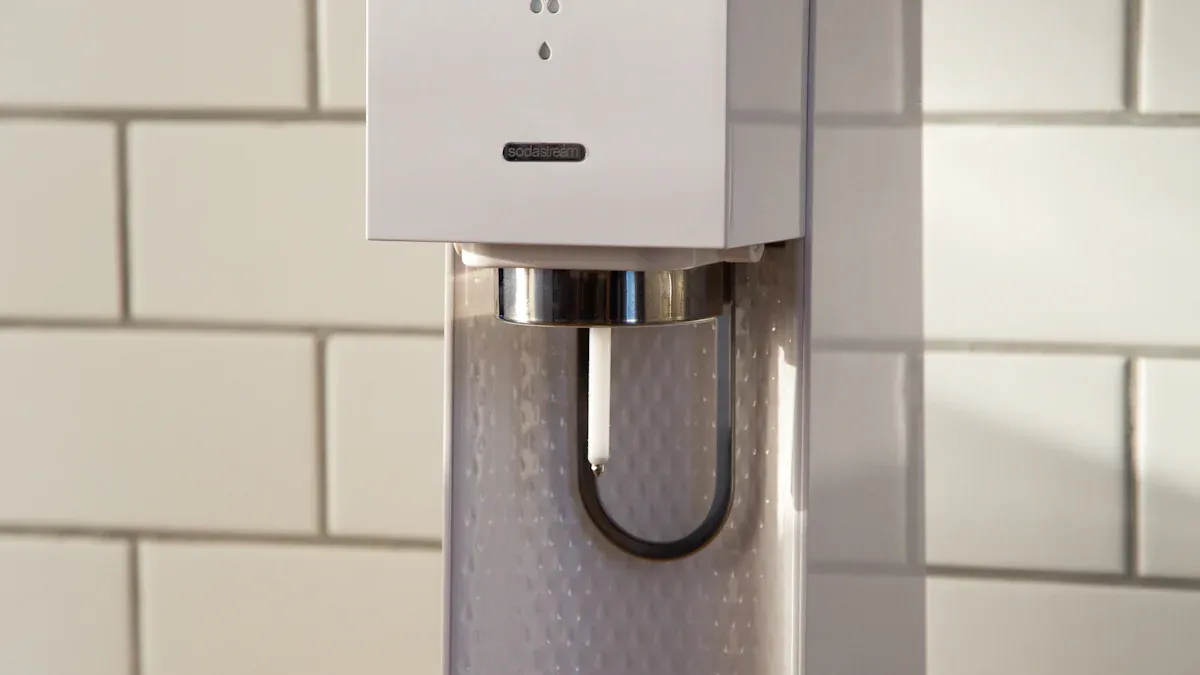
A smart water dispenser offers unparalleled convenience with instant, precisely-controlled water, but it requires a higher upfront investment. The market reflects this growing choice; smart dispenser growth (16.8% CAGR) is more than double that of traditional models (7.8% CAGR). Consider your budget and tech-savviness to determine if this modern appliance fits your lifestyle. 💧
Key Takeaways
- Smart water dispensers offer great convenience and clean water, but they cost more money upfront.
- These dispensers help you drink more water and reduce plastic waste, making them good for your health and the environment.
- You must clean smart dispensers often and replace filters. They also need power and Wi-Fi to work well.
The "Good": Why You Might Love a Smart Water Dispenser
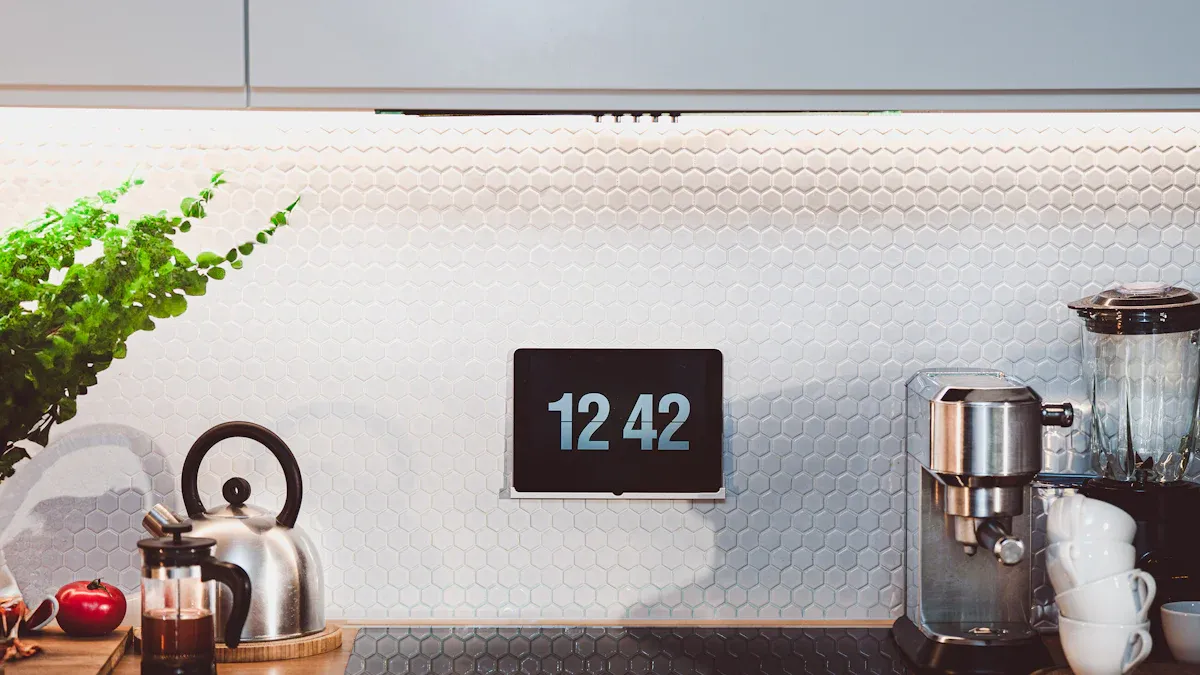
You might find a smart water dispenser to be a fantastic addition to your home. These devices offer more than just water; they provide convenience, purity, and a modern way to manage your health and environmental impact. Let's explore the benefits that make them so appealing.
Ultimate Convenience at Your Fingertips
Imagine getting water at the perfect temperature instantly. You no longer need to wait for a kettle to boil or for tap water to run cold. A smart water dispenser gives you hot, cold, or room-temperature water on demand. This is perfect for a quick cup of tea, a refreshing cold drink, or filling a baby bottle.
Many models also connect to your smartphone. This allows you to control the dispenser without even touching it. App-enabled features often include:
- Hands-free dispensing using Bluetooth® technology.
- Custom temperature and volume presets.
- Scheduling hot water for your morning coffee.
These features make your daily routine smoother and more efficient. You can get the exact water you need with just a few taps on your phone.
Superior Water Purity and Quality
You want the water you drink to be clean and safe. Many smart water dispensers come with advanced, multi-stage filtration systems that go far beyond a standard pitcher filter. These systems are certified to remove a wide range of contaminants from your tap water.
Did You Know? To ensure a filter does what it claims, you should look for certifications from organizations like the NSF (National Sanitation Foundation). Key standards to check for include:
- NSF/ANSI 42: Reduces aesthetic impurities like chlorine (for better taste and odor).
- NSF/ANSI 53: Reduces health-related contaminants like lead and mercury.
- NSF/ANSI 401: Reduces emerging contaminants like pharmaceuticals and herbicides.
These certified filters can remove dozens of harmful substances, including lead, asbestos, pesticides, microplastics, and even 99% of PFAS "forever chemicals." Some high-end models also include UV-C LED sterilization. This technology uses ultraviolet light to target the DNA of microorganisms like bacteria and viruses, making them harmless. The UV-C light activates just before you dispense, ensuring every glass is purified.
Smarter Hydration and Health Habits
Staying hydrated is essential for your health, but it can be hard to track how much water you drink. A smart water dispenser makes it easy. It logs every ounce you dispense and syncs the data to a companion app on your phone.
This technology helps you build better habits. A study in the Journal of Exercise and Nutrition found that women who used a water tracking app increased their daily water intake by an average of 29%. The app can help you set personalized hydration goals based on:
- Your weight and age.
- Your daily activity level (low, medium, active).
- Your local weather conditions.
- Special conditions like pregnancy or breastfeeding.
Many of these apps also integrate with other health platforms you may already use, such as Apple Health or Fitbit. This allows you to see your hydration data alongside your other health metrics, giving you a complete picture of your wellness.
An Eco-Friendly Choice for Your Home
Choosing a point-of-use water dispenser is a great way to reduce your environmental footprint. You can stop buying single-use plastic water bottles, which create significant waste and pollution. For example, one water dispenser on a university campus helped avoid the use of 24,000 plastic bottles in a single year.
You also reduce your carbon footprint. The entire lifecycle of bottled water—from manufacturing the plastic to transporting the bottles—consumes massive amounts of fossil fuels. In fact, the carbon footprint of bottled water can be up to 2,000 times greater than that of filtered tap water.
A modern smart water dispenser is also energy-efficient. An Energy Star-rated model uses about 40% less energy than a non-certified one. It is far more efficient than boiling an electric kettle multiple times a day, which can consume significant electricity over a year. By using an on-demand system, you only heat or cool the water you need, saving energy and lowering your utility bills.
The "Bad": Potential Drawbacks to Consider
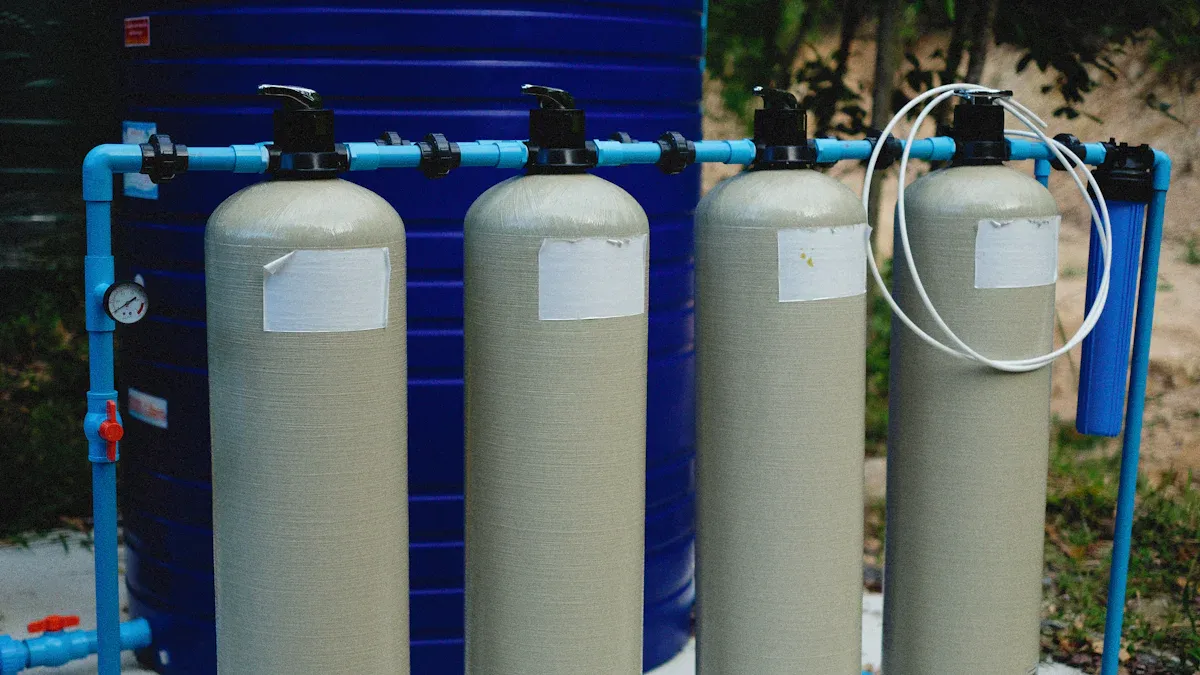
While the benefits are impressive, a smart water dispenser isn't the right choice for everyone. You need to weigh the advantages against some significant drawbacks. These potential issues involve high costs, regular upkeep, and a reliance on technology that might not suit your lifestyle or budget. Let's look at the "bad" side so you can make a fully informed decision.
The High Initial Cost
The most significant barrier for many people is the price. A high-quality smart water dispenser can cost anywhere from $799 to over $2,499. This upfront investment is much higher than traditional water solutions. When you compare the first-year costs, the difference becomes clear.
| Factor | Smart Water Dispenser (Alkaline Machine) | Bottled Water (First Year) |
|---|---|---|
| Upfront Cost | $799–$2,499 | $70–$250 (dispenser) + $30–$90 (bottles) |
| Monthly Cost | $30–$60 (maintenance + electricity) | $282–$287 |
| First Year Total | $1,159 - $3,219 | $3,464 - $3,534 |
| 5-Year Total | $3,099–$4,899 | $16,000+ |
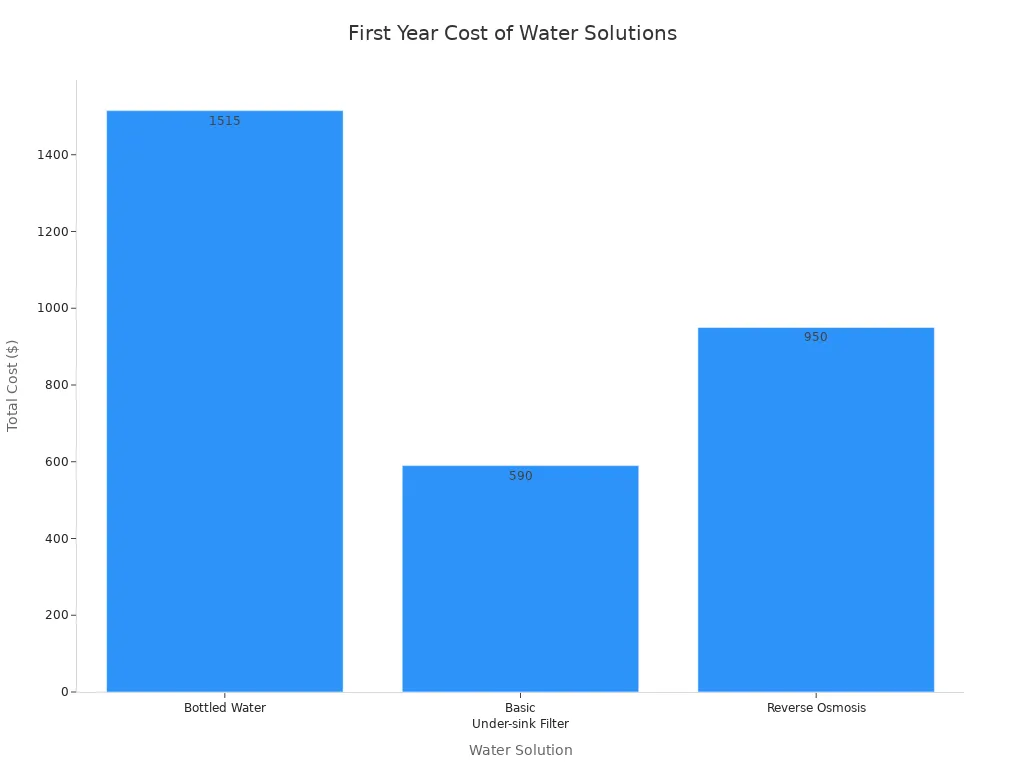
While a smart dispenser may save you money over many years compared to bottled water, its initial cost is far greater than other filtered options. A basic under-sink filter or a reverse osmosis system offers purified water for a much lower entry price.
To make the high price more manageable, some manufacturers offer financing. Companies like GE Appliances and KitchenAid partner with services like Affirm. This allows you to buy now and pay over time with monthly installments. You can often prequalify to see your interest rate (which can range from 0% to 36% APR) without affecting your credit score. These plans have no hidden fees, so you know the total cost upfront.
Ongoing Maintenance and Expenses
Your spending does not end after you buy the dispenser. To ensure your water stays pure and the machine works correctly, you must perform regular maintenance. This involves both your time and additional expenses.
You will need to clean the dispenser regularly to prevent bacteria buildup. A typical cleaning routine includes these steps:
- Turn off and unplug the unit.
- Drain all remaining water from the internal reservoirs.
- Clean all external surfaces, taps, and buttons with warm, soapy water.
- Remove and wash the drip tray.
- Flush the system with fresh water before plugging it back in.
Maintenance Schedule Tip You should perform a basic cleaning weekly and a full system flush monthly. For dispensers in high-traffic areas, more frequent cleaning is better. Additionally, many manufacturers recommend a full internal sanitization by a qualified engineer every 3 to 6 months as part of a service plan.
Filter replacement is another key expense. The advanced multi-stage filters and UV-C lamps need to be replaced periodically. Depending on your water quality and usage, a qualified engineer may need to replace the filters in a mains-fed dispenser every 6 to 12 months. These recurring costs for filters and potential service plans add to the total cost of ownership.
Dependency on Tech and Utilities
A smart dispenser relies on a stable connection to power and Wi-Fi to function. If you have a power outage, you may not be able to dispense any water at all. If your Wi-Fi goes down, you lose access to all the smart features you paid for, like app control, usage tracking, and custom presets.
You also become dependent on the manufacturer's software. Like any smart device, these dispensers can suffer from bugs or glitches, especially after a software update. Common user-reported issues include:
- The dispenser becoming completely unresponsive or getting stuck in an update loop.
- Error codes appearing on the display that indicate sensor or software failures.
- Connectivity problems that prevent the app from syncing with the dispenser.
- The system rebooting into a "demo mode" with the cooling compressor off after a power outage.
These tech issues can be caused by weak Wi-Fi signals, outdated firmware, or even conflicts with other devices in your home. Resolving them can sometimes require technical support, which can be a frustrating experience.
Installation and Space Considerations
You cannot just place a smart water dispenser anywhere. These appliances require careful planning when it comes to space and installation. Countertop models are designed to be compact, but they still take up valuable counter real estate.
- A model like the Brio Q20 measures 9.45" W x 18.7" H x 16.9" D.
- The Bevi Countertop Unit is 10” W x 18.5” H x 11” D.
You must also account for proper ventilation. Some units require several inches of clearance from the wall for heat to escape. Plumbed-in models, also known as point-of-use dispensers, add another layer of complexity. These units connect directly to your home's water line. This often requires professional installation to ensure there are no leaks or plumbing issues. Some models even require drilling a hole in your countertop and need significant clearance in the cabinet below for the chiller and carbonator systems.
A smart water dispenser delivers excellent convenience, advanced filtration, and helps you build healthy habits. However, you must weigh this against a high initial price, regular maintenance, and a reliance on stable power and Wi-Fi. Ultimately, you decide if the high-tech features justify the cost and complexity for your specific needs.
FAQ
What makes a water dispenser "smart"?
Smart features connect the dispenser to an app on your phone. You can track hydration, customize temperatures, and dispense water remotely. This adds convenience and control over your habits.
How often do I need to change the filters?
You typically change filters every 6 to 12 months. Your dispenser's app will notify you when it is time for a replacement based on your actual water usage. 🗓️
Can I still get water during a power outage?
It depends on the model. Some dispensers cannot function without power. Others may offer limited, non-chilled dispensing. You should check the specific model's features before you buy.