Should You Automate Your Lima Bean Sorting Process?
High-volume producers often automate to ensure consistent quality. A lima beans sorting machine offers significant advantages for these operations. In fact, about 55% of food processing plants already use automated sorters, which identify defects with 98% accuracy. However, small-scale or budget-constrained businesses may find manual sorting remains a more practical solution.
Why You Should Automate: The Key Benefits
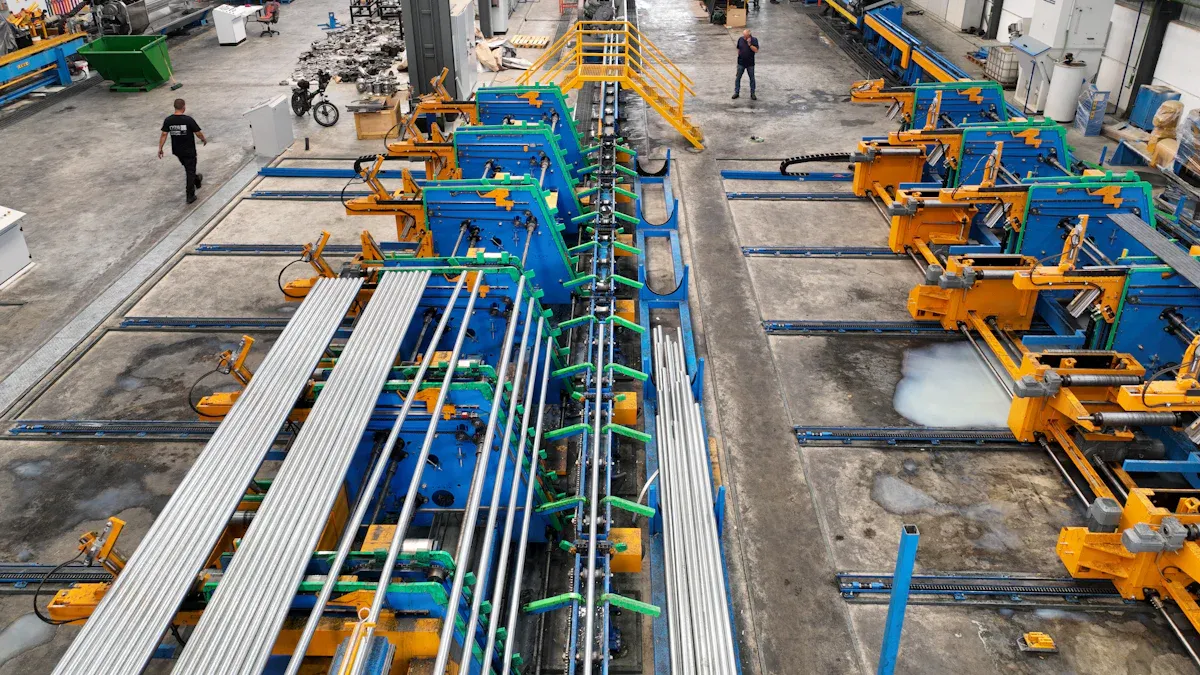
Transitioning to an automated sorting process offers transformative advantages for large-scale lima bean producers. Automation addresses the core challenges of speed, quality, cost, and waste. It provides a strategic edge in a competitive market. The benefits extend beyond simple efficiency gains, impacting the entire production line and the company's bottom line.
Boost Sorting Speed and Throughput
An automated system dramatically increases processing capacity. Manual sorting is slow and limited by human endurance. Machines, however, operate at a relentless pace. AI-powered optical sorting systems, for example, allow producers to sort massive volumes of beans at speeds far exceeding traditional methods. This technology is designed for high-throughput screening, enabling faster and more efficient selection. A business can process more lima beans in less time, directly increasing its total output and revenue potential. (This represents a significant boost or launch)
Guarantee Consistent Product Quality
Human sorters can become fatigued, leading to inconsistent quality control. Automated optical sorters eliminate this variability. They use advanced cameras and sensors to inspect every single bean against pre-set quality standards. This technology significantly enhances the overall quality of beans by effectively removing defective materials.
Pro Tip: Optical sorters achieve an accuracy rate of 95% to 99.99% in removing defects, discolored items, and foreign materials. For some beans, this accuracy can reach an incredible 99.99%, ensuring only the best products reach the consumer.
This level of precision makes the final product safer, more appealing, and consistently high-quality, which strengthens brand reputation.
Reduce Long-Term Labor Costs
While the initial investment is significant, automation delivers substantial long-term savings on labor. A single automated lima beans sorting machine can replace the work of multiple employees. For instance, some advanced sorting systems can do the work of up to six manual sorting stations. This reduction in workforce size translates to major savings in:
- Salaries and wages
- Employee benefits and insurance
- Recruitment and training expenses
The machine operates continuously without needing breaks or shift changes, maximizing operational hours and minimizing labor-related overhead.
Minimize Product Waste
Manual sorting is prone to human error, which often leads to good products being accidentally discarded along with the bad. Automated systems are significantly faster and more precise, drastically reducing these costly mistakes. They use stored data and precise calibration to ensure correct sorting, which protects the product and prevents perfectly good beans from being wasted.
A comparison clearly shows the advantage of automation in protecting your product:
| Feature | Automated Sorting | Manual Sorting |
|---|---|---|
| Sorting Errors | Minimized due to system data storage, ensuring correct sorting. | Frequent sorting errors and lost goods. |
| Product Safety | Ensures goods are sorted safely and correctly. | Cannot guarantee the safety of goods. |
By minimizing the rejection of good products, automation increases the final yield from each harvest. This efficiency directly boosts profitability by ensuring more of your product makes it to market.
Why You Should Wait: The Major Drawbacks
Automation presents a powerful path to efficiency, but it is not a universal solution. For many businesses, the significant hurdles associated with adopting this technology outweigh the potential benefits. A careful analysis of the drawbacks is essential before committing to such a transformative investment. These challenges involve high costs, operational demands, and potential limitations.
The High Upfront Investment
The most significant barrier to automation is the substantial initial capital required. A new lima beans sorting machine represents a major financial outlay that can be prohibitive for small or emerging operations. The price varies widely based on capacity, technology, and features. A look at the market reveals a broad spectrum of costs.
- Basic CCD color sorters can start between $2,100 and $4,000.
- Mid-range machines with higher output often fall between $7,000 and $21,000.
- Advanced, high-capacity systems can easily exceed $30,000 to $50,000 per unit.
This investment extends beyond the machine itself. It also includes costs for installation, facility modifications, and integration with existing production lines. For businesses with tight budgets or fluctuating revenue, this upfront expense is a major reason to wait.
Ongoing Maintenance and Downtime
The costs of an automated sorter do not end after the purchase. These complex machines require regular maintenance to function correctly. Parts wear out, sensors need recalibration, and software requires updates. This creates two ongoing challenges: cost and downtime.
Heads Up: Optical sorting machines have an average service life of 5-10 years. However, many businesses find they need to update or replace them every 3-5 years. This is due to the aging of components and the availability of newer technology with much higher recovery rates.
Scheduled maintenance and unexpected repairs lead to production downtime. (This represents a stop or halt) During these periods, sorting stops entirely, which can create bottlenecks and delay shipments. A business must budget for spare parts, service contracts, and the potential financial impact of lost production hours.
The Need for Technical Expertise
Operating and maintaining an automated sorter requires specialized knowledge. Employees cannot simply switch the machine on and walk away. They need comprehensive training to manage the system effectively. Vendors often provide training programs, but they highlight the complexity of the equipment. For example, a full training curriculum may cover:
- Software Operation: Creating sorting programs, managing lot systems, and analyzing statistics.
- Quality Detection Systems: Calibrating cameras, creating defect presets, and troubleshooting vision systems.
- Machine Mechanics: Understanding hardware, optics, and basic mechanical repairs.
A company must either hire technicians with this experience or invest in extensive training for its current staff. This need for a skilled operator adds another layer of cost and complexity to the automation equation. Without the right expertise in-house, a business risks inefficient operation and prolonged downtime.
Limited Flexibility for Diverse Batches
Large-scale automated sorters achieve maximum efficiency when processing high volumes of a uniform product. This specialization can become a drawback for producers who handle diverse batches. A system calibrated for large lima beans may not perform well with smaller beans or other legumes without extensive recalibration. This process costs time and can reduce overall throughput.
While many industrial machines lack this agility, the market is evolving. Some manufacturers now offer compact, single-channel sorters like the Mmctech SORTURK C-1. These are designed for small to mid-scale processors. Other companies provide customizable machines for specific factory layouts. However, these flexible solutions still require a targeted investment and may not match the sheer volume of their larger counterparts. Businesses that pride themselves on variety and small-batch production may find manual sorting offers superior flexibility.
Calculating the ROI of a Lima Beans Sorting Machine
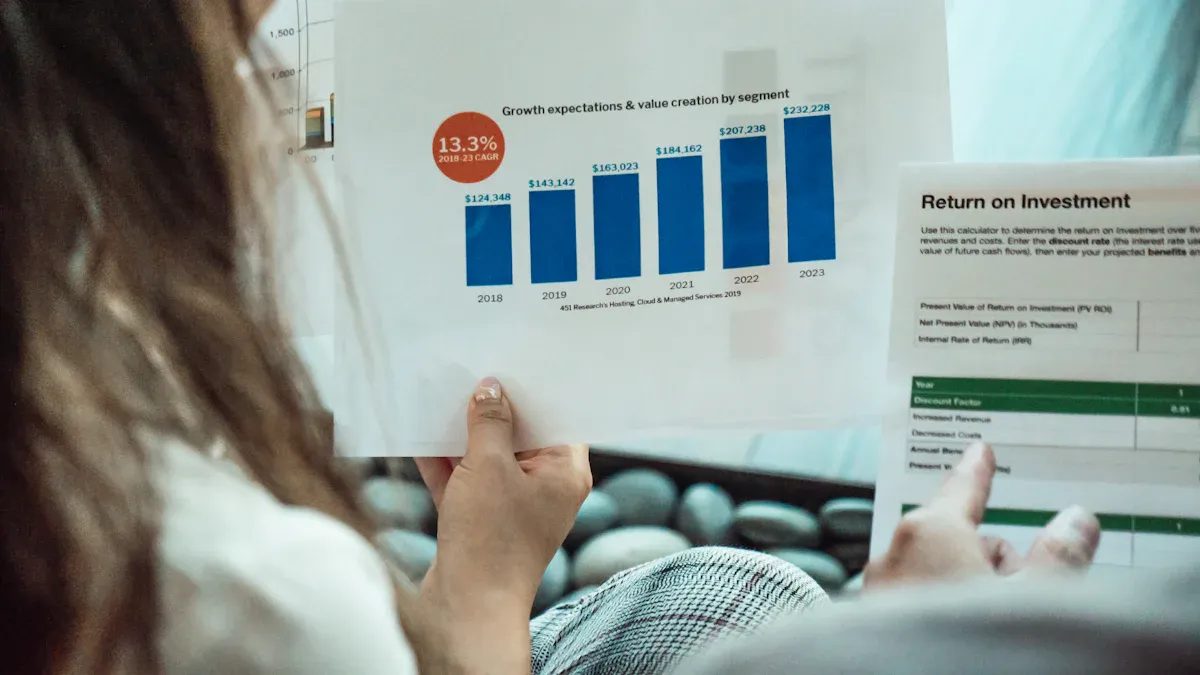
Deciding to invest in automation requires a clear financial justification. Calculating the potential Return on Investment (ROI) provides the data needed to make an informed decision. This process involves analyzing current costs, estimating future gains, and projecting a timeline for profitability.
Tally Your Current Labor Costs
The first step is to calculate the complete cost of manual sorting. This figure goes far beyond base wages. A comprehensive calculation includes all employee-related expenses. These costs often include:
- Benefits: Health insurance, retirement contributions, and paid time off.
- Payroll Taxes: Employer contributions for Social Security, Medicare, and unemployment.
- Supplemental Pay: Overtime hours and performance bonuses.
For many manufacturers, benefits and taxes can add 30% or more to an employee's base salary, revealing a much higher true labor cost.
Estimate Throughput Gains
Next, a business must translate increased production speed into monetary value. Automation boosts throughput by reducing the time it takes to process each unit. This velocity improvement directly increases production capacity and revenue potential. For example, if a machine sorts beans twice as fast as a manual team, it effectively doubles the output in the same amount of time, leading to higher sales volume.
Factor in the Machine's Total Cost
The total cost of a lima beans sorting machine extends beyond its sticker price. Decision-makers must account for all associated expenses, including "hidden costs" like shipping permits, insurance, and installation. Ongoing operational expenditures are also a critical factor.
Note: A business should also budget for energy consumption. While modern sorters are often energy-efficient, their power requirements for continuous operation add to the long-term operational costs.
Project Your Break-Even Point
The final step is to project the break-even point. This calculation determines how long it will take for the investment to pay for itself. A common formula for ROI is (Net Profit / Total Investment) x 100. The break-even analysis uses these figures to identify when the cost savings from reduced labor and increased throughput have fully covered the machine's total cost. This projection clarifies whether the investment is financially viable.
Automation is the right choice for high-volume, quality-focused operations that can absorb the initial cost and have the technical capacity for maintenance. Manual sorting remains a viable and cost-effective solution for smaller, more flexible, or budget-constrained businesses. Calculate your current sorting costs and production volume. If you process over 50 tons per month, it's time to request a quote from an automation vendor.
FAQ
What defects can an automated sorter detect?
Optical sorters identify defects with high precision. They detect discoloration, size and shape irregularities, and foreign materials like stones or sticks, ensuring a superior final product. (This represents machinery or mechanics)
How much volume justifies an automated sorter?
A business should consider automation when production is high. Operations processing over 50 tons of lima beans per month typically see a strong return on investment.
What is the typical lifespan of a sorting machine?
An optical sorter has an average service life of 5 to 10 years. However, many businesses upgrade their systems every 3 to 5 years to access newer, more efficient technology.
See Also
Evaluating Investment in Automated Virus Sampling Tube Assembly Lines
Essential Capsule Checkweighers for Buyers to Consider in 2025
Capsule Sorters: Key to Effective Defect Removal in Production
Boosting Pharma Efficiency with Modern Capsule Decapsulation Machine Technology
Three Essential Industrial Checkweighers for Every Food Processing Plant