7 Pros and 5 Cons of Countertop Hot Water Dispensers
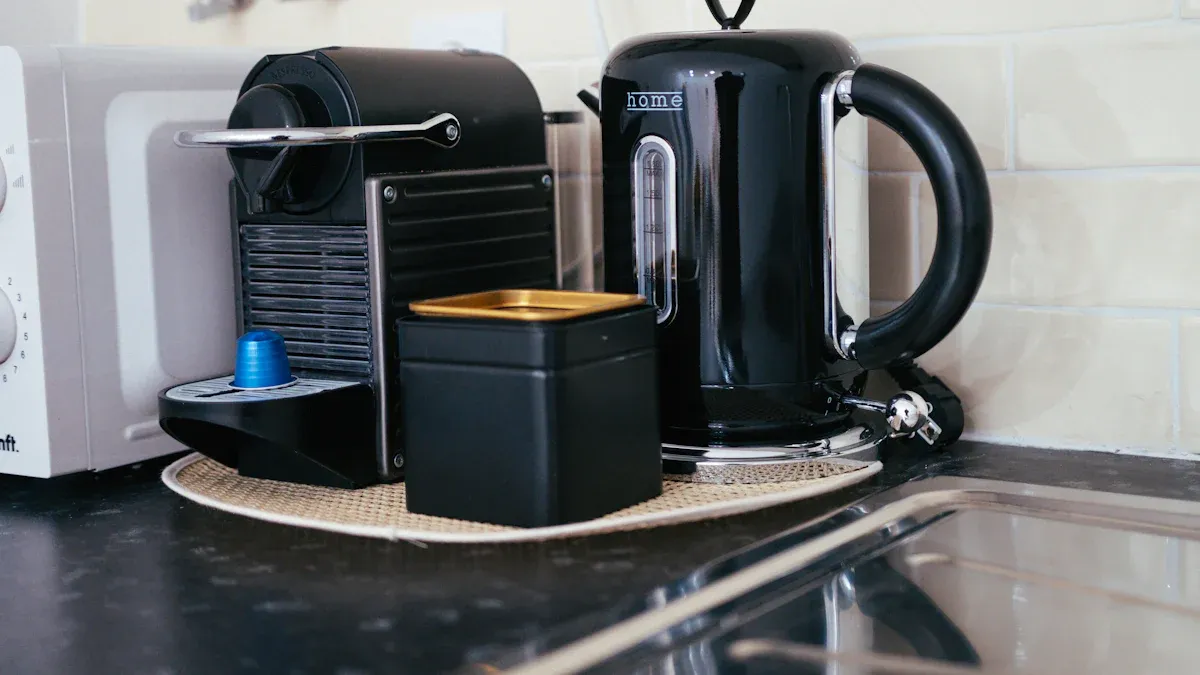
An instant hot water dispenser countertop model offers immediate hot water for drinks or meals. You can skip the 3-to-5-minute wait for a kettle to boil. This saves significant time, as people often spend over 20 minutes daily on hot drinks. It also uses less energy than repeatedly boiling water on a stove.
Key Takeaways
- Countertop hot water dispensers give you hot water right away, saving time and using less energy than boiling a kettle many times.
- These dispensers offer exact temperature control for drinks, clean water with filters, and safety features like child locks.
- However, they cost more at first, need regular cleaning to stop mineral buildup and germs, and take up space on your kitchen counter.
The 7 Key Advantages of a Countertop Hot Water Dispenser
A countertop dispenser offers more than just speed. It brings a new level of convenience and efficiency to your kitchen. You gain precise control and enjoy better-tasting beverages. Let's explore the seven key benefits you can expect.
Pro 1: Instant Hot Water on Demand
The primary advantage is immediate access to hot water. You no longer need to wait for a kettle to boil or a pot to heat up on the stove. Simply press a button or pull a lever, and you have steaming hot water ready for your morning coffee, afternoon tea, or instant oatmeal. This saves you valuable minutes every time you need hot water, adding up to significant time savings throughout your week. ☕
Pro 2: Superior Energy Efficiency
You might think that keeping water hot all day uses a lot of electricity. However, modern dispensers are incredibly well-insulated. They use less energy to maintain a hot temperature than it takes to repeatedly boil a kettle from cold. An insulated tank is more efficient than heating a new batch of water multiple times a day.
A typical comparison shows the clear energy savings:
| Appliance | Total Energy Used (24 hrs) |
|---|---|
| Kettle (boiled 5 times) | 0.565 kWh |
| Instant Hot Water Dispenser | 0.46 kWh |
This shows the dispenser uses less energy over a full day, even when it is always on. You save electricity and lower your utility bills.
Pro 3: Precise Temperature Settings
Different beverages taste best when brewed at specific temperatures. A standard kettle boils water to 212°F (100°C), which is often too hot for delicate green teas or certain types of coffee. Many dispensers allow you to set and hold water at various temperatures.
Pro Tip: For the best flavor, try setting your dispenser to around 175°F (80°C) for green tea and 205°F (96°C) for a perfect pour-over coffee.
This feature gives you the control to extract the perfect flavor from your drinks every time, something a simple kettle cannot offer.
Pro 4: Compact and Space-Saving
While a hot water dispenser countertop model does take up space, many modern units are designed with a small footprint. They are often tall and slim, occupying less surface area than you might expect. This makes them a practical choice even for kitchens with limited counter space.
Here are the dimensions of some common compact models:
| Dimension | Example 1 | Example 2 |
|---|---|---|
| Length | 13" | 19-3/16" |
| Width | 12" | 10-1/4" |
| Height | 20" | 16-7/16" |
These appliances consolidate the function of a kettle and a water filter pitcher into one device, which can actually help you declutter your countertop.
Pro 5: Cleaner, Better-Tasting Water
Many dispensers come with built-in filtration systems. These filters significantly improve the quality and taste of your water. Basic 2-stage systems reduce sediment, chlorine, and odors. More advanced 3- or 4-stage systems often use Reverse Osmosis (RO) filtration. This process removes a wider range of impurities, including dissolved solids, heavy metals, and other contaminants, giving you pure, great-tasting water for your drinks.
Pro 6: Built-In Safety Features
Safety is a major concern with any appliance that handles boiling water. Manufacturers design modern dispensers with multiple safety mechanisms to prevent accidents, especially in homes with children. Common features include:
- Child Safety Locks: These often require a two-step action, like sliding a button while pressing the lever, to dispense hot water.
- Dual-Step Activation: Some models have an electronic system that requires you to press an "unlock" button before the hot water function will work.
- Temperature Regulation: Internal thermostats prevent the water from overheating and ensure it stays at a safe, consistent temperature.
- Leak Detection: Advanced units include sensors that automatically shut off the water supply if a leak is detected, protecting your home from water damage.
Pro 7: Versatile for Many Kitchen Tasks
A hot water dispenser is useful for much more than just making tea or coffee. Its instant nature speeds up numerous daily cooking tasks. You can use it to:
- Quickly prepare instant soups, noodles, or oatmeal.
- Blanch vegetables in seconds to lock in color and nutrients.
- Get a head start on boiling water for pasta or potatoes.
- Easily warm baby bottles or food.
- Help loosen stubborn, greasy food from pots and pans.
This versatility makes it one of the most useful small appliances you can have in your kitchen.
Why a Hot Water Dispenser Countertop Model Saves You Time and Energy
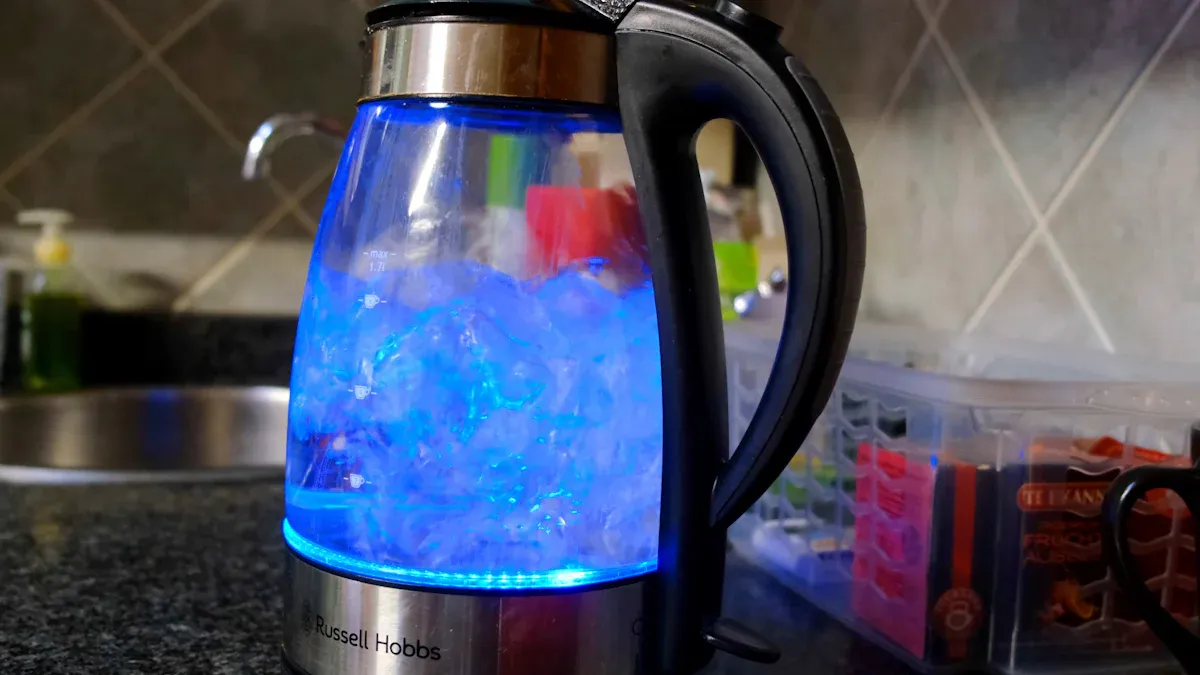
A hot water dispenser countertop model does more than just sit on your counter. It actively gives you back time and lowers your energy bills. You get immediate convenience while also making an eco-friendly choice. Let's look at how it achieves both.
Eliminating the Wait for Boiling
Your daily routine is full of small moments of waiting. Waiting for a kettle to boil is one of them. A dispenser removes this delay entirely. You get hot water the instant you need it. This is perfect for busy mornings or when you want a quick cup of tea without the pause. The difference in convenience is clear when you compare it to a traditional kettle.
| Feature | Electric Kettle | Hot Water Dispenser |
|---|---|---|
| Heating Speed | Fast boil time (3-7 minutes) | Instant hot water |
| Convenience | Wait each time for hot water | Hot water at your fingertips |
| Best for | Single servings, one-off tasks | Frequent/high-volume users |
This instant access streamlines your kitchen tasks, from making drinks to cooking. ⏱️
Reducing Electricity Consumption
Keeping water hot sounds like it would use a lot of power. However, modern dispensers are designed for efficiency. Their insulated tanks hold heat very well. This means they only use a tiny amount of energy to maintain the temperature.
An energy-efficient dispenser uses very little standby power. Some models consume as little as 0.27 to 0.71 watts to keep water ready for you 24/7.
This "sipping" of electricity is much more efficient than the large energy surge a kettle needs to boil cold water multiple times a day. You use less electricity overall, which is better for the environment and your wallet.
The 5 Drawbacks to Keep in Mind
While the convenience is undeniable, a hot water dispenser isn't the perfect solution for every kitchen. You should consider some potential downsides before you buy. These drawbacks relate to cost, maintenance, and the physical space the appliance occupies.
Con 1: The Upfront Investment
The first hurdle for many is the initial cost. A quality hot water dispenser countertop model is a bigger financial commitment than a standard electric kettle. Prices can range from under one hundred to several hundred dollars, depending on the brand, features, and capacity. You are paying for advanced features like precise temperature control, filtration, and instant heating technology. You must decide if the daily convenience justifies this upfront investment for your budget.
Con 2: Regular Cleaning is Necessary
A dispenser requires more maintenance than a simple kettle. You must clean it regularly to keep it working efficiently and ensure your water is safe to drink. Two main issues require your attention: mineral buildup and bacterial growth.
- Mineral Buildup (Limescale): If you live in an area with hard water, minerals like calcium and magnesium will build up inside the dispenser. This limescale can clog internal pipes, reduce heating efficiency, and shorten the appliance's life.
- Bacterial Growth: The warm, dark environment inside a water tank can become a breeding ground for germs. These germs can form a slimy layer called biofilm, which protects them from disinfectants. This may lead to health issues affecting the lungs, skin, or digestive system.
Heads Up! Germs that can grow in uncleaned water systems include Legionella, Pseudomonas, and Nontuberculous mycobacteria.
To prevent these problems, you need to descale your dispenser every 1 to 3 months. Here is a simple cleaning method:
- Power Down: Turn off and unplug the dispenser. Let any hot water inside cool down completely.
- Prepare Solution: Mix a solution of 1 part white vinegar to 1 part water, or use a commercial descaling product.
- Fill and Wait: Pour the solution into the water tank and let it sit for 15–30 minutes.
- Cycle Through: Run the dispenser to circulate the cleaning solution through all the internal lines.
- Rinse Thoroughly: Drain the solution and rinse the system 2-3 times with fresh, clean water until you no longer smell vinegar.
Con 3: Fixed Water Tank Capacity
Unlike a kettle that you can easily refill for each use, a dispenser has a fixed water tank. Most countertop models hold between 2 and 5 liters of water. For example, a standard 3-liter dispenser can provide about 10 cups of hot water before you need to refill it.
This capacity might be perfect for individuals or small families. However, it can become a hassle if you have a large household, host guests frequently, or plan to use it in a busy office. You may find yourself refilling the tank more often than you would like. 💧
Con 4: Takes Up Counter Real Estate
Every appliance you add to your kitchen competes for limited counter space. While many modern dispensers have slim, compact designs, they still require a dedicated spot. Before you buy, you should measure the area where you plan to place the unit. Compare those measurements to the product's dimensions to ensure a good fit. If your counter is already crowded with a coffee maker, toaster, and microwave, adding another appliance might make your workspace feel cramped.
Con 5: Can Be Noisy During Operation
A hot water dispenser is not completely silent. It makes noise when it heats water to maintain the set temperature. The sound is usually a low hum or whirring from the heating element and internal fan.
The noise level is typically between 40 and 50 decibels, which is similar to the sound of a modern refrigerator or a quiet conversation. While it is not loud, the intermittent sound might be noticeable in a very quiet home or an open-plan living space. If you are sensitive to background noise, this is a factor to consider. 🤫
Cost, Space, and Maintenance: Is It Practical for You?
Deciding on a hot water dispenser involves looking at your budget, kitchen space, and willingness to perform upkeep. You need to weigh the daily convenience against these practical factors to see if it’s the right choice for your home.
Budgeting for the Initial Cost
You will notice a price difference between a dispenser and a kettle. A high-quality hot water dispenser countertop model has a higher upfront cost. You are paying for features like temperature control and filtration. However, you should also think about the long-term value. These appliances are often built with durable materials like stainless steel and can last for many years. Regular filter changes help prevent damage from limescale, ensuring you get hassle-free use for a long time.
Here is a general cost comparison:
| Appliance | Average Initial Cost |
|---|---|
| Electric Kettle | $30 - $50 |
| Hot Water Dispenser | $100 - $200+ |
This investment can pay off with daily use and energy savings over time. 💰
Evaluating Your Counter Space
Your available counter space is a major factor. Before you buy, measure the spot where you plan to put the appliance. Check the product's dimensions to make sure it fits comfortably. You also need to think about ventilation. The appliance generates heat and needs room to breathe.
Space Tip: Some models require specific clearance for safety and proper operation. For example, a unit might need to be more than 7 inches away from a wall to allow for heat ventilation.
Leaving enough space around the unit prevents overheating and keeps it running efficiently. Make sure your chosen spot can accommodate both the appliance and its need for airflow.
A hot water dispenser countertop model is worth it if you value daily convenience. You get instant hot water with energy efficiency and safety features. The investment pays off for frequent users. However, a kettle remains a practical choice if your budget is tight or counter space is minimal.
FAQ
Is it safe to leave a hot water dispenser on all the time?
Yes. You can leave it on continuously. These appliances have built-in safety features like thermostats and auto shut-offs to prevent overheating, making them safe for 24/7 operation.
How often should you change the water filter?
You should replace the filter every 4 to 6 months. This schedule depends on your water quality and usage. Always check the manufacturer's specific instructions for your model. 🗓️
Can you use regular tap water in a dispenser?
Yes, you can use regular tap water. The dispenser's built-in filter will purify it for you. Using pre-filtered water can help reduce limescale buildup over time.