Advantages and Disadvantages of a Home Water Dispenser
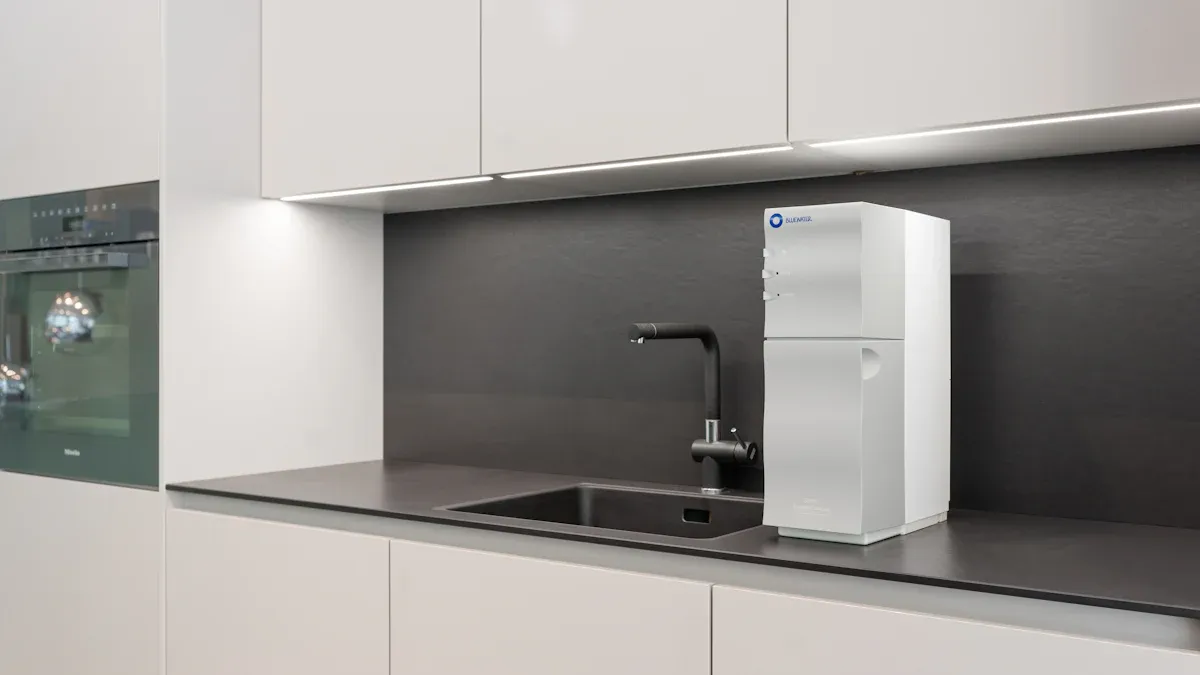
A home water dispenser is a worthwhile investment. You get convenient access to high-quality, great-tasting water. You also help reduce plastic waste. However, a hot/cold water dispenser may not be the right choice for you. It requires a budget, kitchen space, and a commitment to regular cleaning.
Key Takeaways
- A home water dispenser gives you clean, good-tasting water. It saves money over time and helps the environment by reducing plastic waste.
- Water dispensers offer hot and cold water right away. This makes daily tasks easier and saves you time.
- Consider the cost, space, and cleaning needed for a water dispenser. You must clean it often to keep your water safe.
The Advantages: Why a Water Dispenser is a Great Investment
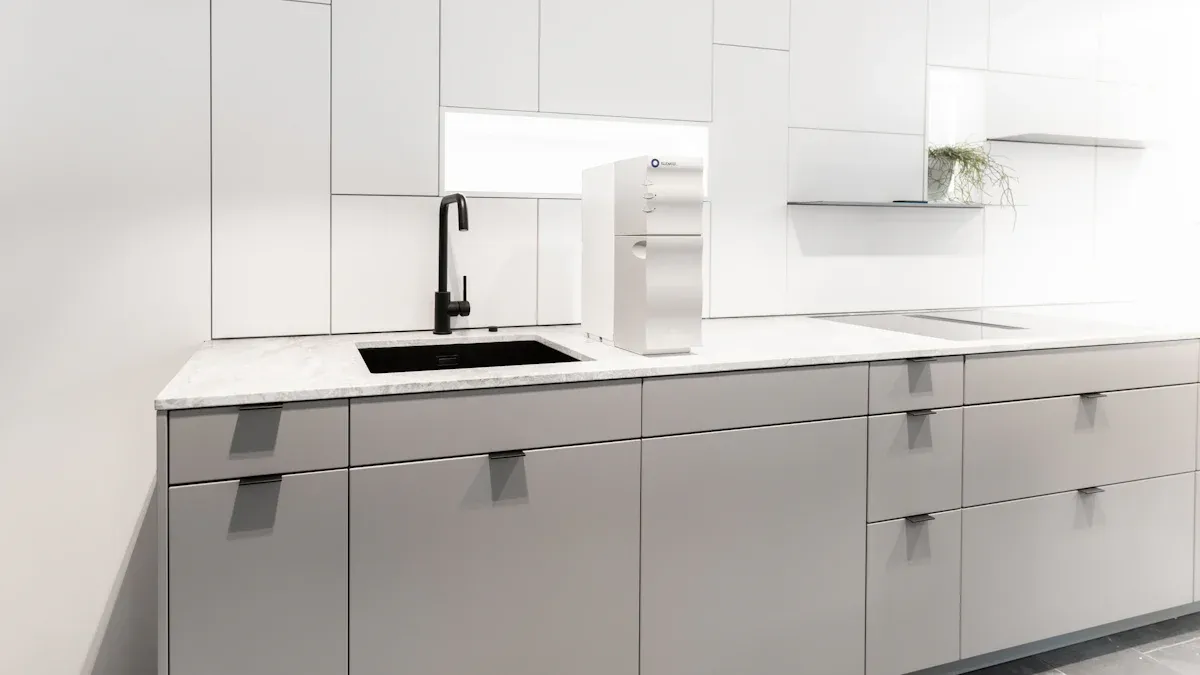
A water dispenser offers more than just water. It provides a range of benefits that can improve your health, save you money, and simplify your daily routine. You will find it is a smart addition to your home. Let's explore the key advantages.
Improve Your Health and Water Taste
You can significantly enhance your family's health by improving your water quality. Tap water often contains contaminants that a quality water dispenser can filter out. This ensures every glass you drink is cleaner and safer.
Note: Many filtration systems remove a wide array of impurities. This gives you peace of mind with every sip.
Common contaminants that filters can remove include:
- Heavy metals like lead and mercury
- Chlorine, which affects taste and odor
- Pesticides and herbicides
- Bacteria and viruses
- "Forever chemicals" like PFAS
Removing these substances not only makes your water safer but also dramatically improves its taste. Different filtration methods target specific impurities to deliver a better drinking experience.
| Filtration Method | Impurities Removed/Action | Taste Improvement |
|---|---|---|
| Activated Carbon | Chlorine, hydrogen sulfide, particulates | Removes chemical and "rotten egg" odors for cleaner, delicious-tasting water. |
| Ultrafiltration | Larger particles, microorganisms | Delivers a purer, more refreshing taste while keeping healthy minerals. |
| Reverse Osmosis | Heavy metals, dissolved salts, bacteria | Produces highly pure, crystal-clear water free from almost all impurities. |
Blind taste tests show that people prefer filtered water. They describe it as crisp and refreshing. Tap water, in contrast, is often called chalky or metallic. A dispenser gives you great-tasting water on demand.
Achieve Long-Term Cost Savings
You might think a water dispenser is an expensive purchase. However, it can lead to significant long-term savings, especially if you currently buy bottled water. The cost of single-use plastic bottles adds up quickly. A family of four can spend between $1,000 and $1,700 annually on bottled water.
Switching to a home water dispenser drastically cuts this recurring expense. While there is an initial purchase price, the cost over several years is much lower than continuously buying bottles. You mainly pay for replacement filters and the small amount of electricity the unit uses.
Let's look at a five-year cost comparison for a family.
| Category | Cost Over Five Years |
|---|---|
| Bottled Water | ~$4,000 |
| Home Filtration System | < $2,000 |
| Potential Savings | ~$2,000+ |
The numbers are clear. You can save thousands of dollars over time. A water dispenser is an investment that pays for itself by eliminating your need for expensive bottled water.
Enjoy Unmatched Daily Convenience
Imagine having perfectly chilled or steaming hot water available instantly. A hot/cold water dispenser brings this level of convenience directly into your kitchen. You no longer need to wait for the kettle to boil or for a pitcher to chill in the fridge. This saves you valuable time throughout the day. ⏱️
This immediate access to water at the right temperature simplifies many daily tasks.
- Morning Rush: Instantly make coffee, tea, or oatmeal.
- Meal Prep: Quickly prepare instant soups, noodles, or gelatin.
- Family Needs: Warm baby bottles and food in seconds.
- Hydration: Fill your reusable water bottle with cold, filtered water before heading out.
How much time do you really save? An electric kettle takes 3-5 minutes to boil. A dispenser provides hot water immediately. One survey found that office workers spend about 24 minutes each day just getting hot drinks. A dispenser at home gives that time back to you and your family.
Reduce Your Environmental Footprint
Choosing a water dispenser is a powerful step toward a more sustainable lifestyle. The production and transportation of single-use plastic bottles have a massive environmental impact. Each plastic bottle creates a significant carbon footprint.
The production of PET plastic, which is used for water bottles, is an energy-intensive process. It releases large amounts of carbon dioxide. Transporting billions of bottles around the world adds even more emissions.
By filling a reusable bottle from your dispenser, you can reduce your drinking water's greenhouse gas emissions by approximately 79%.
Using a home water dispenser helps you break this cycle of waste. You drastically reduce the amount of plastic your household consumes. This means less plastic ending up in landfills and oceans. It also means you are lowering the demand for new plastic production. You make a positive choice for the planet every time you refill your glass. 🌎
The Disadvantages: What to Consider Before Buying
While a water dispenser offers many benefits, you should also understand the potential drawbacks. These units require an investment of money, space, and time. Knowing these challenges upfront will help you make an informed decision.
Upfront and Maintenance Costs
The initial purchase price is a primary consideration. A quality water dispenser is an appliance, and its cost reflects that. Prices can vary widely based on the type, filtration system, and features. Basic models are more affordable. High-end systems with advanced filtration can cost several thousand dollars.
You can see the price differences in the table below.
| Model Type | Example Price Range |
|---|---|
| Countertop Ultra Filtration | ~$599.00 |
| Countertop Reverse Osmosis | ~$695.00 |
| High-End Freestanding | ~$3,400.00+ |
Note: These prices do not include potential installation fees or ongoing maintenance supplies.
The spending does not stop after the initial purchase. You must also budget for recurring maintenance costs.
- Filter Replacements: Filters need to be replaced regularly, typically every six months to a year. The cost of replacement filters can add up over time.
- Electricity: A hot/cold water dispenser uses electricity to heat and cool the water. This will add a small but consistent amount to your monthly utility bill.
- Repairs: Like any appliance, a water dispenser can break down and may require professional repairs, which can be costly.
Installation and Space Requirements
You need to consider where the dispenser will go. These appliances take up valuable counter or floor space in your kitchen. Before you buy, you should measure the intended area carefully.
Here are some typical dimensions to give you an idea of their footprint:
- Countertop Model: A unit can be around 18.5 inches high, 10 inches wide, and 11 inches deep.
- Freestanding Model: A floor unit can stand over 47 inches tall with its base.
Installation can also be a challenge, especially for point-of-use (POU) models that connect directly to your water line. While some people can do it themselves, the process is often complex. You may need to hire a plumber.
A typical POU installation involves several steps:
- Cutting and connecting tubing without creating kinks.
- Mounting the filtration system securely under the sink.
- Connecting tubes to the filter head and faucet.
- Flushing the entire system for several minutes to clear it out.
- Checking all connections for leaks before plugging the unit in.
If these steps seem difficult, you should factor the cost of professional installation into your budget.
The Need for Regular Upkeep
A water dispenser is not a zero-maintenance appliance. You must clean it regularly to ensure the water remains safe and free from bacteria. Neglecting this upkeep can lead to the buildup of biofilm, a slimy layer of microorganisms, inside the machine.
Experts recommend a consistent cleaning schedule to keep your dispenser sanitary.
- Daily: You should wipe the outside surfaces and empty the drip tray.
- Weekly: It is important to clean the dispensing nozzles.
- Monthly: You may need to descale the unit to remove mineral buildup.
- Every 6 Months: A deep cleaning and sanitization of the entire system is crucial to prevent bacteria growth.
The cleaning process itself requires time and attention. You cannot simply wipe it down. You must follow a specific procedure to sanitize the internal components.
A typical cleaning routine looks like this:
- Unplug the unit and remove the water bottle or turn off the water supply.
- Prepare a cleaning solution of either unscented bleach and water or vinegar and water.
- Wipe down the internal reservoir and parts with the solution.
- Pour the cleaning solution into the reservoir and let it sit for about five minutes.
- Drain the solution completely through the spigots.
- Rinse the system thoroughly by flushing it with several gallons of fresh water until there is no taste of the cleaning solution left.
This regular maintenance commitment is essential for the health and safety of your family.
Key Features to Look For in a Hot/Cold Water Dispenser
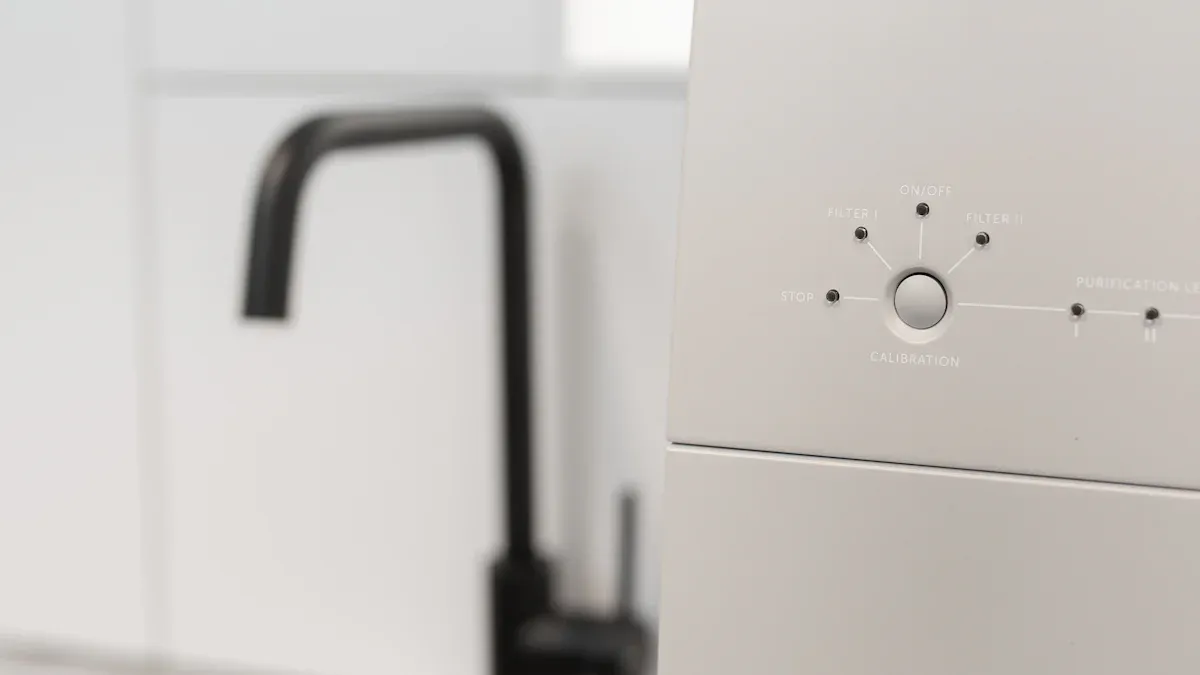
Choosing the right dispenser means looking at its features. You should compare filtration, temperature, and capacity to find the best fit for your home. This will help you get the most value from your purchase.
Filtration Capabilities
The filter is the most important part of a water dispenser. It removes harmful substances from your water. Different filters target different impurities.
- Activated Carbon: This filter removes chlorine and improves taste.
- Reverse Osmosis (RO): This is a powerful method. It removes heavy metals, salts, and even bacteria.
- Ultraviolet (UV): This system uses light to kill bacteria and viruses.
When you shop, look for certifications from organizations like NSF, WQA, or IAPMO. These marks mean the filter has been tested to meet safety and performance standards, like NSF/ANSI 42 and 53.
Temperature Options
A hot/cold water dispenser offers great convenience. You can get water at the perfect temperature instantly. Most models provide a standard range for both hot and cold water.
- Cold Water: Usually between 43°F and 50°F, perfect for a refreshing drink.
- Hot Water: Typically between 165°F and 194°F, ideal for tea, coffee, or instant meals.
This feature saves you from waiting for a kettle to boil or a pitcher to chill.
Dispenser Types and Capacity
You can choose between two main types of dispensers.
- Bottled Dispensers: These use large, 5-gallon jugs. They are easy to set up but require heavy lifting and storage space for extra bottles.
- Point-of-Use (POU) Dispensers: These connect directly to your water line. They provide unlimited filtered water and have a lower long-term cost.
Your household size determines the capacity you need. A small household of one or two people can use a 2-3 gallon dispenser. A larger family will likely need a 5-gallon model or a POU system for a continuous supply.
Is It Better to Rent or Buy a Water Dispenser?
You have decided a water dispenser is right for you. Now you must choose whether to buy one outright or rent it. Both options have distinct advantages. Your budget and maintenance preferences will guide your decision.
The Case for Buying
Buying a water dispenser is a smart financial move if you plan for the long term. You pay a higher price upfront. However, you gain full ownership and avoid monthly rental fees. Over several years, buying is often more economical.
Key financial benefits of owning your dispenser include:
- No Ongoing Fees: You eliminate recurring rental charges from your monthly budget.
- Long-Term Savings: Your only ongoing costs are for replacement filters and electricity, making it cheaper over time.
- Asset Ownership: A high-quality dispenser is a durable appliance that adds value to your home for many years.
Buying makes the most sense if you are ready for the initial investment and want to achieve the lowest possible cost over the life of the appliance.
When Renting Makes Sense
Renting is an excellent option if you prefer a lower initial cost and zero maintenance worries. Rental plans allow you to get a dispenser in your home for a small monthly fee. These fees are often less than $10 per month but can range up to $18 for premium models.
The biggest advantage of renting is the included service. Rental companies typically handle all the difficult tasks for you. 🤝
A rental agreement often includes:
- Professional installation and setup.
- Regular maintenance checks to ensure water quality.
- All necessary filter replacements and repairs.
Renting provides complete peace of mind. You get all the benefits of filtered water without the responsibility of upkeep. It is a convenient, hassle-free solution.
Deciding on a hot/cold water dispenser means weighing its convenience against the cost and upkeep. It is an excellent choice for families seeking safer, better-tasting water and a way to reduce plastic waste. Consider your budget, space, and willingness to clean to make the best choice for your home.
FAQ
How much electricity does a dispenser use?
Your dispenser's electricity use depends on the model and your usage. It typically adds a small amount to your monthly utility bill, similar to other small kitchen appliances.
How often do I need to change the filters?
You should replace the filters every six to twelve months. This schedule ensures your water stays clean and safe. Always check the manufacturer's specific recommendations for your model.
Is a dispenser better than a filter pitcher?
A dispenser offers more benefits than a pitcher. You get instant hot and cold water. It also provides more advanced filtration and a continuous supply without constant refilling.