Weighing the Good and Bad of Glass Water Dispensers
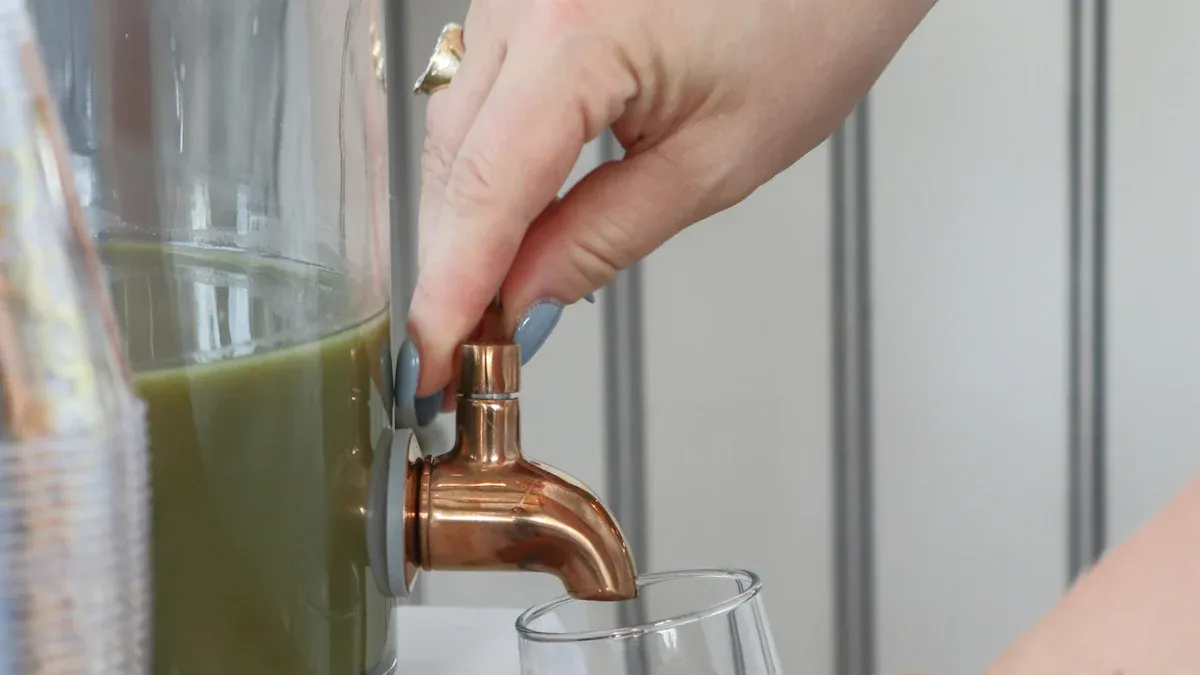
You prioritize pure taste and health in your daily hydration. A glass water dispenser is an excellent choice for you, provided you can handle its maintenance.
It offers superior water quality and environmental benefits. However, a glass water dispenser with stand also comes with trade-offs in cost and convenience.
Key Takeaways
- Glass water dispensers offer pure taste and are chemical-free. They also look good and last a long time.
- Glass dispensers can break easily. They are heavy and cost more money upfront.
- You must clean glass dispensers often. You also need a safe place for them, often with a stand.
The Upside: Health and Purity Benefits
When you choose a glass water dispenser, you are investing directly in your health and the quality of your daily hydration. The material itself offers significant advantages that plastic and other materials simply cannot match.
Unmatched Purity and Taste
You expect your water to taste crisp, clean, and refreshing. Glass delivers this experience better than any other material. The surface of the glass is non-porous. This means it does not absorb flavors, odors, or residual tastes from previous contents or the environment. Your water tastes exactly like water, with no strange plastic aftertaste.
Plastic, on the other hand, is semi-permeable. It can allow tiny amounts of oxygen to seep in over time, which alters the flavor of the water inside. Glass creates a superior barrier, protecting the pure taste of your water. You can notice this difference with many beverages:
- Milk keeps its fresh, clean taste far better in glass.
- Sparkling water holds its carbonation and fizz longer in a glass bottle.
- Delicate liquids like olive oil and cold brew coffee maintain their complex flavor profiles without contamination.
A Chemical-Free Hydration Source
One of the most compelling reasons to switch to glass is to protect your health from harmful chemicals. Many plastic containers contain additives like bisphenols (BPA) and phthalates. These chemicals can leach from the plastic into your drinking water, especially when exposed to heat or sunlight.
Decades of research show that these chemicals pose serious health risks. They are known as endocrine disruptors, meaning they can interfere with your body's hormones.
A Note on Vulnerability 🩺
According to pediatricians and epidemiologists, early life exposure to these plastic additives can increase the risk for obesity, metabolic disorders, and problems with brain development in children. Pregnant individuals and young children are especially vulnerable to these effects.
By using a glass water dispenser, you eliminate this risk entirely. Glass is an inert material. It contains no harmful chemicals that can migrate into your water. You get pure hydration, free from carcinogens, neurotoxins, and endocrine disruptors. This gives you peace of mind with every glass you drink.
Keeping Your Water Fresh
Glass excels at keeping your water fresh for longer periods. Its inert and impermeable nature provides a stable environment for water storage. Unlike plastic, glass does not react with the water it holds. This ensures the water's composition and freshness remain unchanged from the moment you fill the dispenser.
Furthermore, glass provides an excellent barrier against outside contaminants. It shields the water from moisture and ambient odors in the air. This protective quality ensures that the last glass of water from your dispenser is just as fresh and pure as the first. 💧
The Upside: Practical and Aesthetic Advantages
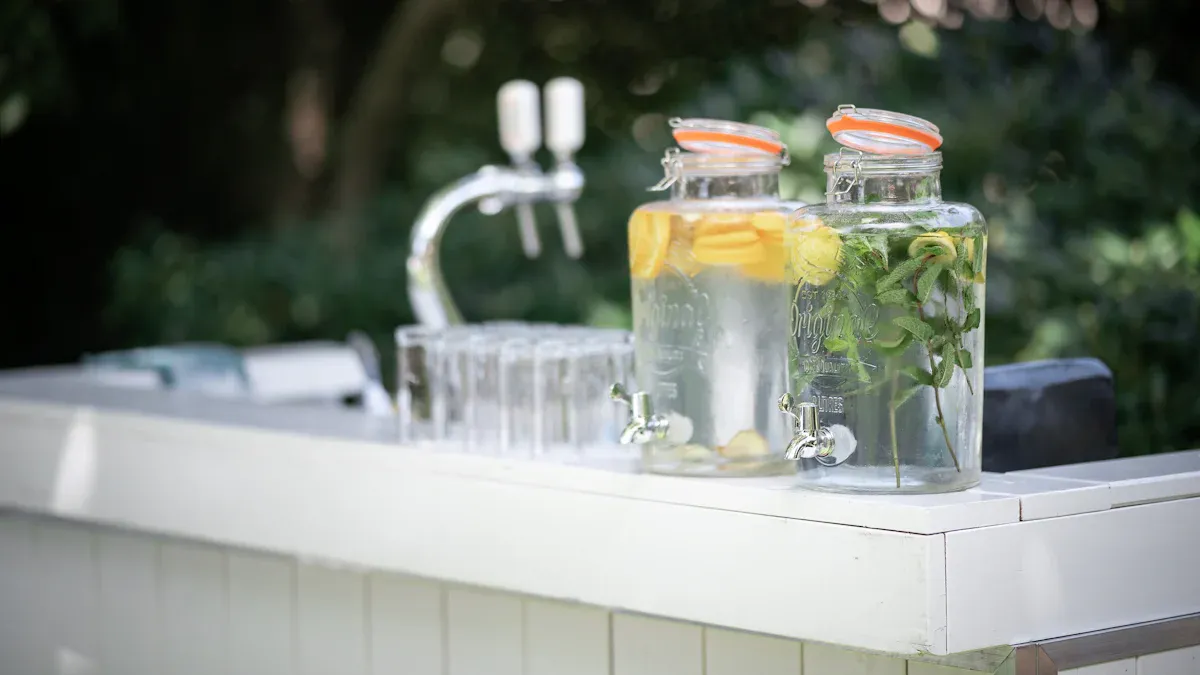
Beyond health benefits, a glass water dispenser offers practical and visual rewards. You upgrade both the function and the style of your space.
Elegant Kitchen and Office Decor
A glass water dispenser adds a touch of sophistication to any room. Its clear, sparkling appearance elevates your kitchen counter or office breakroom. The simple, clean lines of glass fit well with many decor styles, from modern minimalist to rustic farmhouse. It looks intentional and beautiful. Plastic dispensers, in contrast, often look purely functional and can cheapen a room's aesthetic. The visual appeal of glass makes hydration an elegant experience. ✨
Long-Term Durability
You might think glass is not durable, but it has a unique kind of resilience. Unlike plastic, glass does not degrade over time. It resists scratches from regular cleaning and will not yellow or become cloudy from sun exposure.
A glass dispenser maintains its crystal-clear look for years. Plastic, however, can stain and absorb odors, requiring more frequent replacement to keep things looking and smelling fresh.
With proper care, your glass dispenser can last a lifetime, making it a sustainable and cost-effective choice in the long run.
Easy to See When It's Time to Clean
The transparency of glass is a major practical advantage. You can instantly see the water level and, more importantly, the cleanliness of the container. This transparency acts as a built-in reminder for maintenance. You will notice any sediment, dust, or early signs of algae growth right away. This allows you to clean the dispenser before any buildup becomes a problem, ensuring your water stays pure and safe. 🧼
The Downside: Practical Challenges to Consider
While glass offers superior purity and style, you must also weigh its practical drawbacks. These challenges relate to its physical properties and cost. You need to be realistic about whether a glass dispenser fits your lifestyle.
The Inherent Risk of Breakage
The most obvious downside to glass is its fragility. You must handle your glass dispenser with care at all times. An accidental bump against the counter or a slip while cleaning can lead to a chip, a crack, or a complete shatter. This risk is something you need to consider, especially in a busy household.
- Homes with Children or Pets: A glass dispenser might not be the safest choice if you have active kids or large pets. A stray ball or a wagging tail could easily cause an accident.
- High-Traffic Areas: You should avoid placing the dispenser in a busy hallway or a cramped kitchen corner where it might get knocked over.
Safety First! ⚠️
If your glass dispenser gets a small chip or crack, you should stop using it immediately. A small flaw can weaken the entire structure, making it more likely to break unexpectedly. It is better to replace it than to risk a sudden failure.
Heavy and Difficult to Move
Glass is a dense and heavy material. A large glass dispenser is heavy even when empty. When you fill it with several gallons of water, its weight increases significantly. A gallon of water weighs about 8.34 pounds (3.78 kg). A 3-gallon dispenser could weigh over 30 pounds when full. This weight presents several challenges for you.
Lifting the dispenser to place it on a stand or counter requires strength and a secure grip. Cleaning becomes a more involved task. You have to carefully carry the heavy container to the sink. Refilling it also means you must manage this substantial weight. If you have back problems or limited strength, the daily reality of handling a heavy glass dispenser might be too demanding.
The Higher Upfront Cost
You will notice that glass water dispensers typically have a higher price tag than their plastic counterparts. The cost reflects the materials and manufacturing process. Creating a large, durable, and perfectly clear glass vessel is more complex and expensive than molding plastic.
While you can view it as a long-term investment, the initial expense is a factor. You might pay two to three times more for a glass model compared to a standard BPA-free plastic one. You are paying a premium for the benefits of purity, taste, and aesthetics. You must decide if those advantages are worth the higher upfront cost for your budget. 💰
The Downside: Maintenance and Setup
Proper maintenance and thoughtful placement are critical for a glass dispenser. You need to plan for its cleaning and find a permanent, safe home for it.
Regular Cleaning is a Must
Glass shows every smudge and speck of dust. This transparency means you cannot ignore cleaning. To prevent algae or biofilm from growing, you must clean your dispenser regularly. A consistent cleaning schedule keeps your water safe and pure.
Recommended Cleaning Schedule 🗓️
Component Cleaning Frequency Water Reservoir Weekly Drip Tray Weekly Spigot/Faucet Weekly Exterior Weekly Internal Parts Every 3-6 Months
Finding the Right Spot
You cannot place your glass dispenser just anywhere. The right environment protects the dispenser and keeps your water cool. You should find a location that meets these conditions:
- Avoid direct sunlight. Sunlight can heat the water and encourage algae growth.
- Choose a cool, ventilated area. Good airflow helps the dispenser function properly.
- Stay away from heat sources. Keep it clear of stoves, heaters, or other appliances.
Finding a safe, low-traffic spot is key. This is especially true if you have a glass water dispenser with stand.
Do You Need a Glass Water Dispenser with Stand?
Most glass dispensers require a stand. The spigot is often too low to fit a cup underneath if you place the dispenser directly on a flat counter. A glass water dispenser with stand elevates the unit, making it easy to use. The stand also provides a stable base. This setup means you need dedicated counter or floor space. A glass water dispenser with stand becomes a piece of furniture. You must consider if you have the right spot for a complete glass water dispenser with stand before you buy one.
A glass water dispenser is worth it if you prioritize pure taste and eco-friendliness. You must be willing to handle it carefully. If your main concerns are cost and durability in a busy home, a high-quality plastic or steel model may be a better fit for you.
Ultimately, you must balance the superior experience of glass with its practical demands.
FAQ
How do you clean a glass water dispenser?
You can clean it with warm, soapy water or a mix of vinegar and water. A bottle brush helps you scrub the inside. Rinse it thoroughly before refilling.
Is a glass dispenser safe with kids? 👨👩👧👦
You must be careful with glass around active children. Place it in a low-traffic area. A sturdy stand also helps prevent accidents and improves overall stability.
What is the best alternative if glass is not for you?
You can consider high-quality, BPA-free plastic for a lighter option. Stainless steel is another durable, non-toxic choice that keeps your water cold and fresh.