The Good and Bad of DTF Transfers You Need to Know
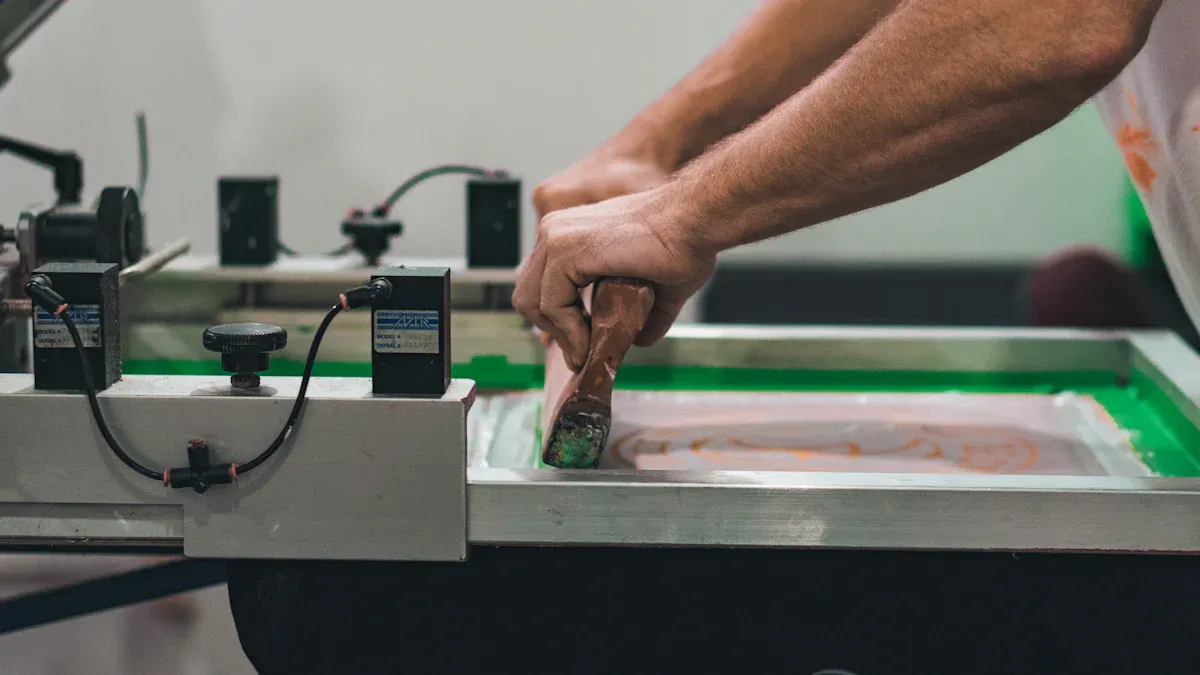
DTF (direct to film) transfers provide a go-to method for creating durable, full-color designs on various fabrics. The main trade-off involves the feel, as prints can be less breathable. This dtf direct to film process is an ideal, cost-effective solution for small businesses, reflected in strong market projections:
| Metric | Value |
|---|---|
| Projected CAGR (2025-2030) | 6.0% |
| Market Size (2024) | USD 2,720.0 million |
| Projected Market Size (2030) | USD 3,920.0 million |
Key Takeaways
- DTF transfers work on many fabrics. They make colorful designs. This method is good for small orders.
- DTF prints are strong. They last through many washes. Follow care steps to keep them looking good.
- DTF prints can feel thick. They are slower for big orders. This method needs a skilled person to get good results.
The Good: Why DTF Is a Top Choice for Custom Apparel
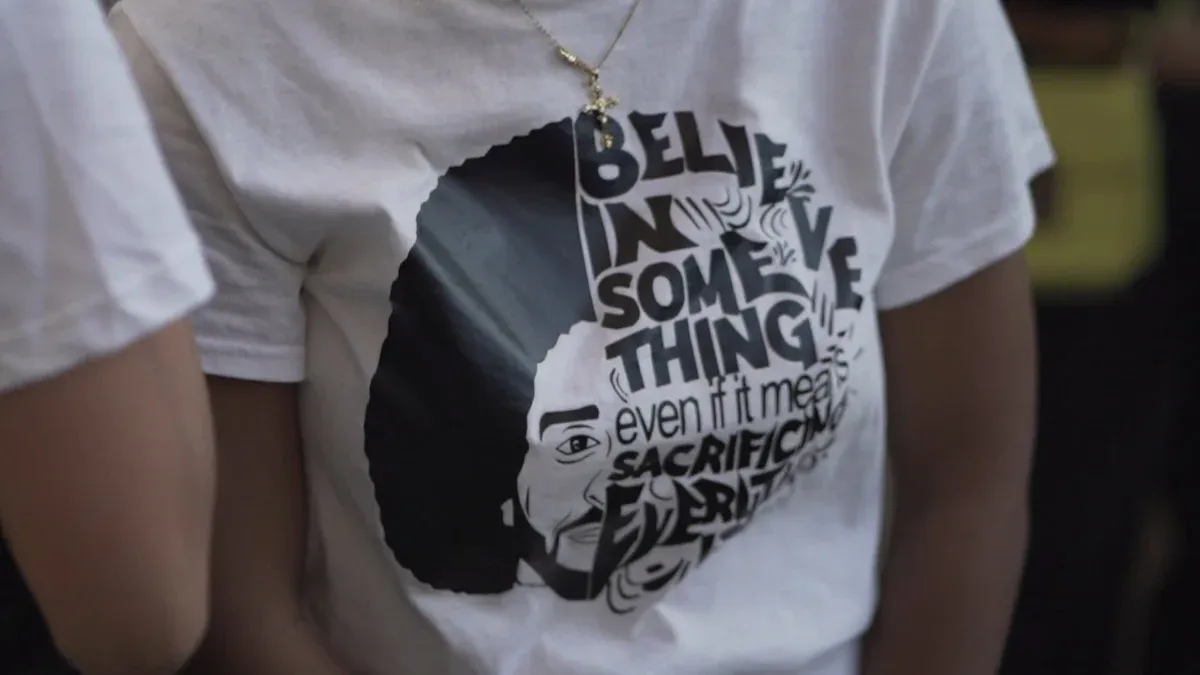
Direct-to-film (DTF) printing presents several compelling advantages for apparel decorators. Businesses find it a versatile and high-quality solution. Its strengths in fabric compatibility, design detail, durability, and cost-effectiveness make it a leading choice in the custom garment industry.
Print on Almost Any Fabric
One of the most significant benefits of DTF transfers is their remarkable versatility across different materials. This technology successfully adheres to a wide array of fabrics, moving beyond the limitations of other printing methods. It works exceptionally well on common materials like cotton and polyester. It also performs reliably on more challenging textiles.
Pro Tip: For best results, always ensure the fabric surface is clean, dry, and free of dust. A clean surface helps the adhesive powder bond correctly with the fibers, preventing transfer failures.
This adaptability extends to various synthetic and blended fabrics popular in specialized apparel:
- Nylon: This material is excellent for activewear, jackets, and outdoor gear. Operators must pay close attention to heat settings to prevent damage during application.
- Spandex/Lycra: Often found in swimwear and athletic apparel, these stretchy fabrics are compatible with DTF. They may require specific pre-treatments to ensure strong ink adhesion.
- Tri-blends: These luxurious fabrics are generally compatible, though they demand more careful handling during the washing process to maintain print integrity.
However, not all fabrics are suitable for the dtf direct to film process. Certain materials can cause poor print quality or adhesion problems.
- Textured Fabrics: Materials with uneven surfaces like velvet, corduroy, or waffle cloth can prevent the transfer from bonding completely.
- Heat-Sensitive Fabrics: Some textiles have a low heat tolerance and may not withstand the heat press process, leading to improper adhesion.
- Thick or Thin Materials: Fabrics that are excessively thick or thin may not receive the print evenly, resulting in a flawed final product.
Get Vibrant, Detailed Designs
DTF technology excels at reproducing complex, full-color graphics with stunning clarity. It allows for photorealistic images, intricate patterns, and smooth gradients without the multi-step screen preparation required in traditional methods. High-end DTF printers achieve impressive resolutions, with some models reaching up to 2400 x 1200 dpi.
Modern printers, like the ColDesi 24H5, even offer expanded color gamuts. These systems use additional inks beyond the standard CMYK, such as orange and green (CMYKOG), to produce deeper color saturation and more nuanced tonal transitions. This capability is ideal for high-fidelity brand logos and detailed artwork.
When comparing DTF to other methods, its visual output stands out.
| Printing Method | Color Detail & Photorealism |
|---|---|
| DTF Technology | Excellent for photo-realistic images. It produces vibrant, high-resolution prints without complex setup. |
| Sublimation | Excellent on polyester. It offers photorealistic quality but is limited to specific synthetic fabrics. |
| Screen Printing | Very good for solid spot colors. It becomes complex and costly for multi-color designs and gradients. |
Unlike Heat Transfer Vinyl (HTV), which is best for simple, single-color shapes, DTF printing easily handles photorealistic designs, enhancing the visual appeal of any garment.
Count on Excellent Durability
A key concern for any custom apparel is how well the design holds up over time. High-quality DTF transfers demonstrate impressive resilience and longevity. With proper application and care, these prints can endure numerous wash cycles without significant degradation.
Tests show that a well-applied DTF print can remain bright and crack-free for over 50 washes. To achieve this, users should follow best practices:
- Wash the garment inside out in cold water.
- Use a mild detergent.
- Tumble dry on a low-heat setting or hang dry.
When compared to traditional screen printing, DTF holds its own, though there are minor differences.
| Feature | Screen Printing (Plastisol) | DTF |
|---|---|---|
| Wash Durability | Excellent | Good |
| Crack Resistance | High | Medium |
| Peeling Risk | Low | Moderate |
While a plastisol screen print on cotton may have a slight edge in crack resistance over 50+ washes, a correctly applied DTF transfer offers comparable wash durability. Its performance is particularly strong on synthetic fabrics, where it bonds effectively and resists peeling.
Save Money on Small Orders
For startups, small businesses, and one-off custom projects, cost is a critical factor. DTF printing shines in this area by eliminating the steep setup costs associated with other methods like screen printing.
This core advantage makes DTF highly economical for small-batch production. Screen printing requires creating a separate screen for each color in a design, which is expensive and time-consuming. These setup fees are distributed across the order, making small runs very costly. With DTF, the cost per print remains low and consistent, regardless of the number of colors.
Here is a typical cost comparison for a small order of 10 four-color shirts:
| Printing Method | Cost Per Piece (1-25 pieces) |
|---|---|
| DTF Printing | $1.05 - $7.00 |
| Screen Printing | $5.00 - $15.00 |
The financial barrier to entry is significantly lower with DTF. Businesses can offer customers full-color, custom designs on single items or small batches without inflating the price, making it a perfect solution for personalized gifts, team uniforms, and merchandise testing.
The Bad: What You Need to Watch Out For
While DTF printing offers significant advantages, businesses must also consider its drawbacks. Understanding these limitations helps users set realistic expectations and determine if DTF is the right choice for their specific needs. Key considerations include the final print's feel, production speed for large quantities, potential color variations, and the level of operator expertise required.
The "Plasticky" Feel and Breathability
One of the most common criticisms of DTF transfers is their tactile feel. The printed design sits on top of the fabric as a distinct layer, which can feel "plasticky" or rubbery to the touch. This layer covers the fabric's natural weave, significantly reducing the breathability of the garment in the printed area. For large, solid designs on t-shirts, this can create an uncomfortable, non-breathable patch against the skin.
The composition of the adhesive powder is a primary factor in this texture. These powders are made from various polymers that influence the final feel.
- Adhesive Composition: Powders often contain materials like polyurethane (TPU), polyamide (PA), and polyester. Inferior TPU powders may include fillers that result in a stiffer, more plastic-like transfer.
- Powder Granularity: Coarse adhesive powders create a thicker, more raised print with a rubbery feel. Fine adhesive powders, in contrast, produce a much softer finish that is less noticeable on the fabric.
Note: The quality of materials directly impacts the final product. Premium TPU powders and high-quality films are essential for creating transfers that feel soft, stretchable, and comfortable.
Fortunately, manufacturers have developed solutions to mitigate this issue. New formulations of "soft-feel" powders and films can dramatically improve the texture.
- STS #5 Polyurethane Powder: This powder uses extra-fine particles to create a smooth, natural-feeling print ideal for apparel where comfort is a priority.
- STS #6 Polyurethane Powder: This option has slightly larger grains. It creates a thicker layer designed to block dye migration on dark polyester fabrics, ensuring colors stay vibrant without bleeding.
Slower Production for Bulk Orders
DTF printing is exceptionally efficient for small to medium-sized orders. However, its workflow becomes a bottleneck for mass production. The process is linear: an operator must print the film, apply and cure the powder, and then heat-press each transfer onto a garment. This multi-step sequence limits the total output per hour.
In contrast, automatic screen printing presses are built for high-volume runs. Once the initial setup is complete, these machines can print hundreds or even thousands of garments per hour with minimal intervention. While a highly efficient dtf direct to film setup can be productive, it struggles to match the sheer speed of an automatic press for large, identical orders.
| Printing Method | Shirts Per Hour (Single Operator) |
|---|---|
| DTF | Up to 500 |
| Automatic Screen Printing | Hundreds (can be similar for large orders) |
The table shows that a top-tier DTF system can be very productive. However, the key difference lies in scalability. An automatic screen printing press maintains its high speed for thousands of units, whereas DTF's per-shirt time remains relatively constant, making it less economical for very large bulk orders.
Colors Can Be Inconsistent
Achieving consistent, accurate color is a significant challenge in any digital printing process, and DTF is no exception. A variety of factors can cause colors to appear dull, shifted, or different from one print run to the next. Operators must manage multiple variables to maintain color fidelity.
Pro Tip: Consistent color management is not a one-time setup. It requires regular calibration and adherence to best practices to ensure brand colors and complex graphics reproduce accurately every time.
Common causes of color inconsistency include:
- Technical Issues: Problems like printhead clogging, an outdated printer driver, or general color imbalance can skew the output.
- Incorrect Settings: Using the wrong ICC profile (the file that tells the printer how to reproduce colors for a specific combination of ink, film, and printer) is a frequent source of error.
- Low-Quality Consumables: Subpar inks or films may not hold color accurately, leading to faded or inconsistent results.
Fixing these issues requires a systematic approach. Operators must regularly calibrate their equipment, use correct color profiles, and invest in high-quality consumables to minimize variation.
Operator Skill Makes a Difference
The quality of a DTF print depends heavily on the skill of the person operating the equipment. It is not a fully automated "push-button" solution. An inexperienced operator can easily make mistakes that lead to wasted materials, poor-quality prints, and even equipment damage.
A proficient operator needs a diverse skill set to manage the entire workflow. Key competencies include:
- Digital Design Skills: Preparing artwork correctly in software like Adobe Photoshop or Illustrator, including managing the white ink underbase for dark garments.
- Software Familiarity: Navigating RIP software to control ink density, manage color profiles, and optimize print jobs.
- Heat Press Operation: Setting the correct temperature, pressure, and time for different fabrics to ensure a perfect transfer.
- Equipment Maintenance: Performing routine tasks like cleaning print heads, managing ink levels, and calibrating the printer to prevent common issues.
- Troubleshooting Skills: Quickly identifying and resolving problems like ink flow issues, powder clumping, or adhesion failures.
Common mistakes often stem from a lack of experience or attention to detail. Skipping a pre-press to remove moisture from a garment, using incorrect curing temperatures, or neglecting regular printer maintenance can all ruin a print. These variables underscore why a trained operator is crucial for achieving consistent, professional results with the dtf direct to film process.
Understanding the DTF Direct to Film Process
The dtf direct to film process transforms a digital design into a durable, wearable print. It involves printing onto a special film, applying an adhesive, and then heat-transferring the design onto a garment. This method provides a straightforward path from concept to finished product.
How It Works Simply
The DTF workflow follows a precise sequence to ensure a high-quality transfer. Operators must manage each step carefully for optimal results.
- Design and Print: An operator first creates a high-resolution design and prints it in mirror format onto a special DTF transfer film.
- Apply Adhesive Powder: While the ink is still wet, the operator applies a hot-melt adhesive powder uniformly across the printed area. These powders often contain polymers like Polyurethane (PU) for flexibility.
- Cure the Adhesive: The film then goes through a curing oven or under a heat press at a low temperature. This step melts the powder, creating a smooth adhesive layer.
- Transfer to Fabric: The operator preheats a garment with a heat press to remove moisture. They then position the cured film on the fabric and press it at around 320°F (160°C) for 15-20 seconds.
- Peel and Finish: After the transfer cools, the operator carefully peels away the film, leaving the vibrant design bonded to the garment.
Key Equipment Involved
A complete DTF setup requires several key pieces of equipment working together. While initial costs can be significant, with professional packages often exceeding $20,000, each component plays a vital role in production quality.
- DTF Printer: The core of the setup, responsible for printing the design onto the film.
- Shaker/Dryer: An automated machine that evenly applies and melts the adhesive powder onto the wet ink.
- Heat Press: This machine uses heat and pressure to transfer the design from the film to the final garment.
- RIP Software: Specialized software that manages print jobs, controls ink levels, and ensures accurate color reproduction.
- Ventilation System: An extractor is necessary to remove fumes produced during the curing process, maintaining a safe workspace.
- Consumables: A starter inventory includes DTF inks, transfer films, adhesive powders, and cleaning supplies.
DTF vs. Other Printing Methods: A Quick Guide
Choosing the right printing method depends on your project's specific needs. DTF, screen printing, and DTG each offer unique advantages for different applications, from order volume to desired feel.
DTF vs. Screen Printing
The primary difference between DTF and screen printing lies in setup costs and design complexity. Screen printing is ideal for large batches of simple designs, as its high setup costs become economical over thousands of units. DTF, however, is perfect for small, full-color orders.
When it comes to intricate artwork, DTF has a clear advantage.
- DTF printing excels in reproducing highly detailed designs and offers vibrant color accuracy, particularly for full-color or photographic images.
- Screen printing may not achieve the same level of sharpness as DTF for very intricate designs, especially those containing fine lines or gradients.
Ultimately, screen printing suits high-volume, limited-color jobs, while DTF provides a cost-effective solution for detailed, low-volume custom apparel.
DTF vs. Direct-to-Garment (DTG)
The comparison between the dtf direct to film process and DTG often comes down to fabric compatibility and the final print's feel. DTG printing applies ink directly into the fibers of cotton garments, creating an exceptionally soft finish. DTF, in contrast, works on a wider variety of materials, including polyester and blends.
The tactile difference is a key consideration, especially for premium apparel.
| Print Type | Hand-Feel on 100% Cotton Shirt |
|---|---|
| DTF | Durable, slightly raised rubbery texture; more noticeable on larger designs. |
| DTG | Soft, natural feel that blends into the fabric; seamless, soft finish. |
DTG printing is an excellent choice for a high-quality, soft print on cotton. When a soft hand feel is a priority, DTG is ideal because the ink soaks into the fabric. This results in a lightweight feel without a rubbery or raised texture.
DTF printing offers a powerful solution for startups. Businesses like Sunrise Tees Co. use it to scale from home projects to fulfilling hundreds of monthly orders. Decision-makers must weigh its drawbacks; the print's feel and slower bulk production are key considerations. The right method requires balancing design, fabric, volume, and feel.
FAQ
What is the best fabric for DTF?
DTF works well on many fabrics, including cotton, polyester, and blends. It offers great versatility. Operators must adjust heat press settings for different materials to ensure proper adhesion.
How long do DTF transfers last?
High-quality DTF prints are very durable. They can withstand over 50 wash cycles without cracking or fading. Proper garment care extends the print's life significantly. ✅
Can you iron a DTF print?
Users should avoid ironing directly on a DTF print. It is best to turn the garment inside out. A protective layer like parchment paper also prevents damage.
See Also
Evaluating TDC Residential Door Hinges: A Smart Investment for Your Home
Essential Pressure Plate Insights: Unlock Significant Savings for Your Wallet
Embracing New Energy Vehicles: A Sustainable Choice for a Greener Planet
Custom Cargo Lifts: Weighing the Advantages and Disadvantages for Your Business
WT20 Thoriated Tungsten Electrodes: Enhancing TIG Welding Performance and Quality