What Are the Pros and Cons of Custom Cargo Lifts for Your Business

Businesses often seek a Cargo Lift to solve unique material handling challenges. Many choose custom solutions to boost efficiency, maximize workspace, and improve safety. These lifts support various industries by offering tailored capacity, advanced safety features, and streamlined operations, though they require a higher initial investment and ongoing maintenance.
Key Takeaways
- Custom cargo lifts boost business efficiency by speeding up heavy goods movement and reducing manual labor risks, leading to smoother workflows and higher productivity.
- These lifts save valuable space with compact designs and offer flexible customization to fit unique building layouts and specific operational needs.
- While custom lifts require a higher upfront cost and regular maintenance, proper planning and financing options can help manage expenses and ensure long-term safety and reliability.
Cargo Lift Advantages for Businesses
Boosting Efficiency and Productivity
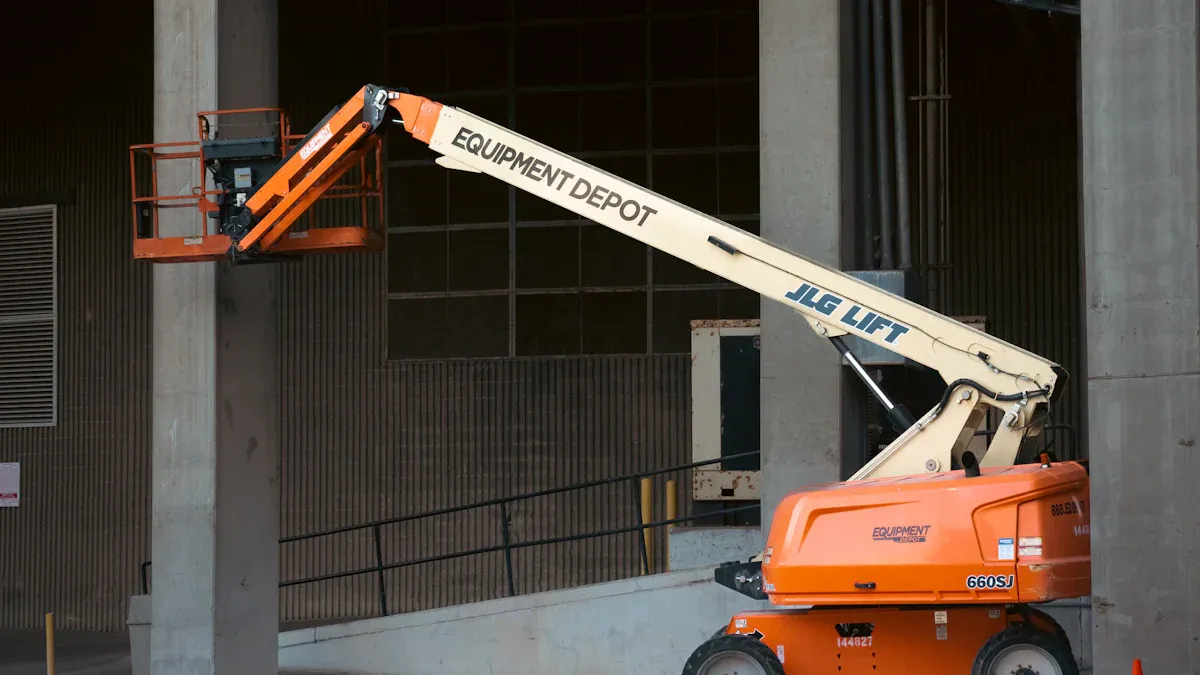
Custom cargo lifts help businesses move heavy goods between floors quickly and safely. These lifts reduce the need for manual lifting, which lowers the risk of injury and speeds up daily operations. Many companies see better workflow and fewer delays after installing a cargo lift. For example, a leading automotive manufacturer increased assembly capacity by 40% by using custom scissor lifts. This improvement came from better use of vertical space and smoother assembly processes. In warehouses and commercial buildings, advanced control systems and safety features also help reduce downtime and labor hours. As a result, businesses experience higher throughput and improved labor efficiency.
Tip: Installing a cargo lift can streamline workflows and free up staff for more valuable tasks.
Space Optimization and Compact Design
Space is valuable in any commercial setting. Custom cargo lifts use minimal floor space and fit into existing building layouts. Engineers design these lifts with small footprints, making them ideal for tight areas. Under-platform door operators save vertical space by removing the need for overhead machinery. This design allows for sleek, modern cabs and helps businesses meet height restrictions. Custom layouts and capacities ensure the lift fits seamlessly into the building, maximizing available space while keeping operations safe and efficient.
Customization for Unique Requirements
Every business has different needs. Custom cargo lifts offer a wide range of options to match specific requirements. Companies can adjust cabin size, choose from various door configurations, and select control systems that fit their operations. Some businesses use touchless controls, such as virtual buttons, voice commands, or motion sensors, to improve hygiene and ease of use. Local experts help design lifts that match the customer’s vision, ensuring the solution fits both current and future needs.
- Cabin size adjustments for unique spaces
- Multiple door types for different building layouts
- Custom control systems for business operations
- Touchless and foot-activated controls for safety and convenience
Enhanced Safety for Material Handling
Safety is a top priority in material handling. Custom cargo lifts include advanced features that protect both workers and goods. Standard safety measures include emergency stop buttons, door interlocks, and overload sensors. Custom lifts go further by adding fail-safe brakes, slack cable switches, and soft start/stop controls. These features prevent accidents and keep the lift running smoothly. Safety enclosures and custom finishes also help meet strict industry standards and adapt to special environments.
| Safety Feature Category | Standard Cargo Lifts Features | Custom Cargo Lifts Additional Features |
|---|---|---|
| Structural Safety | Strong steel structure | Custom platform sizes and finishes |
| Emergency Controls | Emergency stop buttons | Specialized or remote controls |
| Door Safety | Door interlocks at each landing | Load capacity calibration and overload protection |
| Overload Protection | Overload sensors and alarms | Weather-resistant adaptations |
| Mechanical Safety Devices | Automatic braking, speed governors | Tailored safety configurations |
| Safety Enclosures | Safety rails or enclosed cabins | Custom materials for specific environments |
Increased Load Capacity and Flexibility
Custom cargo lifts handle a wide range of weights and cargo types. Standard models support up to 10,000 lbs, but custom-engineered lifts can carry much heavier loads, even beyond 1,500 kg. Businesses can choose platform sizes and lifting heights that match their needs. Different lift types, such as hydraulic, traction, or scissor lifts, offer flexibility for various settings. For example, hydraulic lifts work well for heavy, bulky items, while scissor lifts fit spaces with low ceilings. This flexibility allows companies to move different types of cargo safely and efficiently, whether in manufacturing, retail, or logistics.
| Lift Type | Key Features and Suitability | Flexibility for Cargo Handling |
|---|---|---|
| Hydraulic Lifts | High load capacity, smooth operation | Ideal for heavy and bulky items |
| Traction Lifts | Fast, energy-efficient, precise control | Suitable for settings needing speed and accuracy |
| Scissor Lifts | Compact, stable vertical movement | Perfect for limited height spaces |
| Chain-Driven Lifts | Durable, reliable in harsh conditions | Handles heavy materials in tough environments |
| Cantilever Lifts | Unobstructed side loading/unloading | Flexible for loading docks and uneven loads |
Cargo Lift Disadvantages and Limitations
Higher Initial Investment
Custom cargo lifts require a significant upfront investment. Businesses often pay more for specialized equipment, advanced controls, and unique structural modifications. The cost of a custom Cargo Lift can exceed $150,000, with some projects reaching over $200,000. Installation adds complexity and expense, sometimes increasing the total cost by 50% to 150% of the equipment price. The following table compares average initial investments for different lift types:
| Lift Type | Average Initial Investment (Equipment Only) | Installation Cost Factor | Notes on Customization Impact |
|---|---|---|---|
| Standard Industrial Cargo Lift | $25,000 - $150,000 | Installation adds 50% - 150% of equipment cost | Standard models use painted steel; costs vary by capacity and stops. |
| Smaller Residential Lifts | $5,000 - $25,000 | Installation varies | Lower capacity and less heavy-duty use. |
| Custom Cargo Lifts | > $150,000 (can exceed $200,000) | Installation complexity increases cost significantly | Additional costs due to specialized materials, advanced controls, environmental adaptations, unique doors, speed requirements, and structural modifications. |
| Vertical Reciprocating Conveyors (VRCs) / Material Lifts | $10,000 - $40,000 | Installation varies | Generally simpler and more budget-friendly; larger or customized VRCs cost more. |
Businesses often use equipment financing loans to manage these costs. Financing helps preserve capital for other investments and emergencies. Companies benefit from tax advantages, such as deductions for depreciation and interest expenses. Flexible payment options, including seasonal structures and customizable plans, make financing more accessible. Interest rates range from 3.99% to 10.00%, depending on credit and terms. The application process is simple and can be completed online, with funds deposited directly into the business’s account.
💡 Tip: Consider financing options to spread out the cost of a custom Cargo Lift and maintain cash flow for other business needs.
Maintenance and Upkeep Demands
Custom cargo lifts need regular maintenance to ensure safe and reliable operation. Daily inspections help identify issues with doors, buttons, and visible damage. Weekly tasks include checking control panels, fixtures, and cables, as well as lubricating moving parts. Monthly inspections focus on the hoist system, electrical components, and overall performance. Businesses must also check for rust, cracks, or misalignments that could affect stability.
Maintenance tasks include:
- Inspecting and cleaning the cargo area daily.
- Testing safety features and lubricating moving parts weekly.
- Examining hoist systems and electrical components monthly.
- Checking structural integrity for rust or cracks.
- Testing control systems, emergency stops, and sensors.
- Inspecting cables, chains, and lifting components for wear.
- Troubleshooting noises, slow operation, or jerky movements.
- Following safety protocols, such as lockout/tagout procedures.
- Keeping detailed maintenance logs.
- Training staff on proper usage and reporting procedures.
Different lift types require specific maintenance. Hydraulic lifts need pump and hose checks to prevent leaks. Traction lifts require motor and cable servicing. Fully caged lifts and vertical reciprocating conveyors need regular inspections to meet safety standards. Control systems and doors must be repaired and upgraded as needed.
Downtime and Repair Considerations
Cargo lift downtime can disrupt operations and lead to lost productivity. Businesses reduce downtime by implementing preventive maintenance programs. These programs help prevent breakdowns and extend equipment life. For example, a well-planned maintenance schedule can save up to 40 hours of downtime each year, resulting in a 300% return on investment by reducing costs from idle staff and lost rent.
Managers use Computerized Maintenance Management Systems (CMMS) to automate compliance, schedule inspections, and monitor equipment in real time. This technology helps anticipate failures and reduces downtime by 20–40%. Regular maintenance visits and adherence to safety codes keep lifts running smoothly.
Companies also use strategies such as:
- Scheduling preventive checks before busy periods.
- Adjusting maintenance routines for seasonal demands.
- Using fleet management software for real-time scheduling.
- Training staff to report issues early.
- Stocking spare parts to minimize repair delays.
- Renting additional equipment during peak seasons.
- Analyzing data to improve maintenance and operations.
⚠️ Note: Proactive maintenance and quick repairs help minimize the impact of Cargo Lift downtime on business operations.
Operational Restrictions
Custom cargo lifts have operational limits that businesses must follow. Freight elevators operate at lower speeds than passenger elevators to safely transport heavy loads. Only operators or necessary personnel may ride with cargo, and strict safety regulations apply if passengers are allowed. When personnel ride with cargo, lifts must have proper lighting, emergency communication, and safety gates. Clear signage indicates whether riding with cargo is permitted.
Operational restrictions include:
- Explosion-proof valves control descent speed during hydraulic failure.
- Overflow valves stabilize pressure and activate when load limits are exceeded.
- Emergency lowering valves allow safe descent during power outages.
- Overload protection devices prevent operation beyond rated capacity.
- Protection chains and fall arresters provide extra safety.
- Sensors and alarms restrict unsafe operation and prevent lifting beyond rated weight.
These restrictions ensure safe operation but may limit flexibility in certain environments. Businesses must train staff to follow guidelines and maintain compliance with safety standards.
Cargo Lift Comparison: Custom vs. Standard Options
Cost and Value Analysis
Custom cargo lifts often cost more than standard models. Businesses pay extra for unique features, special materials, and advanced controls. Standard lifts use basic designs and materials, which lowers the price. Custom lifts can offer better long-term value. They fit the business’s needs and may reduce future upgrades. Standard lifts work well for simple jobs and tight budgets. Custom lifts suit companies with special requirements or plans for growth. Decision-makers should compare the upfront cost with the value gained over time.
Performance and Adaptability Differences
Custom lifts provide more flexibility. They handle different load sizes, shapes, and weights. Engineers design them to fit unique spaces and workflows. Standard lifts have set sizes and features. They may not fit every building or task. Custom lifts can include special controls, safety features, and finishes. These options help businesses meet strict rules or work in tough environments. Standard lifts work best for common tasks in regular buildings.
Installation Timeframes
Installing a custom lift takes longer than a standard model. Many factors affect the timeline:
- Building type and design can make installation harder or easier.
- The type of lift chosen changes the steps needed.
- Electrical and mechanical needs may require extra work.
- Permits and inspections can add days or weeks.
- Labor time and service costs depend on the project’s size.
The table below shows more details:
| Factor | Explanation |
|---|---|
| Number of Stops | More floors mean longer guide rails and more complex controls. |
| Platform Size | Bigger platforms need more materials and stronger drives. |
| Pit Depth | Deeper pits require more construction work. |
| Hoistway Enclosure | Special enclosures increase material and labor costs. |
| Power Supply | New or upgraded power lines can slow the process. |
| Site Accessibility | Hard-to-reach sites take more time to finish. |
| Safety Features | Extra safety adds to the timeline. |
| Installation and Labor | Skilled labor costs rise with complexity. |
| Permitting and Inspections | Local rules and inspections can delay the project. |
🛠️ Careful planning helps reduce delays when installing a custom Cargo Lift.
Cargo Lift Safety Features and Compliance

Built-In Safety Mechanisms
Modern lifts use advanced safety features to protect workers and goods. Engineers design these systems to prevent accidents and keep operations smooth. Emergency stop buttons allow operators to halt the lift instantly if a problem occurs. Door interlocks ensure that doors stay closed during movement, reducing the risk of falls. Overload sensors alert users when the weight limit is reached, stopping the lift from operating under unsafe conditions. Fail-safe brakes and slack cable switches add extra layers of protection. Soft start and stop controls help prevent sudden jolts, keeping cargo stable. Safety enclosures and rails keep people away from moving parts. These built-in mechanisms work together to create a safe environment for everyone.
🛡️ Tip: Regularly test all safety features to ensure they function as intended.
Meeting Regulatory and Industry Standards
Businesses must follow strict rules to keep lifts safe and legal. Compliance starts with regular maintenance and inspections. Operators need proper training to use lifts safely and respond to emergencies. Companies must display load limits clearly and never exceed them. Emergency plans help staff handle breakdowns or accidents. Workers must wear personal protective equipment (PPE) when near lifts. Manufacturers provide certifications to show that lifts meet safety standards.
- Schedule regular maintenance and inspections.
- Train all operators and staff.
- Display and follow load limits.
- Prepare emergency response plans.
- Require PPE for all personnel.
- Obtain certifications from professional manufacturers.
Industry standards include ASME A17 Elevator Safety Standards, OSHA regulations, and best practices from the National Elevator Industry. Safety signage and emergency guidelines also play a key role. Following these standards helps businesses avoid fines and keep everyone safe.
Cargo Lift Maintenance and Long-Term Value
Routine Maintenance Requirements
Routine maintenance keeps a Cargo Lift safe and reliable. Facility managers should follow a clear checklist to prevent problems and extend equipment life. Key maintenance tasks include:
- Conducting regular visual inspections to spot wear, cracks, rust, or damaged parts.
- Cleaning the lift platform and hydraulic components to remove dirt and debris.
- Lubricating all moving parts, such as joints, bearings, and hinges, with approved lubricants.
- Checking hydraulic systems, topping up fluid levels, and replacing filters as recommended.
- Performing safety checks, including load testing and inspecting emergency stops, interlocks, and overload protection.
- Storing the lift in a dry, clean area to prevent rust and damage.
- Following manufacturer guidelines to avoid overloading or misuse.
- Scheduling professional servicing by qualified technicians for thorough inspections and repairs.
- Using manufacturer support services for expert maintenance and repairs.
- Keeping detailed maintenance logs and inspection records to track activities and spot recurring issues.
🛠️ Regular maintenance reduces the risk of breakdowns and helps ensure safe operation.
Longevity and Return on Investment
Proper maintenance directly impacts the long-term value of a Cargo Lift. Reliable providers who offer installation, maintenance, and prompt service help keep lifts in top condition. This approach minimizes downtime and extends the useful life of the equipment. Regular upkeep also improves safety by reducing workplace accidents through features like overload protection and emergency brakes. According to the 2023 Global Lift and Elevator Industry Report, maintenance makes up 30-50% of total ownership costs for vertical lift systems. Predictive and preventive strategies can boost operational efficiency by up to 20% and extend equipment lifespan. Consistent maintenance and inspections reduce downtime, prevent costly repairs, and support steady productivity. Over time, these efforts lower the total cost of ownership and turn the lift into a strategic investment that increases safety, efficiency, and profitability.
Deciding if a Cargo Lift Fits Your Business
Decision-Making Checklist
A structured approach helps businesses decide if a Cargo Lift matches their needs. The following checklist guides decision-makers through essential steps:
- Assess business needs, including load capacity, platform size, and frequency of use.
- Evaluate the available space and building layout, noting ceiling height, obstacles, and shaft location.
- Examine safety features and confirm compliance with industry regulations.
- Compare manufacturers based on reputation, product quality, customer service, and warranty terms.
- Review maintenance requirements and after-sales support to reduce downtime.
- Balance the initial cost with long-term return on investment, focusing on efficiency and durability.
📝 Careful planning ensures the lift will support both current and future operations.
Key Questions to Consider
Before purchasing a custom lift, business owners should answer several important questions:
- What type and weight of materials will the lift handle?
- What is the environment where the lift will operate? Will it face heat, chemicals, or outdoor conditions?
- What are the required lifting specifications, such as capacity, adjustability, and compatibility with existing equipment?
- What is the available budget for the project?
- What is the expected delivery and installation timeline?
- Are there any special requirements, such as explosion-proof features or delicate item protection?
- What obstacles or spatial constraints exist in the facility?
Providing clear answers to these questions helps manufacturers design a solution that fits unique business needs, ensures safety, and supports efficient operations.
Custom Cargo Lift solutions offer tailored efficiency and safety but require higher investment and ongoing care. Each business should match lift features to its goals and operations. > Consulting a lift expert helps companies weigh costs, benefits, and long-term value before making a decision.
FAQ
What industries benefit most from custom cargo lifts?
Manufacturing, warehousing, retail, and logistics companies gain efficiency and safety from custom cargo lifts. These lifts handle heavy loads and fit unique building layouts.
How often should a business schedule cargo lift maintenance?
Most experts recommend monthly inspections. Some lifts need weekly checks for safety features and moving parts. Regular maintenance prevents breakdowns and extends equipment life.
Can a custom cargo lift operate outdoors?
Yes, manufacturers design lifts with weather-resistant materials and protective finishes. Outdoor models include features for rain, heat, and cold.
Tip: Always request weatherproof options for outdoor use.
See Also
Best Hospital Bed Lifts Reviewed For Safety And Efficiency
Six Essential Industrial Vacuum Cleaners For Business Use
Key Folder Gluer Innovations Shaping 2025 Carton Production
Authentic Customer Feedback On Top Wooden Bamboo Storage Boxes