The Pros and Cons of Countertop Water Dispensers
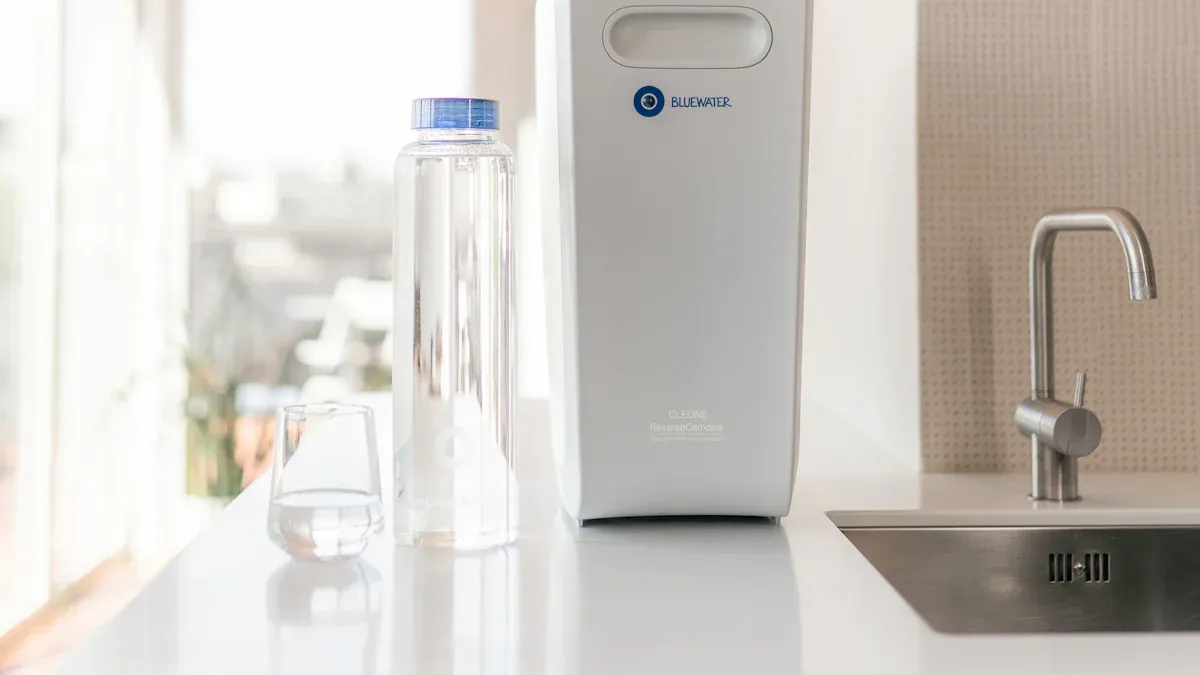
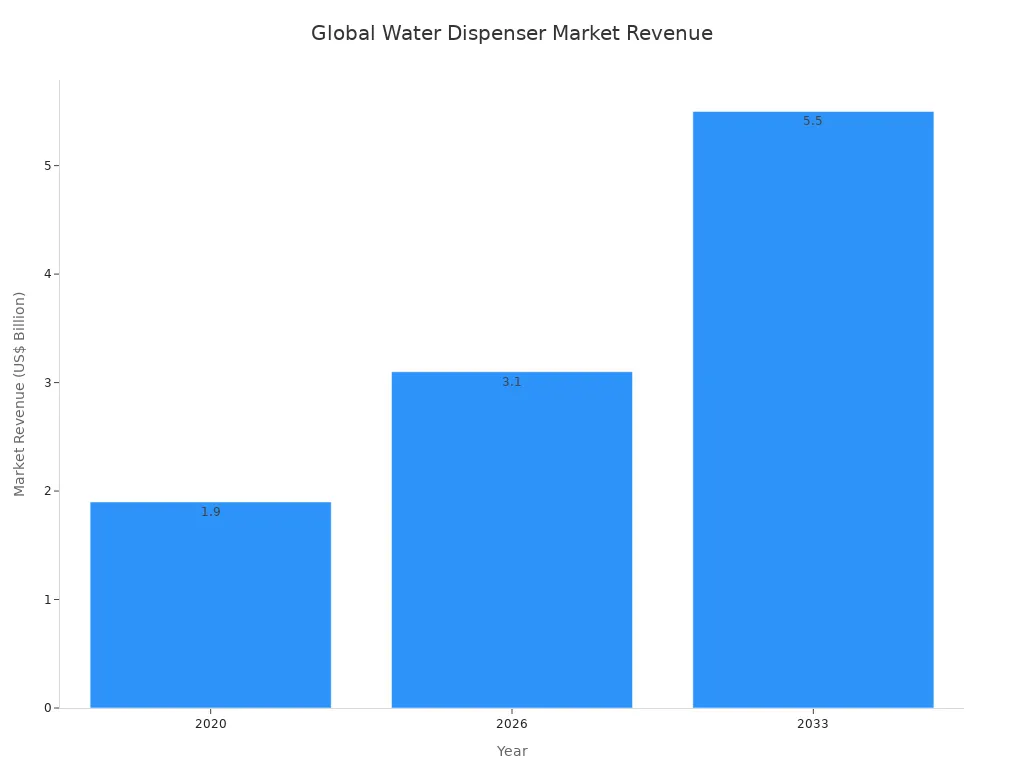
A countertop house water dispenser gives you instant access to filtered water. You can get hot or cold water on demand. You should weigh the benefits against the drawbacks. These appliances require counter space and regular upkeep. Their market is expanding rapidly, reflecting a growing demand for convenience.
Key Takeaways
- Countertop water dispensers offer instant hot or cold filtered water. They improve water taste and encourage better hydration.
- These dispensers help the environment. They reduce plastic bottle waste and save money over time.
- Consider space and maintenance. Dispensers take up counter space and need regular cleaning to work well.
The Pros: Why a Countertop Water Dispenser Might Be Perfect for You
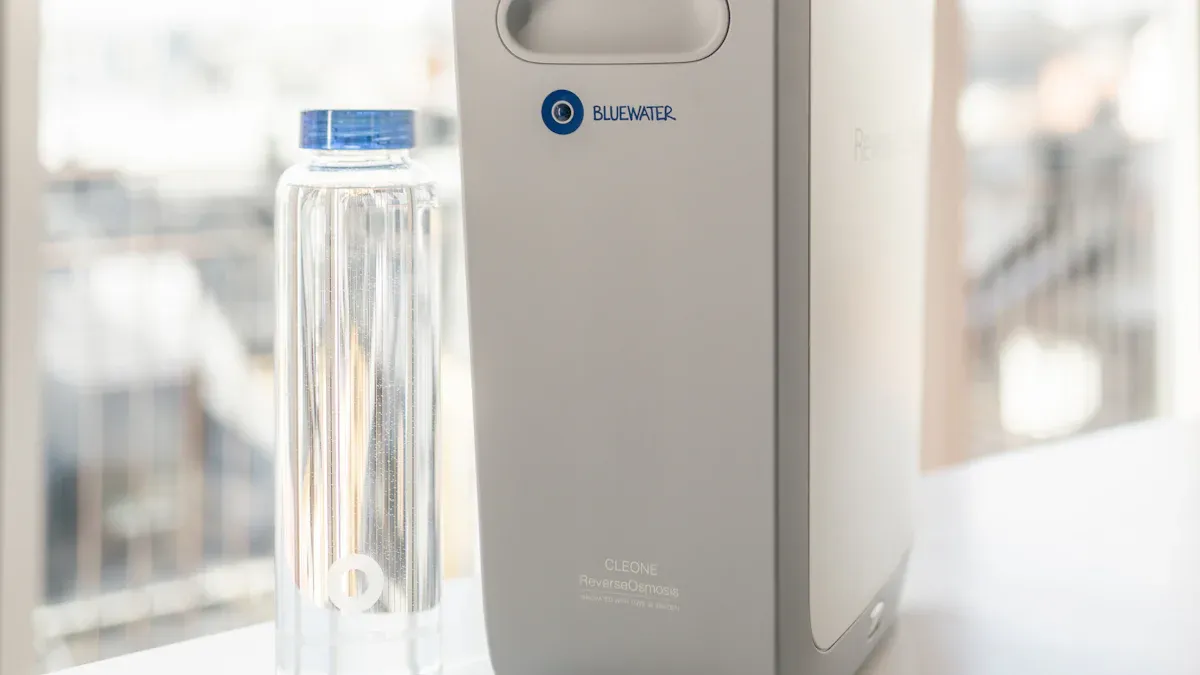
A countertop water dispenser offers many benefits for your home. It provides more than just water; it delivers convenience, quality, and a healthier lifestyle. Let's explore the key advantages.
Unmatched Convenience and Accessibility
Imagine no more waiting for the kettle to boil or for a pitcher to chill in the fridge. A countertop dispenser gives you instant access to water at the perfect temperature. This convenience is a primary reason many people choose this appliance.
You can stop buying and carrying heavy cases of bottled water. This saves you time and physical effort. A countertop unit is also an excellent choice if you rent your home. You can enjoy filtered water without needing permission to install a system connected to your plumbing. You simply place it on your counter and plug it in.
Pro Tip: For families on the go, a dispenser makes filling reusable water bottles quick and easy. You can grab a perfectly chilled drink on your way out the door. 🏃♀️
Improved Water Quality and Taste
Many people worry about the purity of their tap water. A house water dispenser with a built-in filter addresses this concern directly. These systems are designed to give you clean, healthy drinking water.
Advanced filters, like those using activated carbon, are very effective. They work to remove common impurities that affect taste and smell.
- Chlorine: Filtration reduces the sharp, chemical taste that chlorine gives tap water.
- Sulfur: It eliminates the unpleasant "rotten egg" smell caused by hydrogen sulfide.
- Sediments: The filter traps tiny particles, making your water clearer and cleaner.
By removing these elements, the dispenser provides fresh, appealing water that your whole family will enjoy drinking.
Instant Hot and Cold Water on Demand
One of the biggest perks is having temperature-controlled water ready at all times. You eliminate the wait associated with traditional methods. This feature boosts efficiency in any busy kitchen.
With instant boiling water, there's no wait time – perfect for busy kitchens, restaurants, and offices where efficiency matters.
Modern dispensers offer impressive temperature control. You can make a cup of hot tea, prepare instant oatmeal, or pour a glass of ice-cold water in seconds. The typical temperature ranges are quite versatile.
| Water Type | Temperature Range |
|---|---|
| Chilled | 42°F to 50°F (5°C to 10°C) |
| Hot | Up to 185°F (85°C) |
Many advanced models also include energy-saving features like insulated tanks and automatic shutoffs. These features help manage electricity use, making the appliance both convenient and efficient.
Encourages Better Hydration Habits
When clean, great-tasting water is easily available, you are more likely to drink it. Studies show that improved access to appealing water sources directly increases water consumption. One study in a school found that students used modern bottle-filler stations far more often than old-fashioned water fountains.
A house water dispenser makes hydration effortless.
- The improved taste encourages everyone, including children, to choose water over sugary drinks.
- The constant availability of cool, refreshing water makes it an easy choice throughout the day.
- Better hydration leads to improved health, focus, and overall well-being.
Making water the most convenient option in your home is a simple and effective way to build healthier habits for your entire family. 💧
Financial and Environmental Advantages
Beyond convenience, a countertop water dispenser offers significant benefits for your wallet and the planet. You make a smart choice that reduces waste and saves money over time. This makes the appliance a responsible addition to your home.
More Eco-Friendly Than Bottled Water
You can significantly lower your environmental impact by switching from bottled water. The production and transport of single-use plastic bottles consume massive amounts of resources. Choosing a dispenser helps you break this wasteful cycle. 🌎
The bottled water industry has a surprisingly large carbon footprint.
- Manufacturing just one 16-ounce bottle uses 1.4 gallons of water.
- Transporting that single bottle from the factory releases 62 grams of carbon dioxide.
- The U.S. water bottle manufacturing process consumes 1.5 million barrels of oil annually, enough to power 100,000 homes for a year.
By filtering your own tap water, you eliminate plastic waste and the carbon emissions tied to delivery trucks. You actively contribute to a healthier planet with every glass you pour.
Cost-Effective in the Long Run
A water dispenser is an investment that pays for itself. While you have an initial purchase cost, you will save money in the long run. You stop the endless cycle of buying expensive cases of bottled water. 💰
Think about your weekly grocery bill. The money you spend on bottled water adds up quickly over months and years. With a dispenser, your only ongoing costs are for electricity and occasional filter replacements. These expenses are typically far lower than the price of constantly buying bottled water. You enjoy premium, filtered water for just pennies per gallon, making it a financially savvy decision for your household.
The Cons: Potential Drawbacks to Consider
While countertop dispensers offer many perks, you should also consider the potential downsides. These appliances are not a perfect fit for every kitchen or lifestyle. Understanding the drawbacks will help you make a balanced decision.
Takes Up Valuable Counter Space
The most immediate drawback is the space requirement. Kitchen counters are often prime real estate. A countertop water dispenser will claim a permanent spot. You need to measure your available area before you buy one. For example, a popular model like the Bevi Countertop Unit is about 18.5 inches tall, 10 inches wide, and 11 inches deep. This footprint can be significant in a small kitchen. You will lose space that you might use for meal prep, small appliances, or general storage.
Note: Before you commit, clear a spot on your counter where you plan to put the dispenser. Use a tape measure to visualize how much room it will actually occupy. This simple step can prevent a frustrating surprise.
Requires Regular Cleaning and Maintenance
A house water dispenser needs consistent upkeep to function well and provide safe water. Regular cleaning is a top priority. It prevents the growth of germs and keeps your water tasting clean. You should plan to clean your dispenser every three to six months. This routine stops the buildup of mold, algae, and harmful bacteria inside the machine.
The cleaning process involves several steps. You must follow the manufacturer's instructions, but a general guide looks like this:
- Prepare: Unplug the unit. Let the hot water tank cool completely.
- Disassemble: Remove the water bottle, drip tray, and water guard (the part that punctures the bottle cap).
- Clean Parts: Wash the removable parts with warm water and mild soap. For tough buildup, you can use a paste made of baking soda and water.
- Sanitize Reservoirs: Pour a cleaning solution into the water reservoirs. A mix of one part white vinegar to one part water works well. Let it sit for about 15 minutes.
- Flush the System: Drain the cleaning solution through both the hot and cold spigots. Then, flush the system by running at least two gallons of fresh water through it until you no longer smell or taste the vinegar.
- Reassemble: Put the dry parts back in place, plug in the unit, and install a new water bottle.
This maintenance is not difficult, but it does require your time and effort. You must be willing to perform this upkeep to ensure your water remains healthy and fresh.
Potential for Noise During Operation
Most countertop water dispensers are not completely silent. They contain mechanical parts that make noise. The cooling compressor or heating element will cycle on and off throughout the day. This can create a low humming or buzzing sound. While many modern units are designed to be quiet, some people are sensitive to background noise.
- Models like the Brio self-cleaning cooler are often described as fairly quiet.
- The Avalon A4 cooler received high marks from users for its low noise level.
- Other models might be louder, especially older or less expensive ones.
Manufacturers do not always provide a noise level rating in decibels. You should check shopper reviews to get a real-world idea of a specific model's noise level. If your kitchen is close to a bedroom or a quiet living area, a noisy appliance could become a disturbance.
Is a Countertop House Water Dispenser Always the Best Choice?
A countertop dispenser is a great tool, but it is not the right solution for everyone. You should think about these other factors before you decide to buy one. These points can help you see if the appliance truly fits your needs.
The Initial Purchase Cost
You must consider the upfront price of a new dispenser. Basic models are affordable, but premium units can be a significant investment. Higher prices often pay for better features and quality.
These advanced features can justify a higher cost:
- Superior Build Quality: Premium models use commercial-grade stainless steel for a longer lifespan.
- Advanced Filtration: They may include multi-stage filters or UV sterilization to remove more contaminants.
- Smart Technology: Some units connect to mobile apps or have touchless controls for added convenience.
Limited Water Capacity for Larger Households
Most countertop dispensers use standard water bottles. These bottles typically hold 3 or 5 gallons of water. This amount is fine for individuals or small families. However, a larger household may find this capacity too small. You might have to replace the heavy water bottle frequently, which can become a chore.
Ongoing Filter Replacement Costs
Your spending does not stop after the initial purchase. A house water dispenser requires regular filter changes to keep the water clean. The cost of these filters adds up over time. For example, a system with pre-carbon, VOC carbon, and reverse osmosis filters can cost you around $97 per year. You need to budget for this recurring expense.
Dependency on Electricity
This appliance needs electricity to work. It cannot heat or cool water without power. If you have a power outage, you will lose access to temperature-controlled water. The unit also adds a small but constant amount to your monthly electricity bill.
A house water dispenser is a great choice if you want convenience and less plastic waste. It may not suit you with limited counter space or a large family. You should consider your kitchen, budget, and willingness to clean. This helps you decide if the benefits match your daily needs.
FAQ
How often should I change the water filter?
You should replace the filters about every six months. Many models have an indicator light that tells you when to make a change. Always check your user manual for specifics.
Can I use regular tap water in the dispenser?
Yes, you can use tap water. The dispenser's built-in filtration system purifies the water. It removes impurities and improves the taste before dispensing your drink.
Do all dispensers provide both hot and cold water?
No, not all models offer both temperatures. Some units only provide chilled water. You should check the product's features carefully before you decide to make a purchase.