Thinking of Buying a Water Distiller? Read This First
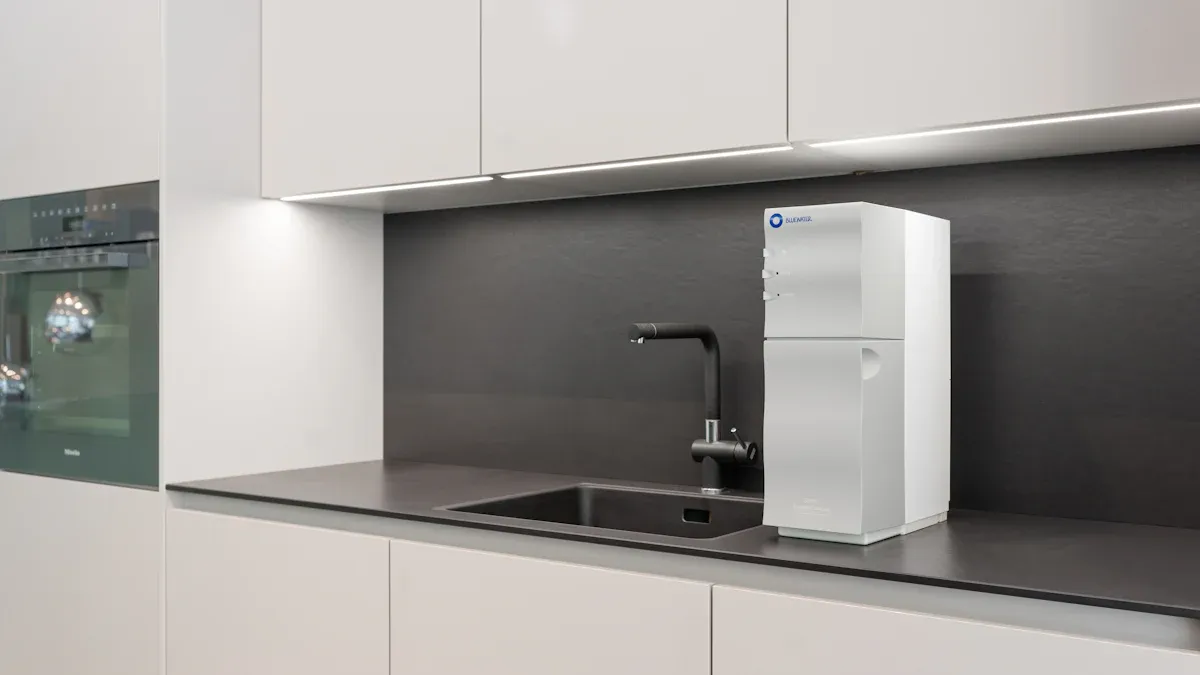
A countertop distilled water dispenser provides you with exceptionally pure water. It excels at removing common contaminants like lead and arsenic found in some water supplies.
Heads Up: You must also consider the trade-offs. The process uses electricity, works slowly, and removes beneficial minerals from your water.
Key Takeaways
- Water distillers make very pure water. They remove bad things like germs and metals. This gives you clean water to drink.
- Distillers also take out good minerals. These minerals are important for your body. You can add them back if you want.
- Distillers save money over time. They also help the planet by reducing plastic bottles. But they use electricity and take time to make water.
Pro: Unmatched Purity for Total Peace of Mind
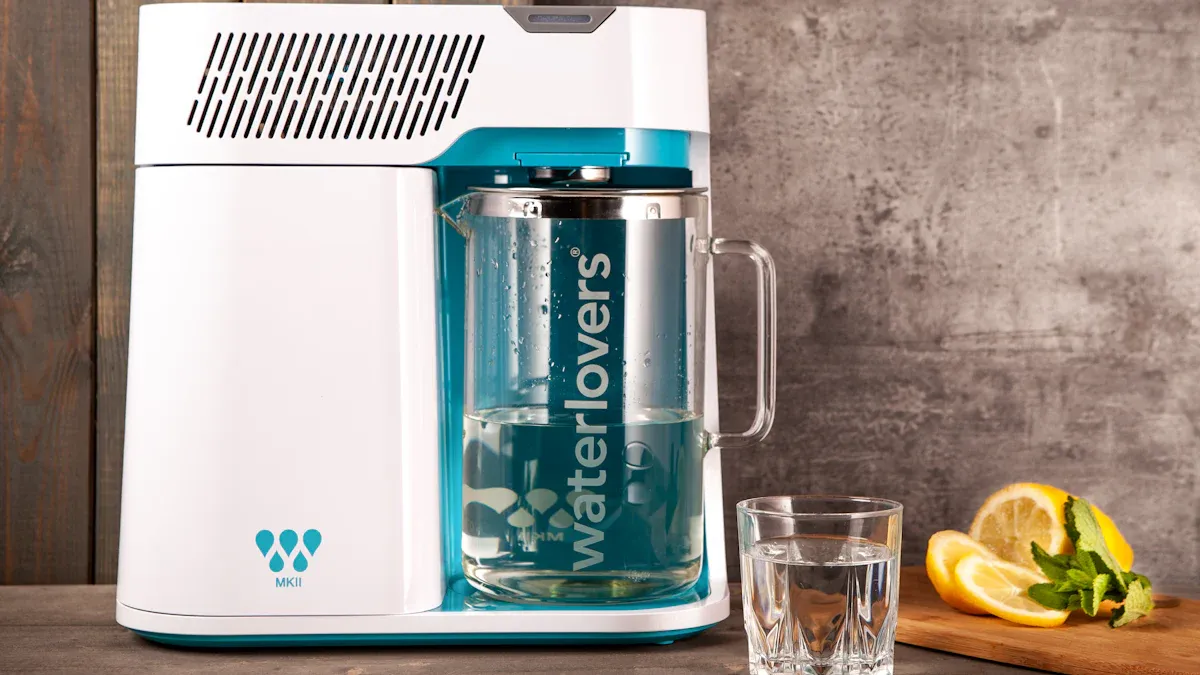
The primary reason you might choose a water distiller is its incredible ability to purify water. Distillation is widely considered the most effective method available. It removes over 99.9% of contaminants from your water supply, giving you confidence in every glass you drink.
How Distillation Mimics Nature's Water Cycle
A water distiller copies the way nature purifies water. Your distiller boils tap water, creating steam. This steam is pure H₂O. It leaves behind nearly all contaminants in the boiling chamber. The machine then cools the steam, which condenses back into liquid water. This process results in exceptionally clean water, free from most impurities.
Eliminating Bacteria, Viruses, and Protozoa
You can trust a distiller to protect you from harmful microorganisms. The high heat of the boiling process effectively inactivates dangerous pathogens. This temperature-based separation is highly effective at removing biological contaminants. Studies show distillation provides a strong defense against many waterborne pathogens, including:
- Bacteria (like E. coli)
- Viruses
- Cryptosporidium
- Giardia Cysts
Note: Proper operation is key. Always follow your distiller's cleaning and maintenance instructions to ensure it consistently removes these threats.
Removing Heavy Metals and Inorganic Compounds
Distillation excels at removing non-volatile contaminants. Heavy metals like lead, mercury, and arsenic have high boiling points. They cannot turn into steam with the water. Instead, they remain in the boiling chamber. This makes distillation a powerful tool for removing inorganic compounds. For example, even with very high feed concentrations of arsenic, distillers can produce water with no detectable levels of this harmful element.
Con: The Mineral-Free Water Debate
While distillation delivers purity, it also removes everything from the water, including minerals your body uses. This creates a debate about the health implications and taste of demineralized water. You should understand this downside before committing to a distiller.
What Beneficial Minerals Are Removed?
The same process that removes harmful contaminants also strips away beneficial minerals. Tap and spring water naturally contain electrolytes and minerals that contribute to your health. A distiller removes these completely. Key minerals lost during distillation include:
- Calcium: Supports strong bones, teeth, and muscle function.
- Magnesium: Helps regulate blood sugar, blood pressure, and nerve function.
- Potassium: Important for balancing fluids and maintaining a healthy heart rhythm.
- Sodium: Regulates your body's fluid balance.
Is Demineralized Water a Health Concern?
Most people get the majority of their minerals from food, not water. However, some health experts raise concerns about drinking demineralized water long-term. The World Health Organization (WHO) has explored this topic for years.
The World Health Organization has reported that consuming "demineralized" water compromises the mineral and water metabolism of the body.
Some studies suggest that long-term consumption of water with very low mineral content could have an adverse effect on your nutrient intake. This is a complex topic, but it is a factor you should consider.
The "Flat" Taste of Distilled Water
Have you ever heard someone describe distilled water as tasting "flat" or "bland"? tasteless. This is because the distillation process removes the dissolved minerals and salts that give tap and mineral water their familiar taste. The absence of these elements results in a pure but uninteresting flavor that many people find unappealing.
Pro: A Smart Investment for Your Wallet and the Planet
A water distiller offers more than just pure water. You can also save money and reduce your environmental footprint. This makes it a smart choice for both your budget and the planet.
Calculating Your Cost Per Gallon
Using a home distiller is much cheaper than buying bottled water. Store-bought distilled water often costs between $1.00 and $1.50 per gallon. In contrast, you can produce your own for about $0.68 per gallon. This price includes the electricity used and a small amount for the machine's upkeep.
Cost Comparison: A quick look at the numbers shows the potential for significant savings over time.
| Water Source | Average Cost Per Gallon |
|---|---|
| Store-Bought Bottled | $1.00 - $1.50 |
| Home Distillation | ~$0.68 |
These savings can add up to hundreds of dollars each year.
Breaking Free from Single-Use Plastic Bottles
You can make a positive environmental impact by switching to a home distiller. Americans throw away around 60 million plastic water bottles every single day. Sadly, less than 30% of these bottles are recycled. The rest end up in landfills or incinerators. Producing and transporting bottled water also uses a massive amount of energy. A home distilled water dispenser helps you break this wasteful cycle.
The Convenience of an On-Demand Distilled Water Dispenser
Imagine never running out of pure water again. A countertop distilled water dispenser gives you a constant supply right in your kitchen. You no longer need to make trips to the store or carry heavy jugs of water. You simply fill the machine with tap water, press a button, and get fresh, pure water whenever you need it. This on-demand convenience simplifies your routine.
Con: The Trade-Offs of Time and Energy
While a distiller provides exceptional purity, you must consider its practical demands. The process requires patience, consumes a notable amount of electricity, and takes up physical space in your home. These trade-offs are important factors in your decision.
How Long Does It Take to Make a Gallon?
A water distiller does not provide instant results. You need to plan ahead to have pure water ready. Most countertop models take a significant amount of time to produce a single gallon.
It typically takes about 5.5 hours to distill one gallon of water.
This means you need to run the machine well before you need the water. Depending on the model, you can expect a total daily output of:
- 4 gallons per day for standard units
- Up to 8 gallons per day for more efficient models
Understanding the Impact on Your Electricity Bill
The distillation process of boiling water is energy-intensive. Your machine will use about 3 kilowatt-hours (kWh) of electricity to produce one gallon of water. This will add to your monthly utility costs. While still cheaper than buying bottled water, you should be prepared for a noticeable increase in your electricity bill, especially with frequent use.
Managing Heat, Noise, and Counter Space
A distilled water dispenser becomes a permanent appliance in your kitchen. The boiling process generates heat, which can warm up smaller rooms. The machine also produces a constant humming sound from its cooling fan. Most distillers operate between 45 and 60 decibels (dB), similar to a quiet conversation. For kitchen use, try to find a model that operates below 55 dB. Finally, you must dedicate a permanent spot on your counter for the unit.
Special Consideration: What a Distiller Might Miss
Distillation is powerful, but it has one key weakness you should know about. The process can struggle with a specific class of chemicals. Understanding this helps you choose the right machine for complete purification.
The Problem with Volatile Organic Compounds (VOCs)
Some chemicals, known as Volatile Organic Compounds (VOCs), have very low boiling points. This property allows them to turn into a gas easily. Because they vaporize at low temperatures, some VOCs can travel with the water steam during the distillation process. This means they could potentially re-condense into your finished water.
Common VOCs that may be in tap water include:
- Trihalomethanes: Byproducts created when chlorine used for disinfection reacts with organic matter in the water.
- Benzene: An industrial chemical found in gasoline and plastics.
- Perchloroethylene (PCE): A solvent used in dry cleaning.
Why Carbon Post-Filters Are Essential
To solve the VOC problem, you need an extra filtration step. This is where a carbon post-filter becomes essential. These filters contain activated carbon, a material with an incredibly porous surface. As the distilled water passes through it, the carbon filter traps and holds onto the VOC molecules through a process called adsorption. This ensures that any sneaky VOCs that evaporated with the steam are removed before you drink the water.
Choosing a Model with Comprehensive Filtration
When you shop for a water distiller, you should not assume they all handle VOCs. For the highest level of purity, you must choose a model that includes a carbon post-filter. This feature addresses the main limitation of distillation. A distiller paired with a carbon filter gives you a comprehensive system that removes heavy metals, bacteria, and troublesome VOCs, providing you with truly clean water.
How Distillers Compare to Other Purification Methods
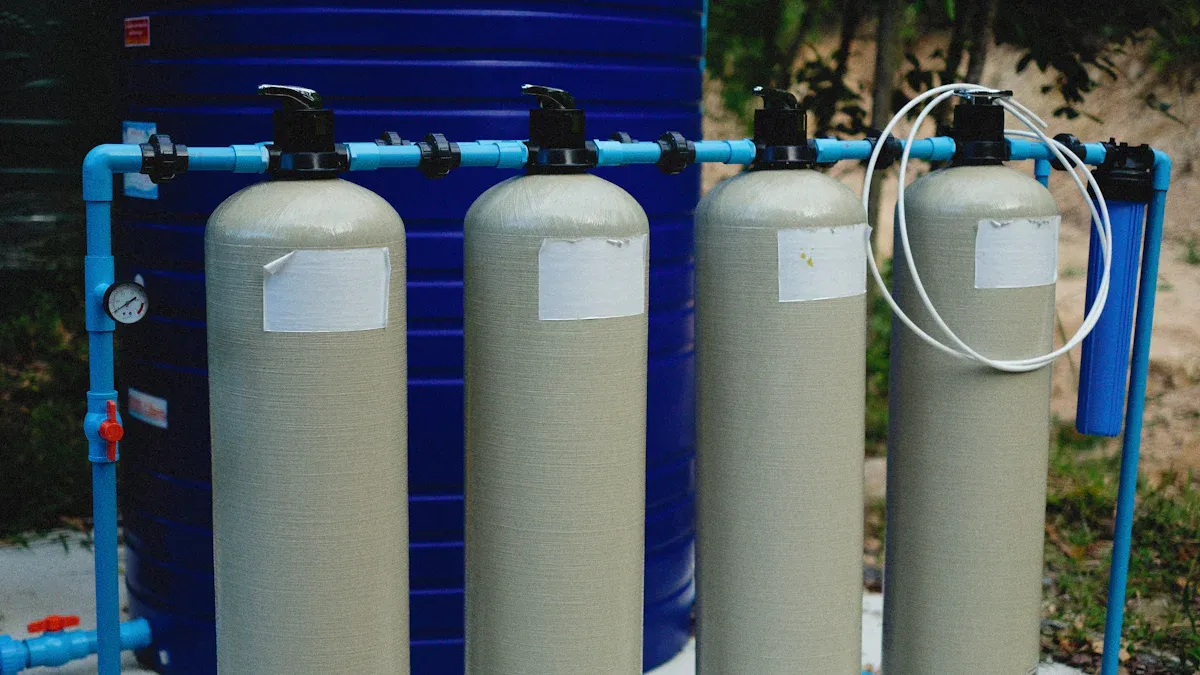
You have many options for filtering your water at home. Understanding how a distiller stacks up against other popular methods will help you make the best choice for your needs.
Water Distiller vs. Reverse Osmosis
Reverse osmosis (RO) is another high-level purification system. Both distillation and RO are excellent at removing a wide range of contaminants. However, they have key differences in performance and efficiency.
At a Glance: Both methods produce very pure water, but distillation is slightly more thorough for most contaminants.
| Contaminant | Distillation | Reverse Osmosis |
|---|---|---|
| Lead | 98-100% | 98.5-99.1% |
| Arsenic | 98-100% | 88-99% |
| Bacteria/Viruses | 100% | >99.99% |
| Minerals | ~100% | 90-97% |
| TDS Reduction | 99.5%+ | 90.8-97% |
Distillation uses more electricity because it must boil water. In contrast, RO systems are more energy-efficient but typically produce more wastewater to flush contaminants away.
Water Distiller vs. Pitcher and Faucet Filters
Pitcher and faucet filters are common because they are simple and affordable. These filters primarily use activated carbon to improve your water's taste and odor by removing chlorine. They also reduce some chemicals like pesticides.
However, their purification ability is limited. A standard pitcher filter is not effective at removing heavy metals like arsenic or other dangerous compounds like nitrates. A distilled water dispenser, on the other hand, removes over 99% of these harmful contaminants. For maximum purity, a distiller is the more effective choice. A quality distilled water dispenser provides a much higher level of protection than basic carbon filters.
A water distiller is your best choice for maximum purity. It is especially helpful if you have certain health concerns.
- Kidney Stones: It may help prevent mineral deposits.
- Arthritis: Pure water can help protect your joints.
However, it may not fit your lifestyle if you need water quickly or have a tight electricity budget. You must balance your health goals with your daily needs.
FAQ
Can I add minerals back into distilled water?
Yes, you can easily remineralize your water. You can add special mineral drops or a pinch of natural sea salt to improve the taste and add beneficial electrolytes.
How often should I clean my water distiller?
You should clean your distiller after every 30 gallons. Regular cleaning prevents mineral scale buildup in the boiling chamber. This ensures your machine runs efficiently and lasts longer.
Is distilled water safe for appliances like irons?
Yes, distilled water is excellent for appliances. It prevents mineral buildup that can clog and damage steam irons, humidifiers, and CPAP machines, helping them work better and last longer.