5 Pros and Cons of 5-Gallon Water Dispensers
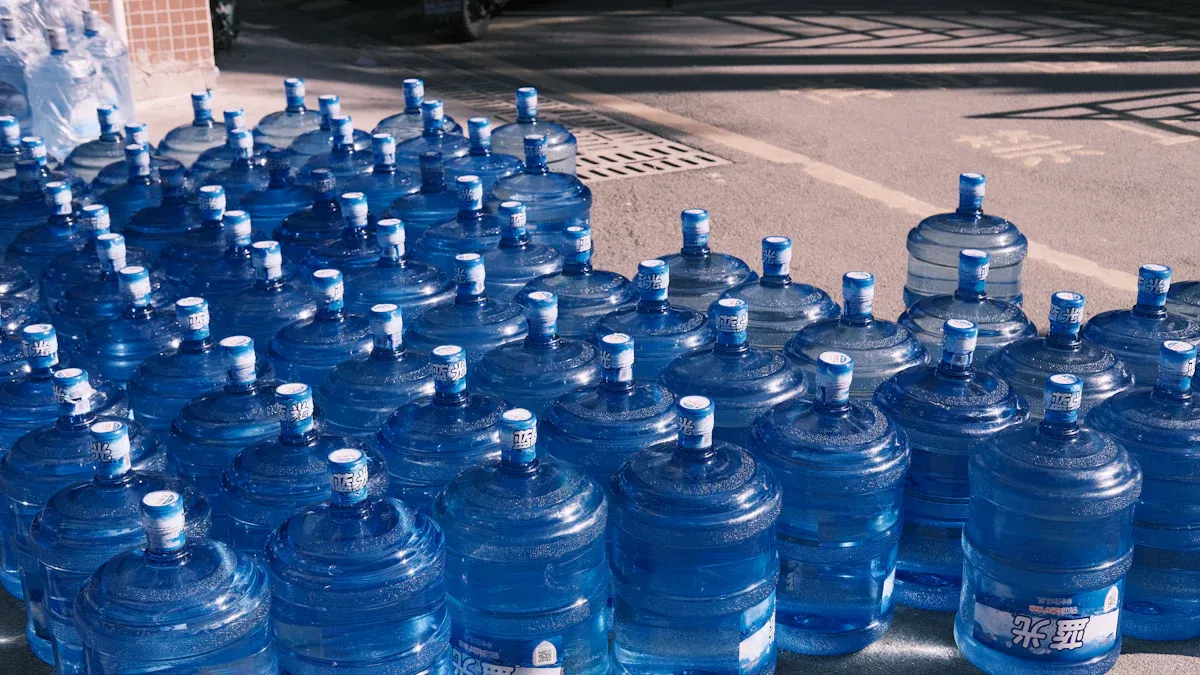
You can enjoy high-quality hydration with a 5-gallon water dispenser. It gives you instant hot and cold water. You must, however, lift heavy jugs and perform regular cleaning. The market for these devices, including the popular automatic water dispenser, is expanding rapidly.
| Metric | Value |
|---|---|
| Market Value (2023) | USD 2,983.7 million |
| Projected Market Value (2030) | USD 5,349.9 million |
| Compound Annual Growth Rate (CAGR) (2024-2030) | 8.7% |
This growth highlights its role as a convenient solution for many households and offices.
Key Takeaways
- Five-gallon water dispensers offer clean water and save money, but lifting heavy jugs can cause injury.
- These dispensers reduce plastic waste and provide instant hot or cold water, yet they need regular cleaning to prevent germs.
- Consider an automatic water dispenser if you want to avoid heavy lifting and save space.
5 Pros of 5-Gallon Water Dispensers
1. Cost-Effective Hydration
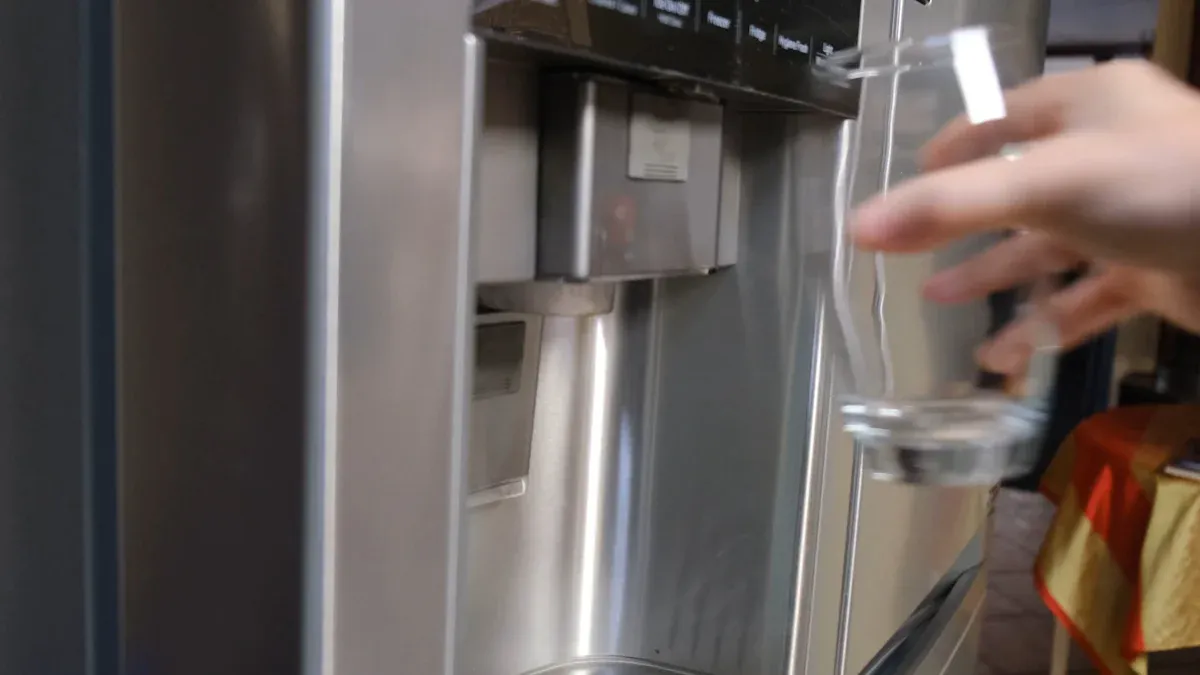
You can save money by switching from single-use water bottles to a 5-gallon dispenser. The cost per gallon is often much lower. Modern dispensers are also energy-efficient. An Energy Star certified cooler uses less than 0.16 kWh per day. This efficiency keeps your electricity bills down while providing constant access to water.
2. Superior Water Quality and Taste
Many people choose bottled water because they prefer its taste over tap water. Studies show that dissatisfaction with tap water's taste is a primary reason for this choice. A dispenser provides consistently clean and purified water, free from the chlorine taste some tap water has. This improved taste can make drinking water a more pleasant experience for you and your family.
3. Convenience of Instant Hot & Cold Water
A water dispenser gives you immediate access to water at the perfect temperature. You can enjoy a refreshing cold drink or prepare a quick cup of tea without waiting.
Typical Temperature Ranges:
- Cold Water: 41°F to 50°F
- Hot Water: 165°F to 194°F
This on-demand feature simplifies your daily routine, whether you need hot water for instant noodles or cold water after a workout.
4. Reduces Single-Use Plastic Waste
You help the environment by using a 5-gallon water system. The large jugs are reusable and have a high recycling success rate. A bottler can sanitize and refill a polycarbonate (#7) jug up to 40 times before recycling it. PET (#1) jugs also have an 89% success rate of being fully recycled. This process significantly cuts down on the single-use plastic bottles that often end up in landfills.
5. Encourages Increased Water Consumption
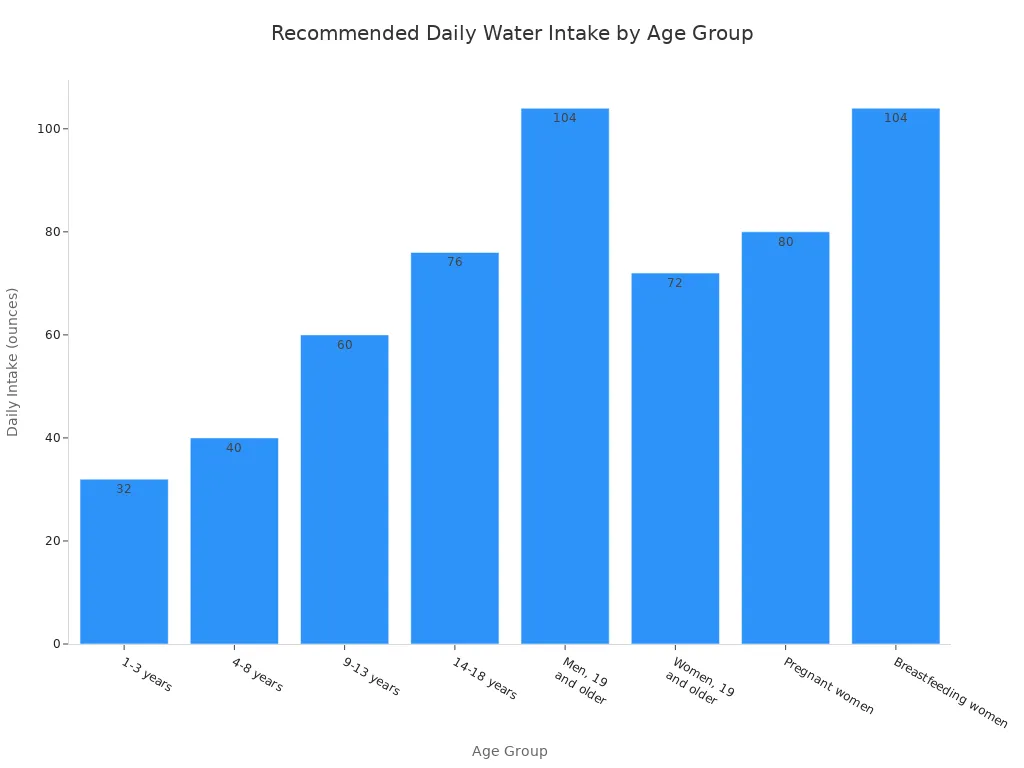
Having a water dispenser in your home or office makes staying hydrated easy. Studies show that convenient access to water encourages people to drink more. A visible and accessible dispenser serves as a constant reminder to meet your daily hydration goals. Meeting these goals supports your overall health, clarity, and productivity.
5 Cons of 5-Gallon Water Dispensers
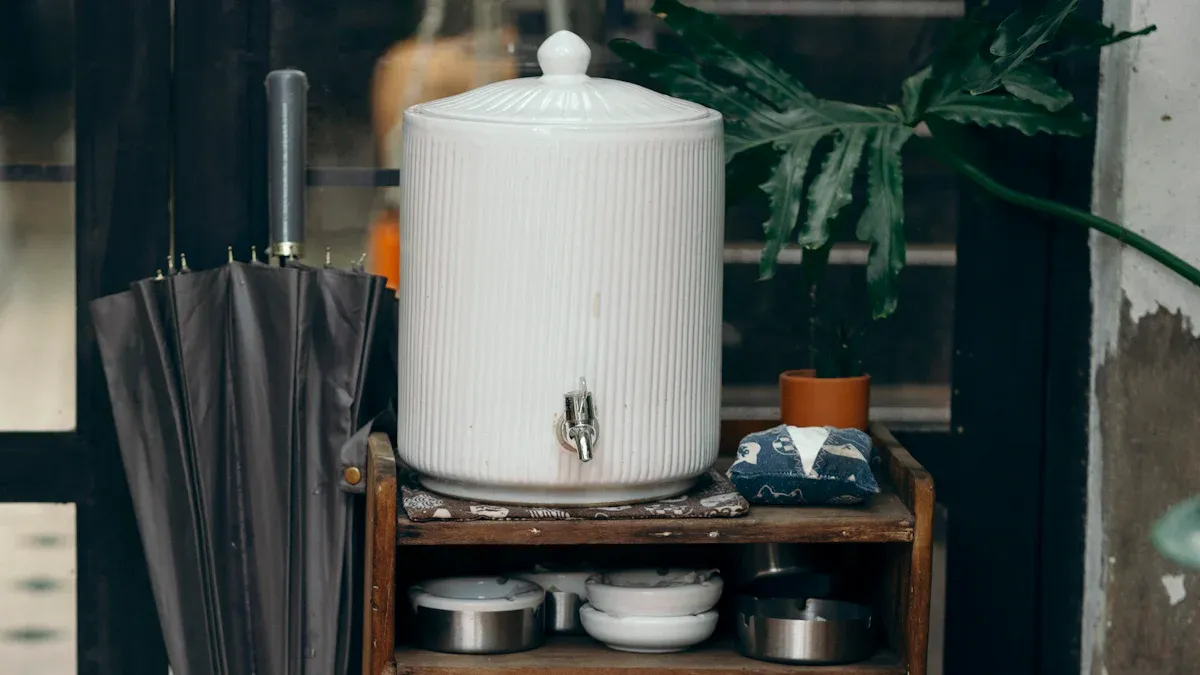
While dispensers offer many benefits, you should also consider the drawbacks before making a decision. These challenges can impact your budget, space, and daily routine.
1. Heavy Lifting and Physical Strain
You must handle heavy water jugs. A full 5-gallon jug weighs about 42 pounds. Lifting this weight can cause serious physical strain.
“...the containers are heavy to me, when it is raining we slip on the way... we've gotten a problem of the knees when we walk down the hill that its painful, the necks also are painful too...” (translated response, 55-year-old woman) Improper lifting can lead to back injuries, muscle strains, and long-term joint pain. The awkward size of the jug makes it difficult to place on the cooler, increasing your risk of injury.
2. Requires Significant Storage Space
The large jugs take up a lot of room. You need a dedicated spot to store both full and empty bottles. In a small home or office, this can be a major issue. You must plan for this storage requirement, as the jugs can become clumsy obstacles in your living or working area.
3. Potential for Bacterial Contamination
Your water dispenser can become a breeding ground for germs if you do not clean it properly. Harmful bacteria can grow inside the machine’s reservoir and spigots. Common contaminants include:
- E. coli
- Salmonella
- Fungi You must follow a regular cleaning schedule to ensure your water remains safe and free from these microorganisms.
4. Ongoing Costs and Service Dependency
A water dispenser involves more than the initial purchase. You become dependent on a delivery service for your water supply. These services often require contracts with specific terms. You may need to provide 30 days' notice to cancel, and early termination can result in fees. This commitment reduces your flexibility and adds a recurring expense.
5. Environmental Impact of Jugs
Using 5-gallon jugs is not a perfect environmental solution. The production of these heavy plastic jugs uses fossil fuels. Transporting them from the plant to your door also creates a significant carbon footprint. While they are reusable, their lifecycle still consumes energy and contributes to greenhouse gas emissions.
Key Considerations Before You Buy
Choosing the right water solution requires careful thought. You should weigh factors like convenience, cost, and aesthetics before you decide.
Is an Automatic Water Dispenser a Better Fit?
You might find an automatic water dispenser, or a bottleless system, is a better choice. These units connect directly to your water line, providing an unlimited supply. This eliminates the need for heavy jugs and storage space. An automatic water dispenser offers advanced filtration and can be more cost-effective long-term. While a traditional top-loading dispenser costs around $110 to $200, an automatic water dispenser has a higher initial cost but lower ongoing expenses.
| Feature | Automatic Water Dispenser (Bottleless) | 5-Gallon Dispenser (Bottled) |
|---|---|---|
| Water Source | Connects to building water line | Uses 3–5 gallon jugs |
| Capacity | Unlimited, on-demand | Limited to jug size |
| Lifting | None required | Requires lifting 40+ lb jugs |
| Sustainability | Eliminates plastic bottle waste | Reduces single-use plastic |
An automatic water dispenser is a modern solution for those seeking efficiency.
Understanding Water Quality and Safety
You should feel confident about the water you drink. If you have concerns, you can test your water quality.
"A detailed water test is the most important thing you can do for your home," says Maria Mozden, Senior Lab Manager at Culligan.
You have several options:
- DIY Home Test Kits: These offer a quick check for things like chlorine.
- Professional Testing: An expert can test your water at home for fast results.
- Certified Lab Testing: This provides the most complete analysis for a wide range of contaminants.
Aesthetics and Design in Your Space
Your water dispenser should match your home or office decor. Modern units offer sleek, minimalist designs that look great in any kitchen. Many now include features like touchless operation for better hygiene and LED indicators to show temperature status. You can find an automatic water dispenser that complements your space instead of clashing with it.
Comparing to Other Water Solutions
You have other options besides a 5-gallon system or an automatic water dispenser. Filtered water pitchers and faucet-mount filters are popular alternatives. Pitchers are inexpensive but require frequent filter changes and have a small capacity. Faucet filters are easy to install and provide filtered water on demand. Each solution offers a different balance of cost, convenience, and filtration quality.
You must decide if a 5-gallon dispenser is right for you. It is an excellent choice if you value high-quality water and can handle the physical demands. You might prefer alternatives like faucet filters if space is limited. Ultimately, weigh the convenience against the upkeep to find your best fit.
FAQ
How often should you clean a water dispenser?
You should clean your dispenser every 3 to 6 months. Regular cleaning prevents bacteria buildup. This practice ensures your water stays fresh and safe for you to drink.
What is the difference between top-loading and bottom-loading dispensers?
Top-loading models require you to lift the heavy jug on top. Bottom-loading dispensers let you slide the jug into a cabinet below, which helps you avoid physical strain.
Can you refill 5-gallon jugs with tap water?
Yes, you can refill jugs with tap water. This water will not have the same purified quality as commercially bottled water unless you filter it yourself first.