Is the Primo Water Dispenser Worth It in 2026?
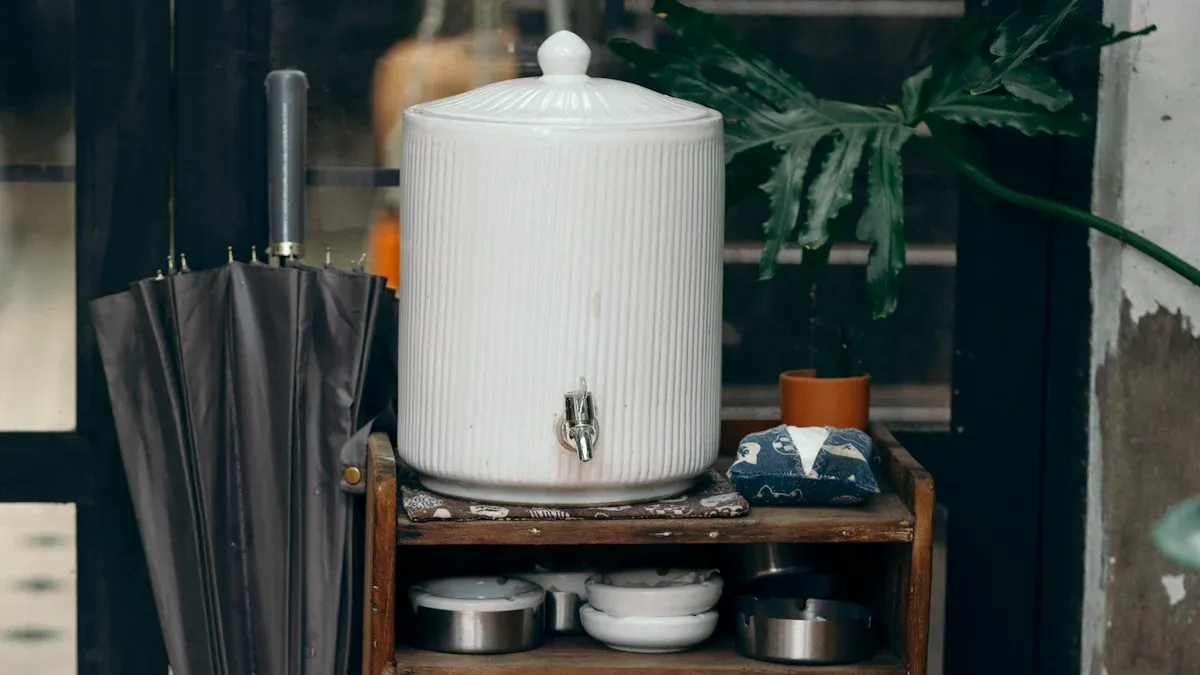
Yes, a Primo five gallon water dispenser is worth it in 2026 for households prioritizing convenience and consistent water quality.
You will find its value is strongest if you want to replace single-use plastic bottles. Regular use of the instant hot and cold water features also adds to its worth. However, its value diminishes for individuals on a tight budget or those with limited kitchen space.
Key Takeaways
- A Primo water dispenser saves money over time by replacing single-use plastic bottles.
- It provides clean, purified water with instant hot and cold options for daily convenience.
- Choosing a Primo dispenser helps the environment by reducing plastic waste.
How Much Does a Primo Dispenser Really Cost in 2026?
You see the sleek dispenser in the store. You imagine the convenience of instant hot and cold water. Then, you look at the price tag. Understanding the total cost is key to deciding if a Primo dispenser is a smart purchase for you. Let's break down the numbers beyond the initial sticker price.
The Upfront Price vs. Long-Term Savings
You should expect to pay between $150 and $300 for a new Primo five gallon water dispenser in 2026. The price depends on the model you choose. Bottom-loading units with extra features like a self-sanitizing function typically cost more. This one-time purchase is your biggest initial expense.
Now, let's compare that to a common alternative: buying cases of single-use water bottles. The long-term savings might surprise you.
Tip: Think of the dispenser as an investment. It pays you back over time by eliminating the need to constantly buy plastic bottles.
Here is a simple cost comparison for a family that drinks about five gallons of water per week:
| Water Source | Weekly Cost (Est. 2026) | Yearly Cost (Est. 2026) |
|---|---|---|
| Single-Use Bottles | $10.00 | $520.00 |
| Primo Refill Station | $2.00 | $104.00 |
Based on these numbers, you could save over $400 in your first year alone. Your dispenser would likely pay for itself in less than six months.
Calculating the Cost of Water Refills
Your main ongoing expense will be the water itself. You have two primary options for refilling your 5-gallon jugs.
- Pre-Filled Exchange: You can take your empty Primo jug to a retail location and swap it for a full one. This is the most convenient option. You can expect to pay around $7 to $9 per bottle.
- Self-Service Refill: You can take your empty jug to a refill station and fill it yourself with purified water. This is the most budget-friendly choice. The cost is usually $0.35 to $0.50 per gallon, which equals about $1.75 to $2.50 for a full 5-gallon jug.
Let's calculate a monthly budget. If your household uses one 5-gallon jug per week at a self-service refill station:
$2.00 per refill x 4 weeks = $8.00 per month
This simple calculation shows how affordable your water costs can be.
Uncovering Hidden Costs: Electricity and Maintenance
A water dispenser does have a few other small costs you should know about. These "hidden" costs are minimal but important for a complete budget.
- Electricity 💡: Your dispenser needs electricity to power the cooling compressor and the heating element. On average, you can expect your monthly electric bill to increase by about $3 to $5. You can save energy by turning off the hot or cold water switches when you are not using them.
- Maintenance: You need to clean your dispenser regularly to keep the water tasting fresh and safe. Primo sells cleaning kits for about $15. You can also clean it yourself with a simple solution of vinegar and water. Plan to clean your unit every three to four months.
These costs are small, but adding them to your refill expenses gives you the true, total cost of owning a Primo water dispenser.
Is the Water Quality a Worthwhile Upgrade?

You know the cost. Now you wonder about the quality. Is Primo water really better than what you get from your tap? The answer depends on your local water supply and your personal taste. Let's explore the real-world differences.
Primo Purified Water vs. Tap and Bottled Brands
Your tap water must meet EPA safety standards. However, it can still contain minerals and treatment chemicals like chlorine. These elements can affect the taste and smell of your water. Some older homes may also have pipes that add unwanted contaminants.
Primo offers purified water. This water goes through a multi-step filtration process. The process removes minerals, chemicals, and other impurities. The result is water with a consistently clean and neutral taste.
Note: If your tap water has a strong taste or odor, you will notice a significant improvement with Primo water.
How does it compare to bottled brands? Many popular bottled water brands are simply purified municipal water, similar to Primo. The main difference is the delivery method. Primo uses large, reusable jugs. This reduces plastic waste compared to buying cases of small bottles.
How Reliable Are the Hot and Cold Functions?
The instant temperature control is a major selling point. You can get a perfectly chilled glass of water or piping hot water for tea or oatmeal in seconds.
- Cold Water ❄️: The dispenser uses a compressor to chill the water, much like a refrigerator. You can expect the cold water to be consistently around 37-41°F (3-5°C). This is colder than most tap water and perfect for a refreshing drink.
- Hot Water 🔥: A heating element brings the water to a temperature between 185-198°F (85-92°C). This is hot enough to steep tea, make instant coffee, or prepare quick meals. A child-resistant safety feature prevents accidental burns, giving you peace of mind.
These functions are generally very reliable in 2026 models. The internal thermostats maintain the set temperatures, so your water is always ready when you are. This convenience removes the need to boil water on the stove or wait for ice cubes to chill your drink.
The Value of Primo's Filtration Process
You might ask what makes Primo's water so pure. The value comes from its multi-step purification process, which typically includes:
- Sediment Filtration: This first step removes larger particles like dirt, sand, and rust.
- Carbon Filtration: This stage targets chlorine, pesticides, and other chemicals that cause bad tastes and odors.
- Reverse Osmosis (RO): This is the core of the process. Water is forced through a fine membrane. The membrane blocks dissolved solids, metals like lead, and other microscopic impurities.
- Final Polishing: A final filter pass ensures the water has a crisp, clean taste before it goes into the bottle.
This thorough process provides a level of purity that most simple faucet or pitcher filters cannot match. When you use a Primo five gallon water dispenser, you are getting water that has been professionally treated for both safety and taste.
Is It Convenient Enough for Daily Life?

A dispenser's true value shows up in your daily routine. You want a seamless experience, not a new chore. Let's look at how a Primo dispenser fits into your life, from setup to refilling.
Bottom-Loading vs. Top-Loading: Which Five Gallon Water Dispenser Is Easier?
You have two main styles to choose from. Your choice greatly affects convenience.
- Top-Loading: You must lift a 40-pound water jug and place it on top of the unit. This can be difficult and may lead to spills.
- Bottom-Loading: You simply slide the jug into a cabinet at the base of the dispenser. A pump then draws the water up. This design is much easier and safer for most people.
For pure ease of use, a bottom-loading five gallon water dispenser is the clear winner. It eliminates heavy lifting.
Setup, Controls, and Noise Level
Getting your dispenser running is simple. You just plug it into an outlet and load your first water bottle. The controls are straightforward, usually with push buttons or levers for hot, cold, and room-temperature water.
What about noise? The unit is mostly silent. You will hear a low hum when the cooling compressor kicks on, similar to the sound of a modern refrigerator. It is not loud enough to be a distraction in your kitchen or office.
Finding and Using Refill Stations
You might worry about the hassle of refilling your jugs. Luckily, finding a station is easy. Primo Brands provides approximately 23,500 self-service refill stations across the United States. You can find them inside and outside many grocery stores and big-box retailers. Using them is simple: you place your empty bottle in the machine, pay with a card, and press a button to fill it with purified water. This makes maintaining your five gallon water dispenser a quick and simple errand.
Will It Last? Durability and Environmental Impact
You want to know if your investment will stand the test of time. A water dispenser's durability and its effect on the planet are important factors. Let's look at the build quality, warranty, and environmental benefits.
Build Quality and Projected 2026 Lifespan
You can expect your Primo dispenser to be made of durable plastics and stainless steel components. These materials are designed for daily use in a kitchen environment. With proper care and regular cleaning, a 2026 Primo water dispenser should last you between three to five years. Some units may even last longer. Its lifespan depends heavily on how well you maintain it.
Evaluating the Warranty and Customer Support
Most Primo dispensers come with a one-year limited warranty. This warranty typically covers defects in materials or workmanship. You should read the specific terms for the model you choose. The warranty gives you protection against early mechanical failures. For issues outside of the warranty, you will rely on customer support. It is a good idea to check recent customer reviews to understand the company's service quality.
Is It a Genuinely Greener Choice?
Yes, choosing a Primo dispenser is a genuinely greener choice than buying single-use plastic bottles. You significantly reduce your household's plastic waste by using large, refillable jugs.
The environmental impact is impressive. One reusable 5-gallon jug can save thousands of smaller bottles from landfills and oceans over its lifetime.
Consider these numbers ♻️:
- Each 5-gallon refill prevents nearly 19 single-use (16.9 oz) bottles from being used.
- If you refill a jug 100 times, you will have replaced almost 1,900 single-use bottles.
This simple change in your routine makes a real, positive difference for the environment.
Your family will find the Primo dispenser a clear winner in 2026. You can reduce plastic waste and enjoy instant hot and cold water. For solo dwellers, the cost and space may not be justified. If you can manage the upfront price, the long-term savings make this a worthy investment.
FAQ
How often should you clean your Primo dispenser?
You should clean your dispenser every three months. This simple habit keeps your water tasting fresh and helps the unit operate correctly for a longer lifespan.
Can you use other brands of water jugs?
Yes, you can use most other 3 and 5-gallon water jugs. Primo dispensers are designed to be compatible with standard bottles, giving you more flexibility at the store.
Do all Primo dispensers offer room-temperature water?
Not all models have this feature. You must check the product description before you buy. Many dispensers only offer hot and cold water options.