Explore the preservative effects of Imidazolidinyl Urea CAS No. 39236-46-9 and discover the secret to lasting beauty
When you explore the preservative effects of Imidazolidinyl Urea CAS No. 39236-46-9, you find a powerful way to keep cosmetics fresh and safe. The table below shows how this ingredient stands out for its effectiveness, stability, and cost, making it a smart choice for lasting beauty.
| Characteristic | Description |
|---|---|
| Effectiveness | Effective against a wide range of microorganisms, helping to extend the shelf life of products. |
| Stability | Relatively stable under various pH levels and temperature conditions. |
| Cost | Low cost and widely used. |
Key Takeaways
- Imidazolidinyl Urea is a powerful preservative that keeps cosmetics fresh and safe by preventing microbial growth.
- Using Imidazolidinyl Urea at recommended levels (0.2% to 0.4%) ensures product safety and extends shelf life.
- Proper storage and handling of Imidazolidinyl Urea, such as keeping it in a cool, dry place, maximizes its effectiveness.
Explore the preservative effects of Imidazolidinyl Urea CAS No. 39236-46-9
What is Imidazolidinyl Urea?
You can explore the preservative effects of Imidazolidinyl Urea CAS No. 39236-46-9 by learning about its role in cosmetics. This ingredient acts as a synthetic antimicrobial preservative. You find it in many creams, lotions, shampoos, and wipes. Imidazolidinyl Urea helps keep products safe and fresh. It works by stopping bacteria, yeasts, and molds from growing. You benefit from its broad-spectrum antimicrobial capabilities. When you use products with this preservative, you help prevent contamination and extend shelf life.
- Broad-spectrum antimicrobial action against bacteria, yeasts, and molds
- Prevents microbial contamination, ensuring product safety
- Functions as a formaldehyde releaser for effective preservation
- Safe for use in cosmetics at recommended concentrations
- Compatible with many cosmetic ingredients
Research shows that Imidazolidinyl Urea works well with other preservatives. You can combine it with phenoxyethanol to boost its antimicrobial action. This combination allows you to use lower concentrations while still protecting your products. Regulatory panels confirm its safety when used within set limits.
Chemical Properties and Identity
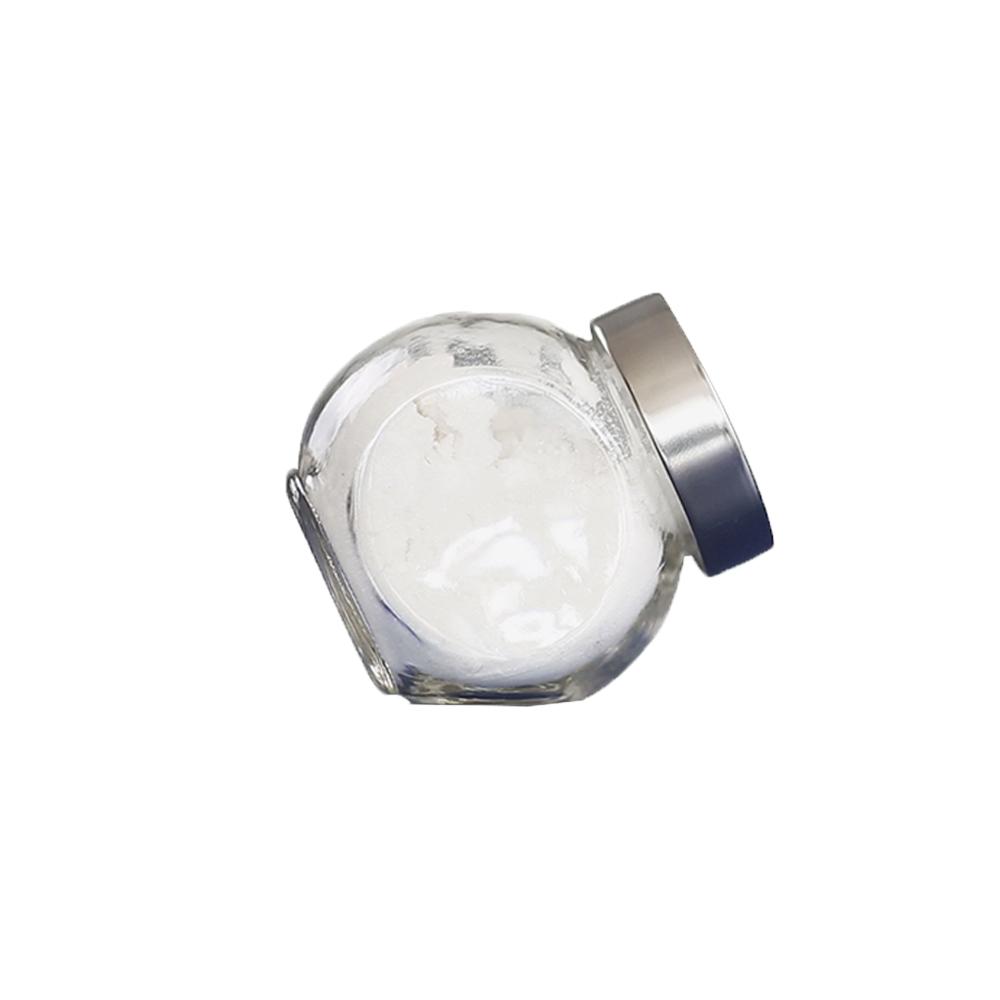
You can identify Imidazolidinyl Urea by its chemical properties. It appears as a white fluid powder. The compound is odorless or has a mild scent. You see its technical details in the table below:
| Property | Value |
|---|---|
| CAS Number | 39236-46-9 |
| Molecular Formula | C11H16N8O8 |
| Molecular Weight | 388.29 g/mol |
You notice that Imidazolidinyl Urea is hygroscopic, which means it absorbs moisture from the air. You store it in a cool, dry place to keep its quality. When you explore the preservative effects of Imidazolidinyl Urea CAS No. 39236-46-9, you discover how its chemical identity supports its use in cosmetics.
How Imidazolidinyl Urea Works in Cosmetics
Antibacterial Mechanism
You can protect your cosmetics by using Imidazolidinyl Urea. This ingredient works by releasing small amounts of formaldehyde. The formaldehyde attacks the cell walls of bacteria and other microbes. This action stops them from growing and multiplying. You get a strong defense against harmful microorganisms. Imidazolidinyl Urea targets both Gram-negative and Gram-positive bacteria. It also works against yeasts and molds. This broad action helps keep your products safe and fresh.
You can see how well Imidazolidinyl Urea works against common bacteria in the table below:
| Microorganism | Minimum Inhibitory Concentration (MIC) |
|---|---|
| E. coli | 1 mg/mL |
| B. subtilis | 0.7 mg/mL |
These values show that even small amounts can stop bacteria from growing.
Preventing Microbial Growth and Spoilage
When you explore the preservative effects of Imidazolidinyl Urea CAS No. 39236-46-9, you find that it helps prevent spoilage. Microbes can enter your cosmetics during use. They can cause changes in color, smell, and texture. Imidazolidinyl Urea stops these changes by controlling microbial growth. You keep your creams, lotions, and shampoos safe for longer. This means you enjoy your favorite products without worry. You also protect your skin from unwanted reactions. By choosing the right preservative, you support both product quality and your own beauty routine.
How to Use Imidazolidinyl Urea in Cosmetic Formulations
Recommended Concentrations and pH Range
You need to know the right amount of Imidazolidinyl Urea to use in your cosmetic products. Using the correct concentration helps your products stay safe and fresh. Most cosmetic products work best with Imidazolidinyl Urea at levels between 0.2% and 0.4%. Some advanced nutritive formulas can use as little as 0.1% or as much as 0.5%. The highest safe amount is 0.6%. You should always check the type of product before deciding how much to add.
Here is a table that shows the recommended concentration ranges:
| Product Type | Recommended Concentration Range | Maximum Allowable Concentration |
|---|---|---|
| General Use | 0.2% - 0.4% | 0.6% |
| Advanced Nutritive | 0.1% - 0.5% | N/A |
The pH of your formula also matters. Imidazolidinyl Urea works best when the pH is between 3.0 and 9.0. This wide range means you can use it in many different products. If you keep the pH in this range, you help the preservative do its job well.
| Parameter | Value |
|---|---|
| Optimal pH Range | 3.0 - 9.0 |
| General Addition | 0.2 - 0.4% |
| Maximum Allowable Addition | 0.6% |
| Temperature Range | < 90°C |
Tip: Always test the pH of your final product to make sure it stays in the safe and effective range.
Compatible Product Types
You can use Imidazolidinyl Urea in many types of cosmetics. It blends easily into cream bases, water-based gels, and liquid cleansers. You will find it in lotions, shampoos, conditioners, and wet wipes. This preservative works well in both leave-on and rinse-off products. It keeps your products safe from bacteria and mold.
Here are some common product types that use Imidazolidinyl Urea:
- Creams and lotions
- Shampoos and conditioners
- Wet wipes and facial cleansers
- Water-based gels
You can add Imidazolidinyl Urea to sensitive skin formulas. It helps reduce complaints about irritation when used at the right level. You should always check your formula to make sure it matches the recommended concentration and pH.
Incorporation Steps in Formulation
You need to follow the right steps to add Imidazolidinyl Urea to your cosmetic products. This helps you get the best preservative effect. Here is a simple guide:
- Measure the correct amount of Imidazolidinyl Urea for your batch size.
- Add the preservative to the water phase of your formula. You can do this during mixing.
- Keep the temperature below 80°C when adding Imidazolidinyl Urea. High heat can reduce its strength.
- Mix well to make sure the preservative spreads evenly.
- Check the pH of your formula. Adjust if needed to keep it between 3.0 and 9.0.
- Test your final product for stability and safety.
| Evidence Aspect | Description |
|---|---|
| Consistency in Manufacturing | You should keep your process the same each time to get the best results. |
| Impact of pH | The pH of your formula affects how well Imidazolidinyl Urea works. |
| Stability | This preservative stays strong under many conditions, helping your product last longer. |
Note: You can combine Imidazolidinyl Urea with other preservatives for extra protection. Always store your finished products in a cool, dry place.
When you explore the preservative effects of Imidazolidinyl Urea CAS No. 39236-46-9, you find that following these steps helps you make safe and long-lasting cosmetics.
Safety and Regulatory Guidelines for Imidazolidinyl Urea
Safe Usage Levels and Limits
You need to use Imidazolidinyl Urea within safe limits to protect yourself and others. Most cosmetic formulas use this preservative at levels between 0.2% and 0.5%. You should always check the recommended concentration for your product type. Imidazolidinyl Urea works best in formulas with a pH between 3 and 9. You must keep the temperature below 80°C during mixing. This helps the preservative stay strong and effective. Imidazolidinyl Urea releases small amounts of formaldehyde, so you must follow safety guidelines.
Tip: Always test your finished product for stability and safety before selling or using it.
Potential Sensitivities and Allergic Reactions
You may notice that some people react to Imidazolidinyl Urea. Germall 115, a brand of Imidazolidinyl Urea, is a formaldehyde-releasing preservative. It has been linked to sensitivities and allergic reactions in certain cases. Here are some possible reactions:
- Skin irritation
- Allergic contact dermatitis
- Redness or itching
You should monitor your skin when using products with this preservative. If you see any signs of irritation, stop using the product and consult a healthcare professional.
Compliance with Cosmetic Regulations
You must follow strict rules when using Imidazolidinyl Urea in cosmetics. In Europe, Regulation (EU) 2022/1181 lowers the formaldehyde labeling threshold from 500 ppm to 10 ppm. Formaldehyde is banned in cosmetics, but formaldehyde-releasing substances like Imidazolidinyl Urea are allowed under certain conditions. You need to label products with a warning if they release more than 0.001% (10 ppm) formaldehyde. A transition period of 24 months is given for compliance, with another 24 months for selling existing stock.
Imidazolidinyl Urea can impact the environment because it releases formaldehyde over time and when exposed to heat. You should always handle and store products carefully to minimize risks.
Benefits for Lasting Beauty and Product Longevity
Maintaining Cosmetic Quality and Freshness
You want your cosmetics to stay fresh and safe every time you use them. Imidazolidinyl Urea helps you achieve this goal. It stops bacteria, yeast, and mold from growing in your creams and lotions. This means your products keep their color, texture, and scent for longer. You do not have to worry about changes in your favorite products. When you explore the preservative effects of Imidazolidinyl Urea CAS No. 39236-46-9, you see how it protects your beauty items from spoilage.
Enhancing User Safety and Experience
You care about safety when you choose cosmetics. Imidazolidinyl Urea supports this by reducing the risk of harmful microbes. You get peace of mind knowing your products are protected. Some people worry about formaldehyde in cosmetics. Studies show that clear labeling builds trust. You can see this in the table below:
| Evidence | Description |
|---|---|
| Formaldehyde in Products | A study revealed that formaldehyde releasers, including Imidazolidinyl Urea, are frequently used in cosmetics, raising safety concerns among consumers. |
| Labeling Guidelines | The European Network of Official Cosmetics Control Laboratories emphasizes the need for clear labeling, especially for products exceeding formaldehyde thresholds, which directly impacts consumer trust. |
You want to know what is in your products. Clear labels help you make smart choices.
Supporting Extended Shelf Life
You save money and reduce waste when your cosmetics last longer. Imidazolidinyl Urea gives your products a longer shelf life. You do not need to replace them as often. Many people want safe and long-lasting products. Here are some things that matter to you:
- You look for products with safe preservatives.
- You want to avoid skin irritation.
- You trust brands that share clear information.
Explore the preservative effects of Imidazolidinyl Urea CAS No. 39236-46-9 to see how it supports lasting beauty and product quality.
Best Practices and Tips for Using Imidazolidinyl Urea
Maximizing Preservative Effectiveness
You can boost the effectiveness of Imidazolidinyl Urea by paying attention to your formula. The composition of your product matters. Surfactants, especially nonionic types, can change how the preservative works in oil-based emulsions. You should check the microbiological quality of your raw materials. Clean ingredients help keep your product safe. Packaging also plays a role. If you use airtight containers, you reduce the risk of contamination. Solubility and partitioning affect how well the preservative works in water or oil phases. The pH and temperature of your formula can change its activity.
| Factor Influencing Effectiveness | Description |
|---|---|
| Formulation Composition | Surfactants and emulsions impact preservative activity. |
| Microbiological Quality | Clean raw materials prevent contamination. |
| Packaging Type | Airtight packaging protects from contaminants. |
| Solubility and Partitioning | Stability depends on water/oil balance. |
| pH and Temperature | Correct pH and temperature keep the preservative strong. |
Minimizing Risks in Formulation
You can lower risks by following simple steps. Use Imidazolidinyl Urea within recommended concentration levels. Avoid using it in leave-on products for sensitive skin or mucous membranes. Always check local and international cosmetic regulations. Wear protective equipment when handling the powder. This keeps you safe from inhalation or skin contact.
Tip: Test your finished product for stability and safety before releasing it.
Proper Storage and Handling
You need to store Imidazolidinyl Urea correctly to keep its power. Place it in a cool, dry, and well-ventilated area. Keep containers tightly closed to stop moisture and contamination. The best storage temperature is between 41°F and 77°F. Avoid direct sunlight. Use the product within its shelf life for best results.
- Store in a cool, dry place
- Keep containers tightly closed
- Avoid direct sunlight
- Use protective gear during handling
You protect your products and yourself by following these best practices.
You can use Imidazolidinyl Urea safely by following these guidelines:
| Preservative | Max. Concentration in Rinse-off Products | Warning |
|---|---|---|
| Imidazolidinyl Urea | 0.3% | Should not be used by infants or hypersensitive individuals to formaldehyde. |
- Imidazolidinyl Urea keeps your cosmetics stable and fresh.
- It helps your products last longer and work better.
- You support lasting beauty when you explore the preservative effects of Imidazolidinyl Urea CAS No. 39236-46-9.
Always follow best practices for safe and effective formulations.
FAQ
What types of cosmetics can you use Imidazolidinyl Urea in?
You can use Imidazolidinyl Urea in creams, lotions, shampoos, conditioners, and wet wipes. It works well in both leave-on and rinse-off products.
How should you store Imidazolidinyl Urea for best results?
You should keep Imidazolidinyl Urea in a cool, dry place. Make sure the container stays tightly closed and away from sunlight.
What is the recommended usage level for Imidazolidinyl Urea?
| Product Type | Recommended Level |
|---|---|
| General Cosmetics | 0.2% – 0.4% |
| Advanced Formulas | 0.1% – 0.5% |
You should always check your formula and follow guidelines.
See Also
Exploring New Uses for N,N-Dimethyl-N,N-Diphenylurea Across Industries
Research-Driven Strategies to Enhance 2 5-Furandicarboxylic Acid Sustainability
Urea Ammonium Nitrate Solution: The Essential Nutrient for Plants
Benefits of Opting for Sustainable Bamboo Cosmetic Packaging Solutions
Silicone Sealant: The Essential Adhesive for Contemporary Home Design