Your Portable Sewage Treatment Plant Setup Guide
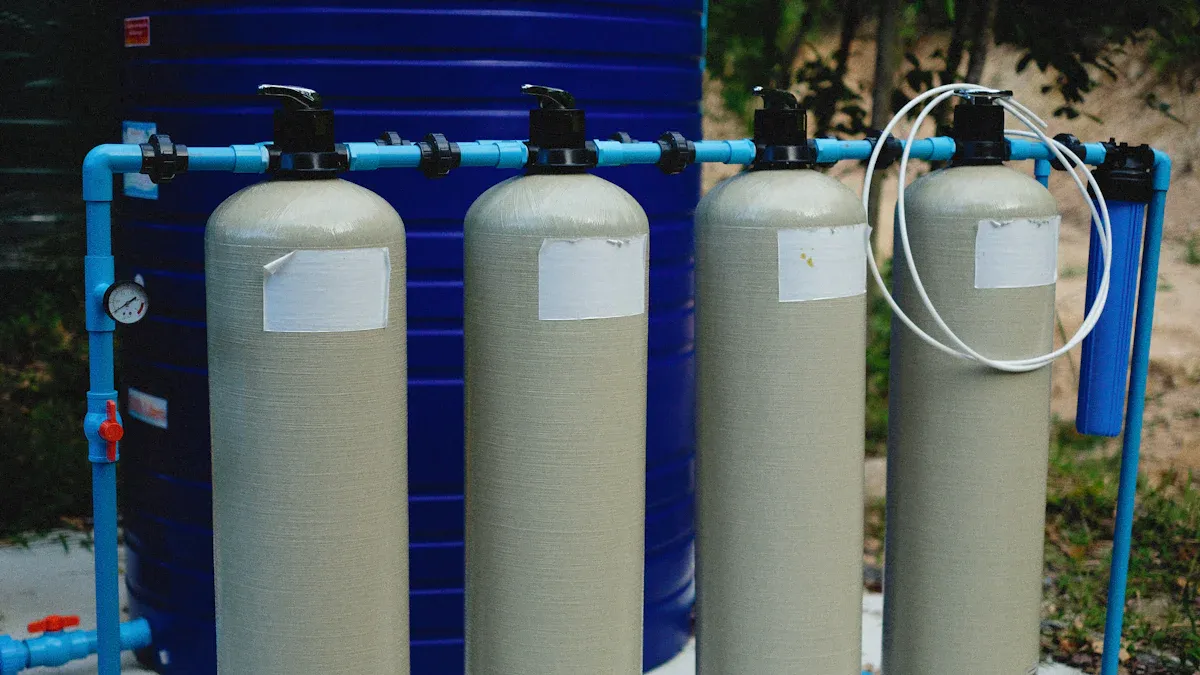
You must first select the correct unit for your needs. Next, you will prepare the installation site thoroughly. A systematic installation ensures your portable sewage treatment plant operates efficiently. This growing demand is reflected in the global mobile water treatment market's expansion.
| Metric | Value (2021) | Projected Value (2031) | CAGR (2022-2031) |
|---|---|---|---|
| Global Mobile Water Treatment Market | $3.9 billion | $9.5 billion | 9.4% |
Key Takeaways
- Choose the right plant model for your needs, then prepare the site well. This includes clearing the area and making sure the ground is level. Proper setup helps your plant work correctly.
- Connect all pipes and electrical parts carefully. A qualified electrician must do the electrical work. After setup, start the system by adding special bacteria to begin treating wastewater.
- Check your plant daily for leaks or strange noises. Clean filters and remove sludge regularly. If you see problems like bad smells or cloudy water, fix them quickly to keep the plant working well.
Step-by-Step Guide to Setting Up Your Portable Sewage Treatment Plant
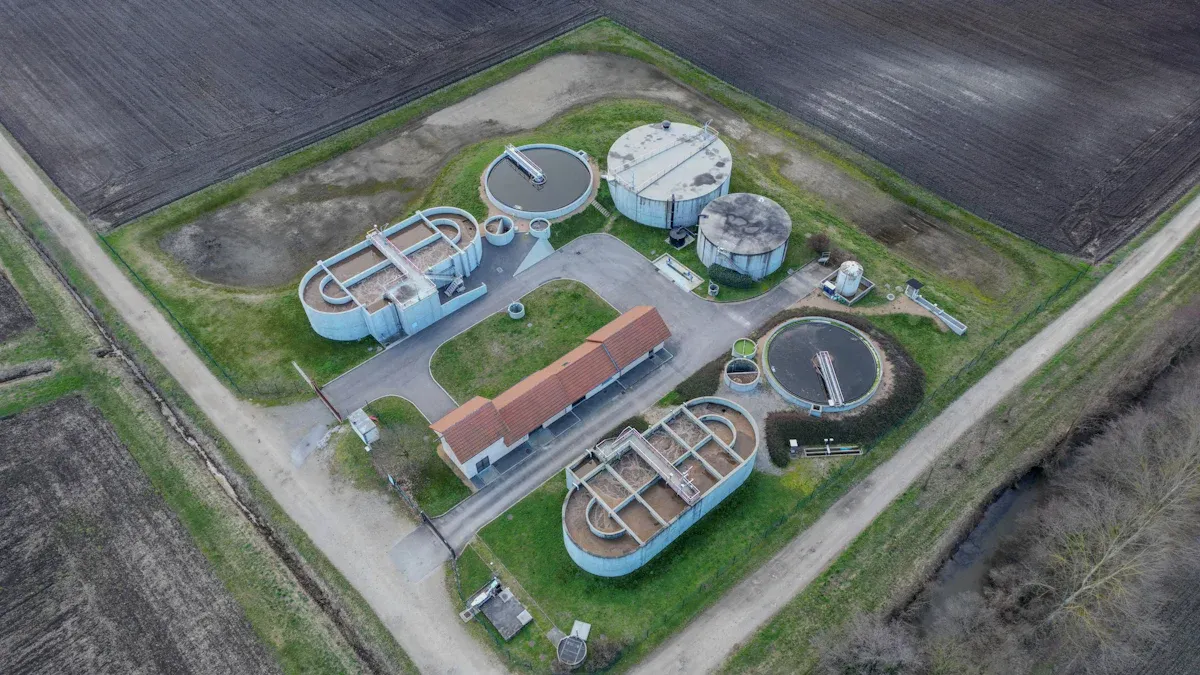
Setting up your system correctly is crucial for its long-term performance. You should follow each step carefully. This guide will walk you through the entire process, from selection to start-up.
Choosing the Right Plant Model
You must first select a plant that fits your specific needs. Different models use different technologies. The most common types are Membrane Bioreactors (MBR), Sequencing Batch Reactors (SBR), and Moving Bed Biofilm Reactors (MBBR). Each has unique features.
MBR systems combine biological treatment with membrane filtration. They are very effective at removing contaminants. Studies show MBRs can achieve over 80% COD removal. However, you must watch for membrane fouling. MBBR technology is another biological process. It uses small plastic carriers that float in the reactor. Bacteria grow on these carriers, forming a biofilm that treats the wastewater.
This table compares the key differences between these popular models.
| Feature | MBR | SBR | MBBR |
|---|---|---|---|
| Separation Method | Membrane technology | Gravity settling | Biofilm on carriers |
| Treatment Power | Higher | Lower | Good |
| Process Basin Size | Smaller | Larger | Compact |
| Operational Complexity | Easy | More involved | Very easy |
| Space Requirement | Less | More | Very little space |
| Cost-effectiveness | Better choice | Good system | Excellent |
MBBR systems offer several advantages. They handle load fluctuations well without operator intervention and produce less sludge. They also require less space. However, you should be aware of potential issues like bioclogging or carriers blocking the effluent sieve.
Preparing the Installation Site
A proper foundation ensures the stability and safety of your portable sewage treatment plant. You need a firm, level, and stable surface.
- Clear the Area: Remove all debris, vegetation, and rocks from the designated spot.
- Level the Ground: The site must be perfectly flat. Use gravel or a concrete pad to create a level base.
- Ensure Accessibility: Make sure there is enough space around the unit for maintenance access and for service vehicles.
- Check for Utilities: Confirm the location of underground pipes or cables before any excavation.
Note: Always check the manufacturer's specifications for the exact footprint and clearance requirements. A solid base prevents shifting, which can damage the unit and its connections.
Positioning and Securing the Unit
Once the site is ready, you can position the plant. Use a crane or forklift to carefully lift and place the unit onto the prepared base.
- Align the unit according to your site plan. Pay close attention to the inlet and outlet port directions.
- Check that the unit is level in all directions using a spirit level.
- Secure the plant to the base. Use the anchor points provided by the manufacturer to bolt it down firmly. This prevents movement during operation or in high winds.
Connecting Inlet and Outlet Piping
Proper pipe connections prevent leaks and ensure smooth flow. You will connect the wastewater source to the inlet and the treated water outlet to the discharge point.
- Inlet Pipe: Connect the pipe from your facility's sewage output to the plant's inlet port. Ensure a downward slope to allow gravity to assist the flow.
- Outlet Pipe: Connect the plant's outlet port to the designated discharge area, such as a drainage field or watercourse.
- Seal all Joints: Use appropriate sealant or gaskets for all connections to create a watertight seal.
After connecting the pipes, you must perform a leak test. For water systems, this involves filling the pipes with water under pressure.
- Fill the system with water. Bleed all air from the pipes to get a steady test pressure.
- Pressurize the system to the specified test pressure.
- Walk the entire system and visually inspect every joint and connection for drips.
- Tag any leaks you find for repair.
- Dry any wet areas to easily spot new, slow leaks.
Electrical and Control Panel Hookup
Your portable sewage treatment plant requires electricity to power its pumps, blowers, and control panel.
Safety First! ⚡️ All electrical work must be performed by a qualified and licensed electrician. This ensures safety and compliance with local electrical codes.
The electrician will connect the main power supply to the unit's control panel. They will also verify that all motors and sensors are correctly wired. The control panel is the brain of the system, so a correct hookup is essential for automated operation.
Commissioning and System Start-Up
Commissioning is the final step to get your plant running. This process involves starting the biological treatment process and fine-tuning the system.
First, you will fill the tanks with clean water to test all pumps and equipment. Next, you introduce "seed sludge" into the biological reactor. This sludge contains the live bacteria needed to treat the sewage. The system then enters a stabilization period. For an MBBR system, this typically takes around 22 days. This period includes about 6 days for seeding and 16 days for the bacteria to acclimatize and start working effectively. During this time, you will monitor water quality and make adjustments to airflow and pump settings as needed. Once the effluent meets the required quality standards, your plant is fully operational.
Ongoing Maintenance and Troubleshooting
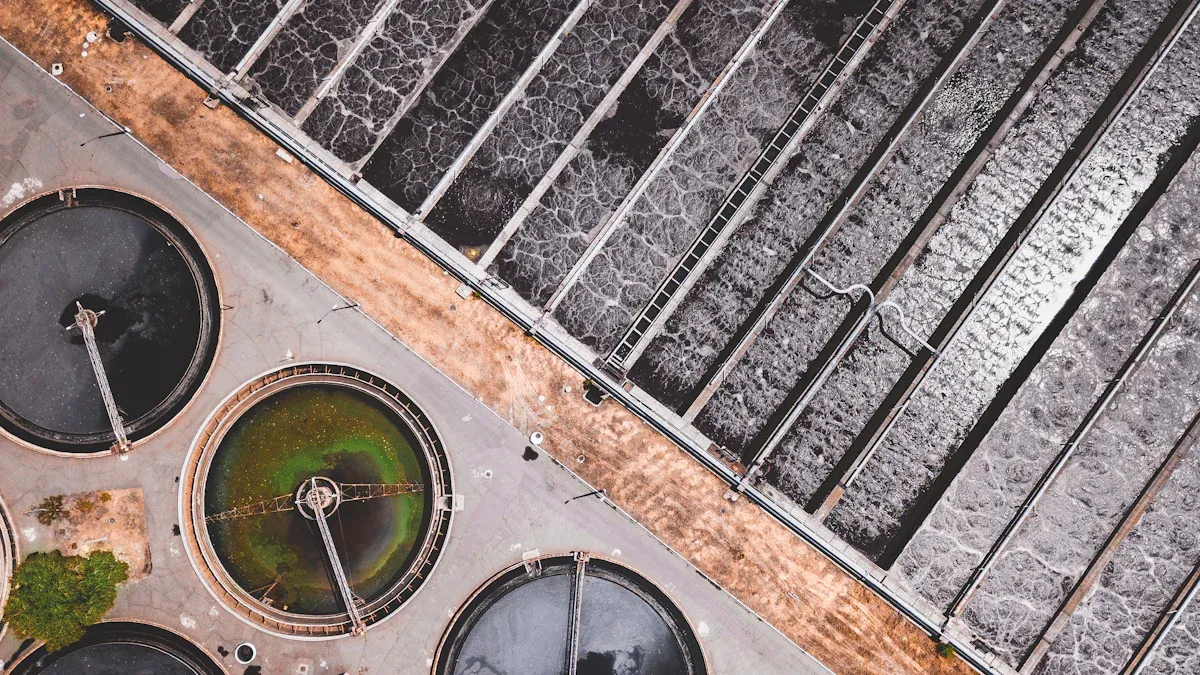
Proper setup is just the beginning. You must perform regular maintenance to keep your plant running smoothly. Consistent care prevents costly repairs and ensures the system treats wastewater effectively. This section guides you through routine checks, maintenance tasks, and common troubleshooting steps.
Daily and Weekly Operational Checks
You should create a habit of performing simple checks. These quick inspections help you spot small issues before they become big problems.
- Visual Inspection: Walk around the unit. Look for any leaks from pipes, tanks, or fittings. Check for any visible damage to the unit's housing.
- Listen to the Equipment: Pay attention to the sounds of the pumps and blowers. Unusual noises like grinding or loud humming can indicate a mechanical problem.
- Check the Control Panel: Look at the control panel for any active alarms or warning lights. Ensure the system shows it is in its normal operating mode.
- Observe the Effluent: Check the quality of the treated water (effluent). It should be clear and have no strong odor. Cloudy or smelly effluent signals a problem inside the system.
Monthly and Quarterly Maintenance Tasks
More detailed tasks are necessary on a monthly and quarterly basis. These actions maintain the mechanical and biological health of your portable sewage treatment plant.
You need to clean the system's filters and screens regularly. Cleaning the filter right after the tank is pumped is the best approach. An empty tank prevents sewage from bypassing the filter and entering the drainfield.
- Stop running water in the building. This prevents wastewater from entering the tank while you work.
- Check the sewage level inside the tank. A very high level points to a blockage. Do not remove the filter if the level is high. You should have the tank pumped first.
- Open the access cover and carefully remove the filter.
- Wash the filter with a hose. Spray away from yourself to stay clean.
- Place the clean filter back into its housing.
- Close the access cover securely.
- Wash your hands thoroughly after you finish.
Quarterly tasks often involve checking mechanical parts. The letter 'Q' on maintenance schedules stands for quarterly.
- Inspect blowers and pumps for wear and tear.
- Check and clean any probes or sensors inside the tanks.
- Positive-displacement blowers that run continuously need oil changes every quarter. This lubricates the gears and bearings.
Managing Sludge Removal (Desludging)
Sludge is the solid material that settles in the tanks during treatment. You must remove this sludge periodically in a process called desludging. If you do not remove it, the tank will fill up, and solids will escape with the treated water. This makes the system stop working correctly.
The ideal frequency for desludging depends on your system's size and usage. Guidelines vary around the world.
| Country/Source | Recommended Desludging Frequency | Key Factors |
|---|---|---|
| United States (EPA) | Every 4 years | Sludge should fill less than one-third of the tank. |
| Japan | Once a year | This is a legal requirement for household systems. |
| Ireland (Field Study) | 3 years (optimal) | Depends on household size; 5 years is the maximum. |
| India | Yearly is best, or at least every 2–3 years | Assumes the tank is not overloaded. |
| General Norm | 2 to 5 years | More users and smaller tanks require more frequent desludging. |
Important: Desludging too often (less than once a year) can disrupt the helpful bacteria that treat the waste. It takes time for these biological processes to develop fully.
After you remove the sludge, you must dispose of it correctly. Regulations like the U.S. EPA's 40 CFR Part 503 define how to handle septage, which includes material from portable toilets. The most common approved disposal methods are landfilling and land application. In the U.S., you generally have three options:
- Land application: You can use the treated sludge as a fertilizer or soil conditioner.
- Landfilling: You can dispose of the dewatered sludge in a designated municipal landfill.
- Incineration: You can burn the sludge in a special incinerator.
Troubleshooting Common Odor Problems
Bad smells, like rotten eggs, are a common sign of a problem. This odor is often hydrogen sulfide gas (H2S). Bacteria produce H2S when they break down organic waste in an environment without enough oxygen. Human and animal feces are a primary source of these sulfur compounds. Higher temperatures can make the problem worse. The bacteria become more active in the heat, producing even more H2S gas.
You can use several methods to control these odors. Different additives work in different ways to neutralize or prevent bad smells.
| Additive Type | How It Works | Examples |
|---|---|---|
| Biological Additives | Uses helpful microbes to break down odor-causing compounds. | Biofilters with odor-eating bacteria. |
| Chemical Inhibitors | Stops the chemical reactions that produce H2S. | Ferric Chloride, Nitrate Salts. |
| Oxidizing Agents | Changes smelly compounds into non-smelly ones. | Hydrogen Peroxide, Chlorine Dioxide. |
| Activated Carbon | Traps odor molecules in its porous structure. | Carbon filters. |
| H2S Scavengers | Reacts directly with H2S to form harmless substances. | Iron salts. |
Addressing Poor Effluent Quality
If the water leaving your system is cloudy, discolored, or smelly, you need to investigate the cause. Poor effluent quality means the plant is not treating waste properly.
Troubleshooting Tip: Start with the simplest explanations first.
- Check for Overload: Is the system receiving more wastewater than it was designed for? A sudden surge in flow can wash out the helpful bacteria.
- Inspect the Aeration System: The bacteria need oxygen. Make sure the blowers are running correctly and that air is bubbling through the water in the aeration tank.
- Review Chemical Use: Are you using harsh cleaning chemicals, like bleach, in your facility? These can kill the bacteria in the treatment plant.
- Examine Sludge Levels: Too much sludge in the system can lead to poor settling and solids carrying over into the effluent. You may need to desludge the tank.
Responding to System Alarms
Your plant's control panel will alert you to problems. Never ignore an alarm. 🚨
- Identify the Alarm: Note the alarm code or message on the control panel display.
- Consult the Manual: Look up the code in the manufacturer's operation manual. The manual will explain what the alarm means and suggest corrective actions.
- Take Action: Common alarms include "high level," "blower failure," or "pump fault." Follow the manual's instructions to fix the issue. This might involve resetting a pump or clearing a blockage.
- Call for Service: If you cannot solve the problem yourself or if the alarm indicates a major failure, contact your service provider immediately.
You ensure a successful setup with careful site preparation, correct installation, and a complete commissioning process. You achieve long-term reliability through consistent maintenance, including regular checks and quick troubleshooting.
Your portable sewage treatment plant's success depends on two key actions: a great start and steady, ongoing care. ✅
FAQ
How often should I service my plant?
You should follow the service schedule in your manufacturer's manual. Your plant's usage and local rules also determine the service frequency. Regular service prevents major issues and ensures compliance.
Can I install the plant myself?
You can perform basic site preparation. However, a qualified professional must handle the final installation.
Warning! ⚡️ A licensed electrician must complete all electrical connections. This ensures your safety and follows local codes.
What happens if the power goes out?
The treatment process will stop without power. You should limit water use to prevent the tanks from overflowing. The system will restart automatically when power returns.
See Also
Industrial Semi-welded Plate Heat Exchangers: Your 2025 Comprehensive Guide
Understanding Plate Heat Exchangers: A Detailed Operational Guide
Lab Tablet Sampling Machines: The Ultimate Selection Guide