Porcelain Water Dispensers An Honest Review of Pros and Cons
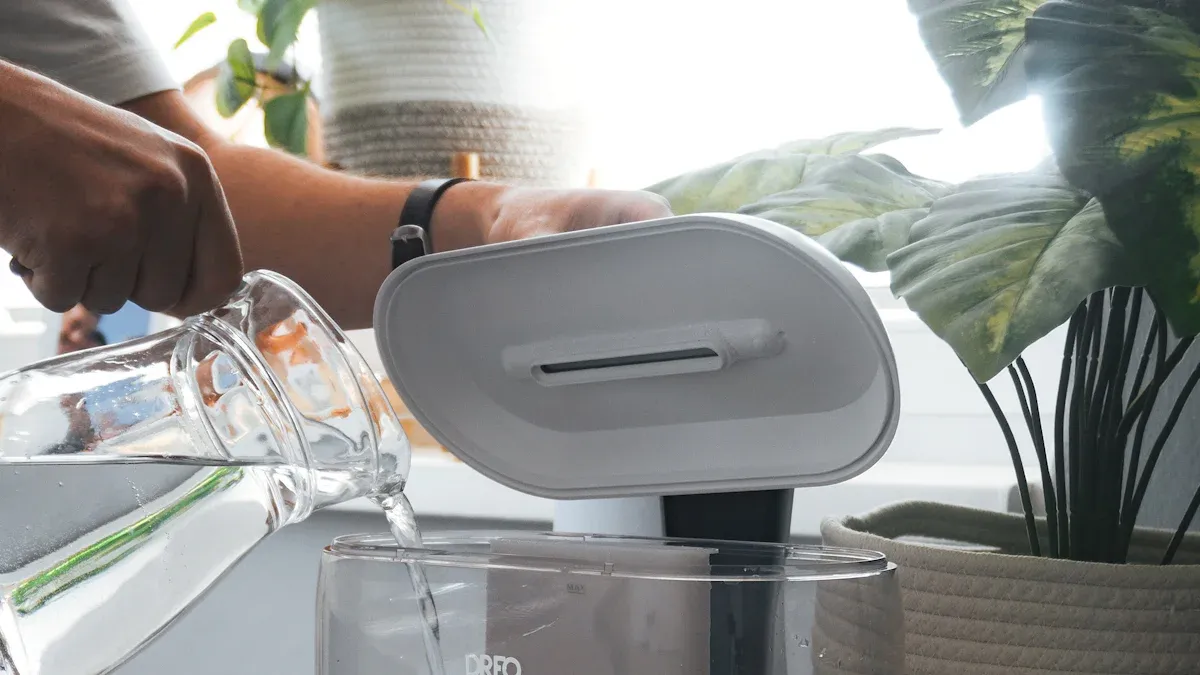
You might choose a porcelain water dispenser for its style, simplicity, and affordability. It offers a classic look, needs no electricity, and is easy to clean.
Heads Up: A key drawback is only getting room-temperature water. These units can also be fragile and may not be for you if you need advanced features.
Key Takeaways
- Porcelain water dispensers offer a stylish, cost-effective, and silent way to get water. They do not use electricity.
- These dispensers only provide room-temperature water and do not filter it. They can also break easily.
- Choose a porcelain dispenser for its simple design and pure water taste. Pick an electric cooler for hot or cold water and advanced features.
The Pros: Why Choose a Porcelain Water Dispenser?
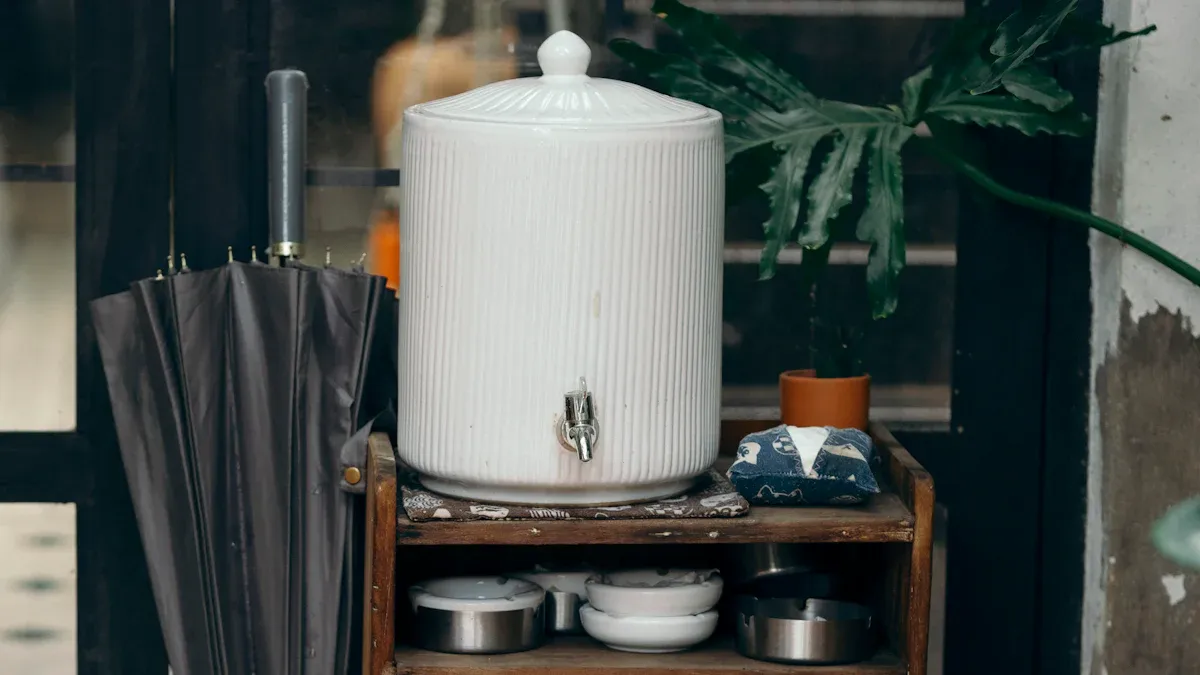
You may find that the classic simplicity of a porcelain dispenser offers significant advantages over modern electric coolers. These benefits range from visual appeal to long-term cost savings. Let's explore why this timeless option remains a popular choice.
Unmatched Aesthetic Appeal
You can instantly elevate your space with a porcelain dispenser. Its clean lines and glossy finish add a touch of elegance that plastic models often lack. This versatile piece complements various home decor styles, from rustic farmhouse kitchens to modern, minimalist offices. It serves as a functional appliance and a stylish accessory, turning a simple water source into a decorative feature.
A Cost-Effective Solution
You save money from the moment you buy a porcelain water dispenser. The initial purchase price is typically much lower than that of a complex electric cooler. The savings continue to grow over time. You have zero ongoing electricity costs. For comparison, the estimated annual cost of running an electric water cooler is around $31.26, based on average US electricity rates. Your porcelain unit costs nothing to operate, making it a truly budget-savvy choice.
Zero Electricity Required
You can place your dispenser anywhere without worrying about finding an outlet. This unit operates entirely off-grid. It provides reliable access to water even during a power outage. This feature also delivers significant energy savings. A typical electric water cooler, especially one with hot and cold functions, can consume approximately 912 kWh annually. This breaks down to:
- Chilled Water: Around 11.2 kWh per month.
- Hot Water: Around 72 kWh per month.
Choosing a porcelain model eliminates this energy consumption entirely, reducing both your utility bill and your carbon footprint. 🌎
Simple to Clean and Maintain
You must keep any water dispenser clean to prevent bacterial growth. Surfaces can develop a slimy layer called biofilm, and rough plastic materials often support more bacteria than smooth porcelain. Luckily, cleaning your porcelain unit is a straightforward process.
Quick Cleaning Guide 🧼
- Drain: Empty all remaining water from the dispenser.
- Clean: Fill the reservoir with a food-safe cleaning solution. Avoid using bleach. Gently scrub the inside with a soft brush, let the solution sit as directed, and then drain it completely.
- Rinse: Flush the dispenser two or three times with clean water to remove any residue.
- Wipe: Clean the outside surfaces and spigot regularly with a disinfectant wipe.
A consistent schedule keeps your water fresh and safe.
| Frequency | Cleaning Task | Purpose |
|---|---|---|
| Daily | Wipe exterior and spout | Maintains surface hygiene |
| Weekly | Flush with warm water | Removes minor buildup |
| Monthly | Deep clean and disinfect | Prevents scale and bacteria |
Silent, Noise-Free Operation
You will enjoy total peace and quiet. Unlike electric coolers that hum when the compressor runs or gurgle loudly while refilling, a porcelain dispenser is completely silent. The only sound you will ever hear is the gentle flow of water as you fill your glass. This makes it an ideal choice for quiet environments like bedrooms, libraries, or home offices where distracting noises are unwelcome.
The Cons: Potential Drawbacks to Consider
While porcelain dispensers offer many benefits, you should also be aware of their limitations. These units prioritize simplicity and style, which means they lack certain modern conveniences. Understanding these drawbacks will help you decide if this is the right choice for your needs.
No Chilled Water
You will only get room-temperature water from a porcelain dispenser. It does not have a cooling mechanism. If you crave an ice-cold drink on a hot day, you will need to add ice to your glass separately. This can be a significant disadvantage for those who rely on a dispenser for instant refreshment.
However, you might find that room-temperature water has its own set of health benefits. It can aid digestion and is often gentler on your system.
Water Temperature and Your Health 💧 Different water temperatures offer unique benefits. While cold water is great for cooling down, room-temperature water supports other bodily functions.
| Water Temperature | Health Recommendations/Benefits |
|---|---|
| Cold Water | Replenishes the body when overheated. Encourages you to drink more, preventing dehydration. It can also provide a small energy boost. |
| Room Temperature Water | Stimulates the digestive system and helps break down fats. It can relieve sinus congestion and soothe abdominal muscles. |
Ultimately, your preference for water temperature is a key factor. If chilled water is a must-have, an electric cooler is a better option.
Lack of Built-in Filtration
Your porcelain water dispenser is a vessel, not a purifier. It does not come with a built-in filtration system. The quality of your water depends entirely on the source you use, which is typically a pre-filtered 5-gallon jug. If your water source contains impurities, the dispenser will not remove them.
Common water filters are designed to remove a wide range of contaminants, including:
- Chlorine and lead
- Heavy metals and pesticides
- Bacteria and microplastics
- "Forever chemicals" and rust
Solution: You can purchase a separate filtration system that works with your jug. For example, the PowerFlo Water Jug Filtration System uses NANO FIBER TECHNOLOGY to purify water as you dispense it. It is an add-on that removes contaminants like lead, mercury, and fluoride. One filter can clean up to 250 gallons, offering a practical way to ensure your water is pure.
No Advanced Features
You get one function with a porcelain model: dispensing room-temperature water. You will miss out on the advanced features common in modern electric coolers. These high-tech units have evolved into all-in-one beverage stations.
Some features you will not find on a porcelain unit include:
- Multi-stage filtration like reverse osmosis or UV purification
- Touch-free dispensing for better hygiene
- Self-cleaning functions that use activated oxygen
- Hot water taps for instant tea or coffee
- Sparkling or flavored water options
- Integrated ice makers or coffee brewers
If you want a machine that does more than just hold water, you will need to look at electric alternatives.
Fragility and Breakage Risk
You must handle your dispenser with care because it is made of ceramic. Unlike sturdy plastic or metal coolers, a porcelain water dispenser can chip, crack, or shatter if it is bumped or dropped. This makes it less suitable for high-traffic areas, households with active children, or environments where it might get knocked over.
However, not all ceramic is created equal. The durability of a dispenser often depends on its material thickness. While a base model might have a thickness of 5mm, premium models are built to be much more robust.
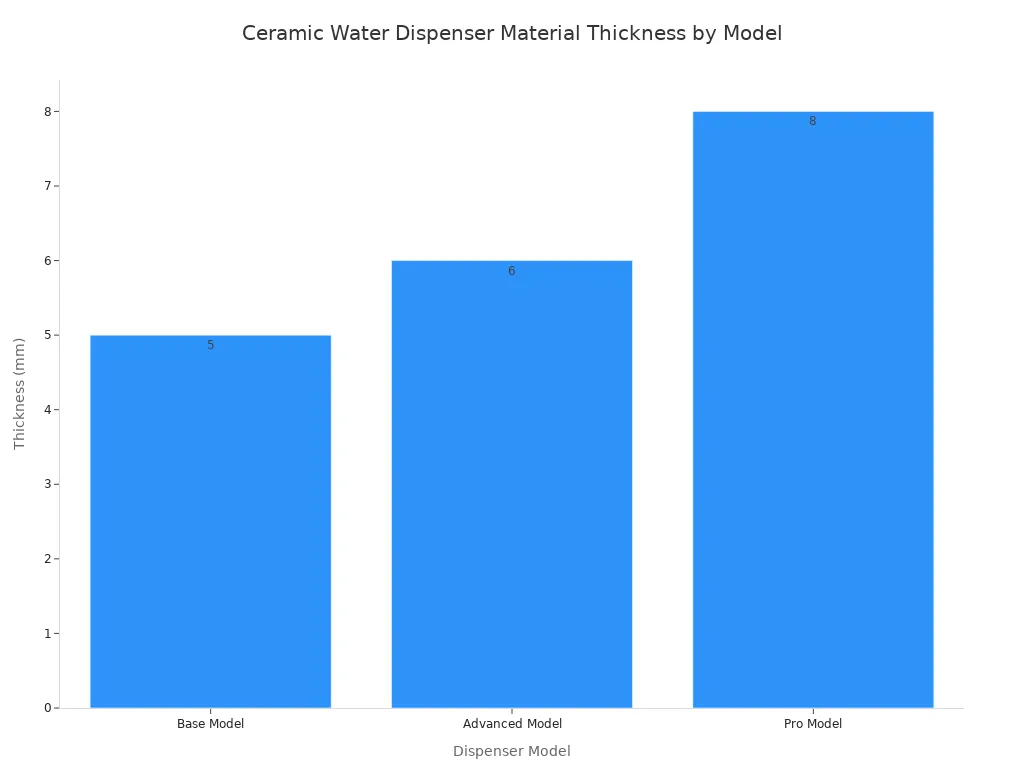
Some pro-grade models feature 8mm thick ceramic, making them over 20% thicker than industry benchmarks and suitable for commercial use. When shopping, you can ask about the ceramic thickness to find a more durable option.
Purity Matters: Porcelain vs. Plastic
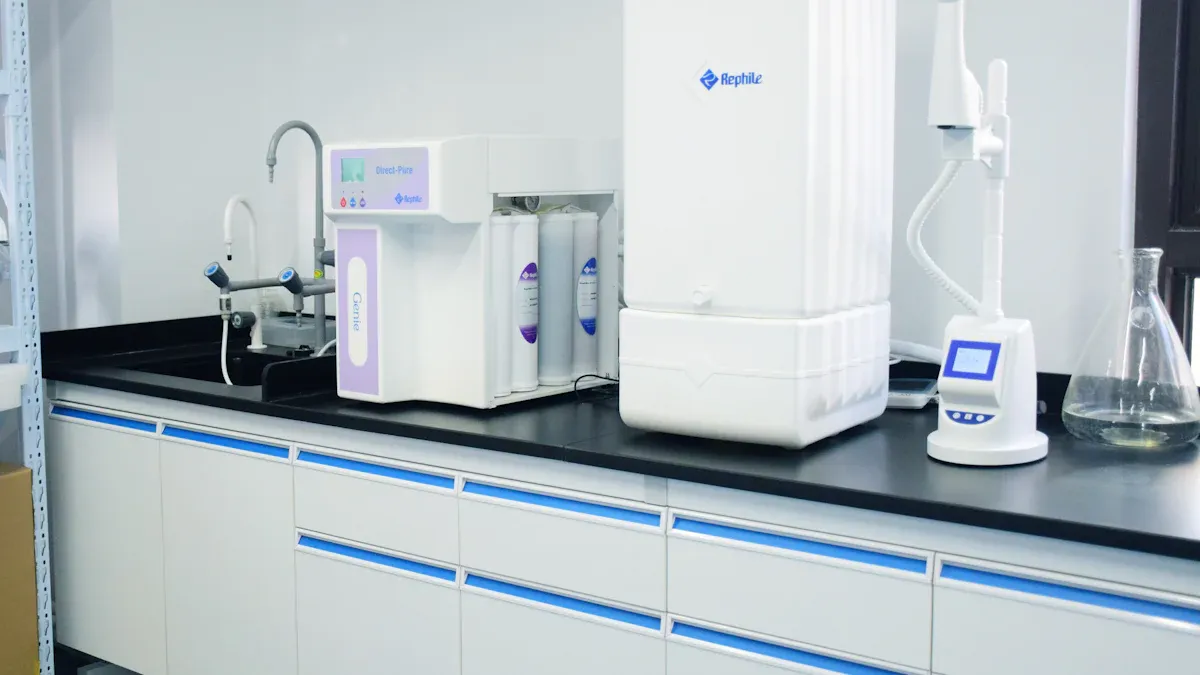
When you choose a water dispenser, the material it is made from directly affects the quality and taste of your water. You will find that porcelain offers significant advantages over plastic in preserving purity.
Avoiding Microplastics and BPA
You can protect your health by avoiding plastics that contain harmful chemicals. Many plastic containers are made with Bisphenol A (BPA), a synthetic chemical that acts as a potent endocrine disruptor. This chemical can leach from the container into your water, leading to potential health issues.
Health Risks Linked to BPA Exposure 🔬 Studies show that BPA can interfere with your body's natural systems. Exposure is associated with:
- Endocrine system disruption
- Infertility
- Negative impacts on immune function
- Potential to induce cell mutation
A porcelain water dispenser is made from natural clay, creating a safe, non-reactive surface that keeps your water free from such contaminants.
Preserving Water's Natural Taste
You will notice that water tastes different depending on its container. Plastic is a reactive material and is often considered the worst offender for altering taste because it can leach chemicals.
Porcelain, on the other hand, is an inert material. It is created by firing pure clay at very high temperatures, which results in a non-porous and non-reactive surface. This means it does not interact with the water it holds. Your water maintains its clean, natural flavor without any plastic aftertaste. This quality makes porcelain an excellent choice for anyone who values the pure taste of their drinking water.
Who Is a Porcelain Dispenser Best For?
You might wonder if a porcelain water dispenser is the right fit for your lifestyle. This simple appliance serves specific needs very well. It is an excellent choice for certain users who value form and function over complex features. Let's see if you are one of them.
The Style-Conscious Homeowner
You can use a porcelain dispenser to enhance your home's decor. Its elegant and clean look fits well in many design styles. You can find models that match your personal taste, making the dispenser a beautiful part of your room.
- The Porcelain Egg model offers a simple, durable design. You can personalize it with 7 body colors and 4 metal tap choices to match your interior.
- An All-White Ceramic Water Dispenser provides a clean, minimalist finish. Its classic look complements almost any decor.
The Budget-Savvy Shopper
You save money with this type of dispenser. The initial cost is much lower than an electric cooler. You also have no electricity bills to worry about. This means you get continuous savings over the years. The simple design also means there are fewer parts that can break, reducing potential repair costs. It is a smart choice for anyone watching their expenses.
The Off-Grid or Minimalist User
You will appreciate the simplicity of a porcelain water dispenser if you live a minimalist or off-grid lifestyle. It requires no electricity, so you can place it anywhere. It works during power outages, providing a reliable water source. Its single function—dispensing water—aligns perfectly with a minimalist mindset. You get exactly what you need without unnecessary features or complications.
When to Choose an Electric Cooler Instead
A porcelain dispenser is a great simple solution, but sometimes you need more. An electric water cooler offers features that a porcelain model cannot match. You should consider an electric unit if your needs include temperature control, high-volume use, or specific safety features.
For Those Who Need Ice-Cold Water
You should choose an electric cooler if you love drinking ice-cold water. A porcelain dispenser only provides water at room temperature. An electric model uses a compressor to chill water, giving you instant refreshment. This can help you stay hydrated.
Daily Water Needs 💧 Health experts suggest men get about 15.5 cups and women get 11.5 cups of total water each day. This includes water from both food and drinks. Having cold water on tap can encourage you to drink more and meet this goal.
For Offices and High-Traffic Areas
You need a durable and hygienic solution for a busy office or public space. Electric coolers are built for high-volume use. Many models come with important certifications and features.
- NSF Certification: This ensures the cooler meets public health and safety standards.
- Touch-Free Dispensing: Reduces the spread of germs in shared environments.
- UV Sanitization: Some units use ultraviolet light to kill bacteria inside the tank.
These features make electric coolers a safer and more practical choice for high-traffic areas.
For Families Needing Hot Water
You will find an electric cooler very useful if you have a family. Many models provide instant hot water, perfect for making tea, coffee, or oatmeal. This saves you time waiting for a kettle to boil. Most importantly, these units come with a child-safety lock on the hot water tap to prevent accidental burns.

This combination of convenience and safety makes an electric cooler a smart choice for households with children.
You should choose a porcelain water dispenser if you value style, simplicity, and savings. It provides a silent, energy-free way to enjoy pure-tasting water. If you need hot/cold water or safety features, an electric cooler is a better fit.
Your final decision balances classic form against modern temperature control.
FAQ
How often should you clean a porcelain water dispenser?
You should wipe the spout daily. A deep clean with a food-safe solution is best done every month. This practice prevents bacteria and keeps your water tasting fresh.
Can you put hot water in a porcelain dispenser?
No, you should not put hot water in it. The ceramic material is not designed for high temperatures. Sudden temperature changes can cause it to crack or break.