Unlocking Energy Savings in Industrial Applications with Plate Heat Exchangers
Industrial facilities often seek solutions that cut energy costs while boosting process efficiency. A plate heat exchanger stands out by delivering superior heat transfer, which helps reduce energy consumption. Companies that integrate this technology typically see lower operational expenses and improved system reliability. Many industries also experience a smaller environmental footprint and faster return on investment. These benefits make plate heat exchangers a smart choice for sustainable operations.
What Is a Plate Heat Exchanger?
Basic Design and Operation
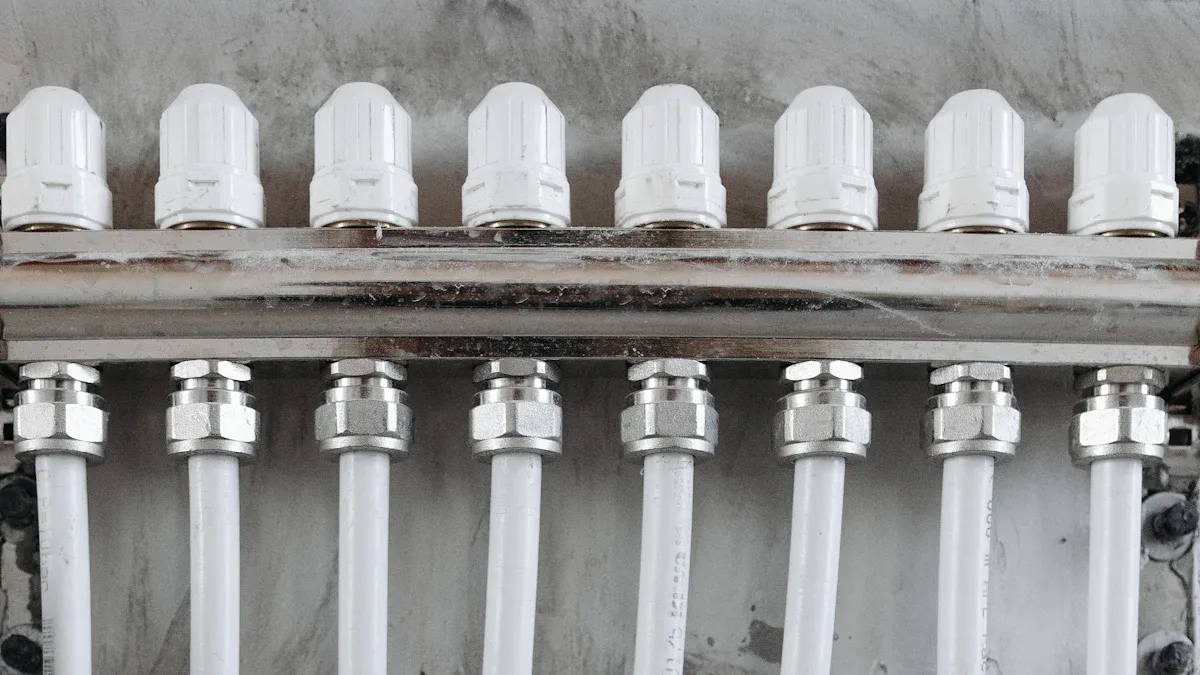
A plate heat exchanger uses a series of thin, corrugated metal plates to transfer heat between two fluids. Each plate creates a narrow channel, allowing fluids to flow on opposite sides without mixing. The design increases the surface area for heat exchange, which boosts efficiency. Operators can easily add or remove plates to adjust capacity. This flexibility makes the plate heat exchanger suitable for many industrial processes.
How Plate Heat Exchangers Maximize Heat Transfer
The unique plate arrangement creates turbulent flow, even at low fluid velocities. Turbulence improves heat transfer by disrupting the boundary layer that forms on surfaces. As a result, the plate heat exchanger achieves high thermal performance with compact size. The thin plates also reduce the distance between fluids, which allows for rapid temperature changes. Many industries choose this technology to recover waste heat and lower energy use.
Comparison with Other Heat Exchanger Types
Engineers often compare plate heat exchangers to shell-and-tube or finned-tube designs. Plate models offer several advantages:
- Higher heat transfer efficiency due to increased surface area
- Smaller footprint, saving valuable plant space
- Easier maintenance, since plates can be accessed and cleaned individually
The table below highlights key differences:
| Feature | Plate Heat Exchanger | Shell-and-Tube | Finned-Tube |
|---|---|---|---|
| Efficiency | High | Moderate | Moderate |
| Space Requirement | Low | High | Moderate |
| Maintenance | Easy | Difficult | Moderate |
A plate heat exchanger often delivers better performance and lower operating costs, making it a preferred choice in modern industrial applications.
Energy-Saving Impact Across Industrial Sectors
Power Generation
Power plants rely on efficient heat transfer to convert fuel into electricity. Operators often face high energy costs due to heat losses in traditional systems. Plate heat exchangers help power plants recover waste heat from steam or cooling water. This recovered energy can preheat boiler feedwater or support district heating networks. As a result, plants reduce fuel consumption and lower emissions. Many facilities report shorter payback periods after installing these systems.
Key benefits in power generation include:
- Improved thermal efficiency
- Reduced fuel usage
- Lower greenhouse gas emissions
A plate heat exchanger also offers compact design. Engineers can fit these units into existing spaces without major modifications. Maintenance teams appreciate the easy access for cleaning and inspection.
Chemical Processing
Chemical plants handle complex reactions that require precise temperature control. Energy costs can rise quickly if heat exchangers operate inefficiently. Plate heat exchangers provide rapid heat transfer, which helps maintain stable process conditions. Operators can adjust the number of plates to match changing production needs.
In chemical processing, these systems deliver:
- Consistent product quality
- Faster process start-up and shutdown
- Enhanced safety due to better temperature regulation
Many plants use plate heat exchangers to recover heat from hot process streams. This recovered energy can preheat raw materials or support other operations. By recycling heat, facilities cut energy bills and reduce their environmental impact.
HVAC and Building Services
Large buildings and industrial complexes depend on heating, ventilation, and air conditioning (HVAC) systems. Energy efficiency remains a top priority for facility managers. Plate heat exchangers play a key role in transferring heat between water loops or air streams. These systems help maintain comfortable indoor temperatures while minimizing energy use.
Common applications in HVAC and building services:
- District heating and cooling networks
- Heat recovery from exhaust air
- Domestic hot water production
Facility managers value the flexibility of plate heat exchangers. They can scale systems up or down as building needs change. The compact footprint saves valuable mechanical room space. Regular maintenance remains simple, which keeps systems running efficiently year-round.
Food and Beverage Manufacturing
Food and beverage manufacturers face strict requirements for hygiene, temperature control, and energy efficiency. They must process products quickly to maintain freshness and safety. A plate heat exchanger helps these facilities achieve precise temperature regulation during pasteurization, sterilization, and cooling processes.
Many plants use plate heat exchangers to recover heat from hot product streams. This recovered energy preheats incoming raw materials, which reduces the demand for steam or hot water. As a result, facilities lower their energy bills and improve overall sustainability.
Key advantages in food and beverage manufacturing include:
- Rapid heating and cooling cycles for sensitive products
- Easy cleaning and maintenance to meet sanitary standards
- Flexible design that adapts to different batch sizes and recipes
A plate heat exchanger also supports clean-in-place (CIP) procedures. Operators can clean the system without disassembly, which minimizes downtime and maintains product quality. The compact footprint allows installation in tight production areas, maximizing available space.
| Benefit | Impact on Operations |
|---|---|
| Fast temperature change | Preserves product quality |
| Energy recovery | Cuts utility costs |
| Hygienic design | Meets food safety standards |
Food and beverage companies rely on this technology to deliver safe, high-quality products while controlling operational expenses.
Pharmaceutical Production
Pharmaceutical manufacturers demand strict process control and contamination prevention. They must maintain precise temperatures during mixing, fermentation, and purification steps. A plate heat exchanger provides the accuracy and reliability required for these sensitive operations.
In pharmaceutical production, temperature fluctuations can affect product stability and efficacy. The plate heat exchanger enables rapid heat transfer, which helps maintain consistent conditions throughout the process. This consistency supports compliance with regulatory standards and ensures patient safety.
Pharmaceutical facilities benefit from:
- High thermal efficiency for critical heating and cooling tasks
- Compact design that fits into cleanroom environments
- Easy inspection and cleaning to prevent cross-contamination
Many pharmaceutical plants use plate heat exchangers for water-for-injection (WFI) systems and purified water loops. These systems require strict temperature control and absolute cleanliness. The modular design allows operators to scale capacity as production needs change.
Pharmaceutical engineers often select plate heat exchangers for their proven performance in demanding environments. This choice supports both product quality and operational efficiency.
Types of Plate Heat Exchangers and Their Efficiency
Gasketed Plate Heat Exchangers
Gasketed plate heat exchangers use a series of thin metal plates sealed with gaskets. These gaskets direct the flow of fluids and prevent leaks. Operators can easily remove or add plates to adjust capacity. This design allows for quick maintenance and cleaning. Many industries choose gasketed models for processes that require frequent inspection or cleaning. The gaskets can handle a wide range of temperatures and pressures, but they may not suit very high-pressure applications.
Key features:
- Flexible design for easy expansion
- Simple disassembly for cleaning
- Suitable for moderate temperatures and pressures
Brazed Plate Heat Exchangers
Brazed plate heat exchangers use plates joined together by brazing, which means no gaskets are needed. This construction creates a compact and durable unit. Brazed models work well in applications with high pressure and temperature. They often appear in refrigeration, HVAC, and small industrial systems. The lack of gaskets reduces the risk of leaks and lowers maintenance needs. However, cleaning these units can be more difficult because the plates are permanently joined.
Advantages:
- High thermal efficiency
- Compact size saves space
- Handles higher pressures than gasketed types
Welded Plate Heat Exchangers
Welded plate heat exchangers use plates welded together to form a strong, leak-proof unit. This type handles aggressive fluids and extreme conditions. Welded models suit industries like chemical processing and oil refining, where fluids may damage gaskets. The welded construction allows for operation at very high temperatures and pressures. Maintenance can be more complex, but the robust design ensures long service life.
| Type | Maintenance | Pressure Range | Typical Use Cases |
|---|---|---|---|
| Gasketed | Easy | Moderate | Food, pharma, HVAC |
| Brazed | Low | High | HVAC, refrigeration |
| Welded | Complex | Very High | Chemical, oil & gas |
Each type of plate heat exchanger offers unique benefits. Engineers select the best option based on process requirements, fluid properties, and maintenance needs.
Why Plate Design Matters for Energy Savings
Engineers recognize that the design of each plate in a heat exchanger directly affects energy efficiency. The pattern, thickness, and spacing of plates determine how fluids flow and how much heat transfers between them. A well-designed plate creates turbulence, which increases the rate of heat transfer. Turbulence breaks up the boundary layer on the plate surface, allowing more energy to move from one fluid to another.
Manufacturers offer different plate patterns to match specific industrial needs. Some plates have deep corrugations for high turbulence, while others use shallow patterns for gentle flow. The choice depends on the type of fluids, the required temperature change, and the risk of fouling. For example, food processing plants often select plates with wider gaps to handle viscous or particle-laden fluids.
Plate thickness also plays a role. Thinner plates transfer heat faster but may not withstand high pressures. Thicker plates provide strength but can reduce efficiency. Engineers must balance these factors to achieve the best performance.
The arrangement of plates inside the unit matters as well. By alternating the direction of fluid flow, designers create a counterflow pattern. This setup maximizes the temperature difference between fluids, which boosts energy savings. Facilities that use a plate heat exchanger with optimized plate design often see lower energy bills and improved process control.
Key factors that influence energy savings include:
- Plate pattern and corrugation depth
- Plate thickness and material
- Channel spacing and flow arrangement
A thoughtful approach to plate design ensures that each system delivers maximum efficiency for its intended application.
Practical Benefits for Industrial Facilities
Reduced Energy Bills
Industrial facilities often face high utility costs. A plate heat exchanger helps companies lower these expenses by maximizing heat recovery and minimizing waste. When operators use this equipment, they transfer more energy between process streams. This efficient transfer reduces the need for additional heating or cooling. Many facilities report a noticeable drop in monthly energy bills after installation. Over time, these savings contribute to a faster return on investment.
Many plant managers see energy savings as a direct boost to their bottom line.
Lower Maintenance Requirements
Maintenance teams value equipment that is easy to service. Plate heat exchangers offer straightforward access to internal components. Operators can remove individual plates for inspection or cleaning without dismantling the entire unit. This design reduces downtime and labor costs. Fewer moving parts also mean fewer opportunities for mechanical failure. Facilities that use these systems often experience longer intervals between maintenance cycles.
Common maintenance advantages:
- Quick plate removal and replacement
- Minimal risk of leaks
- Simple cleaning procedures
Flexibility and Scalability
Industrial processes change over time. A plate heat exchanger adapts easily to new requirements. Operators can add or remove plates to increase or decrease capacity. This modular approach supports both small and large-scale operations. Facilities can upgrade their systems without replacing the entire unit. The compact footprint allows installation in tight spaces or existing layouts.
| Benefit | Impact on Operations |
|---|---|
| Modular design | Easy capacity expansion |
| Small size | Fits existing spaces |
| Adaptability | Supports process changes |
This flexibility ensures that companies can respond quickly to market demands or production shifts.
Environmental Advantages
Plate heat exchangers deliver significant environmental benefits for industrial facilities. These systems help companies reduce their carbon footprint by maximizing energy recovery and minimizing waste. When a facility uses less energy, it burns less fuel. This action leads to lower greenhouse gas emissions and cleaner air.
Many industries face strict environmental regulations. Plate heat exchangers support compliance by improving process efficiency. They recover heat from waste streams, which reduces the need for additional heating or cooling. This process conserves natural resources and decreases reliance on fossil fuels.
Water conservation also becomes easier with plate heat exchangers. These units often operate in closed-loop systems. Facilities reuse water for heating or cooling, which cuts down on water consumption and wastewater discharge. This approach protects local water supplies and reduces treatment costs.
A plate heat exchanger’s compact design uses fewer raw materials during manufacturing. Smaller equipment means less metal and energy required for production. At the end of its service life, many components can be recycled, further reducing environmental impact.
Key environmental advantages include:
- Lower greenhouse gas emissions
- Reduced water usage and wastewater output
- Decreased demand for raw materials
- Enhanced compliance with environmental standards
| Environmental Benefit | Impact on Facility |
|---|---|
| Energy recovery | Less fuel consumption |
| Water reuse | Lower water bills |
| Compact design | Smaller resource footprint |
By choosing plate heat exchangers, companies demonstrate a commitment to sustainability. These systems help protect the environment while supporting efficient and reliable industrial operations.
A plate heat exchanger delivers measurable energy savings and operational improvements in industrial environments. Its efficient design, adaptability, and reliability support a wide range of applications. Many industries see faster returns on investment and improved sustainability. Leaders who prioritize energy efficiency often choose this technology as a key strategy for long-term success.
- Boosts process performance
- Reduces operational costs
- Supports sustainability goals
FAQ
What maintenance does a plate heat exchanger require?
Operators should inspect plates for fouling and leaks. Regular cleaning ensures efficient heat transfer. Gasketed models allow easy plate removal for cleaning. Most facilities schedule maintenance based on process demands and manufacturer recommendations.
How long does a plate heat exchanger last?
A well-maintained plate heat exchanger often lasts 15–20 years. Plate material, operating conditions, and cleaning frequency affect lifespan. Stainless steel plates and proper maintenance extend service life.
Can plate heat exchangers handle aggressive chemicals?
Welded plate heat exchangers use corrosion-resistant materials. These units handle aggressive chemicals in industries like chemical processing and oil refining. Engineers select plate materials based on fluid compatibility.
Are plate heat exchangers energy efficient compared to other types?
Plate heat exchangers deliver higher energy efficiency than shell-and-tube or finned-tube models. Their large surface area and turbulent flow maximize heat transfer. Many industries choose them to reduce energy costs.
What industries benefit most from plate heat exchangers?
Industries such as power generation, chemical processing, food and beverage, HVAC, and pharmaceuticals gain significant benefits. These sectors value energy savings, process control, and easy maintenance.
See Also
Enhancing Industrial Efficiency With Plate Air Preheaters
Innovations in Heat Exchanger Manufacturing Boost Industrial Performance
Reducing Environmental Impact Using Plate Heat Exchangers
A Comprehensive 2025 Overview of Semi-welded Plate Heat Exchangers
Detailed Guide Explaining The Functionality of Plate Heat Exchangers