Comparing Plate and Shell Heat Exchangers for Industrial Efficiency
A plate and shell heat exchanger often delivers greater efficiency in industrial settings. Its compact design and advanced heat transfer surfaces increase thermal performance. Plate and shell models allow for easier maintenance compared to traditional shell and tube heat exchangers. Shell and tube designs, however, manage higher pressures and temperatures. Each type supports specific process needs, making the choice application-dependent.
Plate and Shell Heat Exchanger Overview
Structure and Operation
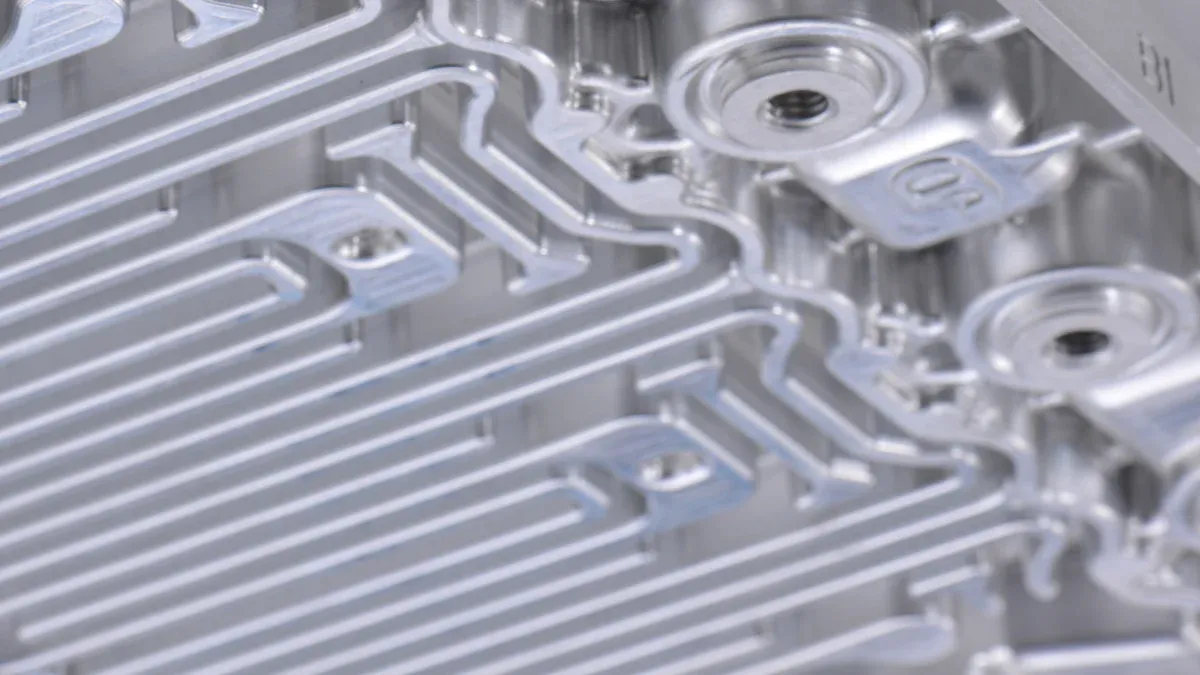
A plate and shell heat exchanger combines the strengths of plate and shell and tube designs. This equipment uses a series of corrugated metal plates stacked inside a cylindrical shell. The plates create multiple channels for fluids to flow. One fluid moves between the plates, while the other flows around the outside of the plate pack within the shell. This arrangement allows for efficient heat transfer between the two fluids.
Engineers design the plate and shell heat exchanger for counterflow or crossflow operation. Counterflow maximizes temperature differences and improves thermal efficiency. The compact structure reduces the space needed for installation. Operators can easily access the plate pack for inspection or cleaning by removing the shell cover.
Key Features
The plate and shell heat exchanger offers several advantages for industrial applications:
- High Thermal Efficiency: The large surface area of the plates increases heat transfer rates. This design supports rapid temperature changes and efficient energy use.
- Compact Footprint: The unit requires less floor space than traditional shell and tube models. Facilities with limited space benefit from this feature.
- Easy Maintenance: Operators can remove the shell cover to inspect or clean the plates. This reduces downtime and simplifies servicing.
- Versatile Design: The plate and shell heat exchanger handles a wide range of fluids, including those with high fouling potential. It also adapts to different pressure and temperature requirements.
- Leakage Protection: The welded plate pack minimizes the risk of fluid mixing or external leaks.
Note: Many industries choose the plate and shell heat exchanger for processes that demand high efficiency and easy maintenance.
Shell and Tube Heat Exchanger Overview
Structure and Operation
A shell and tube heat exchanger stands as one of the most common designs in industrial heat transfer. The equipment features a large cylindrical shell that houses a bundle of tubes. One fluid flows through the tubes, while another fluid circulates around the tubes within the shell. This arrangement allows for efficient heat exchange between the two fluids.
Engineers often select this design for its flexibility. The number of tubes, their diameter, and the layout can be customized to meet specific process requirements. Operators can choose between single-pass and multi-pass configurations. Multi-pass designs increase the contact time between fluids, which improves heat transfer efficiency.
Maintenance teams access the tube bundle by removing the shell’s end covers. This feature simplifies inspection and cleaning. The robust construction supports high-pressure and high-temperature operations, making the shell and tube heat exchanger suitable for demanding environments.
Tip: Regular inspection of tube bundles helps prevent fouling and maintains optimal performance.
Key Features
Shell and tube heat exchangers offer several advantages for industrial applications:
- High Pressure and Temperature Tolerance: The sturdy shell and tube design withstands extreme operating conditions. Facilities in chemical processing and power generation rely on this durability.
- Scalability: Engineers can increase the number of tubes or modify the shell size to handle larger volumes or higher heat loads.
- Versatile Fluid Handling: The exchanger accommodates a wide range of fluids, including corrosive chemicals and steam.
- Ease of Repair: Individual tubes can be replaced without dismantling the entire unit.
- Long Service Life: The rugged construction ensures reliable operation over many years.
| Feature | Benefit |
|---|---|
| High Pressure Tolerance | Safe operation in harsh environments |
| Modular Design | Easy customization |
| Tube Replacement | Reduced downtime |
Shell and tube heat exchangers remain a preferred choice for industries that demand reliability and adaptability.
Efficiency Comparison of Plate and Shell Heat Exchanger

Thermal Performance
Thermal performance measures how effectively a heat exchanger transfers energy between two fluids. The plate and shell heat exchanger stands out in this area. Its design uses thin, corrugated plates that create turbulent flow. This turbulence increases the rate of heat transfer. The large surface area of the plates allows more contact between fluids, which boosts efficiency.
Engineers often select the plate and shell heat exchanger for processes that require rapid temperature changes. The unit responds quickly to shifts in operating conditions. This feature benefits industries like food processing and pharmaceuticals, where precise temperature control matters.
Shell and tube heat exchangers also provide reliable thermal performance. However, the flow inside tubes tends to be less turbulent, especially at lower velocities. This can reduce the overall heat transfer rate. In applications where maximizing energy efficiency is a priority, the plate and shell heat exchanger usually delivers better results.
Note: Higher turbulence inside the plate and shell heat exchanger reduces the risk of fouling, which helps maintain consistent thermal performance over time.
Comparison Table: Thermal Performance
| Feature | Plate and Shell Heat Exchanger | Shell and Tube Heat Exchanger |
|---|---|---|
| Heat Transfer Surface Area | High | Moderate |
| Turbulence Level | High | Moderate |
| Response to Temperature Change | Fast | Moderate |
| Fouling Resistance | High | Moderate |
Pressure and Temperature Tolerance
Industrial processes often involve high pressures and extreme temperatures. The ability of a heat exchanger to withstand these conditions determines its suitability for specific applications.
The plate and shell heat exchanger handles moderate to high pressures. Its welded plate pack provides good structural integrity. However, the maximum pressure and temperature ratings usually fall below those of traditional shell and tube models. Most plate and shell units operate safely up to 100 bar and temperatures around 400°C, depending on the manufacturer and materials used.
Shell and tube heat exchangers excel in high-pressure and high-temperature environments. Their robust construction supports pressures above 100 bar and temperatures exceeding 500°C. This makes them the preferred choice for industries such as oil and gas, chemical processing, and power generation.
Key Points:
- Plate and shell heat exchangers offer excellent thermal efficiency but have moderate pressure and temperature limits.
- Shell and tube heat exchangers provide superior durability in extreme conditions.
When selecting a heat exchanger, engineers must balance thermal performance with the required pressure and temperature tolerance.
Maintenance and Reliability of Plate and Shell Heat Exchanger
Cleaning and Servicing
Operators value equipment that simplifies cleaning and servicing. The plate and shell heat exchanger offers easy access to internal components. Technicians remove the shell cover to reach the plate pack. This design allows for quick inspection and cleaning without dismantling the entire unit. Many facilities schedule routine maintenance to prevent fouling and maintain peak performance.
Common cleaning methods include:
- Manual brushing of plates
- Chemical cleaning for stubborn deposits
- High-pressure water jetting
Facilities often select cleaning methods based on the type of fluid and the level of fouling. Regular servicing extends the lifespan of the exchanger and reduces the risk of unexpected failures.
Tip: Scheduling preventive maintenance helps operators avoid costly downtime and ensures consistent heat transfer efficiency.
Downtime and Longevity
Minimizing downtime remains a priority in industrial operations. The plate and shell heat exchanger supports fast servicing, which reduces the time needed for repairs. Welded plate packs provide strong resistance to leaks and mechanical stress. This durability leads to fewer breakdowns and longer intervals between major repairs.
Longevity depends on several factors:
- Quality of materials used in construction
- Frequency of maintenance
- Operating conditions, such as pressure and temperature
Many industries report that plate and shell heat exchangers deliver reliable service for years with proper care. The robust design and easy maintenance contribute to extended operational life and lower total cost of ownership.
Note: Investing in regular inspections and timely repairs increases reliability and maximizes the return on investment.
Cost Analysis of Plate and Shell Heat Exchanger
Initial Investment
Plate and shell heat exchangers often require a higher initial investment than shell and tube models. The advanced design, precision manufacturing, and use of high-quality materials contribute to this cost. Many facilities choose plate and shell units for their compact size, which can reduce installation expenses. Smaller footprints mean less structural support and lower building costs.
Key factors influencing the initial investment include:
- Material selection: Stainless steel and special alloys increase durability but raise the price.
- Customization: Units tailored for specific processes may cost more.
- Installation complexity: Compact designs simplify placement, but specialized connections may add to the expense.
| Cost Factor | Plate and Shell | Shell and Tube |
|---|---|---|
| Purchase Price | Higher | Lower |
| Installation | Lower | Higher |
| Customization | Higher | Moderate |
Note: Facilities with limited space often find the higher upfront cost of plate and shell exchangers justified by savings in installation and building modifications.
Operating Costs
Operating costs play a major role in long-term efficiency. Plate and shell heat exchangers deliver strong performance with lower energy consumption. The high heat transfer rate means systems reach target temperatures faster, which reduces utility bills. Maintenance costs also stay low because technicians can access and clean the plate pack quickly.
Key points for operating costs:
- Energy Efficiency: High thermal performance lowers energy use.
- Maintenance: Easy access reduces labor and downtime.
- Longevity: Durable construction extends service life, minimizing replacement costs.
Shell and tube exchangers may require more frequent cleaning, especially in processes with fouling fluids. This increases labor and downtime expenses.
🛠️ Tip: Regular maintenance of plate and shell heat exchangers helps maintain low operating costs and ensures reliable performance over time.
Application Suitability of Plate and Shell Heat Exchanger
Industrial Scenarios Favoring Plate and Shell Heat Exchanger (e.g., food processing, HVAC, pharmaceuticals)
Many industries choose the plate and shell heat exchanger for its high efficiency and compact design. Food processing plants often require precise temperature control and easy cleaning. The plate and shell heat exchanger meets these needs by allowing quick access for maintenance and supporting rapid temperature changes. Pharmaceutical companies value sanitary conditions and reliable heat transfer. The welded plate pack reduces the risk of leaks and cross-contamination, making it a strong choice for sensitive applications.
Heating, ventilation, and air conditioning (HVAC) systems also benefit from this technology. The compact size fits into tight mechanical rooms. Operators can maintain the system with minimal downtime. Facilities that process fluids with high fouling potential, such as dairy or juice, find the easy cleaning features especially useful.
Note: The plate and shell heat exchanger works best in industries that need high thermal efficiency, frequent cleaning, and a small equipment footprint.
Common Applications:
- Food and beverage processing
- Pharmaceutical manufacturing
- HVAC and district heating systems
- Biotech and sanitary processes
Industrial Scenarios Favoring Shell and Tube Heat Exchanger (e.g., chemical manufacturing, oil and gas, power generation)
Shell and tube heat exchangers serve industries that demand durability under extreme conditions. Chemical manufacturing plants often handle corrosive fluids at high pressures and temperatures. The robust construction of shell and tube models ensures safe and reliable operation. Oil and gas facilities use these exchangers for cooling and heating processes that involve large volumes and harsh environments.
Power generation plants rely on shell and tube heat exchangers to manage steam and water cycles. The ability to replace individual tubes extends the service life of the equipment. These exchangers handle a wide range of fluids, including those with solid particles or high viscosity.
Typical Uses:
- Chemical processing and refining
- Oil and gas production
- Power generation and steam systems
- Marine and heavy industry
Tip: Shell and tube heat exchangers provide the best performance when processes require high pressure, high temperature, and rugged reliability.
Real-World Examples of Plate and Shell Heat Exchanger Use
Case Study: Plate and Shell Heat Exchanger in Food Processing
A large dairy facility in Wisconsin needed to improve its pasteurization process. The plant managers selected a plate and shell heat exchanger to handle milk heating and cooling. The team valued the unit’s compact size and high thermal efficiency. The exchanger’s design allowed milk to flow between the plates while hot water circulated around the outside. This setup provided rapid heat transfer and precise temperature control.
Operators cleaned the plate pack regularly. They removed the shell cover and accessed the plates without moving the entire unit. This feature reduced downtime and kept the production line running smoothly. The welded plate pack also prevented leaks, which protected product quality and met strict food safety standards.
Key benefits observed:
- Faster heating and cooling cycles
- Lower energy consumption
- Easy cleaning and maintenance
- Consistent product quality
🥛 Note: Food processors often choose plate and shell heat exchangers for their ability to meet hygiene requirements and deliver efficient performance.
Case Study: Shell and Tube Heat Exchanger in Chemical Manufacturing
A chemical plant in Texas required a reliable solution for cooling a corrosive process fluid. The engineers installed a shell and tube heat exchanger with tubes made from a corrosion-resistant alloy. The process fluid flowed through the tubes, while cooling water circulated in the shell. This arrangement allowed the plant to operate at high pressure and temperature.
Maintenance teams inspected the tube bundle at scheduled intervals. They replaced individual tubes when needed, which extended the equipment’s service life. The robust construction handled the harsh chemicals and demanding conditions without frequent breakdowns.
Advantages realized:
- Safe operation under high pressure and temperature
- Long service life with minimal repairs
- Flexibility to handle different fluids
- Simple tube replacement process
🏭 Tip: Chemical manufacturers rely on shell and tube heat exchangers for their durability and adaptability in challenging environments.
Decision Factors for Selecting a Plate and Shell Heat Exchanger
Choosing Based on Process Requirements
Engineers evaluate process requirements before selecting a heat exchanger. Plate and shell heat exchangers excel in applications that demand high thermal efficiency and rapid temperature changes. These units handle fluids with high fouling potential, such as dairy or juice, with ease. The welded plate pack prevents leaks and supports sanitary conditions, which benefits food and pharmaceutical industries.
Shell and tube heat exchangers suit processes that operate under extreme pressure or temperature. Chemical plants and oil refineries often require equipment that withstands harsh environments. The robust construction of shell and tube models ensures safe operation in these settings.
Tip: Always match the heat exchanger type to the fluid properties, operating conditions, and desired temperature control.
Key Process Factors to Consider:
- Required heat transfer rate
- Fluid type and fouling risk
- Pressure and temperature limits
- Sanitary or contamination concerns
| Process Requirement | Plate and Shell | Shell and Tube |
|---|---|---|
| High Efficiency | ✅ | ❌ |
| Extreme Pressure/Temp | ❌ | ✅ |
| Easy Cleaning | ✅ | ❌ |
| Sanitary Applications | ✅ | ❌ |
Considering Space, Budget, and Maintenance
Facility managers assess available space, budget constraints, and maintenance needs when choosing a heat exchanger. Plate and shell models feature a compact footprint, which fits into tight mechanical rooms. This design reduces installation costs and simplifies system layout. Maintenance teams appreciate the easy access to the plate pack, which shortens cleaning time and minimizes downtime.
Shell and tube exchangers require more floor space and may involve higher installation costs. However, their modular design allows for tube replacement without removing the entire unit. This feature extends service life and supports long-term reliability.
🛠️ Note: Regular maintenance schedules help maximize equipment lifespan and reduce unexpected expenses.
Checklist for Decision-Making:
- Available installation space
- Initial investment and operating costs
- Frequency and ease of maintenance
- Expected equipment lifespan
Facility teams should balance these factors to select the most efficient and cost-effective solution for their process needs.
Engineers often compare heat exchanger types to optimize industrial efficiency. The plate and shell heat exchanger delivers high thermal performance and easy maintenance. Shell and tube heat exchangers withstand higher pressures and temperatures.
- Select a plate and shell heat exchanger for processes needing rapid heat transfer and simple cleaning.
- Choose shell and tube models for demanding environments with extreme operating conditions.
FAQ
What is the main advantage of a plate and shell heat exchanger?
A plate and shell heat exchanger provides high thermal efficiency. Its compact design saves space. Maintenance teams can clean and service the unit quickly. Many industries prefer this model for processes that require rapid temperature changes.
Tip: Facilities with limited space often select plate and shell heat exchangers.
Can a plate and shell heat exchanger handle high-pressure applications?
Plate and shell heat exchangers manage moderate to high pressures. Shell and tube models perform better in extreme pressure environments. Chemical plants and oil refineries often choose shell and tube designs for safety and durability.
How often should operators clean a plate and shell heat exchanger?
Operators should inspect and clean plate and shell heat exchangers regularly. The cleaning frequency depends on the fluid type and fouling risk. Many facilities schedule maintenance every few months to maintain peak performance.
- Manual cleaning
- Chemical cleaning
- High-pressure water jetting
Which industries benefit most from shell and tube heat exchangers?
Shell and tube heat exchangers serve industries that require high pressure and temperature tolerance. Chemical manufacturing, oil and gas, and power generation facilities rely on these exchangers for safe and reliable operation.
Note: Shell and tube models offer long service life and easy tube replacement.
See Also
Evaluating Shell Versus Plate Heat Exchangers In 2025
A 2025 Overview of Semi-welded Plate Heat Exchangers
Enhancing Industrial Efficiency With Plate Air Preheaters