Plant Protein Peptide Price per KG in 2026: What Really Drives Bulk Cost
The baseline projected wholesale plant protein peptide price per kg ranges between $15 and $65+ in 2026. Primary cost drivers include raw material substrate selection, advanced enzymatic hydrolysis processing, strict specification parameters such as sub-3,000 Da molecular weight control and cold-water clarity, and overall commercial scale economics.
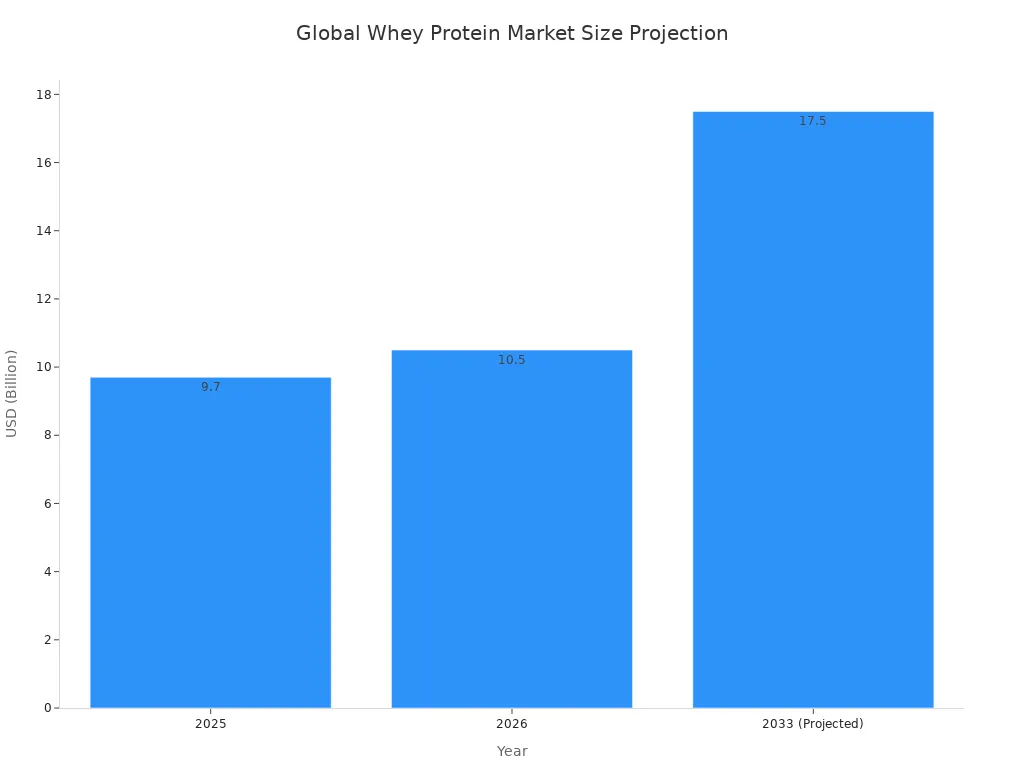
Soaring dairy whey costs and constrained global filtration capacities accelerate broad market substitution across sports nutrition. The global whey protein market reaches USD 10.5 Billion in 2026 amidst tight global wholesale availability. Consequently, supply chain executives and B2B procurement managers select BEYOND BIOPHARMA's highly digestible six-source plant protein peptide line to secure cost-effective active raw materials.
Core Drivers of Plant Protein Peptide Price per KG in 2026
Global agricultural shifts and expanding demand directly impact raw ingredient economics across athletic nutrition markets. Farm management costs, weather patterns, and crop yields dictate the initial baseline value of plant substrates. Demand within key application segments—including sports nutrition, functional beverages, and ready-to-eat products—experiences a compound annual revenue expansion rate greater than 8%. This steady surge in commercial consumption establishes a firm baseline for raw botanical materials. Consequently, procurement managers must evaluate baseline agricultural inputs before analyzing advanced refining processes.
Baseline Crop Costs and Agricultural Inputs
Agricultural inputs create the foundational tier of ingredient pricing. Crop availability varies across major farming regions based on climate conditions, transportation fees, and fertilizer costs. B2B buyers track raw crop markets to anticipate price movements in commercial botanical isolates. Increasing consumer interest in athletic recovery and everyday active living accelerates global crop utilization. This rising demand limits excess raw material reserves, so agricultural fluctuations directly shift supplier quotes. Sourcing managers must monitor harvest metrics to hedge raw material expenditures effectively. Processing facilities located near major agricultural hubs reduce inland transportation expenses. Lower logistics overhead allows manufacturers to offer competitive bulk pricing on high-purity plant raw materials.
Hydrolysis Processing versus Raw Isolate Overhead
Standard raw protein isolates undergo basic separation steps to remove starch and fiber. However, bioavailable peptides require secondary processing through controlled enzymatic hydrolysis. Specialized enzymes cleave complex protein chains into low-molecular-weight fractions between 1,000 Da and 3,000 Da. This additional production runtime, enzyme usage, and ultrafiltration overhead elevate the plant protein peptide price per kg compared to standard isolate powders. Controlled processing guarantees consistent batch quality and superior functional properties.
The specialized hydrolysis process yields significant functional and physiological benefits that justify higher manufacturing expenditures:
Cost Stability: Plant-derived peptides like corn oligopeptides offer predictable pricing compared to highly volatile dairy and marine sources.
Functional Advantages: Direct intestinal absorption occurs quickly, as peptides under 1,000 Da absorb in 15–30 minutes, alongside high thermal and acidic stability at pH 3–4.
Scalability: Enables procurement teams to scale functional food innovations using non-GMO, allergen-free, and highly bioavailable options.
These process refinements ensure rapid gastrointestinal absorption with an impressive 89–94% digestibility rate. Advanced debittering and filtration technology removes bitter notes and cloudy sediment, creating clear solutions for drink formulations.
Dairy Whey Price Volatility and Market Substitution
Extreme price swings in animal dairy markets force brand formulators to seek stable alternative ingredients. Rapid inflation in whey procurement costs disrupts traditional product margins in athletic recovery categories.
Ingredient / Trend | Volatility & Market Dynamics | B2B Purchasing Impact |
|---|---|---|
Whey Protein Concentrate (WPC 80) | Prices increased by ~90% year-over-year | Forces procurement teams to move away from single-source reliance |
Whey Protein Isolate (WPI) | Costs surged by ~139% over a two-year period | Accelerates validation and adoption of cost-stable plant alternatives |
Supply Constraints | US production absorbed domestically; global supply tight | Elevates supply chain diversification to an operational necessity |
Tight dairy supply chains accelerate corporate transitions toward plant-based peptide alternatives. Formulators achieve superior price predictability by selecting botanical peptide sources. This market shift stabilizes supply chains and protects profit margins against animal dairy price shocks.
Raw Material Cost Gradients Across Crop Sources
High-Volume Baselines: Soy, Pea, and Rice Peptides
Sourcing scale drives fundamental cost efficiency across global plant protein markets. Soybean, yellow pea, and rice represent high-volume baselines in agricultural supply chains. Massive domestic farming operations stabilize raw material costs for these core botanical substrates.
Regional crop yields directly dictate baseline wholesale quotes in 2026. Processing facilities located near major agricultural hubs lower regional inland transportation fees. These logistics efficiencies maintain accessible entry prices for bulk orders of yellow pea, soy, and rice peptides.
Specialty Botanical Sources: Walnut, Corn, and Wheat Gluten
Niche botanical substrates require specialized extraction protocols and precise processing steps. Substrates like walnut, corn, and wheat gluten supply distinct functional peptide streams for advanced nutrition markets. Walnut peptide processing requires rigorous handling, raising baseline expenditures compared to standard agricultural grains.
Unique functional attributes justify price differences among specialty botanical inputs. Specialized enzymatic processing converts corn and wheat gluten isolates into active, easily digestible fractions. Procurement managers evaluate these functional specs to determine appropriate budget allocations for high-tier formulations.
Blending Complementary Proteins for Complete Amino Acid Profiles
Formulators frequently combine complementary raw materials to achieve balanced amino acid profiles. Blending yellow pea and rice peptides creates a complete profile rich in essential branched-chain amino acids, especially leucine. This calculated pairing delivers athletic recovery performance comparable to traditional animal whey protein.
Multi-source ingredient blending optimizes the overall plant protein peptide price per kg for commercial buyers. Sourcing managers adjust ratio parameters to control input expenses while maintaining optimal protein quality per gram. Utilizing BEYOND BIOPHARMA's six plant sources allows brands to customize cost structures while meeting exact formulation targets.
Hydrolysis Technology and Specification Costs
How Specifications Impact Plant Protein Peptide Price per KG
Advanced processing technologies transform raw botanical isolates into highly functional active ingredients. Complex enzymatic treatments and refined filtration protocols increase manufacturing runtime. Production facilities consume more specialized enzymes and energy during these multi-stage processing steps. Consequently, narrow specification targets directly influence the overall plant protein peptide price per kg in wholesale markets.
Total Batch Cost = Raw Isolate Material + Enzyme Inputs + Runtime Energy + Purification Yield Loss
Formulators demand tight quality limits to ensure consistent performance in specialized consumer products. Precision processing reduces overall batch yields because facilities remove larger, unhydrolyzed protein chains. This lower output volume raises unit production costs across specialized ingredient categories.
Targeted Molecular Weight Control (1,000–3,000 Da)
Standard plant isolates contain large protein molecules that present functional challenges in liquid formulations. Engineers use controlled enzymatic hydrolysis to cleave these native proteins into short peptide chains. Specialized enzymes target specific peptide bonds to achieve precise molecular weight distributions between 1,000 Da and 3,000 Da.
Molecular Weight Spec | Processing Mechanism | Operational Cost Impact |
|---|---|---|
Standard Isolate (>10,000 Da) | Basic aqueous extraction and drying | Low base processing overhead |
Hydrolyzed Fraction (3,000–5,000 Da) | Partial enzymatic cleavage | Moderate enzyme and energy requirements |
Precision Fraction (1,000–3,000 Da) | Targeted enzymatic cleavage and ultrafiltration | High processing runtime and reduced yield |
Maintaining narrow molecular weight distributions requires continuous quality testing and extended membrane ultrafiltration. Operating specialized filtration membranes for extended cycles increases plant overhead and capital equipment wear. Sourcing teams accept these refined specifications to secure rapid systemic delivery for performance recovery products.
Cold-Water Solubility, Clarity, and Debittering Processes
Native plant proteins usually display low solubility and leave unpleasant gritty textures in liquid applications. BEYOND BIOPHARMA solves these functional barriers by utilizing proprietary debittering and multi-stage filtration technologies. This processing eliminates bitter hydrophobic peptides and insoluble particulate matter without chemical modification.
Precision debittering and advanced membrane filtration yield 100% cold-water soluble, heat-stable, and grit-free plant peptides that maintain complete solution clarity in clear protein waters and ready-to-drink beverages.
These advanced refining steps allow brands to formulate clear protein waters, ready-to-drink hydration shots, functional gummies, and dietary capsules. Eliminating cloudiness and bitter notes requires additional purification cycles. These supplementary refining steps justify premium price tiers over standard, unrefined plant protein powders.
Digestibility Rates (89–94%) and Bioavailability Metrics
Enzymatic cleaving directly improves the physiological performance of plant-derived ingredients. Small peptide chains do not require extensive digestion inside the stomach. Instead, short amino acid chains transport directly across the intestinal wall into the bloodstream.
Accelerated Bioavailability: Pre-cleaved peptide structures absorb rapidly during critical post-workout anabolic windows.
High Digestibility Metrics: Hydrolyzed botanical sources achieve superior gastrointestinal digestibility rates between 89% and 94%.
Optimized Amino Acid Profiles: Blended sources deliver high leucine levels to stimulate muscle protein synthesis effectively.
High GI digestibility metrics ensure optimal nutrient utilization for competitive athletes and active consumers. These verifiable physiological advantages elevate ingredient value in performance nutrition markets. Sourcing executives balance higher specification expenses against product functionality to optimize their final commercial formulations.
Quality, Compliance, and Certification Premiums
Organic, Non-GMO, and Clean-Label Validations
Regulatory standards directly dictate active raw material valuations across global functional food sectors. Non-GMO project verifications and organic supply chain tracking add processing requirements for ingredient suppliers. Specialized facilities must separate raw botanical inputs during transport, storage, and enzymatic processing. These rigorous identity preservation measures increase operating overhead and justify higher wholesale tier pricing.
Formulators pay additional premiums for clean-label raw materials that lack synthetic chemical treatments. Proprietary water-based enzymatic extraction methods replace harsh chemical solvents. Sourcing executives select certified non-GMO plant peptides to satisfy growing consumer preferences for transparent labeling. These validation steps protect downstream brand integrity while ensuring complete supply chain transparency.
Allergen Isolation and Heavy Metal Testing
Strict allergen management protocols significantly impact bulk manufacturing costs. Production plants must run specialized equipment cleaning cycles between processing runs of soybean, wheat gluten, and allergen-free substrates like yellow pea or rice. Dedicated production lines prevent cross-contamination, but these preventive routines reduce total monthly plant throughput.
Verification Parameter | Analytical Testing Standard | Impact on Bulk Pricing |
|---|---|---|
Allergen Cross-Contamination | ELISA testing protocols | Increases batch isolation overhead and equipment cleaning costs |
Heavy Metal Contamination | ICP-MS elemental analysis | Adds multi-element testing fees per manufactured lot |
Microbial Safety | USP USP / AOAC validation | Elevates quality control laboratory testing expenses |
Advanced mass spectrometry testing validates raw material purity before commercial dispatch. Quality control teams screen every production batch for trace heavy metals, agricultural pesticides, and environmental contaminants. BEYOND BIOPHARMA conducts thorough analytical testing on its six-source plant peptide platform. These essential laboratory protocols safeguard public health and justify higher active ingredient costs.
GMP Manufacturing, COAs, Halal, and Kosher Audits
Good Manufacturing Practice (GMP) compliance forms the foundation of commercial ingredient pricing. Certified facilities maintain continuous climate controls, automated air filtration systems, and strict sanitation schedules. Third-party auditors inspect processing plants annually to confirm complete regulatory compliance.
Total Compliance Overhead = GMP Facility Audits + Kosher/Halal Inspections + Batch Testing Documentation
Every delivered ingredient batch includes detailed Certificates of Analysis (COA) and stability testing metrics. Specialized Halal and Kosher certifications require recurring facility inspections and official rabbinical oversight. Brands rely on these verified quality credentials to expand international product distribution confidently.
Supply Chain Dynamics and Landed Pricing in 2026
Order Volume Tiers and MOQ Escalation Ladders
Minimum order quantities directly govern wholesale price points for bulk plant protein peptides. Manufacturers establish tiered pricing structures to reward high-volume commercial commitments. Small sample orders under one metric ton incur higher handling surcharges per kilogram. Larger purchases between five and twenty metric tons unlock significant bulk discounts.
Suppliers amortize plant setup overhead across higher production volumes during large runs. Procurement managers secure stable price guarantees by committing to annual contract ladders. Regular contract schedules help processing plants optimize batch runs and lower inventory holding costs.
Global Freight, Tariffs, and Import Duties
International logistics significantly increase final landed costs for imported active raw materials. Ocean freight rates, port congestion fees, and fuel surcharges alter baseline shipping budgets. Procurement teams calculate total landed costs by adding international freight and inland trucking expenses to factory quotes.
Trade policies and regional tariffs directly affect cross-border raw material transactions. Sourcing executives evaluate origin import duties when choosing global manufacturing partners. Local customs clearing procedures require precise documentation to avoid expensive port storage penalties.
Custom Blending, Mesh Particle Sizing, and Toll Processing
Specialized post-processing modifications customize peptide functionality for specific finished applications. Facilities adjust mechanical milling protocols to deliver custom mesh particle sizes for dry mix or beverage applications. Finer mesh powders dissolve rapidly, but additional micronization steps increase total manufacturing time.
Processing Service | Operational Objective | Cost Impact |
|---|---|---|
Particle Mesh Sizing | Optimizes powder dispersion and hydration rates | Adds extra milling and sifting runtime |
Custom Ratio Blending | Combines complementary sources like pea and rice | Requires precise batch homogenization |
Toll Spray Drying | Transforms liquid hydrolysates into stable dry powder | Increases energy and processing fees |
Toll processing services enable brands to customize active ingredient formulations efficiently. BEYOND BIOPHARMA offers tailored plant peptide ratios to help formulators achieve target amino acid profiles. Sourcing teams balance these specialized manufacturing add-ons against product retail margins.
B2B procurement teams evaluate molecular weight control between 1,000 Da and 3,000 Da, rapid solubility, high GI digestibility rates, and verified clean-label compliance to determine actual ingredient value in 2026. Formulators balance custom pea-and-rice blend ratios against strict functional specs to stabilize product margins. Sourcing managers mitigate market volatility by adopting strategic purchasing approaches:
High-Volume Securing: Lock in baseline soybean and pea volumes to safeguard continuous supply availability.
Contractual Risk Mitigation: Execute long-term supplier contracts with GMP-certified partners like BEYOND BIOPHARMA to establish stable pricing structures.
Geographic and Source Diversification: Expand raw material vendor networks across multiple botanical sources to buffer against localized regional crop disruptions.
These strategic sourcing protocols protect final formulation budgets while optimizing the total plant protein peptide price per kg across global commercial distribution channels.
FAQ
What is the estimated plant protein peptide price per kg in 2026?
In 2026, wholesale plant protein peptide prices generally range from $15 to $65+ per kg. Final bulk costs depend heavily on the raw crop source, target molecular weight specifications, cold-water solubility requirements, and overall order volumes.
Why do plant protein peptides cost more than standard plant protein isolates?
Plant protein peptides require secondary enzymatic hydrolysis and membrane ultrafiltration. This specialized processing cleaves native proteins into low-molecular-weight fractions between 1,000 Da and 3,000 Da. Extended processing runtimes, enzyme costs, and yield losses elevate manufacturing expenses above standard isolate production.
How do BEYOND BIOPHARMA plant peptides achieve cold-water clarity and neutral taste?
BEYOND BIOPHARMA utilizes proprietary debittering and multi-stage filtration technologies. This process eliminates bitter hydrophobic peptides and insoluble particles without chemical modification. The resulting raw materials achieve 100% cold-water solubility, heat stability, and complete clarity for ready-to-drink beverages and clear protein waters.
What digestibility rates do hydrolyzed plant peptides offer compared to raw proteins?
Controlled enzymatic hydrolysis breaks long protein chains into short, easily absorbed peptides. These refined plant peptides achieve high gastrointestinal digestibility rates between 89% and 94%. Rapid intestinal absorption delivers essential amino acids quickly into the bloodstream during post-workout recovery windows.