Key Maintenance Strategies for Efficient Pistachio Sorting
A pistachio sorter demands consistent attention to maintenance tasks. Proactive measures help operators achieve optimal performance and reliable results.
- Proper care extends equipment life and supports consistent product quality.
Neglected maintenance can result in unnecessary downtime and costly repairs.
Routine Inspection and Calibration for Pistachio Sorter
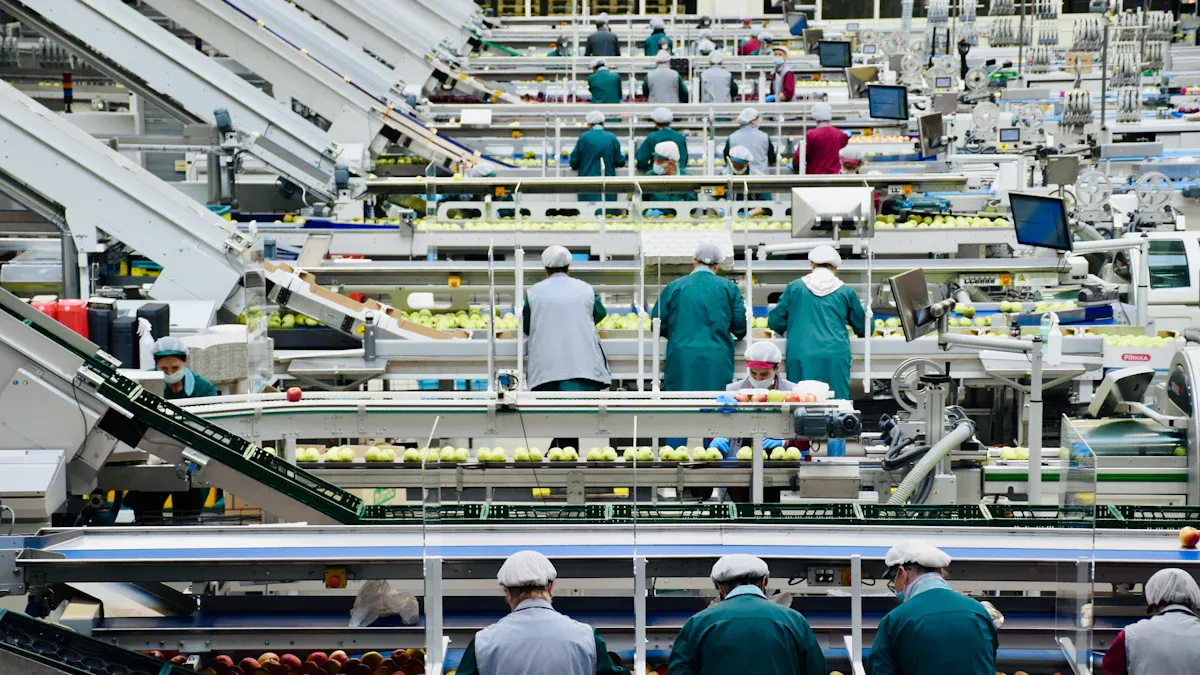
Daily Visual Checks
Operators should begin each shift with a thorough visual inspection of the pistachio sorter. They look for signs of wear, misalignment, or buildup of debris. Common issues often include contamination from rocks, metals, and other foreign bodies. These contaminants can damage sensitive equipment and cause unexpected shutdowns. Facilities like Setton Pistachio have faced costly repairs due to such problems. Regular checks help identify these hazards early and prevent equipment failure.
Tip: Use a checklist to ensure no critical area gets overlooked during daily inspections.
Sensor and Illumination Calibration
Sensors and lighting systems play a crucial role in the accuracy of a pistachio sorter. Technicians must calibrate these components regularly to maintain high sorting precision. Incorrect calibration can lead to poor product quality or missed contaminants. Many commercial facilities now use advanced X-ray inspection technology. This technology detects foreign objects that traditional sensors might miss, reducing the risk of equipment damage.
Environmental Monitoring
Environmental factors such as temperature, humidity, and dust levels can affect the performance of a pistachio sorter. Staff should monitor these conditions throughout the day. High humidity or excessive dust may interfere with sensors and moving parts. Installing environmental sensors and maintaining proper ventilation helps keep the sorter running smoothly. Consistent monitoring ensures the equipment operates within optimal parameters.
Cleaning and Hygiene Protocols for Pistachio Sorter

Scheduled Cleaning Procedures
Regular cleaning routines keep the pistachio sorter operating at peak efficiency. Operators should follow a strict schedule, cleaning all contact surfaces, chutes, and sorting trays at the end of each shift. They should also remove debris from hard-to-reach areas. A detailed cleaning log helps track completed tasks and ensures accountability. Many facilities use a checklist to verify that no area is missed. This approach reduces the risk of residue buildup and mechanical failure.
Safe Handling of Cleaning Agents
Staff must use cleaning agents that are food-safe and approved for use in food processing environments. They should always wear protective gloves and eyewear when handling chemicals. Proper dilution and application prevent damage to sensitive components. Operators should rinse all surfaces thoroughly to remove any chemical residue. Training sessions help staff understand the correct procedures and the importance of safety during cleaning.
Tip: Store cleaning agents in clearly labeled containers away from production areas to avoid accidental contamination.
Preventing Contamination
Effective contamination control starts with the right equipment and methods. The water flotation tank removes over half of aflatoxin contamination, while air flotation systems contribute only a small percentage. Facilities that use a rubber-drum huller instead of a metal-drum type see better sorting results. These steps, combined with regular cleaning, greatly reduce the risk of contamination in the pistachio sorter. Operators should inspect equipment after each cleaning to confirm that no foreign material remains.
Component Checks and Replacement in Pistachio Sorter
Air Valve and Belt Inspection
Operators must inspect air valves and belts regularly to maintain consistent performance. Air valves control the flow of compressed air, which is essential for accurate sorting. Worn or leaking valves can cause misdirected airflow, leading to sorting errors. Belts transport pistachios through the machine. Frayed or misaligned belts may result in jams or uneven product flow. Technicians should check for visible wear, tension, and alignment during each maintenance cycle. Early detection of issues prevents unexpected downtime and extends equipment life.
Ejector Nozzle Maintenance
Ejector nozzles play a critical role in the sorting process. Their spacing and number directly affect the accuracy of the pistachio sorter. The table below highlights key factors:
| Factor | Impact on Sorting Accuracy |
|---|---|
| Nozzle Spacing | Key factor affecting the accuracy of the color sorter |
| Number of Nozzles | Essential for effective rejection of defective materials |
Regular maintenance ensures that nozzles function effectively. Technicians must clean and calibrate nozzles to avoid false detections and maintain high performance. Issues with nozzles can reduce sorting accuracy and allow defective materials to pass through.
- Regular nozzle checks improve sorting results.
- Effective nozzle function supports consistent product quality.
- Prompt attention to nozzle issues reduces performance loss.
Managing Spare Parts Inventory
A well-organized spare parts inventory supports rapid repairs and minimizes downtime. Facilities should track critical components such as belts, air valves, and nozzles. Using inventory management software helps staff monitor stock levels and reorder parts before shortages occur. Quick access to replacement parts ensures the pistachio sorter returns to operation without delay. Staff should review inventory records regularly and update them after each maintenance activity.
Leveraging Technology for Pistachio Sorter Maintenance
Remote Monitoring Systems
Remote monitoring systems have transformed maintenance practices in modern sorting facilities. These systems deliver real-time production and diagnostic data, allowing technicians to identify and resolve issues quickly. Operators can access historical production reports within an hour, which supports timely adjustments and minimizes delays. Remote monitoring capability enables immediate responses to system alerts, further reducing downtime.
| Evidence Description | Impact on Downtime |
|---|---|
| Real-time production and diagnostic data | Enables quick identification and resolution of issues, reducing downtime |
| Historical production reports accessible fast | Allows timely adjustments, minimizing potential delays |
| Remote monitoring capability | Facilitates immediate response, decreasing downtime |
Data Analytics for Predictive Maintenance
Data analytics tools now play a vital role in predicting maintenance needs. Facilities use AI and IoT technologies to monitor equipment health and forecast potential failures. This approach supports sustainability and energy efficiency by ensuring machines operate optimally. The trend toward premium snack products also drives the need for efficient, reliable equipment.
| Key Trend | Description |
|---|---|
| Adoption of AI and IoT | Utilized for predictive maintenance in pistachio processing equipment |
| Focus on sustainability and energy efficiency | Maintains equipment in an eco-friendly manner |
| Premiumization of snack products | Increases demand for efficient sorting equipment |
Tip: Use analytics dashboards to track machine performance and schedule maintenance before breakdowns occur.
Service Contracts and Support
Service contracts with equipment providers offer peace of mind and expert support. These agreements often include regular software updates, remote diagnostics, and priority repair services. Facilities benefit from enhanced quality control, increased efficiency, and cost savings. The table below highlights key features that advanced technology brings to pistachio sorting operations.
| Feature | Description |
|---|---|
| Enhanced Quality Control | Consistent color and size grading for premium branding and customer satisfaction |
| Increased Efficiency | Processes thousands of nuts per minute, reducing production bottlenecks |
| Cost Savings | Minimizes waste by accurately rejecting defects, lowering reliance on manual sorters |
| Food Safety Compliance | Detects and removes contaminants, aligning with global safety standards |
| Scalability | Adaptable to various farm sizes with customizable settings |
| Multi-functional Capabilities | Includes size grading, defect detection, and moisture analysis for optimized processing |
A pistachio sorter equipped with these technologies ensures reliable operation and supports long-term business growth.
Staff Training and Best Practices for Pistachio Sorter
Operator Training Programs
Effective operator training programs form the backbone of reliable pistachio sorting operations. Facilities invest in structured onboarding sessions for new staff. These sessions cover machine operation, safety protocols, and troubleshooting techniques. Experienced operators often lead hands-on demonstrations. They show new team members how to identify common issues and perform basic maintenance. Regular refresher courses keep everyone updated on the latest technology and best practices.
Note: Well-trained operators reduce the risk of costly errors and equipment misuse.
Maintenance Documentation
Accurate maintenance documentation ensures consistency and accountability. Staff record every inspection, repair, and cleaning activity in detailed logs. These records help managers track recurring issues and schedule preventive maintenance. Many facilities use digital platforms to store and organize documentation. This approach allows quick access to maintenance history and supports compliance with food safety standards.
| Documentation Type | Purpose | Benefit |
|---|---|---|
| Inspection Logs | Track daily checks | Early issue detection |
| Repair Records | Document fixes and replacements | Improved reliability |
| Cleaning Schedules | Ensure hygiene protocols | Reduced contamination |
Preventive Care Culture
A preventive care culture encourages staff to address small problems before they escalate. Team leaders promote open communication about equipment concerns. Operators receive recognition for proactive maintenance efforts. Facilities often display maintenance checklists and reminders in visible areas. This culture supports long-term efficiency and extends the lifespan of the pistachio sorter.
Tip: Encourage staff to report unusual noises or performance changes immediately.
- Consistent maintenance keeps the pistachio sorter efficient and dependable.
- Proactive care reduces downtime and improves sorting quality.
- Staff training and advanced technology extend machine life.
Reliable maintenance supports business growth and product excellence.
FAQ
How often should operators calibrate pistachio sorter sensors?
Operators should calibrate sensors weekly. Frequent calibration ensures accurate sorting and prevents product quality issues.
What cleaning agents work best for pistachio sorters?
Food-grade, non-corrosive cleaning agents work best. These agents protect sensitive components and maintain food safety standards.
Tip: Always check the manufacturer's recommendations before selecting a cleaning agent.
Why does preventive maintenance matter for pistachio sorters?
Preventive maintenance reduces unexpected breakdowns. It extends equipment life and supports consistent product quality.
See Also
The Importance of Capsule Sorters in Eliminating Defects
Essential Capsule Checkweighers for Buyers in 2025
Best Practices for Safely Storing Nitric Acid
Three Methods PHE Plates Enhance System Efficiency in 2025
Three Essential Industrial Checkweighers for Food Facilities