Key Advances in Pharmaceutical Auxiliary Machines You Should Know
You see rapid growth in pharmaceutical auxiliary machines across the globe. The market is expected to reach $4.1 billion by 2025.
| Year | Market Value (USD) | CAGR (%) |
|---|---|---|
| 2025 | 4.1 billion | 5.7 |
Automation and AI now drive efficiency, improve product quality, and boost reliability in pharmacutical auxiliary machines.
Automation and AI in Pharmaceutical Auxiliary Machines
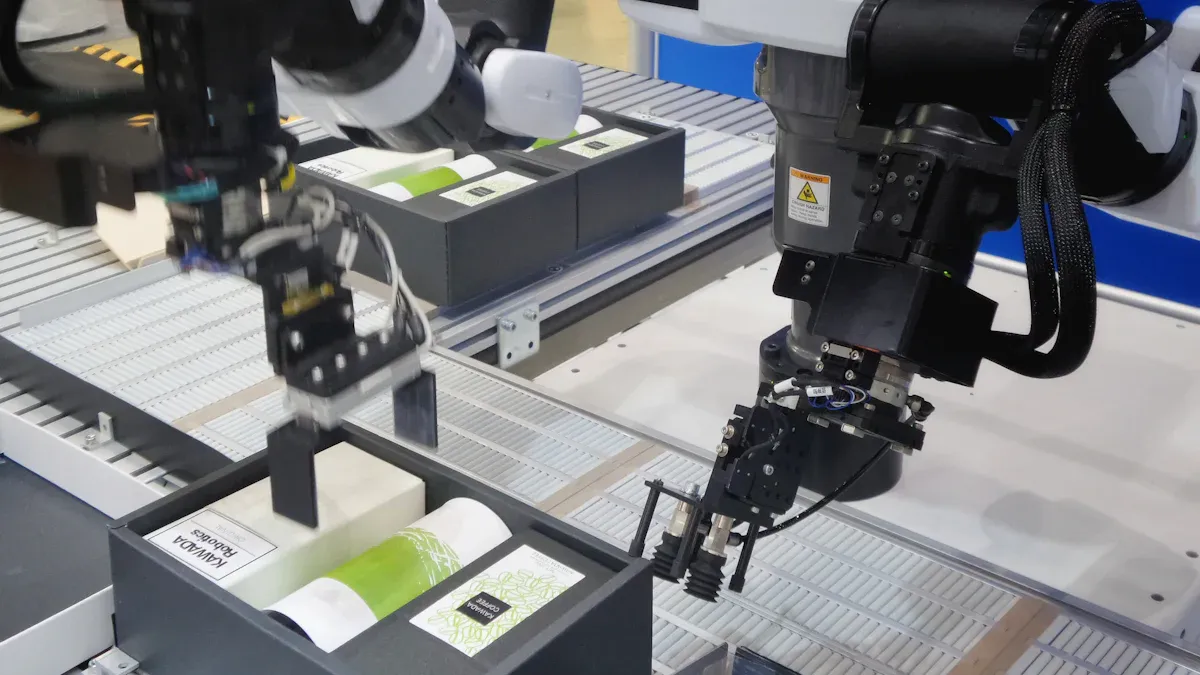
Smart Process Control Systems
You now see smart process control systems transforming how you manage Pharmaceutical Auxiliary Machines. These systems use sensors and software to monitor every step of production. You can adjust settings in real time, which helps you keep quality high and waste low. When you use these systems, you gain better control over temperature, pressure, and mixing speeds. This means you can produce medicines with more consistency and fewer errors.
Predictive Maintenance Solutions
Predictive maintenance helps you avoid unexpected breakdowns in your equipment. By using advanced data analytics and machine learning, you can spot patterns and unusual behavior in your machines.
- You predict potential failures and act before problems stop production.
- You reduce downtime and lower maintenance costs.
- You keep your workplace safer and protect valuable products.
- You support operational excellence and financial stability.
Automated Material Handling Equipment
Automated material handling equipment brings many benefits to your pharmaceutical manufacturing process.
| Benefit | Description |
|---|---|
| Reduce injuries | Lowers the risk of musculoskeletal disorders from repetitive lifting. |
| Improve productivity | Maintains a steady pace for workers, increasing overall throughput. |
| Protect product quality | Minimizes damage, spills, or contamination through touch-free handling. |
| Ensure compliance | Simplifies audits and inspections with equipment meeting hygienic standards. |
| Boost employee morale | Enhances job satisfaction and reduces turnover with safer workflows. |
You also see higher output, better product quality, and improved safety when you use these machines.
AI-Controlled Inspection Systems
AI-controlled inspection systems help you find defects quickly and accurately. These systems analyze visual and sensor data in real time, so you can catch problems right away.
- Machine learning algorithms detect even small defects that people might miss.
- The system predicts where defects may happen, so you can fix issues early.
- AI inspects units faster than humans, increasing your production speed and accuracy.
Pharmaceutical Auxiliary Machines with AI inspection give you better results and help you meet strict quality standards.
Advanced Drying and Filtration in Pharmaceutical Auxiliary Machines
High-Efficiency Fluid Bed Dryers
You can improve your drying process with high-efficiency fluid bed dryers. These machines help you save energy and time.
- You reduce preheating time by over 50%.
- You save about 1 hour for each batch you process.
- You lower energy use by around 18.5 kWh per batch.
If you run 200 batches each year, you can save about 3700 kWh. This means you spend less on energy and finish your work faster.
Heat-Sensitive Drying Technologies
You need to protect active ingredients during drying. Heat-sensitive drying technologies help you keep these ingredients safe.
Here is a table showing some methods and their advantages:
| Method | Advantages |
|---|---|
| Electrostatic Spray Drying | Superior retention of native viability and properties of thermosensitive actives. High powder quality and sustainability. |
| Lyophilization | Maintains stability and functionality of delicate materials. Long-lasting formulations with minimal degradation. |
| Freeze-Drying | Excellent retention of active ingredients. Maintains structure and bioactivity. Extends shelf life. |
These methods help you keep your products strong and effective.
Multi-Functional Filtration and Drying Units
You can make your workflow smoother with multi-functional filtration and drying units. These machines combine filtration and drying in one vessel.
You spend less time moving products between machines.
You increase throughput and productivity.
You lower contamination risks and improve product safety.
You get better results and safer medicines with these units.
Micronization with Air Jet Mills
You can control particle size with air jet mills. This process helps you make drugs that dissolve faster and work better.
- You increase bioavailability for drugs that do not dissolve easily.
- You create fine particles, sometimes as small as 5 microns, for targeted delivery in the lungs.
- You use advanced jet milling to get precise particle sizes for each drug.
If you work with soft materials, cryogenic techniques can help you mill them more efficiently.
Pharmaceutical Auxiliary Machines with these features help you meet strict quality standards and improve your products.
Smart Packaging Innovations in Pharmaceutical Auxiliary Machines

Serialization and Track-and-Trace Technology
You can improve supply chain security with serialization and track-and-trace technology. These systems give each product a unique identifier, which helps you trace medicines from the factory to the patient. You can track shipments at different levels, such as pallets, multi-packs, individual packages, and even vials. The table below shows how each level works and the benefits you gain:
| Level of Serialization | Description | Benefits |
|---|---|---|
| Pallet-level | Tracks shipments at logistics centers | Moves large shipments quickly |
| Multi-pack level | Shares info for distribution centers | Handles partial shipments efficiently |
| Individual packaging level | Traces shipments for hospitals and clinics | Tracks doses for patient safety |
| Vial level | Follows individual doses | Improves patient-level safety |
| End-to-end technology | Uses NFC for tracking to the sale unit | Certifies origin and authenticity |
| Real-time monitoring | IoT monitors location and conditions | Ensures safety and compliance |
Serialization helps you meet strict regulations and keeps your products safe.
Intelligent Labeling Systems
You can use intelligent labeling systems to make your packaging safer and more reliable. These systems use automation to reduce mistakes and keep labels up to date. The table below highlights key benefits:
| Benefit | Description |
|---|---|
| Streamlined Compliance | Automation lowers human error and speeds up compliance |
| Regulatory Adherence | Labels update automatically to match new rules |
| Enhanced Patient Safety | Accurate labels prevent harm and ensure correct dosing |
You also get tamper-evident packaging, authentication with NFC, and cold-chain alerts. These features protect patients and help you follow regulations.
Robotic Fillers and 3D Printing Solutions
You can boost efficiency with robotic fillers. Robots load products, place items in packages, and add labels. This automation speeds up your process and reduces errors.
"We are able to provide customers all over the world with a rapid new format pack by sending the engineering data for it directly to them or to a local Optima office."
You can use 3D printing to create new packaging formats quickly. This technology helps you respond to market changes and customize solutions for your needs. Pharmaceutical Auxiliary Machines with these features help you stay ahead in packaging innovation.
Sustainability Trends in Pharmaceutical Auxiliary Machines
Energy-Efficient Equipment
You can lower your energy bills and help the environment by using energy-efficient equipment. Many pharmaceutical facilities now choose machines that use less power. One facility saw a 20% drop in energy use during the first year after switching to energy-saving equipment. You save money and reduce your carbon footprint at the same time. Energy-efficient machines also run cooler and quieter, which makes your workspace more comfortable.
- You cut energy costs by upgrading your equipment.
- You help fight climate change by using less electricity.
- You create a safer and more pleasant work environment.
Waste Reduction Technologies
You can reach your sustainability goals faster with waste reduction technologies. These tools help you make less waste and use safer materials. Green chemistry lets you use safer chemicals and create less waste. Biocatalysis and flow chemistry make your processes more efficient. You can also use source reduction and treat waste better. Some facilities turn waste into energy, which helps the planet.
- Green chemistry lowers pollution and uses renewable resources.
- Biodegradable solvents and recyclable catalysts make your work cleaner.
- Advanced filtration and recycling systems turn waste into useful products.
- Bioremediation helps fix environmental damage.
Sustainable Manufacturing Practices
You can make your operations more sustainable by using smart practices. Many companies now use high-efficiency equipment and digitized HVAC systems to save energy. Rainwater harvesting helps you use less local water. Better waste management systems clean water and recycle materials. Some facilities use biofuels to cut emissions. Biodegradable packaging reduces the carbon footprint of medical products.
| Practice | Description |
|---|---|
| Energy efficiency | Use high-efficiency processes and equipment to minimize energy loss, such as digitized HVAC systems. |
| Water conservation | Implement rainwater harvesting technologies to reduce dependency on local water sources. |
| Waste management | Integrate better waste management systems, including water purification and recycling of materials. |
| Biofuels | Utilize renewable energy sources like biodiesel to reduce emissions from non-renewable fuels. |
| Sustainable packaging | Develop biodegradable packaging materials to decrease the carbon footprint of medical products. |
Pharmaceutical Auxiliary Machines now support these sustainable practices, helping you protect the environment and improve your business.
Regulatory Compliance Tools in Pharmaceutical Auxiliary Machines
Real-Time Data Monitoring Platforms
You can use real-time data monitoring platforms to keep your production safe and compliant. These platforms help you watch important parameters every second. You see problems as soon as they happen, so you can fix them quickly. This keeps your products high quality and helps you follow strict rules from groups like the FDA and CDC. You also get automatic records, which make audits easier and faster.
| Benefit | Description |
|---|---|
| Enhanced Data Accuracy | Automated data entries eliminate manual errors, providing reliable records for audits and inspections. |
| Streamlined Audits | Access all compliance records digitally, reducing the time and effort needed to prepare for audits. |
| Increased Productivity | With compliance processes streamlined, teams can dedicate more time to high-value tasks on the production floor. |
- Compliance with CGMP (Current Good Manufacturing Practice)
- Compliance with GDP (Good Distribution Practices)
- Adherence to regulatory boards including the FDA, CDC, and international regulatory bodies.
Digital Documentation and Audit Trails
You can improve your compliance with digital documentation and audit trails. These tools help you keep track of every change and action. Automated alerts let you know if something goes wrong. You can see who made changes and when, so you stop mistakes and protect your data. IoT devices connect to these systems, giving you real-time updates and helping you meet all standards.
| Advantage | Description |
|---|---|
| Real-Time Alerts | Automated tools flag anomalies, ensuring quick identification of discrepancies or non-compliance. |
| Prevention of Data Manipulation | Audit trails, with traceable logs, deter unauthorized changes to data and safeguard against manipulation. |
| Continuous Monitoring | Integration with IoT devices enables real-time compliance with regulatory standards. |
| Quality Assurance | Detailed records of changes help track deviations and implement corrective actions. |
| Data-Driven Decisions | Historical data analysis allows for trend identification and process refinement. |
| Ongoing Compliance Monitoring | Regular reviews of audit trail data help maintain alignment with regulatory requirements. |
Next-Generation Compliance Solutions
You can use next-generation compliance solutions to make your work easier and safer. These systems store all your documents in one place. You get real-time audit trails, so you always know what happened and when. Built-in tools track updates from the FDA, EMA, and ICH, so you never miss new rules. Automated workflows help you finish tasks faster and with fewer mistakes. Modern platforms connect with other systems, making your compliance work smooth and unified.
- Centralized Documentation: Store SOPs, training records, and batch documents on one platform.
- Real-Time Audit Trails: Log every user action with clear, time-stamped records.
- Regulatory Intelligence Tools: Track updates from authorities automatically.
- Workflow Automation: Use notifications and approval routes to speed up compliance.
- Integration Capabilities: Connect with manufacturing execution systems, LIMS, and ERP platforms.
The main objective of the project was to implement a system that acts as a data repository for the information collected from the dedicated equipment in the different production areas and auxiliary services, both to satisfy regulatory requirements and prove compliance with CDMO obligations to customers.
Pharmaceutical Auxiliary Machines now use these advanced tools to help you meet all regulatory standards and keep your products safe.
Why Advances in Pharmaceutical Auxiliary Machines Matter
Enhancing Operational Efficiency
You can make your manufacturing plant run faster and smoother with new technology. When you use advanced machines, you get more work done in less time. You see fewer breakdowns because AI predicts problems before they happen. You can fix issues early and keep your machines running. Real-time monitoring lets you watch important numbers like temperature and pressure. You spot mistakes quickly and correct them right away. AI helps you find ways to improve your process and save money. You also reduce human error with smart inspection systems.
- Predictive maintenance keeps machines working longer.
- Process optimization helps you use resources better.
- Visual inspection finds defects fast.
- Anomaly detection lets you fix problems quickly.
- Real-time monitoring keeps your products safe.
Digital twins let you test changes before you make them. You set up machines faster and shorten production cycles. You get products ready for approval sooner.
Tip: When you use these tools, you spend less time fixing problems and more time making high-quality medicine.
Improving Product Quality and Consistency
You want every batch of medicine to be safe and effective. New machines help you reach this goal. AI checks your products for defects and makes sure each one meets high standards. You use sensors to watch for changes in your process. If something goes wrong, you fix it before it affects your product. Digital twins let you test your process and keep drug doses accurate.
| Evidence Type | Description |
|---|---|
| Predictive Maintenance | AI models analyze data from equipment sensors to predict failures, allowing for timely maintenance and ensuring consistent product quality. |
| Process Optimization | AI algorithms identify opportunities for improvement, leading to increased efficiency and reduced variability in production processes. |
| Visual Inspection | AI-powered systems analyze images to detect defects quickly and accurately, reducing human error and ensuring that only high-quality products reach the market. |
| Digital Twins | Simulations of production processes ensure compliance with regulatory standards and improve product quality by controlling variability in drug dosage. |
You get better results and fewer mistakes. Your customers trust your products because you deliver the same quality every time.
Ensuring Regulatory Compliance
You need to follow strict rules to keep your products safe. New machines help you meet these rules. Automation reduces mistakes and helps you work faster. Cloud computing lets you watch quality all the time and respond to new rules quickly. Digital tools make your work easier and help you stay organized.
| Evidence Description | Key Benefit |
|---|---|
| Adoption of cloud computing enables continuous quality monitoring and agility. | Helps manufacturers respond effectively to regulatory changes and maintain GMP compliance. |
| Automation reduces human error and increases productivity. | Frees up resources for critical activities like quality oversight. |
| Embracing digital transformation enhances operational efficiency. | Improves compliance and overall manufacturing processes. |
- You conduct routine inspections to follow GMP guidelines.
- You build a strong quality assurance team to keep products safe.
Note: When you use these machines, you stay ready for audits and keep your products safe for patients.
Maximizing Return on Investment
You want to save money and grow your business. Investing in new machines helps you do both. You spend less on labor because robots handle many tasks. You waste less medicine because automation keeps track of expiration dates. Over time, you see big savings that make up for the cost of new equipment. Robots fill prescriptions faster, so customers wait less. You also make fewer mistakes, which keeps patients safe and builds your reputation.
A study showed that hospitals saved over €443,000 in 15 years by using automation. They saw a positive return on investment by the fourth year. When you look at hidden costs and benefits, you see even more savings. Automation improves cash flow and helps you plan for the future.
Tip: When you invest in advanced machines, you get better results, happier employees, and more satisfied customers.
You see that advances in Pharmaceutical Auxiliary Machines help you work smarter, deliver better products, follow the rules, and save money.
You see new pharmaceutical auxiliary machines changing how you work. AI and smart devices help you make better medicines faster. Staying updated with trends keeps you ahead.
| Trend | How It Helps You Stay Competitive |
|---|---|
| Advanced Technologies | Boost product quality and reliability |
| AI Integration | Adapt quickly and innovate |
| Regulatory Compliance Focus | Keep market access and build trust |
FAQ
What are pharmaceutical auxiliary machines?
Pharmaceutical auxiliary machines help you with tasks like drying, filtering, packaging, and inspecting medicines. You use them to improve safety, speed, and product quality.
How does AI improve pharmaceutical auxiliary machines?
AI helps you spot defects, predict equipment problems, and automate inspections. You get faster results, fewer mistakes, and better compliance with safety standards.
Why should you upgrade to energy-efficient equipment?
You save money on electricity. You help the environment. You create a safer workspace.
Tip: Energy-efficient machines also run cooler and quieter.