Pea Protein Peptide vs. Whey: Can Plant Protein Build Comparable Muscle?
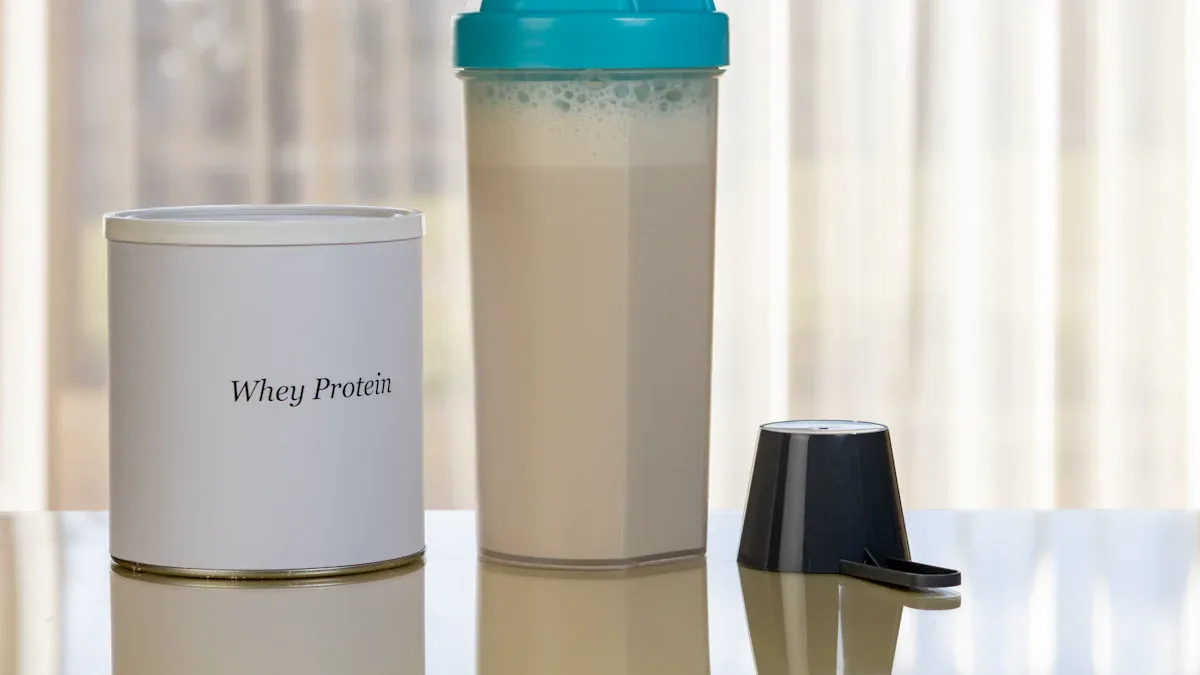
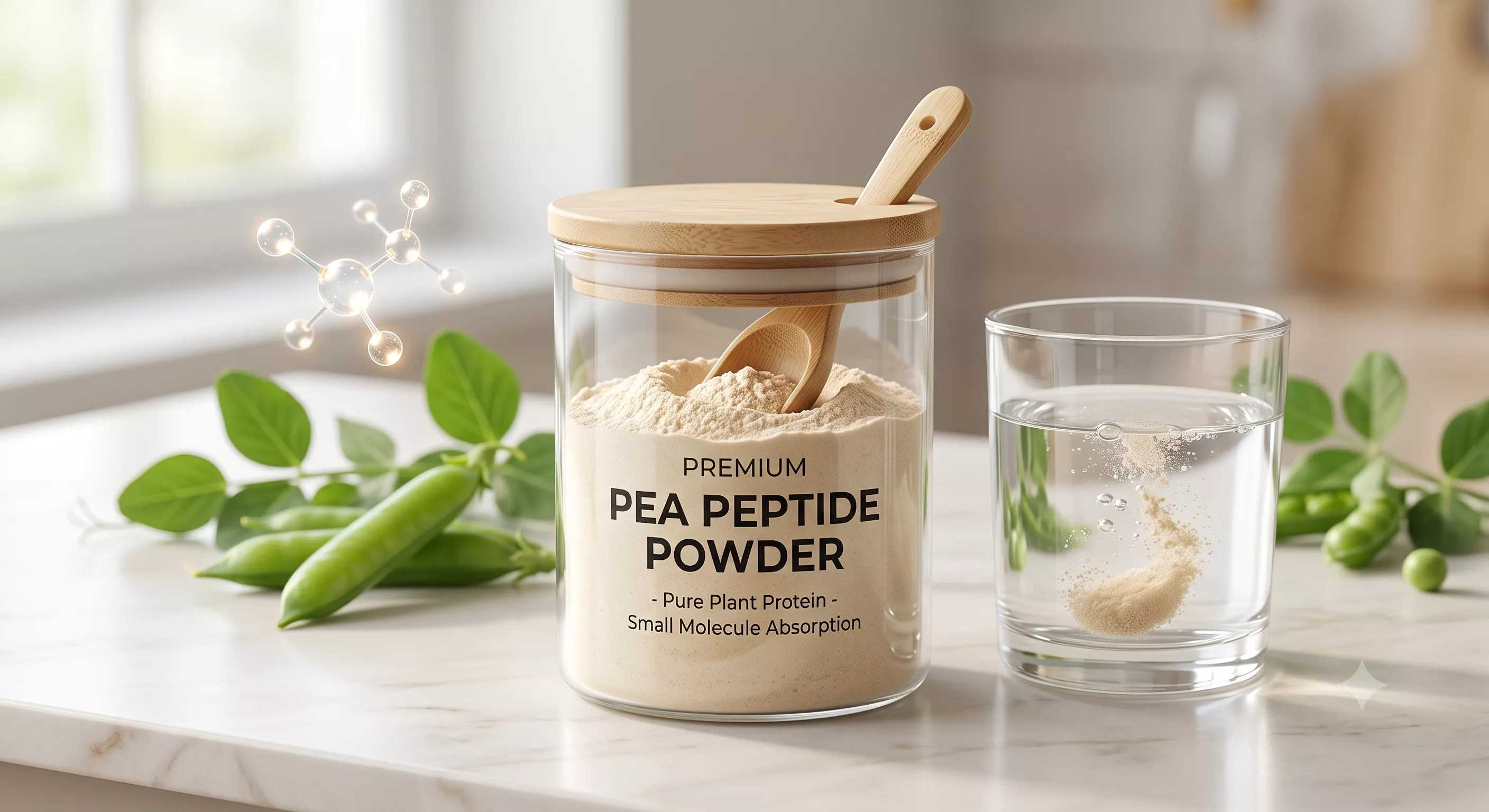
Recent studies show that pea protein peptide can support muscle growth as effectively as whey protein when intake meets daily needs. Hydrolyzed pea protein peptide offers high digestibility and is hypoallergenic. Clinical research highlights its benefits for gut health and nutrient absorption, especially in sensitive groups. Key comparison points include amino acid content, how well the body digests each protein, effectiveness for building muscle, and practical use for different diets.
Key Takeaways
Pea protein peptide can support muscle growth similarly to whey protein when daily intake meets needs.
Both protein sources are effective for muscle building, especially for those with low-protein diets.
Pea protein is easier to digest and suitable for those with dietary restrictions, making it a great alternative to whey.
Combining pea protein with other sources can enhance its amino acid profile for better muscle gains.
Timing protein intake and ensuring adequate daily amounts are key for maximizing muscle recovery and growth.
Muscle Building: Pea Protein Peptide vs. Whey Protein
Scientific Evidence on Muscle Gains
Researchers have studied how pea protein and whey protein affect muscle growth. Both protein sources can support muscle building when matched for leucine content. Many studies show that pea protein peptide and whey protein produce similar results for muscle thickness and post-workout recovery. People with low-protein diets benefit most from protein powders, while those who already eat enough protein may not see extra muscle gain.
Pea protein and whey protein yield similar muscle growth results, especially in individuals with low protein diets.
Whey protein is often seen as superior because of its amino acid profile, but recent studies show pea protein can be equally effective for muscle thickness and recovery.
Protein powders help most when diets lack enough protein.
Both pea protein and whey protein have unique amino acid profiles that influence muscle building.
Understanding these differences helps athletes optimize recovery and muscle growth.
A pilot study is underway to see if pea protein can preserve muscle mass during weight loss, just like whey protein. This research will help determine if pea protein is as effective as whey protein for preventing muscle loss in obese individuals.
Key Differences in Effectiveness
Pea protein peptide and whey protein differ in several ways that affect muscle building. Whey protein contains higher levels of methionine and leucine, which are important for muscle protein synthesis and hypertrophy. Whey is absorbed quickly, making it ideal for immediate protein synthesis after exercise. Pea protein peptide is easier on the stomach and does not contain lactose, making it a good choice for people with dietary restrictions or those who prefer plant-based options.
Pea protein contains all essential amino acids but is lower in methionine and leucine compared to whey protein.
Whey protein is absorbed faster, supporting rapid muscle protein synthesis.
Pea protein peptide is gentle on digestion and suitable for those who avoid dairy.
Both pea protein and whey protein supplementation improve muscle strength and mass when combined with resistance training.
No significant differences in muscle strength and mass outcomes have been found between pea protein and whey protein.
Participants using pea protein peptide saw a 16.1% improvement in whole-body muscle strength, while those using whey protein had an 11.1% improvement.
Both protein sources are safe and well-tolerated, making pea protein peptide a viable alternative to whey for muscle performance.
Note: Choosing between pea protein peptide and whey protein depends on individual needs, dietary preferences, and digestive comfort. Both options support muscle growth and gains when used with resistance training and proper nutrition.
Amino Acids & Muscle Protein Synthesis
Essential Amino Acids in Pea Protein
Amino acids are the building blocks of protein. They play a key role in muscle growth and recovery. Pea protein contains all essential amino acids, but it is lower in methionine and leucine compared to whey protein. This affects its ability to support muscle gain and hypertrophy on its own. The Protein Digestibility-Corrected Amino Acid Score (PDCAAS) measures how well a protein meets human amino acid needs. BEYOND BIOPHARMA’s pea protein peptide has a PDCAAS of 0.93, showing it is a high-quality plant-based protein.
Tip: Combining pea protein with other sources can help balance its amino acid profile for muscle building.
Here is a comparison of essential amino acids in whey and pea protein:
Essential Amino Acid | Whey (g per 100-g protein) | Pea (g per 100-g protein) |
|---|---|---|
Histidine | 1.98 | 2.71 |
Isoleucine | 6.20 | 4.69 |
Leucine | 11.52 | 8.07 |
Lysine | 9.98 | 7.45 |
Methionine + Cysteine | 4.61 | 3.15 |
Leucine’s Role in Muscle Growth
Leucine is a branched-chain amino acid that triggers muscle protein synthesis. It acts as a signal for muscle cells to start protein synthesis after exercise. Whey protein has more leucine than pea protein, which makes it more effective for muscle growth and recovery. Studies show that pea protein can match whey’s muscle building effects when leucine is added or total protein intake is high.
Protein Source | MPS Response | Leucine Fortification |
|---|---|---|
Pea and Soy (alone) | Not significant | No |
Pea and Soy (with L) | Comparable to Whey | Yes |
Whey | Significant increase | N/A |
Comparing Pea Protein Peptide and Whey Protein
Pea protein peptide supports muscle growth through its high peptide content. The hydrolyzed form from BEYOND BIOPHARMA contains over 80% peptides, which are absorbed quickly and activate growth-signaling pathways. Research shows that pea peptide increases IGF-1R expression and boosts muscle cell proliferation. When combined with resistance training, pea protein peptide leads to gains in muscle thickness and strength. Whey protein remains the gold standard for muscle protein synthesis due to its amino acid profile, but pea protein peptide offers a plant-based, hypoallergenic option for muscle building and recovery.
Note: Both pea protein peptide and whey protein can help athletes achieve muscle gain and strength goals, especially when used as part of a balanced diet.
Digestibility & Bioavailability of Pea Protein Peptide
Hydrolyzed Pea Protein Peptide Absorption
Hydrolyzed pea protein peptide from BEYOND BIOPHARMA uses a special enzymatic hydrolysis process. This process breaks down the dense protein molecules into smaller peptides and amino acids. These smaller pieces are easier for the body to absorb. As a result, the body can use the nutrients more quickly and efficiently. Clinical studies show that when people take pea protein with enzyme and probiotic blends, their bodies absorb more amino acids. After just 15 days of supplementation, researchers saw a clear increase in amino acid absorption. This means that high-quality pea protein can help support muscle recovery and growth.
The table below compares the digestibility and bioavailability of hydrolyzed pea protein and whey protein:
Protein Type | Digestibility Rate | Bioavailability |
|---|---|---|
Hydrolyzed Pea Protein | 94% | Lower than whey |
Whey Protein | N/A | Higher |
Whey protein usually has higher bioavailability and absorption rates than pea protein. However, the difference is small for most people. High-quality pea isolates, like those from BEYOND BIOPHARMA, offer excellent digestibility and are a strong choice for those seeking a high-quality protein.
Digestive Comfort and Gut Health Benefits
Many people choose pea protein because it is gentle on the stomach. It does not contain lactose, so it is a good option for those who are lactose intolerant. Pea protein is also free from common allergens such as dairy, gluten, and soy. This makes it suitable for people with sensitive digestion or food allergies. Research shows that pea protein tends to cause less bloating and discomfort than whey protein.
Hydrolyzed pea protein peptide also supports gut health. It acts as a prebiotic, feeding the good bacteria in the gut. This helps keep the gut microbiome balanced and healthy. Some fiber remains in the protein, which can improve digestion and regularity. Clinical findings suggest that hydrolyzed pea protein may help lower blood pressure and fight free radicals, which benefits overall gut health.
Choosing a high-quality pea protein can support both muscle growth and digestive comfort, making it a smart option for athletes and anyone focused on wellness.
Practical Considerations for Muscle Building
Allergens, Lactose, and Dietary Preferences
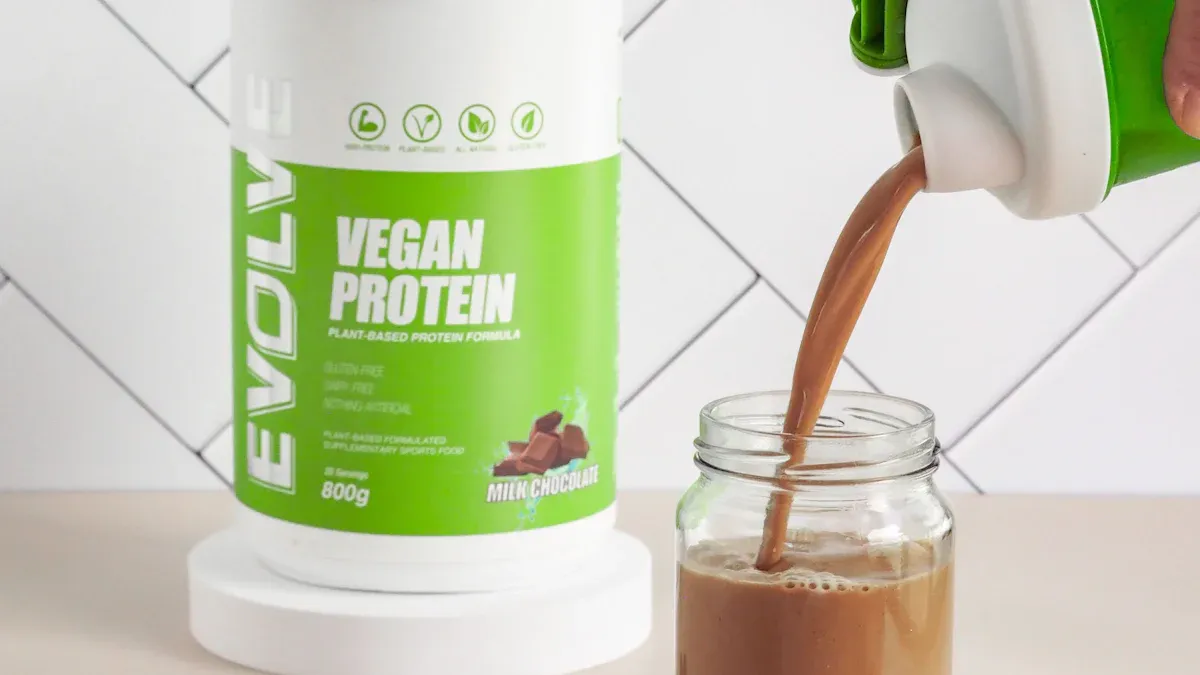
Choosing the right protein source matters for people with allergies or dietary restrictions. Whey contains dairy, which can cause problems for those with lactose intolerance or milk allergies. Pea protein is naturally free from dairy and gluten. It has a low allergenic potential, making it a safer option for sensitive individuals. BEYOND BIOPHARMA’s plant-based protein powder is derived from non-GMO yellow peas. It fits vegan, vegetarian, and plant-based diets. Many athletes and fitness enthusiasts prefer vegan protein powder to avoid animal products and support their muscle growth goals.
Derived from non-GMO yellow peas
Naturally free from dairy and gluten
Relatively low allergenic potential
The table below shows practical implications for muscle building:
Protein Source | DIAAS Score | Amino Acid Profile | Practical Implication |
|---|---|---|---|
Whey Protein | > 1.0 | Complete, matches human requirements | High digestibility, effective for muscle protein synthesis |
Pea Protein | 0.40 - 0.80 | Often limiting in essential amino acids | Requires combination with other sources for optimal use |
Pea protein supports lean muscle mass and overall strength gains. It is a good choice for those who want plant-based proteins without common allergens.
Taste, Texture, and Product Versatility
Taste and texture influence how people use protein powders. Whey usually tastes milder and dissolves smoothly in water. It mixes well in shakes and recipes. Pea protein often has a strong beany flavor and a grainy mouthfeel. It may need extra flavoring to mask its taste. BEYOND BIOPHARMA’s hydrolyzed pea protein peptide offers a neutral taste and smooth texture. This makes it easy to add to vegan yogurts, cheeses, and protein bars. Plant-based protein powder is versatile and can be used in many food products.
Aspect | Whey Protein | Pea Protein |
|---|---|---|
Taste | Generally tastes better, milder flavor | Strong beany flavor, harder to mask |
Texture | Smooth, dissolves completely | Grainy, gritty mouthfeel |
Versatility | Easier to flavor, mixes well | Requires aggressive flavoring |
Both whey and pea protein support muscle gains and post-workout recovery. People can choose based on their taste preferences, dietary needs, and muscle growth goals.
Real-World Results & Research
Studies Comparing Muscle and Strength Gains
Researchers compared pea protein and whey in a 12-week study. Participants who consumed pea protein saw a 20.2% increase in muscle thickness. The whey protein group experienced a 15.6% increase, while the placebo group had only an 8.6% gain.
Strength gains were measured as well. The pea protein group improved by 17%. The whey group showed a 17.6% increase. The placebo group saw a 13.75% improvement.
The study found that pea protein can be a viable alternative to whey for building muscle size and strength. Both groups made significant progress, and the plant-based option performed well.
These results show that pea protein can match whey in supporting muscle growth and strength gains. Athletes and fitness enthusiasts can choose either option based on their dietary needs.
Athlete and Consumer Experiences
Many athletes use whey because it helps them recover faster after workouts. Whey contains more leucine, which triggers muscle repair and growth. Some athletes prefer plant-based protein for personal or dietary reasons. Pea protein can also help build muscle if consumed in the right amount and paired with a leucine source. People who use pea protein report good results, especially when they follow a balanced diet and exercise plan. Whey may work faster, but pea protein is not less effective. Both options support muscle recovery and strength when used correctly.
Tip: Choose the protein that fits your lifestyle and goals. Both whey and plant-based proteins can help you achieve muscle gains.
Optimizing Plant Protein for Muscle Growth
Combining Pea Protein with Other Sources
Muscle building depends on getting all essential amino acids. Pea protein is a high-quality option, but it has less methionine than some other proteins. Mixing pea protein with sources like faba bean, lentils, or soy can help cover the full amino acid spectrum. This approach gives your muscles the nutrients they need for growth and recovery. Relying on a single plant-based protein may limit results, so blending different proteins is a smart strategy.
High-quality pea isolates are bioavailable and support muscle health.
Combining pea protein with other plant proteins ensures a complete amino acid profile.
A blend of pea and faba bean can optimize muscle gains.
Timing and Total Protein Intake
The timing of protein intake matters for strength and recovery. Eating a balanced meal with carbohydrates and plant-based protein before a workout fuels your body. After exercise, a meal rich in protein and carbs helps repair muscle. Spacing protein throughout the day keeps nitrogen balance positive and supports muscle synthesis.
Meal Timing | Example Foods |
|---|---|
Pre-workout | Smoothie with plant-based protein powder |
Post-workout | Chickpea salad or tofu stir-fry |
Aim for 30 to 35 grams of protein per meal. This amount helps you get enough leucine, which is important for muscle repair. Whole foods like lentils, nuts, and seitan add variety and nutrition.
Supplementation Tips
Supplements can boost muscle growth when used wisely. Plant-based protein powders are helpful, but whole foods should be the foundation of your diet. Pair pea protein with vitamin C to enhance the benefits of L-arginine and improve nitric oxide stability. Include complex carbohydrates like sweet potatoes and whole grains for energy. Unsaturated fats from avocados and nuts support overall health.
Tip: Space your protein intake throughout the day to maximize muscle gains and recovery.
Current research shows that pea protein peptide can support muscle gains similar to whey protein. Choosing the right protein depends on your needs:
Whey protein works well for fast recovery if you tolerate dairy.
Pea protein suits those with allergies or plant-based diets and helps gut health.
Budget and quality matter for both options.
Protein Source | Recommended Intake | Key Points |
|---|---|---|
Whey Protein | >0.40 g/kg after exercise | Fast muscle protein synthesis |
Pea Protein Peptide | ≥1.6 g/kg daily | Supports maximum muscle growth |
Focus on quality, dietary needs, and total protein for best results.
FAQ
Can pea protein peptide build muscle as effectively as whey protein?
Scientific studies show pea protein peptide can support muscle growth similar to whey protein when intake meets daily needs. Both options help increase muscle thickness and strength with resistance training.
Is hydrolyzed pea protein peptide suitable for people with allergies?
Hydrolyzed pea protein peptide is hypoallergenic. It does not contain dairy, gluten, or soy. This makes it a safe choice for people with food allergies or sensitive digestion.
How does pea protein peptide affect gut health?
Clinical research shows pea protein peptide acts as a prebiotic. It promotes beneficial gut bacteria and supports digestive comfort. This helps improve overall gut health and reduces inflammation.
What is the best way to use pea protein peptide for muscle growth?
Athletes should combine pea protein peptide with other plant proteins to balance amino acids. Aim for 30–35 grams per meal. Use it after workouts to support muscle recovery and growth.