PCHE vs Shell-and-Tube Heat Exchanger: Which Is Right for Your Application?
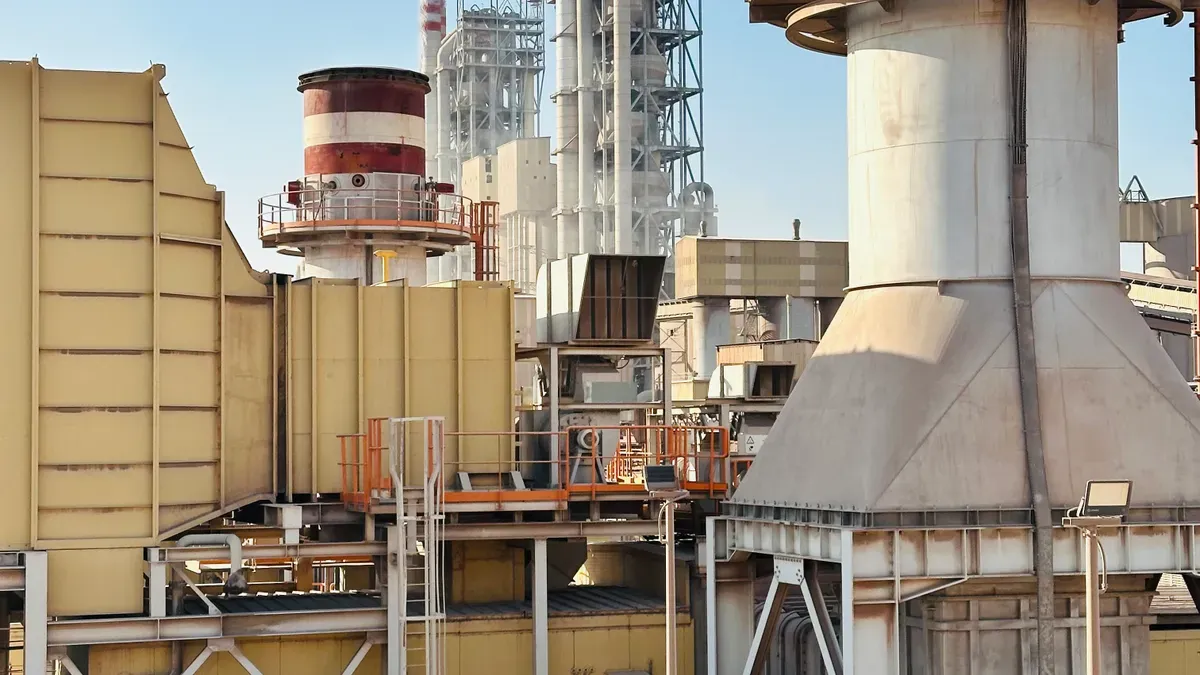
Choosing the right heat exchanger depends on your industry needs. PCHEs stand out in energy projects that demand high performance and compact heat exchanger solutions. Recent market data shows PCHEs gaining popularity in North America and Europe, especially for hydrogen and clean energy systems. SHPHE’s printed circuit heat exchanger offers advanced microchannel technology that saves space and boosts thermal efficiency. Reliability, cost, maintenance, and available space all play a role in your choice.
Key Takeaways
PCHEs offer high efficiency, compact size, and durability, making them ideal for high-pressure, high-temperature, and space-limited applications.
Shell-and-tube heat exchangers are cost-effective, easier to maintain, and better suited for traditional setups and dirty fluids.
PCHEs use advanced microchannel technology, achieving up to 98% thermal efficiency and handling extreme conditions from -196°C to 850°C.
Shell-and-tube exchangers are larger but simpler to clean, making them a practical choice for industries with fouling concerns.
Choosing the right heat exchanger depends on factors like pressure, temperature, space, and maintenance needs, with PCHEs excelling in modern, demanding environments.
Comparison Table
Main Differences
Choosing between a printed circuit heat exchanger (PCHE) and a shell-and-tube heat exchanger starts with understanding their main differences. PCHEs use microchannels etched into solid metal blocks. Shell-and-tube exchangers rely on bundles of tubes inside a shell. SHPHE’s PCHE stands out with its compact design and advanced materials like stainless steel, duplex steel, titanium, and Hastelloy. The PCHE can handle pressures up to 1000 bar and temperatures from -196°C to 850°C. Shell-and-tube exchangers usually have moderate efficiency and a larger footprint. PCHEs achieve high thermal effectiveness, often reaching up to 98%. The solid-state construction of SHPHE’s PCHE offers excellent durability and resistance to corrosion.
Tip: PCHEs are ideal for tight spaces and demanding conditions. Shell-and-tube exchangers work well in traditional setups where space is not a concern.
Quick Reference
Below is a quick comparison table that highlights the key differences between PCHE and shell-and-tube heat exchangers:
Factor | Shell-and-Tube Heat Exchanger | SHPHE Printed Circuit Heat Exchanger (PCHE) |
|---|---|---|
Heat Transfer Efficiency | Moderate | High (up to 98%) |
Footprint | Large | Small |
Pressure Handling | High | Ultra-High (up to 1000 bar) |
Temperature Range | Wide | Ultra-Wide (-196°C to 850°C) |
Construction | Tubes and Shell | Solid-State Microchannels |
Materials | Steel, Copper | Stainless, Duplex, Titanium, Hastelloy |
Durability | Good | Exceptional |
Maintenance | Easy Cleaning | Minimal Required |
PCHEs offer superior efficiency and space saving.
Shell-and-tube exchangers are easier to clean and maintain.
SHPHE’s PCHE is best for high-pressure, high-temperature, and space-limited applications.
This table helps you quickly see which heat exchanger fits your needs. SHPHE’s PCHE delivers advanced performance for modern industry challenges.
Compact Heat Exchanger Advantages
Efficiency and Space Saving
A compact heat exchanger offers major benefits for industries that need high performance in limited space. PCHEs, like those from SHPHE, use a compact design that fits into tight areas where traditional equipment cannot go. Many engineers choose a compact heat exchanger for offshore platforms, LNG plants, and energy systems.
PCHEs are much smaller and lighter than shell-and-tube exchangers. They often weigh less than 20% of a traditional unit.
These exchangers deliver equal or better heat transfer efficiency while using only a small part of the available space.
The microchannel structure creates strong turbulence. This boosts the rate of heat transfer, making it 2 to 5 times higher than older designs.
In one LNG plant, switching to a compact heat exchanger reduced plot space by 60% and improved thermal efficiency by 30%.
A compact heat exchanger helps companies save on installation costs and frees up valuable floor space. This makes it easier to add new equipment or expand operations.
Durability and Materials
SHPHE’s compact heat exchanger stands out for its solid construction and advanced materials. The PCHE uses a block of metal with thousands of tiny channels etched inside. These channels are stacked and bonded together, forming a leak-proof structure.
Advantage | Description |
|---|---|
Thermal Effectiveness | Achieves approach temperatures of 3-5°C (5-10°F), outperforming shell-and-tube designs. |
Compact Footprint | 5-10 times smaller than equivalent shell-and-tube exchangers for similar duty. |
High Pressure Capability | Rated for 150 bar (2175 psi) and commonly used in gas processing at over 100 bar. |
No Internal Gaskets | Features metallurgical bonds, eliminating leak paths during thermal cycling. |
Custom Channel Patterns | Allows optimization for various service types through an etching process. |
SHPHE offers a range of materials, such as stainless steel, duplex steel, titanium, and Hastelloy. These materials resist corrosion and handle extreme temperatures. The solid-state design means there are no gaskets or welds inside, so the compact heat exchanger can work under high pressure and temperature without leaks. This durability makes it a smart choice for critical jobs in energy, chemical, and offshore industries.
Note: A compact heat exchanger from SHPHE combines advanced engineering with strong materials to deliver reliable performance in the toughest environments.
Application Suitability
High-Pressure and Temperature
Many industries require equipment that can handle high temperature and pressure. Printed circuit heat exchangers are a top choice for these conditions. Their solid-state design and microchannel structure allow them to work in very-high-temperature gas-cooled reactors and other extreme environments. For example, SHPHE PCHEs can operate at pressures up to 1000 bar and temperatures from -196°C to 850°C. This makes them ideal for demanding energy projects, such as LNG processing, offshore gas compression, and supercritical CO₂ systems.
Shell and tube heat exchangers also perform well in high temperature and pressure applications. They are common in oil and gas, power generation, and chemical processing. Their robust design supports high-pressure steam and oil flows. However, PCHEs offer a more compact solution with higher efficiency for the same duty.
Feature/Industry | Shell and Tube Heat Exchanger | SHPHE Printed Circuit Heat Exchanger |
|---|---|---|
Key Features | Robust, reliable | Ultra-compact, high efficiency |
Pressure/Temp | High | Ultra-high (up to 1000 bar, 850°C) |
Typical Use | Oil & Gas, Power, Chemical | LNG, Offshore, Supercritical CO₂ |
Space-Constrained Installations
Space is often limited in modern industrial plants, offshore platforms, and energy facilities. A compact heat exchanger can solve this problem. PCHEs feature an ultra-compact structure that reduces installation space by up to 80% compared to traditional units. Their footprint is as little as one-sixth that of a shell and tube heat exchanger. This makes them perfect for applications where every square meter counts.
PCHEs are ideal for offshore platforms, floating LNG units, and modular chemical plants.
Microchannel heat exchangers fit into tight spaces and allow for flexible plant layouts.
Companies can expand or upgrade systems without major changes to existing infrastructure.
Heat Exchanger Type | Heat Exchange Area (m²/m³) | Size Reduction Factor |
|---|---|---|
PCHE | 300 | 6 or more |
Shell-and-Tube | 100 | 1 |
Note: SHPHE PCHEs help engineers design efficient systems even in the most space-constrained environments.
Cost-Sensitive Needs
Cost is a key factor in every application. Shell and tube heat exchangers are often chosen for projects with tight budgets. They have a simple design and are easy to manufacture. Many chemical plants use them for condensers, reboilers, heaters, and coolers. Their maintenance is straightforward, which helps control long-term costs.
PCHEs may have a higher initial investment, but they offer savings over time. Their high efficiency reduces energy use. Their solid-state construction means fewer repairs and less downtime. For applications that demand long-term reliability and low operating costs, PCHEs from SHPHE provide a strong value.
Maintenance and Reliability
Maintenance and reliability are important in every industry. Shell and tube heat exchangers are known for easy cleaning and simple repairs. Their design allows for quick access to tubes and shells. This makes them a popular choice in chemical plants and HVAC systems.
PCHEs, especially those from SHPHE, offer a different kind of reliability. Their solid-state block has no gaskets or internal welds. This reduces the risk of leaks and failures. The advanced materials used in SHPHE PCHEs resist corrosion and thermal shock. As a result, these units require less maintenance and deliver consistent performance in critical applications.
Tip: For applications where downtime is costly or dangerous, a PCHE offers peace of mind with its robust, low-maintenance design.
Performance Factors
Heat Transfer and Pressure Drop
Heat transfer is a key factor when choosing a heat exchanger. PCHEs use microchannels to create strong turbulence. This increases heat transfer between fluids. The design allows for high efficiency, often reaching up to 98%. Shell and tube heat exchanger relies on bundles of tubes. These tubes provide good heat transfer but usually less efficiency than PCHEs. Pressure drop measures how much resistance the fluids face as they move through the exchanger. PCHEs have a compact layout, which can lead to higher pressure drops. Engineers often balance heat transfer and pressure drop to get the best performance. SHPHE PCHEs optimize microchannel patterns to reduce resistance while keeping high efficiency.
Tip: High heat transfer means better energy savings. Lower pressure drop helps reduce pumping costs.
Temperature Range
Temperature range shows how well a heat exchanger works in different conditions. PCHEs handle extreme temperatures, from -196°C to 850°C. This wide range makes them suitable for cryogenic and high-temperature applications. Shell and tube heat exchanger also works across a wide range, but PCHEs offer more flexibility. The solid-state block in SHPHE PCHEs resists thermal shock. This means the unit stays reliable even when temperatures change quickly.
Heat Exchanger Type | Temperature Range (°C) | Thermal Shock Resistance |
|---|---|---|
PCHE | -196 to 850 | Excellent |
Shell-and-Tube | -100 to 600 | Good |
Mechanical Strength
Mechanical strength is important for durability and safety. PCHEs use diffusion bonding to create a solid block. This gives the unit high mechanical strength and resistance to pressure fatigue. The design allows PCHEs to handle pressures up to 1000 bar. Shell and tube heat exchanger uses welded tubes and shells. This provides good strength but less than a solid-state block. SHPHE PCHEs use premium materials like stainless steel and titanium. These materials help the unit resist corrosion and last longer. Less maintenance is needed because the structure has no gaskets or internal welds.
Note: Strong mechanical design means fewer failures and longer service life.
Cost and Maintenance
Initial Investment
The initial investment for a printed circuit heat exchanger is higher than for a shell and tube heat exchanger. This difference comes from the advanced manufacturing steps needed for PCHEs. These steps include diffusion bonding and precision machining. Skilled workers and special equipment are required. The use of high-grade metals, such as stainless steel and titanium, also adds to the cost. Many companies choose shell and tube designs for projects with tight budgets because they are easier and less expensive to produce.
Operating Costs
Over time, operating costs can make a big difference in the total cost of ownership. PCHEs offer high thermal efficiency, which helps lower energy bills. Their compact size means less space is needed, which can reduce building and installation costs. The solid-state design of a PCHE also means fewer leaks and less downtime. Shell and tube heat exchangers may have lower initial costs, but they can require more energy to reach the same level of performance.
Maintenance Needs
Maintenance is important for keeping any heat exchanger running well. The table below shows common maintenance activities and their cost impacts for both types.
Maintenance Activity | Description | Cost Implications |
|---|---|---|
Regular Maintenance | Needed to keep high efficiency; includes scheduled overhauls. | Labor and materials costs. |
Fouling Prevention | Use of chemicals to stop buildup inside the unit. | Can be a cost-effective solution. |
Overhaul Procedures | Ranges from flushing to removing tube bundles for cleaning. | Downtime and repair labor costs. |
Safety Considerations | Design must protect against high pressures and hazardous fluids. | Compliance with safety rules adds costs. |
Minimum Flow Rate Considerations | Important for good operation over the unit’s lifetime. | May affect design and running costs. |
A PCHE from SHPHE stands out for its solid-state durability. It has no gaskets or internal welds, which means fewer leaks and less need for repairs. Shell and tube heat exchangers are easier to clean, which can be helpful in industries where fouling is common.
Note: Choosing the right heat exchanger depends on balancing upfront costs, energy savings, and maintenance needs over time.
Industry Examples
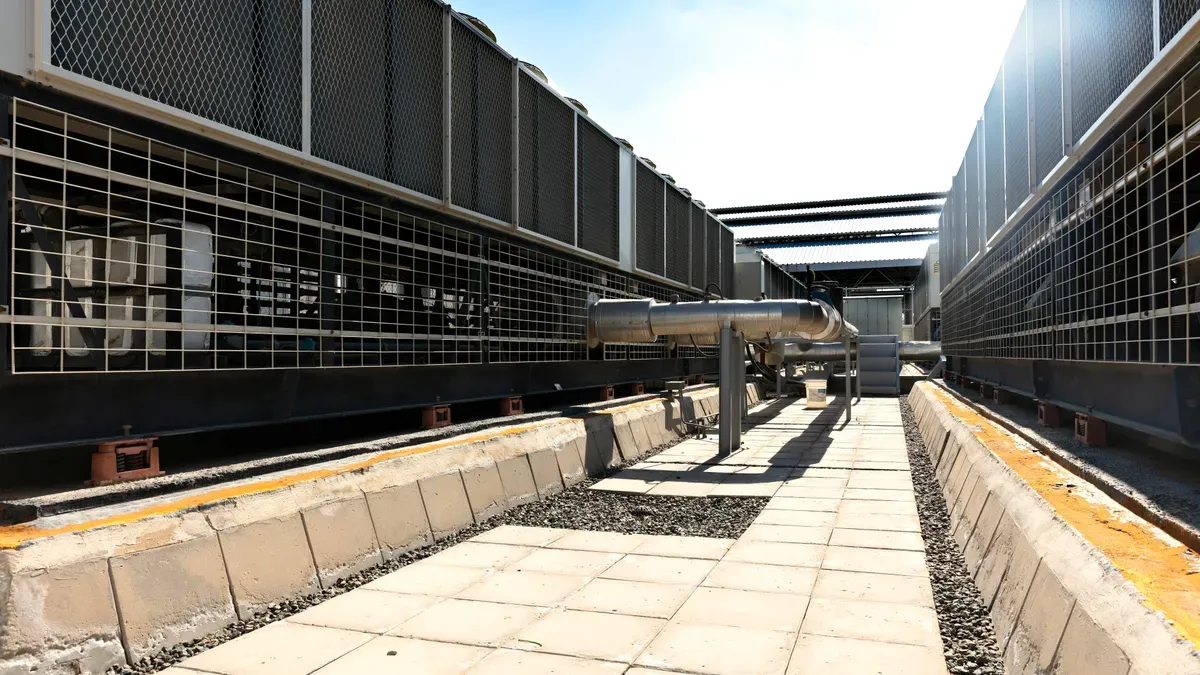
Energy and LNG
Many energy projects need reliable heat exchanger solutions. Printed circuit heat exchangers have become popular in LNG vaporizers, offshore platforms, and supercritical CO₂ systems. These applications demand high pressure and temperature performance. SHPHE PCHEs are often chosen for their compact size and strong durability.
Hydrogen vehicle fueling stations also use these exchangers. They need to handle rapid temperature changes and high pressures. The solid-state design of SHPHE PCHEs helps keep these stations safe and efficient.
The table below shows how printed circuit heat exchangers perform in different energy and LNG applications:
Application Area | Performance Metrics | Reference |
|---|---|---|
Sodium and sCO₂ as working fluids | Thermal-hydraulic performance | |
Supercritical LNG | Thermal-hydraulic performance under rolling conditions | |
Sodium cooled Fast Reactors (SFRs) | Evaluation of thermal-hydraulic performance and economics |
Note: These applications show how PCHEs support safe and efficient energy transfer, even in harsh environments.
Chemical and General Industry
Chemical plants use heat exchangers for many applications. They help with cooling, heating, and condensing fluids. Shell-and-tube exchangers are common in these settings. They are easy to clean and maintain.
Printed circuit heat exchangers are now used in more chemical applications. Their compact design fits well in crowded plants. They also resist corrosion from harsh chemicals. SHPHE PCHEs are found in hydrogen vehicle fueling stations, where they support fast and reliable fueling. These exchangers also work in general industry applications, such as air separation and gas processing.
Many companies choose PCHEs for new applications that need high efficiency and small size.
Shell-and-tube exchangers remain a good choice for traditional applications with lower pressure needs.
Tip: Matching the right heat exchanger to each application improves safety, saves space, and boosts process efficiency.
Application Decision Checklist
Matching Needs to Exchanger Type
Selecting the right heat exchanger for your project starts with understanding your process needs. Each application has unique requirements. The table below summarizes the main decision points. It shows when a PCHE or a shell-and-tube design is the better choice.
Parameter | Best for PCHE | Use Caution with PCHE |
|---|---|---|
Pressure | Above 50 bar | Below 10 bar |
Temperature Approach | Less than 10°C needed | More than 30°C |
Fouling Potential | Clean fluids, single-phase gas | Dirty fluids, heavy oils |
Flow Stability | Steady-state flow | Frequent cycling or recycle loops |
Space Constraints | Offshore, skids, tight spaces | Large onshore plants |
Cycle Frequency | Base-load, few startups | Daily startups or cycling |
Fluid Compatibility | H₂, CO₂, clean hydrocarbons | H₂S over 2%, strong acids |
Tip: If your process needs high pressure, tight temperature control, and clean fluids, a PCHE is often the best fit. For dirty fluids or frequent cycling, a shell-and-tube design may be more practical.
Selection Flowchart
A simple flowchart can help you match your needs to the right heat exchanger type. Follow the steps below to guide your decision:
Is your system pressure above 50 bar?
Yes → Go to Step 2.
No → Shell-and-tube is likely more cost-effective.
Do you need a temperature approach below 10°C?
Yes → Go to Step 3.
No → Shell-and-tube may be sufficient.
Are your fluids clean and mostly single-phase?
Yes → Go to Step 4.
No → Shell-and-tube is better for dirty or fouling fluids.
Is installation space limited (offshore, skid, or modular plant)?
Yes → PCHE is recommended.
No → Both types may work; consider other factors.
Does your process run steady, with few startups or shutdowns?
Yes → PCHE offers high reliability and efficiency.
No → Shell-and-tube may handle cycling better.
📝 Note: Review your answers. If you answered "Yes" to most steps, a PCHE like the SHPHE model is likely the best choice. If you answered "No" more often, a shell-and-tube design may suit your needs.
This checklist helps engineers and plant managers make informed choices. The right heat exchanger improves safety, saves space, and boosts process efficiency.
Choosing the right heat exchanger depends on your project’s needs. PCHEs offer high efficiency, strong mechanical integrity, and compact size. Shell-and-tube exchangers provide easy maintenance and lower initial costs. Studies show that PCHEs with S-shaped fins improve heat transfer and reduce pressure drops. SHPHE PCHE stands out for its advanced materials and custom designs.
PCHEs excel in high-pressure, high-temperature, and space-limited applications.
Shell-and-tube exchangers suit traditional setups and dirty fluids.
Feature | Description |
|---|---|
Material Selection | Uses stainless steel or nickel alloys for durability. |
Structural Fatigue Resistance | Diffusion bonding ensures long fatigue life under pressure cycles. |
Design Pressure & Temperature | Handles up to 100 MPa and 850°C, leading the industry. |
Customization Services | Offers tailored channel designs for optimal performance. |
For demanding environments, SHPHE PCHE delivers reliable, efficient, and compact heat exchange solutions. Select the exchanger that matches your process for the best results.
FAQ
What makes a printed circuit heat exchanger more efficient than a shell-and-tube design?
A printed circuit heat exchanger uses microchannels to maximize heat transfer. The compact structure increases the surface area for transfer. This design allows for rapid energy transfer between fluids, making the process more efficient and saving space.
How does a heat exchanger handle a large temperature differential?
A heat exchanger manages a large temperature differential by using materials that resist thermal shock. The transfer of energy happens across a solid surface. This ensures that fluids with different temperatures can exchange heat safely and efficiently.
Can printed circuit heat exchangers work with different types of fluid?
Printed circuit heat exchangers can handle many types of fluid. The microchannel design allows for transfer between gases and liquids. Engineers can customize the surface and channel patterns to match the fluid properties and optimize transfer.
Why is surface area important in heat transfer?
Surface area affects how much energy can transfer between fluids. A larger surface allows more transfer. Printed circuit heat exchangers increase surface area with microchannels. This boosts transfer rates and makes the process more efficient.
What industries use printed circuit heat exchangers for fluid transfer?
Industries such as LNG, hydrogen fueling, and offshore energy rely on printed circuit heat exchangers. These units provide efficient transfer for fluids under high pressure. The design supports safe and reliable transfer in demanding environments.
Tip: Always match the heat exchanger to your fluid type and transfer needs for best results.