Beginner’s Handbook for Decentralized Wastewater Solutions with Packaged Sewage Treatment Plants
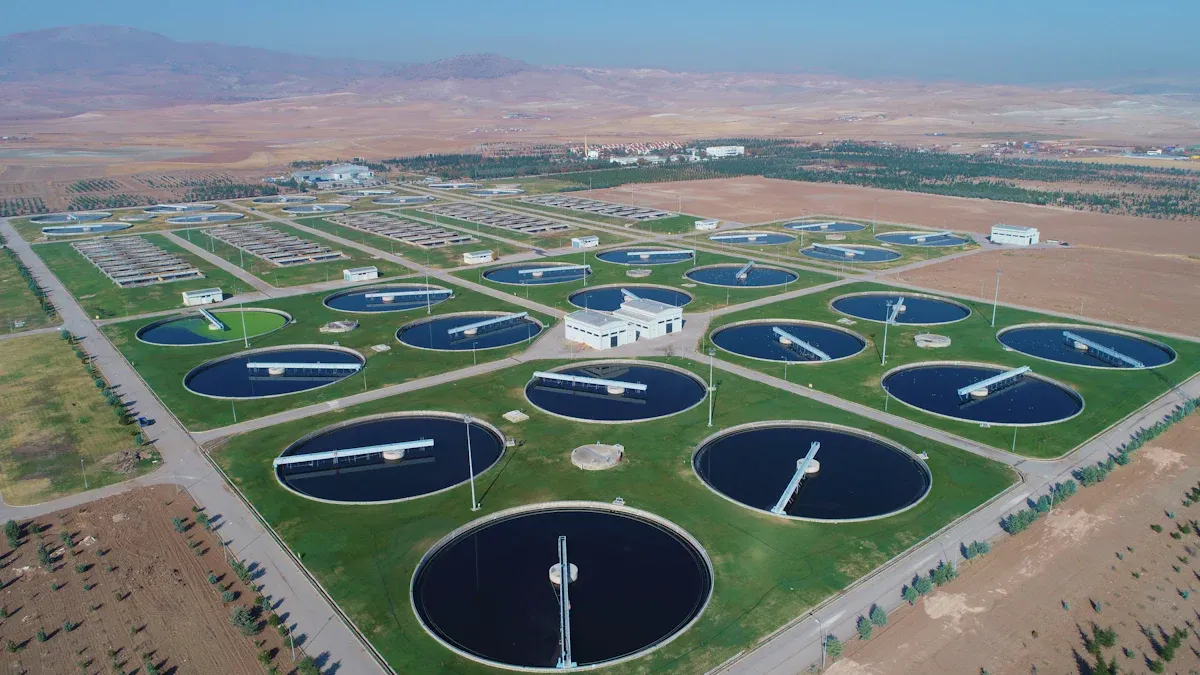
You can manage wastewater on-site with a packaged sewage treatment plant. These systems use compact technology to clean water where you need it.
- The global market for packaged sewage treatment plants grows at a rate of 5.4% each year from 2024 to 2032.
Key Takeaways
- Decentralized wastewater systems save money by reducing the need for extensive infrastructure. They are often more cost-effective for small communities and remote areas.
- Packaged sewage treatment plants offer flexibility. You can start small and expand as your needs grow, making them suitable for various environments.
- Modern technology in these systems enhances energy efficiency. Features like biogas capture and AI optimization help lower operational costs and environmental impact.
Centralized vs. Decentralized Wastewater Systems
Key Differences
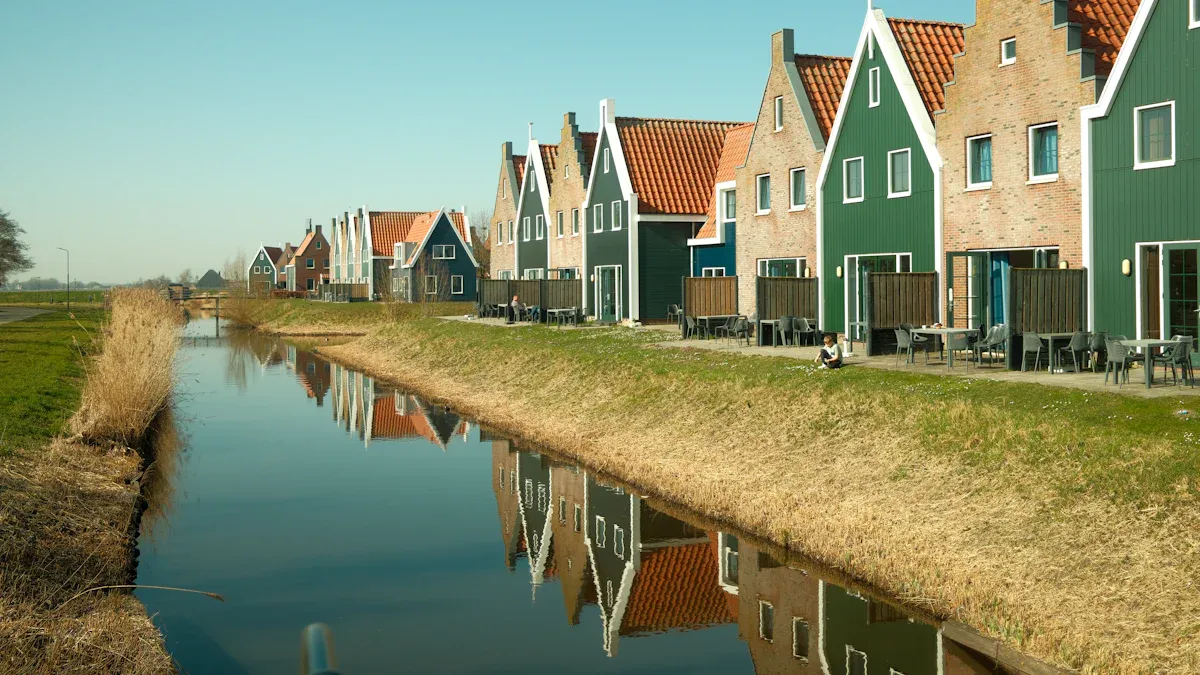
When you compare centralized and decentralized wastewater systems, you notice some important differences. Centralized systems treat wastewater from large areas in one big plant. Decentralized systems use smaller plants that serve local areas. You often see decentralized systems in places where building long pipes is hard or expensive.
| Feature | Centralized Systems | Decentralized Systems |
|---|---|---|
| Scale | Large-scale plants serving extensive areas | Smaller plants serving localized areas |
| Infrastructure Requirements | More extensive infrastructure needed | Often requires less infrastructure |
| Cost-effectiveness | May be less cost-effective in challenging terrains | Can be more cost-effective in rapidly developing regions |
Cost and Efficiency Comparison
You need to think about both installation and maintenance costs. Centralized systems require a lot of pipes, pumps, and big treatment plants. This makes the upfront cost high. Decentralized systems need less infrastructure, so you spend less at the start. Maintenance for centralized systems can take up half of the yearly expenses, but these costs may go down over time. Decentralized systems usually have lower energy costs and flexible maintenance needs.
| System Type | Installation Costs | Maintenance Costs |
|---|---|---|
| Centralized | High (due to extensive infrastructure) | 50% of total annual expenses, may decrease over time |
| Decentralized | Low (minimal infrastructure needed) | Varies, generally lower energy costs |
💡 Tip: If you want to save money on installation, a decentralized system might be the better choice.
Suitability for Different Environments
You should match the system to your environment. Decentralized systems work well for small communities, remote areas, or places with tough terrain. Centralized systems fit large cities with flat land and strong funding. Population size, land shape, and money all play a role in your decision.
| Factor | Description |
|---|---|
| Population Density | Smaller communities often use decentralized systems. |
| Terrain | Hilly or remote areas benefit from less piping. |
| Funding Availability | Limited funding makes decentralized systems more attractive. |
Packaged Sewage Treatment Plant Features
Modularity and Scalability
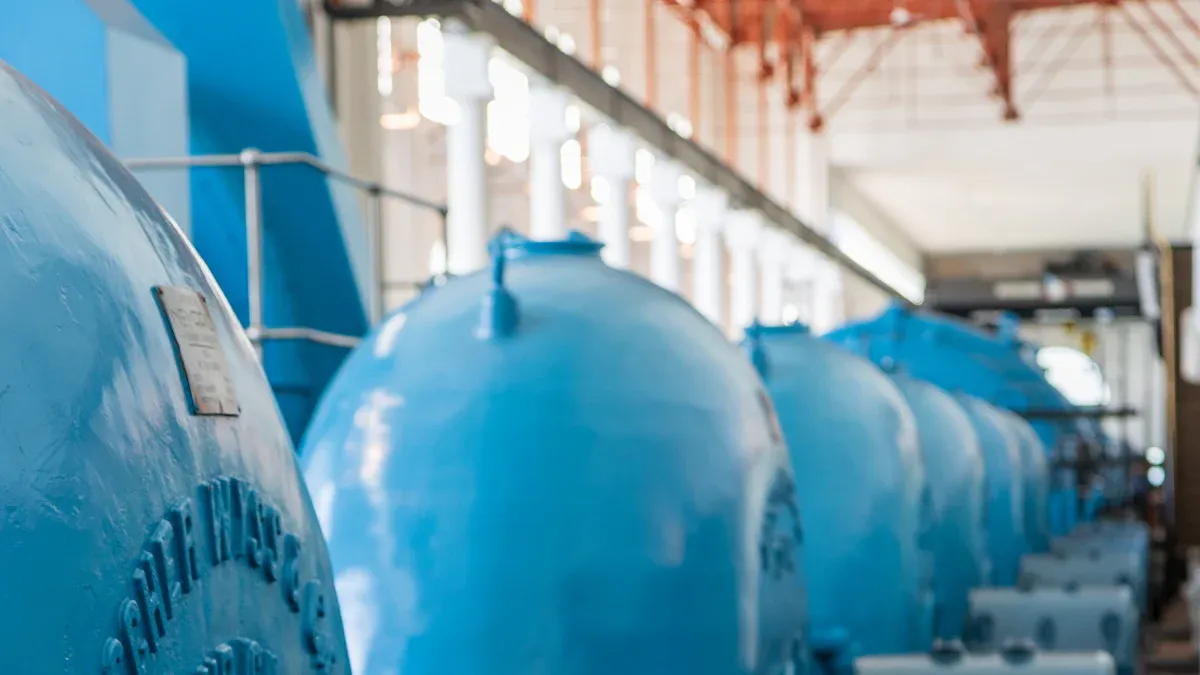
You can choose a packaged sewage treatment plant that fits your needs today and grows with you tomorrow. These systems use modular designs, so you can add or remove units as your community or business changes. You do not need to buy a huge system right away. Instead, you can start small and expand later. This flexibility helps you save money and space.
Here are some common modular configurations you might see:
| Configuration Type | Description |
|---|---|
| Complete Mix-Activated Sludge | Uses continuous biological treatment for steady wastewater flow. |
| Sequencing Batch Reactor (SBR) | Treats wastewater in batches, giving you more control over the process. |
| Membrane Bioreactor (MBR) | Combines biological treatment with special filters for very clean water. |
| Portable Rectangular Design | Easy-to-move units that you can set up quickly. |
| Circular Field Erected Design | Larger systems built on-site for bigger needs. |
- Modular systems let you:
- Tailor the plant to your exact needs.
- Assemble units on-site for easy customization.
- Upgrade or expand with little disruption.
🛠️ Tip: If your population or business grows, you can add more modules to your packaged sewage treatment plant without starting from scratch.
Energy Efficiency
You want a system that saves energy and lowers costs. Modern packaged sewage treatment plants use smart technology to do just that. Some systems capture biogas from waste and turn it into power. This process cuts down on your energy bills and helps the environment. Other plants use AI in their control systems to make sure everything runs as efficiently as possible.
| Technology | Description |
|---|---|
| Energy-efficient systems | Capture biogas from waste to generate power and reduce costs. |
| AI in SCADA systems | Use smart algorithms to optimize treatment and save energy. |
These features help you meet environmental standards and keep your operation green.
Ease of Installation and Operation
You do not need to worry about a long or difficult setup. A packaged sewage treatment plant comes pre-assembled and ready for quick installation. You just need to prepare the site, connect the utilities, and start the system. Most units arrive ready to use, so you can get up and running fast.
Here is a simple step-by-step process:
- Choose and prepare your site.
- Receive and place the treatment units.
- Connect the system to power.
- Attach the plumbing for water in and out.
Once installed, you will find that these plants are easy to operate. Regular tasks include checking water quality, adjusting chemicals, and cleaning parts. You do not need a large team to keep things running smoothly. Many systems even have monitoring tools that help you stay on top of maintenance.
💡 Note: Packaged sewage treatment plants are cost-effective, easy to transport, and require low maintenance. They work well for land development, small communities, mobile home parks, and industrial sites.
Benefits of Decentralized Wastewater Solutions
Environmental Impact
You help the environment when you choose decentralized wastewater solutions. These systems treat water close to where you use it. This reduces the risk of untreated water entering rivers or lakes. You also use less energy because water does not travel far. Many systems let you reuse treated water for things like watering plants or cleaning.
| Environmental Benefit | Description |
|---|---|
| Reduced Energy Requirements | Uses less energy, which lowers costs and your carbon footprint. |
| Improved Water Quality | Treats water near the source, so less pollution reaches the environment. |
| Facilitation of Local Water Reuse | Lets you reuse water for non-drinking purposes, saving fresh water. |
🌱 By using a packaged sewage treatment plant, you support cleaner water and a healthier planet.
Cost Savings
You save money with decentralized systems. You do not need to build long pipes or big pumping stations. This means lower costs for both building and running the system. You also spend less on energy because water travels shorter distances. Over ten years, you can see big savings.
- You avoid high costs for pipes and pumps.
- You pay less for energy and daily operations.
- You can install systems faster, which saves time and money.
💡 Decentralized systems often have easier rules to follow, so you spend less on paperwork and permits.
Flexibility and Adaptability
You get more control with decentralized wastewater solutions. These systems grow with your needs. If your community or business gets bigger, you can add more units. You do not need to replace the whole system. The modular design makes it easy to expand or change.
- Build in stages as your needs grow.
- Add more treatment units when your population increases.
- Adjust the system quickly for new demands.
You can use a packaged sewage treatment plant in many places, from small towns to growing cities. This flexibility helps you handle changes without big delays or costs.
Real-World Case Studies with Packaged Sewage Treatment Plants
Small Community Applications
You can see how a packaged sewage treatment plant helps small communities solve wastewater problems. Many towns face challenges when they try to use these systems. You may notice high operator turnover, limited technical skills, and strict rules that make it hard to use new technology. Financial issues also play a big role. The table below shows some common challenges:
| Challenge Type | Description |
|---|---|
| Technical Barriers | High operator turnover and limited technical expertise in operation and maintenance. |
| Financial Constraints | Limited financial capacity for operation and maintenance. |
| Regulatory Issues | Inflexible codes that hinder new nonconventional systems. |
When you understand these challenges, you can plan better and find solutions that fit your community.
Remote Business Solutions
If you run a business in a remote area, you benefit from decentralized wastewater systems. You spend less on infrastructure because installation is easier. You can expand your system as your business grows. You also save money on energy and maintenance. Here are some advantages:
- Lower initial costs and easier installation.
- Modular systems let you grow as needed.
- Energy-efficient design reduces expenses.
- Quick setup helps you start operations faster.
- Local maintenance means less need for outside help.
- Better disaster preparedness keeps your business running.
Urban Decentralized Projects
You find packaged sewage treatment plants in many urban projects. These systems work well for housing developments, mobile home parks, schools, and government buildings. You also see them at manufacturing sites and recreational areas. Common technologies include extended aeration, sequencing batch reactors, membrane bioreactors, and advanced nutrient removal. These options help cities treat wastewater efficiently and meet strict standards.
Step-by-Step Guide to Implementing a Packaged Sewage Treatment Plant
Assessing Your Wastewater Needs
You need to start by understanding your current wastewater situation. This step helps you make smart decisions and avoid problems later. Here is a simple process you can follow:
- Gather your team and talk about your wastewater system. Look at what you have now and what you need.
- Find areas where your system does not work well or where you have concerns.
- Check if you are missing any important information. Make a plan to fill those gaps.
- Think about people in your community who may have trouble getting good wastewater services.
- Look at special challenges, like serving tribal lands or dealing with climate change.
- Decide what counts as a failing or risky system in your area.
- Estimate how much it will cost to fix or improve your system.
📝 Tip: Involving everyone who uses the system helps you spot problems early and find the best solutions.
Selecting the Right Packaged Sewage Treatment Plant
You want a system that fits your site and meets your needs. When you choose a packaged sewage treatment plant, consider these important points:
- Make sure the system follows all local and national rules.
- Pick a spot that will not harm the environment.
- Place the plant close to where the wastewater comes from.
- Check if you can safely release treated water nearby.
- Stay away from wetlands, high water tables, and sensitive areas.
- Follow local zoning laws.
- Leave space for future growth or upgrades.
You also need to think about how you will use the system. For example, a restaurant needs a stronger system than a small office. The number of people using the system changes the size and design you need. Always match the plant to your real needs.
⚡ Note: Choosing the right system now saves you money and trouble in the future.
Planning, Funding, and Permitting
You must plan carefully before you start building. Good planning helps you avoid delays and extra costs. You need to secure funding and get the right permits. Here are some common ways to pay for your project:
- Share costs among everyone who benefits from the system.
- Use microfinance to get small loans for installation or maintenance.
- Work with lease finance companies for flexible payment options.
- Apply for government help or subsidies.
You also need to get permits from local authorities. These permits make sure your system is safe and legal. Start this process early, as it can take time.
💡 Tip: Ask your local government about special programs or grants for wastewater projects.
Installation and Ongoing Maintenance
You can install a packaged sewage treatment plant quickly if you prepare well. Follow these steps for a smooth setup:
- Prepare the site and make sure it is level and safe.
- Place the treatment units in the right spots.
- Connect the system to power and water lines.
- Test the system before you start using it.
After installation, you need to keep the system running well. Regular maintenance keeps your plant safe and efficient. Here is a table to help you plan your maintenance:
| Maintenance Task | Residential Systems | Industrial Systems |
|---|---|---|
| Inspect tanks | Yearly | N/A |
| Pump out solids | Every 3-5 years | N/A |
| Avoid flushing non-biodegradable items | Always | N/A |
| Daily monitoring of water quality | N/A | Daily |
| Regular cleaning of filters and screens | N/A | Regularly |
| Scheduled equipment upgrades | N/A | Scheduled |
| Operator training | Beneficial | Beneficial |
| Proper sludge management | Important | Important |
You may face some common problems after installation. In homes, you might see clogs if people flush the wrong things. In factories, special chemicals or oils can cause trouble. You can prevent most issues by following the maintenance schedule and training your team.
🛠️ Alert: Never flush non-biodegradable items or harsh chemicals. These can damage your system and cause expensive repairs.
You can save money and energy with decentralized wastewater solutions. These systems adapt to your needs and work well in many places. Community involvement makes them successful. New technology will make them even better.
| Key Insights | Description |
|---|---|
| Cost-effectiveness | You reduce costs by treating water close to its source. |
| Flexibility | You can adjust systems for different environments and needs. |
| Future Trends | Advanced technology will improve treatment and efficiency. |
FAQ
What is a packaged sewage treatment plant?
You use a packaged sewage treatment plant to clean wastewater on-site. The system arrives ready to install and works for homes, businesses, or small communities.
How often should you maintain your packaged sewage treatment plant?
You should check your system monthly. Clean filters and screens regularly. Pump out solids every three to five years for residential use.
🛠️ Tip: Regular maintenance helps your system run smoothly and prevents costly repairs.
Can you reuse water from a packaged sewage treatment plant?
You can reuse treated water for irrigation, cleaning, or flushing toilets. Always follow local rules before using recycled water.
See Also
Exploring Semi-welded Plate Heat Exchangers for Industry in 2025
Reducing Environmental Impact Using Plate Heat Exchangers
Benefits of Selecting a Self-Priming Water Pump for Systems
Innovative Materials Transforming the Heat Exchanger Industry