What Is a Package Sewage Treatment Plant and Its Benefits
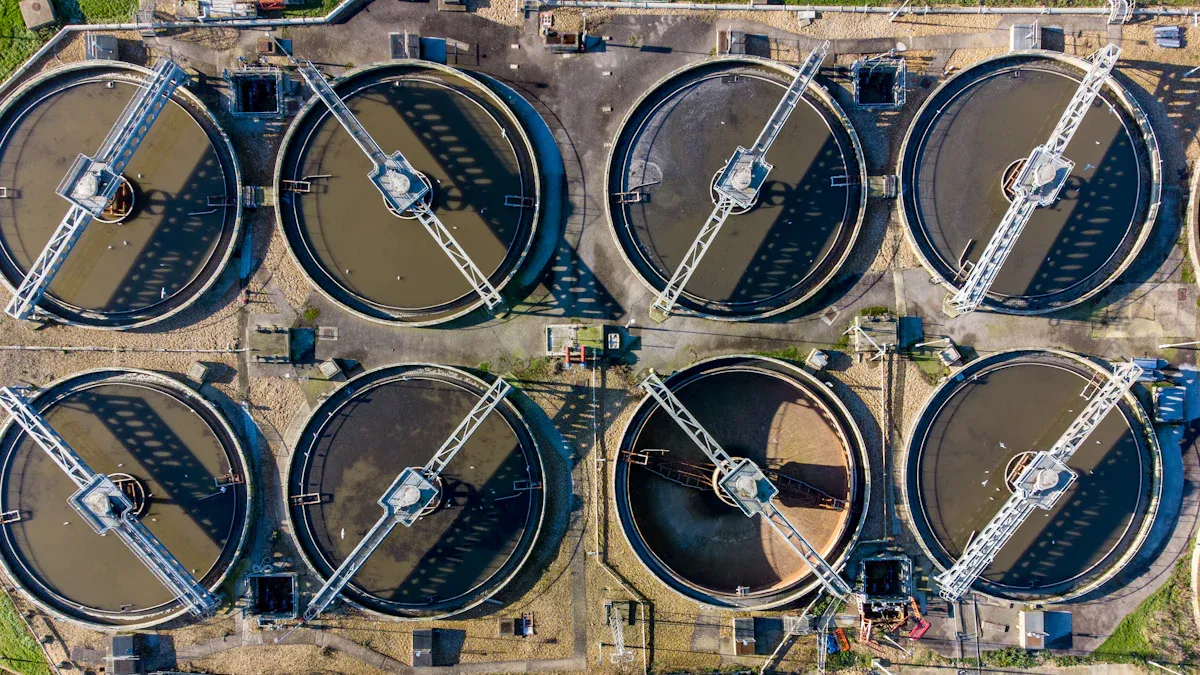
A package sewage treatment plant gives you a simple way to treat wastewater. You get a pre-assembled, plug-and-play system with features like settlement, biological treatment, and sludge storage. This solution helps you manage sewage safely. In 2024, the global market size reached $40,320 million, showing strong adoption.
Key Takeaways
- A package sewage treatment plant offers a compact and efficient way to treat wastewater, making it ideal for various locations like homes, schools, and industrial sites.
- These systems are cost-effective, requiring less space and maintenance than traditional sewage treatment methods, which can save you money in the long run.
- Regular maintenance is crucial for optimal performance; check components like UV lamps and filters every 6 to 12 months to ensure the system runs smoothly.
How a Package Sewage Treatment Plant Works
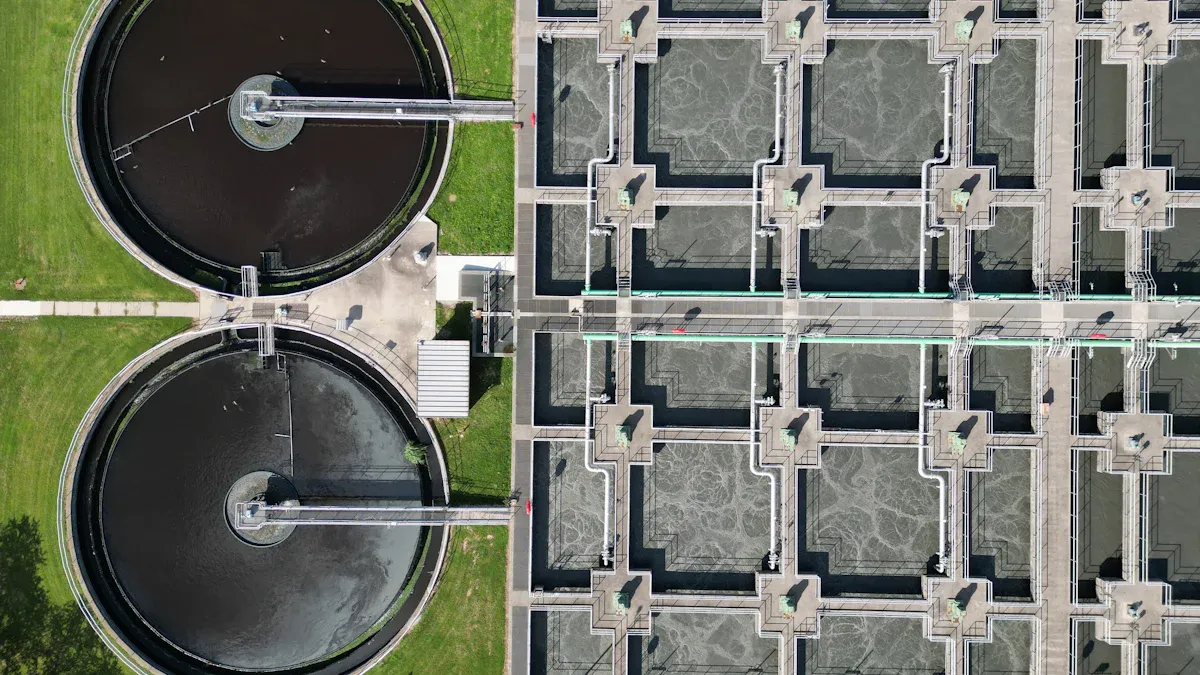
Main Components of a Package Sewage Treatment Plant
You will find that a package sewage treatment plant contains several important parts. Each part plays a unique role in cleaning wastewater. Here is a table that shows the main components and their functions:
| Component Type | Description |
|---|---|
| Aeration Tank | Adds air to sewage to help bacteria break down waste. |
| Clarifier | Separates clean water from sludge. |
| Chlorination Chamber | Disinfects water before it leaves the system. |
| Air Blowers | Push air into the aeration tank for better treatment. |
| Sludge Digestion | Treats leftover sludge for safer disposal. |
| Rotating Biological Contractor | Uses special surfaces for bacteria to grow and clean the water. |
| Activated Sludge Process | Mixes air and bacteria to treat sewage quickly. |
| Moving Bed Bio Reactor | Increases the amount of bacteria for faster cleaning. |
| Submerged Aerated Fixed Filter | Removes organic waste in a compact space. |
| Membrane Bio Reactor | Uses membranes to filter out even tiny particles. |
Tip: Regular maintenance keeps these components working well. For example, you should check UV lamps, clean filters, and empty grease traps often.
Treatment Process Overview
When you use a package sewage treatment plant, the process follows clear steps. Each stage removes different types of waste from the water.
- Influent Entry: Wastewater first enters the plant. A bar screen or comminutor removes large objects like rags and plastics.
- Grit Removal: Sand and gravel settle out in a special chamber. This step protects pumps from damage.
- Flow Equalization: The plant balances the flow of water. This helps all tanks work smoothly.
- Primary Treatment: Solids settle to the bottom, forming sludge. Oils and grease float to the top and get skimmed off. You can expect about 50–60% of suspended solids and 30–40% of organic matter to be removed here.
- Aeration Chamber: Air diffusers add oxygen to the water. Bacteria use this oxygen to break down organic waste. Most of the cleaning happens in this step. The process is fast and does not create bad smells.
- Secondary Treatment: Microorganisms continue to eat dissolved pollutants. Systems like the activated sludge process or membrane bioreactors help remove up to 95% of organic matter.
- Clarification: The water moves to a clarifier. Here, solids settle out, and the plant manages excess sludge.
- Tertiary Treatment: The plant uses filters and other methods to remove nutrients and tiny particles. This step helps meet strict water quality standards.
- Disinfection: The final step uses chlorine or UV light to kill harmful germs before the water leaves the plant.
You will see that a package sewage treatment plant uses both mechanical and biological methods. The main scientific principle is aerobic digestion. Bacteria need oxygen to break down waste quickly and safely. This process copies what happens in nature when bacteria clean rivers and streams.
Note: Modern plants use advanced technology. Some systems use artificial intelligence to monitor and optimize treatment. You can also find containerized and customizable designs for different needs.
A package sewage treatment plant removes many types of contaminants. These include nutrients like nitrogen and phosphorus, disease-causing germs, organic matter from food and oils, metals from industry, and even chemicals from personal care products.
Benefits and Applications of Package Sewage Treatment Plants
Key Features and Advantages
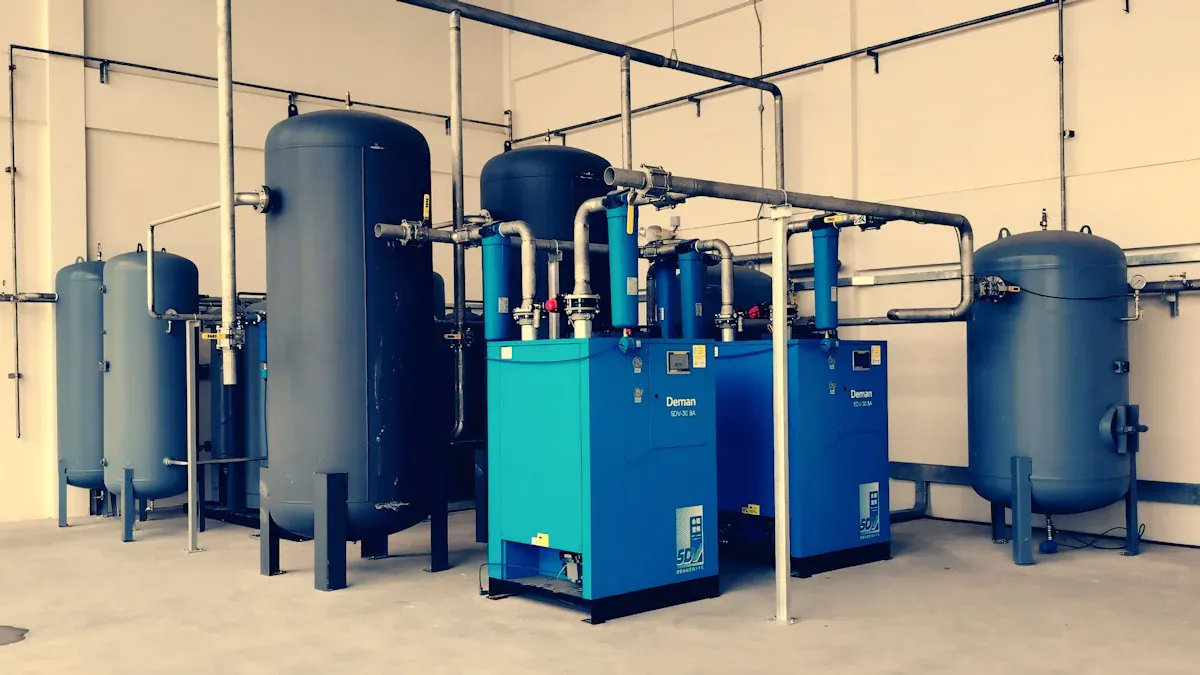
When you choose a package sewage treatment plant, you get many important benefits. These systems are compact, so you do not need much space. You can install them quickly and start using them right away. Here are some key features and advantages:
- You save money because these plants cost less to build and maintain than traditional systems.
- The design is modular, so you do not need extra buildings or large construction projects.
- You can move the plant if your needs change, making it great for temporary or growing sites.
- The system uses advanced technology to clean water well and protect the environment.
- You spend less time on repairs and maintenance, thanks to simple operation and remote monitoring.
- Treated water meets high standards, so you can reuse it for irrigation or other safe uses.
| Feature/Advantage | Description |
|---|---|
| Pre-assembled and factory-tested | You get a system that is ready to use with less installation work. |
| Compact design | You can fit it into small spaces or existing facilities. |
| Quick delivery | You receive the plant fast, so you can solve problems sooner. |
| Cleaning capabilities | The plant keeps water clean and safe for the environment. |
| Simple operation | You do not need special training to run the system. |
💡 Tip: Many governments offer subsidies or tax benefits to help you install a package sewage treatment plant, making it even more affordable.
Typical Uses and Ideal Scenarios
You can use a package sewage treatment plant in many places. These systems work well for:
- Residential complexes and premium housing projects
- Schools and small towns
- Commercial buildings, hotels, and hospitals
- Industrial sites that need to reuse water
- Locations with limited space
A package sewage treatment plant is ideal when you need to meet local rules, keep the system away from homes, or plan for future growth. You should also consider it if your site is close to wastewater sources or sewer lines. In rural areas, these plants help communities accept new wastewater solutions because they cost less and are easier to manage than big, central systems. Compared to septic tanks, modern treatment plants need less space, reduce groundwater risks, and provide cleaner water for reuse.
You now know how a package sewage treatment plant works and why it matters. This system gives you a simple way to treat wastewater safely. You can protect the environment, save space, and meet local rules. Think about using a package sewage treatment plant for your next project.
FAQ
How often should you maintain a package sewage treatment plant?
You should check and service your plant every 6 to 12 months. Regular maintenance helps you avoid breakdowns and keeps the system working efficiently.
Can you install a package sewage treatment plant yourself?
You can install small systems with basic skills. For larger plants, you should hire a professional to ensure safe and correct setup.
What happens to the treated water?
- You can reuse treated water for irrigation.
- You may discharge it safely into local water bodies if it meets quality standards.
See Also
Exploring Semi-Welded Plate Heat Exchangers for 2025
Three Key Benefits of PHE Plates for 2025
Enhancing Industrial Efficiency with Plate Air Preheaters
Boosting Pharma Efficiency with Modern Capsule Decapsulation