Optical vs Robotic Pecan Sorters A Head-to-Head Comparison
The global pecan market demonstrates consistent expansion, creating new opportunities and challenges for processors.
| Metric | Value |
|---|---|
| Market Value (2025) | USD 1,950.0 million |
| Forecast Value (2035) | USD 2,720.0 million |
| CAGR | 3.4% |
This growth increases the demand for operational excellence. Processors must determine which pecans sorting machine provides higher quality, a better return on investment, and improved labor efficiency.
How Each Sorter Works
Understanding the fundamental technology behind each sorter reveals their distinct approaches to quality control. Both systems automate defect removal, but their methods, speed, and precision levels differ significantly.
The Mechanics of Optical Sorting
An optical sorter operates as a high-speed inspection line. It uses a combination of advanced components to identify and eject imperfect pecans with remarkable speed. The process is highly efficient and follows a clear sequence.
- Imaging: Pecans travel on a conveyor belt under high-intensity, full-spectrum LED lighting. High-resolution multispectral cameras capture detailed images of each nut from multiple angles.
- Analysis: A central computer processes these images in real-time. It uses specialized software to analyze color, size, and shape, comparing each pecan against pre-set quality standards to identify blemishes, shell fragments, or foreign material.
- Ejection: When the system detects a defective pecan, it signals a bank of precise air jets. These jets fire a quick burst of compressed air, ejecting the unwanted item from the main product stream without interrupting the flow.
The Mechanics of Robotic Sorting
A robotic pecans sorting machine employs artificial intelligence and mechanical precision for defect removal. This method focuses on detailed analysis and careful handling rather than sheer volume.
Note: Robotic sorters learn from vast image datasets, enabling them to identify a wide range of defects with human-like accuracy.
The system's core components work together seamlessly:
- Cameras and Sensors: High-speed cameras capture visual data of each pecan. Advanced computer vision algorithms, often powered by convolutional neural networks (CNNs), analyze the data to classify nuts as acceptable or defective.
- Sorting Mechanism: Once the AI identifies a defect, it directs a robotic arm or actuator. This mechanism then gently picks the specific defective pecan off the line and places it into a separate container, minimizing damage to surrounding good products.
Sorting Accuracy and Defect Detection
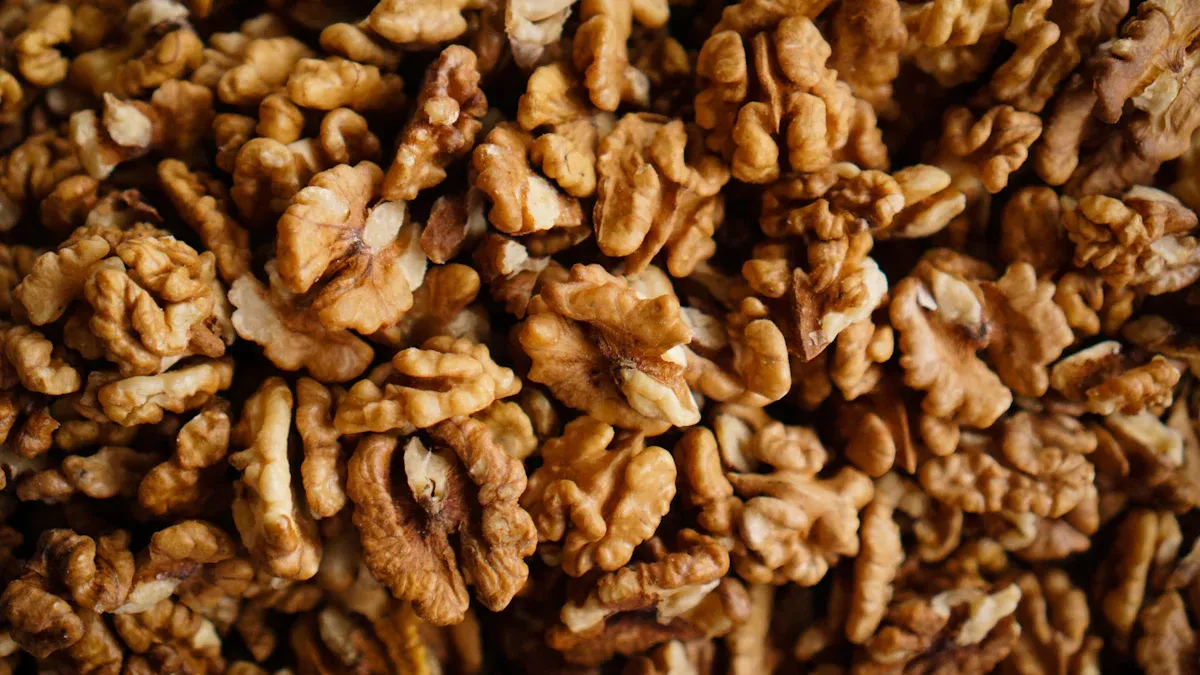
The ultimate value of any sorter lies in its accuracy. Both optical and robotic systems dramatically outperform manual inspection, but they achieve their results through different analytical strengths. The choice between them often depends on the specific types of defects a processor needs to eliminate.
Optical Sorters: High-Speed Color and Blemish Analysis
Optical sorters excel at identifying defects based on color, size, and shape. Their high-resolution cameras and multi-spectral imaging capabilities allow them to spot imperfections with incredible speed and consistency. These systems are highly effective at detecting a wide range of common issues.
Processors using modern optical sorters report transformative results:
- Defect contamination rates can drop by over 90%.
- Manual quality control labor often decreases by 60% or more.
- Overall product yield frequently increases by 3–5%.
- Export rejection rates related to quality are nearly eliminated.
These machines reliably identify and eject numerous types of defects, including many that are difficult for the human eye to catch consistently.
- Mold and mildew
- Insect damage and holes
- Discoloration and dark spots
- Shell fragments
- Foreign materials like sticks or stones
- Subtle color variations indicating potential rancidity
The system's software compares every pecan to a pre-defined quality standard. This process ensures uniform color and appearance in the final product, a key factor for consumer-facing brands.
Robotic Sorters: AI-Powered Precision Defect Removal
A robotic pecans sorting machine offers a more nuanced and precise approach to defect detection. It leverages advanced artificial intelligence, particularly deep-learning models, to analyze each nut with near-human discernment. This technology goes beyond simple color analysis.
The primary advantage of this AI-driven approach is its low false-rejection rate. The system's precision ensures that high-quality pecans remain in the product stream, maximizing yield and profitability.
The AI analyzes each kernel's shape, texture, and spectral signature. This allows the sorter to recognize complex and subtle defects that optical systems might miss. Because the robotic arm physically removes the single defective nut, there is minimal risk of accidentally ejecting good product alongside it. This targeted removal is especially valuable for processors handling premium-grade pecans where every nut counts. The system's ability to learn from new data means its accuracy improves over time, adapting to new defect types or different pecan varieties.
Throughput and Processing Speed
Processing speed directly impacts a facility's total output and profitability. The choice between an optical and a robotic pecans sorting machine often comes down to a fundamental business decision: prioritizing maximum volume or meticulous quality control. Each system is engineered with a different primary objective, leading to significant differences in their processing capabilities.
Optical Sorters: Built for High Volume
Optical sorters are the undisputed champions of high-throughput processing. These machines are designed to handle a continuous, high-speed flow of product without interruption. Their ability to scan and eject defects in milliseconds allows them to process several tons of pecans per hour. This makes them an ideal solution for large-scale operations that supply bulk ingredients or serve mass-market retailers.
The capacity of optical sorters can vary significantly based on the model, allowing processors to select a machine that matches their specific volume needs.
| Model | Capacity Range (Tons/Hour) |
|---|---|
| 6SXZ-64 | 0.5-1.5 |
| 6SXZ-128 | 1.0-2.5 |
| 6SXZ-192 | 2.0-4.5 |
| 6SXZ-256 | 3.0-6.5 |
| 6SXZ-320 | 3.5-8.0 |
This scalability ensures that as a business grows, its sorting capacity can grow with it.
Robotic Sorters: Focused on Detailed Handling
Robotic sorters operate at a more deliberate pace. Their focus is on precision and gentle handling rather than sheer speed. The mechanical action of a robotic arm identifying, picking, and placing a single defective nut takes longer than the instantaneous puff of air used by an optical sorter.
The trade-off is clear: robotic systems exchange higher throughput for superior accuracy and reduced product damage. This approach is perfect for producers of premium, high-margin products where every single pecan counts.
While a single robotic arm may process significantly fewer pecans per hour than an optical system, processors can install multiple robotic units in parallel to increase overall throughput. This modular approach allows for a customized balance between speed and quality.
Operational Costs and ROI
Evaluating the financial impact of a new sorting system extends beyond the initial purchase price. Processors must consider upfront costs, long-term operational savings, and the total return on investment (ROI) to make a sound business decision. Both optical and robotic technologies offer compelling financial benefits, but they achieve them through different cost structures.
Upfront Investment and Installation
The initial capital outlay is a primary consideration for any equipment purchase. Optical and robotic sorters occupy different positions on the investment spectrum.
- Optical Sorters: These systems generally have a lower upfront cost. The technology is mature, and a wide range of models exists to fit various budgets and capacity needs. Installation is typically straightforward, often integrating into an existing line with minimal disruption.
- Robotic Sorters: A robotic pecans sorting machine represents a more significant capital investment. The cost reflects the advanced AI software, high-precision robotics, and sophisticated sensor arrays. Installation can be more complex, sometimes requiring specialized integration and on-site training to maximize the system's AI capabilities.
Long-Term Maintenance and Labor Savings
Both sorting technologies generate substantial long-term value by automating a labor-intensive process. The reduction in manual sorting staff directly lowers payroll expenses and associated overhead.
A key financial benefit for both systems is the ability to reallocate labor. Former manual sorters can be retrained for higher-value roles in quality assurance, machine operation, or maintenance, improving overall workforce efficiency.
However, their maintenance profiles differ:
- Optical Sorter Maintenance: Ongoing costs include regular cleaning of cameras and lights, calibration of the software, and servicing the compressed air system for the ejection jets. These tasks are routine and predictable.
- Robotic Sorter Maintenance: Maintenance involves software updates for the AI model, periodic servicing of the robotic arms' mechanical components, and sensor calibration. While mechanical wear is a factor, the absence of a high-pressure air system can reduce utility costs.
The most significant long-term saving for both is the dramatic reduction in labor dependency, leading to more consistent operational output and cost predictability.
Calculating Your Return on Investment
A true ROI calculation looks at the complete financial picture. It balances the initial investment against ongoing savings and new revenue opportunities. Processors should analyze several key factors:
- Labor Reduction: Calculate the annual savings from reduced wages, benefits, and recruitment costs for manual sorters.
- Yield Increase: Quantify the value of good product saved. Robotic sorters, with their low false-rejection rates, often provide a significant boost in this area.
- Quality Premiums: Determine if the higher, more consistent quality grade allows the product to be sold at a premium price. This is a major advantage for robotic systems targeting gourmet or export markets.
For example, a processor investing in a robotic system can project their payback period by quantifying these benefits. The following table illustrates a sample ROI calculation for a robotic sorter.
| Category | Annual Savings/Gains |
|---|---|
| Labor Savings | $250,000 |
| Premium Quality Gains | $150,000 |
| Total Annual Benefits | $400,000 |
| Robotic Sorter Cost | $500,000 |
| Payback Period | 1.25 years |
This analysis shows that despite a higher initial cost, the combination of labor savings and revenue gains from superior quality can lead to a rapid return on investment. The final decision depends on whether a processor's business model can better leverage the high-volume efficiency of optical sorting or the premium-quality output of robotic sorting.
Flexibility and Material Handling
A sorter's ability to adapt to different products and handle them gently is crucial for maintaining quality and maximizing operational versatility. Processors must evaluate how each technology manages various pecan cultivars and minimizes breakage during the sorting process.
Handling Different Pecan Varieties
Pecan cultivars vary in size, shape, and color. A sorter must adapt to these differences to maintain accuracy. Robotic sorters demonstrate superior flexibility in this area. Their AI-powered software platforms use machine learning to create and switch between sorting parameters on the fly. This allows them to adjust to the unique characteristics of each batch.
Advanced systems offer features that enable this high level of adaptability:
- 360º Inspection: SpinSort technology provides a complete view of each nut for comprehensive analysis.
- Custom Configurations: Processors can fine-tune sorting algorithms for specific customer needs or pecan types.
- On-the-Fly Changes: The system allows operators to change recipes and batches instantly without stopping the line.
This intelligent adaptability ensures consistent sorting performance across all pecan varieties.
Reducing Product Damage
Minimizing product damage is essential for protecting profits, especially with premium-grade pecans. The physical handling method of each sorter directly impacts breakage rates. Optical sorters use high-pressure air jets, which can sometimes cause chipping or cracking in delicate kernels.
Robotic sorters, however, are engineered for gentle handling. Brands that adopt this technology report a 60–80% reduction in product breakage.
This significant reduction is achieved through advanced robotics. Custom end-effectors with soft silicone pads cradle each nut. AI-driven adaptive grip strength and force feedback sensors allow the robotic arm to apply the precise amount of pressure needed, preventing damage. This careful, deliberate handling preserves the integrity of every pecan, maximizing the yield of high-value, whole kernels.
Choosing the Right Pecans Sorting Machine for Your Business
Selecting the ideal pecans sorting machine requires a thorough evaluation of its physical and digital integration capabilities. A sorter's value depends not only on its performance but also on how well it fits within a facility's existing infrastructure and data management systems. Processors must consider both the hardware footprint and the software's compatibility to ensure a smooth transition and maximize operational efficiency.
Fitting Sorters into Your Existing Line
Integrating a new sorter into an established processing line presents logistical challenges. Processors must assess several key factors to ensure a successful installation.
- Location Requirements: The machine's placement demands careful planning regarding floor load capacity, available ceiling height, and its proximity to other equipment.
- Utility Needs: It is crucial to evaluate the sorter's electrical and power requirements to prevent operational disruptions.
- Production Synergy: The new equipment must align with the flow of the current production line to avoid bottlenecks.
Fortunately, many modern sorters feature an ultra-compact design. This small footprint simplifies installation, allowing for seamless integration even in facilities with limited space.
Software and System Integration
Advanced sorting technology generates valuable data that can drive process improvements. The system's ability to communicate with other software is critical for modern quality control. Robotic sorters, in particular, excel at this digital integration.
The connection to a laboratory information management system (LIMS) is often seamless. The robot and LIMS continuously exchange data, ensuring every action is recorded and reported in real-time.
This integration creates a powerful, data-driven ecosystem. The robot's operating system logs all actions and visualizes them on a dashboard. This allows management to track processes, analyze when most samples arrive, and optimize resource planning. The software can also identify faulty samples early by checking parameters like tube type, reducing errors and improving overall accuracy.
Optical sorters serve high-volume processors prioritizing speed and color consistency. Robotic sorters provide superior precision and gentle handling for premium quality.
Your final decision hinges on a primary business goal: maximizing throughput or achieving near-perfect quality.
Future-proofing the processing line means choosing the technology that aligns with your growth strategy.
FAQ
Can a robotic sorter learn to identify new types of defects?
Yes. Robotic sorters use machine learning. Processors can train the AI with new images, continuously improving its ability to recognize unique or previously unseen defects over time.
Which sorter requires more specialized maintenance?
Robotic sorters may require more specialized maintenance. Their advanced AI software and mechanical arms need expert servicing, while optical sorters involve more routine cleaning and air system checks.
Do these sorters improve shelf life? (thinking face)
Yes, indirectly. By removing pecans with subtle mold, insect damage, or rancidity, both sorters improve the overall quality and stability of the final batch, potentially extending shelf life.
See Also
Capsule Sorters: Essential Technology for Flawless Product Quality
Essential Industrial Checkweighers: A Must-Have for Food Production
Best Capsule Checkweighers for Buyers to Evaluate in 2025
Comparing Leading Ampoule Filling Line Manufacturers: Who Comes Out on Top?
Steel vs. Wood Support Columns: A Comprehensive Look at Pros and Cons