The 2025 Guide to Optical vs Mechanical Turmeric Sorters
Selecting the right turmeric sorting machine is a critical business decision. Large-scale operations prioritizing premium quality and color purity find optical sorters to be the superior choice. Conversely, mechanical sorters offer a suitable solution for small to medium-scale businesses focused on basic size grading and cleaning.
Note: The global turmeric market's projected growth highlights the need for efficient processing.
Source 2025 Market Size Projection Cognitive Market Research $4.42 Billion USD Market Research Future $3.60 Billion USD
Key Sorting Technologies Explained
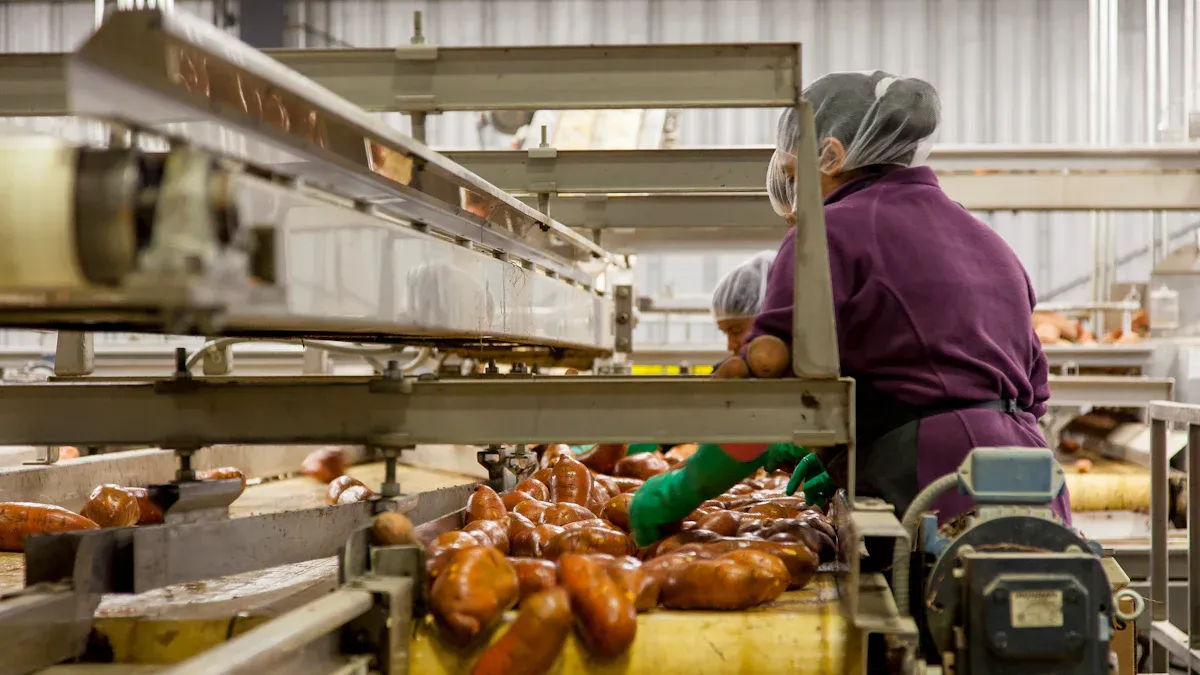
Understanding the core technology behind each sorter is crucial for making an informed decision. Optical and mechanical systems approach the task of sorting turmeric from fundamentally different perspectives. One uses digital precision, while the other relies on physical mechanics.
How Optical Sorters Work
Optical sorters use advanced imaging to analyze each piece of turmeric with incredible detail. The process begins as turmeric fingers move through the machine on a conveyor. High-resolution cameras and sensors capture images in real-time.
- Advanced Sensors: These systems employ a range of technologies, including standard cameras, lasers, and even infrared or ultraviolet sensors to detect defects not visible to the naked eye.
- AI-Powered Analysis: Artificial intelligence algorithms analyze the captured images. They evaluate features like size, shape, color, and texture against pre-set quality standards. This technology ensures high detection accuracy for defects, discoloration, or foreign materials.
- Precise Ejection: Once the system identifies a substandard item, it signals a set of air jets. A precise puff of compressed air then ejects the unwanted piece from the main product stream, ensuring only premium-quality turmeric continues for processing.
How Mechanical Sorters Work
A mechanical turmeric sorting machine operates on the principles of physical separation. Instead of vision, it uses size and shape to grade the product. These machines typically employ vibration and gravity to achieve separation.
The two primary forces at work are vibration, which moves material across a screen, and gravity, which pulls smaller particles through openings.
Common mechanisms include vibrating screens and trommel screens. Vibrating screens use a motor to shake a perforated surface, allowing smaller turmeric pieces and debris to fall through. A trommel screen is a large rotating drum with holes. As the drum tumbles, smaller pieces pass through the perforations while larger ones travel to the end and exit separately. This method is effective for basic size grading and removing large foreign objects.
Decision Factor 1: Sorting Accuracy and Quality

The primary distinction between optical and mechanical sorters lies in their accuracy and the final quality of the turmeric. One technology offers micro-level precision for achieving export-grade purity, while the other provides macro-level grading for basic market readiness. A business's quality targets will heavily influence this decision.
Optical Sorters: For Superior Purity
Optical sorters deliver unmatched sorting accuracy. These systems use high-resolution cameras and AI-driven software to analyze each turmeric finger individually. They can detect and remove a wide spectrum of defects that are impossible to separate mechanically. This includes subtle color variations, spots indicating mold or rot, and foreign materials like stones or plastics that may be similar in size to the turmeric.
The benefits of this precision are significant for producers aiming for the premium market. Key advantages include:
- A final product with near-perfect uniformity in color and size.
- Removal of contaminants and defective pieces, ensuring food safety.
- Simplified handling and processing workflows for turmeric production.
An optical sorter's ability to detect and eject defects based on color and texture is its defining advantage for achieving premium-grade turmeric. It elevates the product from a simple commodity to a high-value ingredient.
Mechanical Sorters: For Basic Grading
Mechanical sorters, in contrast, provide a foundational level of quality control. Their function is not to analyze for purity but to grade based on physical dimensions. Using vibrating screens or rotating trommels, these machines effectively separate turmeric fingers by size. This process is useful for removing small, broken pieces and oversized foreign objects like large rocks or clumps of dirt.
However, their capability ends there. A mechanical sorter cannot distinguish a healthy turmeric finger from one that is discolored, moldy, or rotten if they are the same size. Research on automatic sorting machines for turmeric rhizomes shows they can achieve a sorting efficiency of around 70% when grading by size. This type of turmeric sorting machine is a practical tool for initial cleaning and creating basic size grades for local markets.
| Feature | Optical Sorter | Mechanical Sorter |
|---|---|---|
| Size Grading | Highly Accurate | Effective |
| Color Defect Removal | ✅ Yes | ❌ No |
| Mold/Rot Detection | ✅ Yes | ❌ No |
| Foreign Material | Detects all types | Removes only by size difference |
| Final Purity | Premium (99%+) | Basic |
Decision Factor 2: Throughput and Speed
Processing speed directly impacts a business's capacity and profitability. Optical sorters are engineered for continuous, high-volume industrial environments. Mechanical sorters, however, offer a more measured pace suitable for smaller-scale batch processing. The right choice depends on the volume of turmeric a facility needs to handle daily.
Optical Sorters: High-Speed for Large Volumes
Optical sorters are designed to maximize throughput without sacrificing quality. These machines achieve 100 percent inspection in-line, even at full production volumes. This capability allows factories to sort massive quantities of turmeric far faster and more accurately than human labor ever could. The processing capacity varies significantly based on the model:
- Low-capacity machines can process under 2 metric tons per hour.
- High-capacity industrial systems can sort more than 35 metric tons per hour.
This high-speed operation ensures a consistent flow of premium-quality turmeric, making optical sorters the standard for large processors and exporters who require efficiency at scale.
Mechanical Sorters: Moderate Speed for Batches
Mechanical sorters operate at a more moderate speed, aligning with the needs of small to medium-sized enterprises. Their throughput is determined by physical factors like the motor's vibration frequency, the screen's angle, and the size of the perforations. A high-performance mechanical grader might process up to 2000 kg of turmeric per hour, depending on the model and the raw material's condition.
These machines are ideal for processing turmeric in distinct batches. They provide a significant efficiency upgrade over manual sorting for businesses that do not require the continuous, high-volume output of an optical system.
Decision Factor 3: Investment and Operational Cost
The financial commitment is a pivotal factor in any equipment purchase. A business must evaluate not only the initial price tag but also the long-term operational costs and the potential return on investment (ROI). The economic profiles of optical and mechanical sorters are fundamentally different, catering to distinct business strategies and financial capabilities.
Optical Sorters: Higher Initial Cost, Higher ROI
Optical sorters represent a significant capital investment. The price reflects the sophisticated technology inside, including high-resolution cameras, powerful processing software, and precision pneumatic systems. This initial outlay is substantial and requires careful financial planning.
However, the high cost is directly linked to a higher potential ROI. Businesses that invest in optical sorting can unlock several financial benefits:
- Access to Premium Markets: The ability to produce a 99%+ pure product allows processors to meet stringent international standards and command higher prices.
- Reduced Product Loss: By accurately ejecting only defective items, these sorters minimize the waste of good turmeric, maximizing yield from the raw material.
- Brand Reputation: Consistently delivering superior quality builds a strong brand reputation, leading to customer loyalty and greater market share.
While operational costs include electricity and potential software updates or specialized maintenance, the efficiency gains and access to high-margin markets typically provide a strong and relatively swift return on the initial investment for large-scale operations.
Mechanical Sorters: Lower Initial Cost, Basic Returns
Mechanical sorters offer a much lower barrier to entry, making them an accessible option for small to medium-sized enterprises. The simpler technology, based on vibration and physical screening, results in a significantly lower purchase price. This makes a mechanical turmeric sorting machine a practical first step away from purely manual sorting.
The returns are more foundational but still impactful. The primary financial benefit comes from a dramatic reduction in labor costs. Automated systems operate continuously without fatigue, reducing the need for a large manual workforce and the associated wages. This leads to long-term savings and predictable productivity.
Operational costs, however, are an important consideration. Maintenance is crucial for keeping these machines running efficiently.
- Preventative maintenance is key to avoiding costly downtime.
- Reactive maintenance for unexpected breakdowns can cost three to four times more than a planned service schedule.
- Annual repair costs for component replacement alone can range from $1,560 to $3,120.
Factoring in ongoing maintenance is essential for budgeting. The costs can vary widely depending on the machine's complexity and age.
| Sorter Equipment Type | Potential Annual Maintenance Cost |
|---|---|
| Simple Mechanical Grader | Up to $3,000 |
| Large, Complex Sorter | $10,000+ |
| Older, Legacy Systems | Up to $30,000 |
Ultimately, a mechanical sorter provides basic returns by improving efficiency over manual labor. It is a cost-effective tool for initial cleaning and sizing, but it does not unlock the premium pricing potential that an optical sorter does.
Choosing the Right Turmeric Sorting Machine for Your Scale
A business's operational scale and market ambitions are the primary guides for selecting the right sorting technology. The needs of a local farm differ greatly from those of a global exporter, making this a critical strategic choice.
Ideal for Small Farms and Startups
Small farms and startups typically operate with limited capital, making a mechanical sorter an attractive entry point. These machines provide essential size grading and cleaning, improving efficiency over manual labor. For those with higher quality ambitions, modern compact sorters offer advanced features like AI-driven defect detection in a smaller footprint.
Financial Tip: Startups can acquire equipment without large upfront costs. Equipment financing spreads the cost over time, while leasing offers lower monthly payments. Options like SBA loans or specialized green financing make advanced technology more accessible.
A modern turmeric sorting machine designed for smaller operations can significantly boost product value. Key features often include:
- An energy-efficient, compact design.
- High-resolution imaging for precise color and defect identification.
- An intuitive interface for easy operation and customizable settings.
Ideal for Large Processors and Exporters
Large-scale processors and exporters require the precision and speed of optical sorters to compete in global markets. These machines are essential for meeting stringent international food safety and quality standards, such as HACCP and ISO 22000. They provide the documentation and consistency that export markets demand.
Optical sorters help businesses achieve compliance through several key functions:
- Traceability: They create digital logs of sorted batches, linking products to suppliers for complete traceability.
- Contaminant Removal: The technology identifies and removes materials like aflatoxin-contaminated pieces, ensuring the final product meets strict regulatory limits.
- Hygienic Design: Machines are built with food-grade stainless steel and easy-to-clean surfaces to support sanitation protocols.
- Audit-Ready Records: They generate automated reports that serve as crucial evidence for third-party certifications.
Long-Term Business Impact
The choice between sorting technologies extends beyond immediate processing needs. It directly shapes a company's long-term profitability, market position, and operational resilience. Investing in the right equipment can create significant competitive advantages.
Market Access and Premium Pricing
Advanced sorting technology, particularly optical sorting, unlocks access to lucrative international markets. These markets demand exceptionally high-quality turmeric and command premium prices for it. Processors can meet these stringent requirements by ensuring their product is free of defects and contaminants. Key markets have specific, unforgiving standards:
- European Union: This market acts as a strict critic, enforcing rigorous checks for pesticides and setting low Maximum Residue Limits (MRLs).
- Japan: Buyers here have an extreme obsession with purity, often for use in health-driven supplements and functional drinks.
- United States: Exporters face high barriers with FDA compliance, requiring guaranteed traceability and certified safety protocols.
Meeting these standards allows businesses to elevate their brand and secure higher profit margins.
Labor Reduction and Efficiency Gains
Automated sorting delivers substantial financial and operational benefits. A system can generate annual labor cost savings of around $50,000, offering a clear return on investment. Automation also boosts overall plant efficiency. It provides faster and more accurate sorting, which increases throughput and minimizes costly errors. This streamlined process reduces production bottlenecks and optimizes the entire fulfillment chain. The result is a scalable, adaptable operation with lower operational costs and a consistent, high-quality output. 📈
A business's choice depends on its goals. Optical sorters are an investment in premium quality, opening doors to export markets. Mechanical sorters offer a practical solution for basic grading. Processors must evaluate budget and volume for their 2025 strategy, aligning with trends like AI and high-curcumin demands.
Ready to upgrade your turmeric processing? Contact our experts to get a personalized quote based on your specific needs.
FAQ
What is the primary difference between optical and mechanical sorters?
Optical sorters use cameras to analyze color and defects for high purity. Mechanical sorters use screens to separate turmeric by physical size for basic grading.
Can a mechanical sorter remove moldy turmeric?
No. Mechanical sorters cannot detect color or texture defects. A moldy piece of turmeric will pass through if it is the same size as a healthy one.
Which sorter is better for exporting turmeric?
Optical sorters are essential for exporters. They provide the high purity and defect removal necessary to meet strict international food safety and quality standards.
See Also
Capsule Sorters: Essential Technology for Flawless Product Quality and Defect Elimination
Key Capsule Checkweighers for Smart Buyers to Evaluate in the Year 2025
Innovative Folder Gluer Advancements Shaping Carton Packaging Lines in 2025
Boosting Pharmaceutical Efficiency: The Impact of Advanced Capsule Decapsulation Machines
Leading Precoating Materials Revolutionizing Filtration System Performance and Effectiveness by 2025