Why Are Conveyor X-Ray Systems a Must-Have for Nut Processors?
Conveyor X-ray systems provide superior detection of dense foreign contaminants like metal and glass. A nuts conveyor x ray system directly protects consumers and safeguards brand integrity. The market for these systems projects a 14.5% annual growth, showing their rising importance.
A food recall causes 47% of impacted consumers to lose brand trust.
Achieve Unmatched Contaminant Detection and Quality Assurance
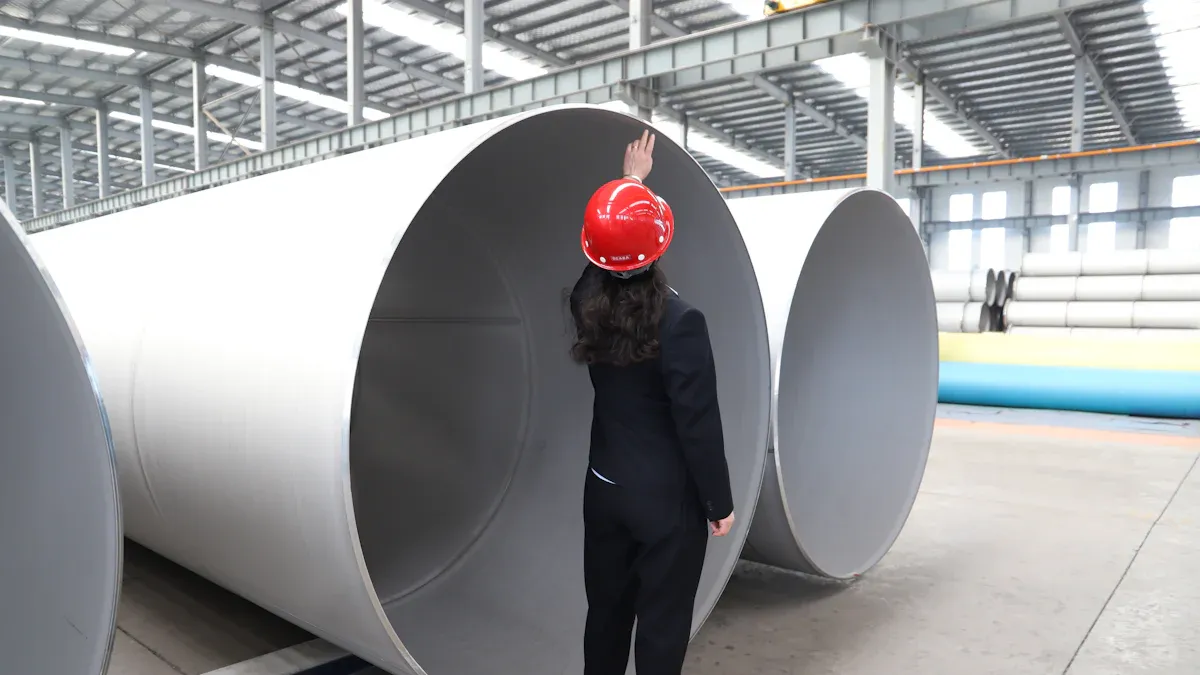
Modern nut processing facilities demand a level of precision that goes beyond basic safety checks. Conveyor X-ray inspection systems provide this precision. They offer comprehensive quality assurance by identifying issues that other technologies simply cannot see. This capability transforms a standard production line into a highly controlled, quality-centric operation.
Detect What Other Systems Cannot
Traditional inspection methods like magnetic separators and metal detectors have significant limitations. They primarily target metallic contaminants. X-ray systems, however, operate on a different principle. They use density contrast to "see" a much wider range of foreign materials.
A direct comparison highlights the superior range of X-ray inspection:
| Feature | Metal Detectors | X-Ray Inspection Systems |
|---|---|---|
| Detection Principle | Electromagnetic Fields | Density Contrast |
| Contaminant Types | Metals only | Metals, glass, stone, dense plastic, bone |
| Packaging Impact | Ineffective with foil packaging | Works with all packaging materials |
This expanded capability is crucial for addressing common physical hazards in nut processing. For example, X-ray systems can identify glass shards as small as 2.5mm. They also detect dense stones and even specific types of plastics that are invisible to metal detectors. Advances in material science have led to X-ray detectable plastics, which contain high-density additives. These materials are now used in processing equipment to prevent plastic contamination.
Tip: X-ray detectable plastics are becoming an industry standard. Examples include:
- Sustarin C® (an acetal replacement)
- Polystone® (a UHMW replacement)
- Plastics with barium sulfate additives like PEEK and PBT
Find Contaminants Hidden Within the Product
Contaminants do not always sit on the surface of a product. They can become embedded within individual nuts or hidden inside large bags. X-ray technology's ability to penetrate the product makes it uniquely effective at finding these hidden dangers. Bulk flow X-ray systems, for instance, are designed specifically to inspect loose products like nuts before they are packaged. This pre-emptive check enhances quality control early in the process.
Product characteristics can create inspection challenges. Nut clusters or granola mixes have high density variations, which can produce a "busy" X-ray image that obscures foreign objects. Advanced dual-energy X-ray technology overcomes this issue. It discriminates between materials based on their chemical composition, not just density. This allows the system to find a contaminant even when it is surrounded by dense product clusters. This ensures that hazards are found whether they are loose in a bulk bag or embedded inside a single almond.
Ensure Product Integrity and Uniformity
A robust quality assurance program extends beyond contaminant detection. It includes verifying product integrity, count, and overall uniformity. A nuts conveyor x ray system performs these checks simultaneously, adding immense value without slowing down production.
These systems contribute to quality control in several ways:
- Identifying Damaged Product: X-ray inspection can detect broken, misshapen, or incomplete nuts. It analyzes size, volume, and surface area to flag items that do not meet quality standards. This is essential for premium nut products where appearance matters.
- Verifying Fill Levels: The technology checks that each package contains the correct amount of product. It can measure fill lines and even weigh items to prevent under-fills or over-fills, ensuring regulatory compliance and customer satisfaction.
- Detecting Clumps: For seasoned or coated nuts, clumping is a common quality issue. Advanced X-ray systems can identify these product clumps, ensuring a free-flowing and uniform product for the end consumer.
By integrating these quality checks into a single inspection step, processors can uphold the highest standards. This aligns with industry best practices, which call for continuous testing throughout the production process to maintain physical properties and product quality.
The Role of Nuts Conveyor X Ray in Brand Protection and ROI
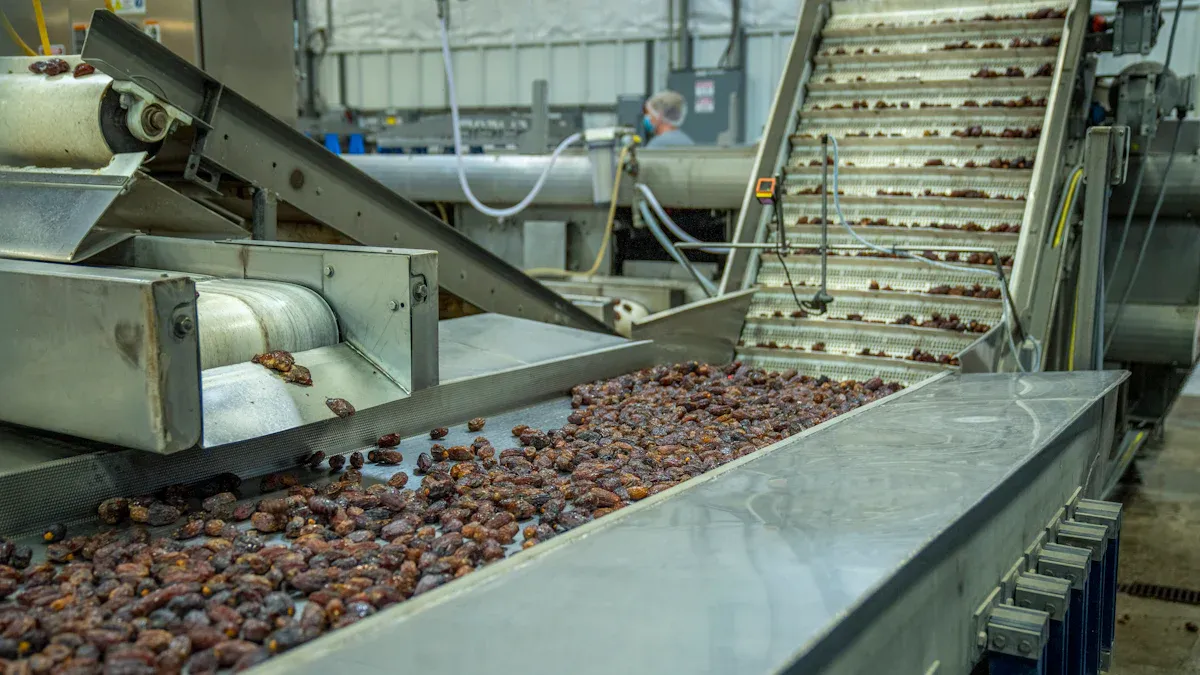
Investing in advanced inspection technology is not just an operational expense. It is a strategic decision that directly protects a brand's reputation and delivers a significant return on investment (ROI). A nuts conveyor x ray system moves beyond simple contaminant detection. It becomes a cornerstone of a processor's financial health and market standing by mitigating risks and optimizing production efficiency.
Prevent Costly Recalls and Reputational Damage
A single product recall can inflict devastating and long-lasting harm on a company. The immediate financial costs of pulling products from shelves, managing logistics, and issuing refunds are substantial. However, the damage to a brand's reputation often lingers much longer. A major pistachio recall in the United States, for instance, prompted the FDA to issue a stern warning to the entire food industry about "sloppy manufacturing processes." This event damaged consumer trust not just for one company but for the industry as a whole.
Implementing a robust X-ray inspection program is a proactive defense against such catastrophic events. By identifying and removing physical contaminants before products leave the facility, processors can prevent the incidents that lead to recalls. This protects consumers from harm and shields the brand from negative press, regulatory scrutiny, and loss of customer loyalty. Protecting brand equity is a critical component of long-term profitability.
Key Takeaway: A recall can cause severe financial loss. More importantly, it damages a company's brand and reputation, an effect that can persist for years. Investing in prevention is always more cost-effective than managing a crisis.
Meet and Exceed Food Safety Standards
Today's food industry operates under strict regulatory frameworks designed to ensure consumer safety. Compliance is not optional. A nuts conveyor x ray system is an essential tool for meeting and exceeding these complex requirements.
Key global and national standards place a heavy emphasis on foreign material control:
- Food Safety Modernization Act (FSMA): This U.S. legislation mandates a preventive approach to food safety. Its rules require processors to establish systems that prevent contamination.
- The Produce Safety Rule sets standards for equipment and tools to prevent contamination during growing, harvesting, and packing.
- The Preventive Controls for Human Food Rule requires facilities to implement a Hazard Analysis and Critical Control Points (HACCP) system focused on preventing hazards, including physical ones.
- Global Food Safety Initiative (GFSI) Standards: Certifications like BRCGS and SQF are often required by major retailers. The BRCGS Global Standard for Food Safety Issue 9, for example, includes a specific clause for "Foreign-body Detection and Removal Equipment." It mandates that processors use effective equipment to eliminate contamination risk, highlighting X-ray inspection as a preferred solution.
Beyond detection, these systems provide the necessary documentation to prove due diligence. The FDA mandates detailed record-keeping for X-ray equipment. Processors must maintain records of inspection settings, maintenance, training, and test results. This data is crucial during audits and demonstrates a commitment to safety, which helps win new business and strengthen relationships with retailers who demand compliance with the latest codes of practice.
Reduce Product Waste and False Rejects
Profitability in nut processing depends on maximizing yield and minimizing waste. False rejects—instances where good product is incorrectly flagged as contaminated—are a major source of financial loss. Older inspection technologies, like metal detectors, are often sensitive to product temperature and environmental changes, leading to higher false reject rates.
X-ray technology offers a clear advantage. Modern systems provide significant "performance headroom," meaning their detection capability is far more sensitive than the required specification. For example, if a system can detect a 0.6mm piece of metal when the customer specification is 0.8mm, this margin dramatically reduces the chance of a false reject. This precision prevents unnecessary interruptions on high-speed production lines.
Advanced software further enhances this efficiency:
| Software Feature | Benefit |
|---|---|
| Adaptive Filtering | Removes background "noise" from packaging, improving contaminant visibility. |
| AI-Powered Algorithms | Detect low-density contaminants like shells and can identify oddly shaped items. |
| Auto-Calibration | Ignores natural package deformation, reducing rejects caused by lightweight materials. |
By inspecting ingredients early in the process, a nuts conveyor x ray system prevents contaminated raw materials from moving further down the line. This saves not only the product itself but also the added costs of processing, labor, and packaging materials that would otherwise be wasted. This automated precision directly translates to quantifiable cost savings, protecting profits by ensuring only genuinely substandard product is removed.
For nut processors, a nuts conveyor x ray system is a fundamental requirement, not a luxury. It ensures safety, maintains quality, and protects the brand. Investing in X-ray technology is a non-negotiable step toward achieving long-term profitability. This move secures a competitive advantage in a market with advancing AI and stricter retailer demands.
FAQ
Are X-ray systems safe for the nuts?
Yes. X-ray inspection uses extremely low energy levels. The process does not affect the food's safety, taste, texture, or nutritional value, ensuring product quality remains completely intact.
Can one system inspect different types of nuts?
Modern X-ray systems are highly versatile. Processors can calibrate them for various nut sizes, shapes, and densities. This adaptability ensures accurate contaminant detection across multiple product lines.
How do X-ray systems handle foil packaging?
X-ray systems effectively inspect products through all packaging materials, including metallized foil. Unlike metal detectors, their performance is not compromised, ensuring consistent safety for all packaged goods.
See Also
Essential Industrial Checkweighers: Top 3 for Every Food Processing Plant
Automated Virus Sampling Tube Assembly Lines: A Smart Investment for Your Business?
Discovering the Best Chinese Suppliers for X-Ray Inspection Machine Purchases
Automatic UV Coating Machines: Crucial for Achieving High-Speed Printing Excellence