Top Safety Practices for Nitric Acid Storage
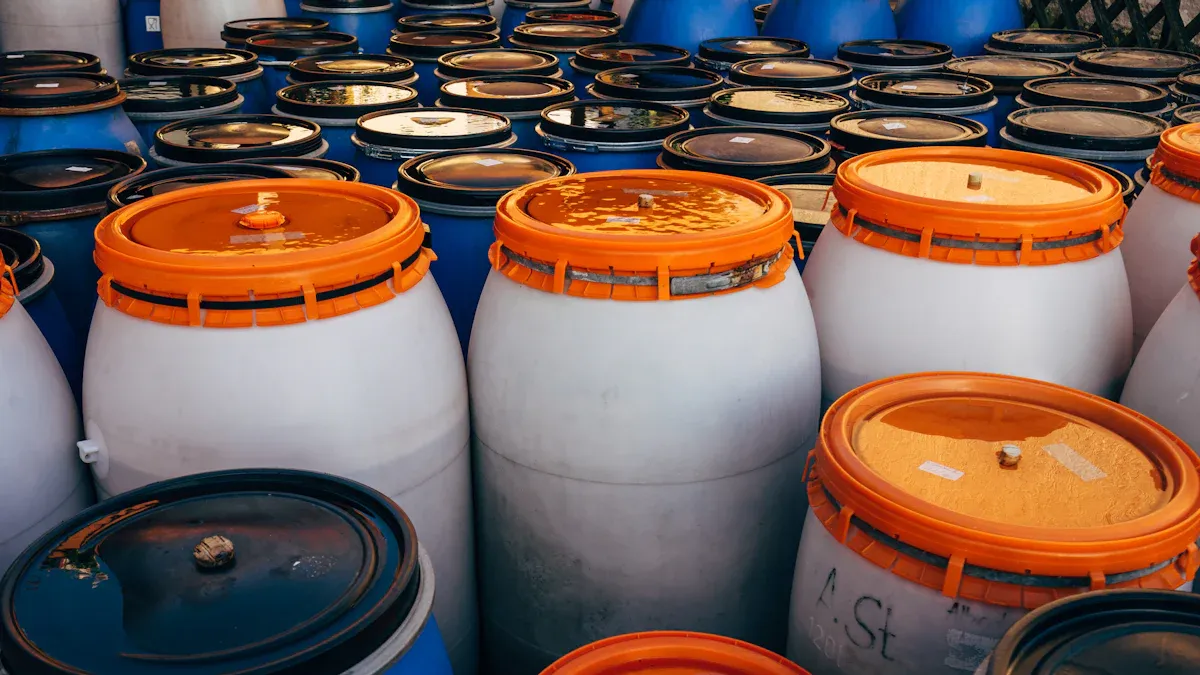
You face real dangers if you do not follow safety rules when storing nitric acid. In Korea, 196 chemical accidents happened in labs, showing that risks are common. Explosions have occurred when nitric acid mixed with other chemicals, like isopropanol or formic acid. These events caused serious damage and injuries.
Nitric Acid Risk Assessment and Preparation
Identifying Hazards
You must recognize the dangers before you store Nitric Acid. Many safety reports show that this chemical can harm you in several ways:
- Corrosive Nature: Nitric Acid can burn your skin, eyes, and lungs.
- Toxicity: Breathing in the vapors may cause breathing problems or even lung damage.
- Chemical Reactions: Mixing Nitric Acid with other substances can start fires or explosions.
- Environmental Impact: If you do not dispose of it properly, it can pollute soil and water.
- Long-Term Health Effects: Exposure over time may lead to lasting breathing or skin problems.
Knowing these hazards helps you plan safe storage and handling.
Assessing Storage Areas
You need to check your storage area carefully. Make sure the space is clean and dry. Choose containers made from materials that do not react with Nitric Acid, such as high-density polyethylene or fluorinated plastics. Place containers in a spot with good airflow. Keep Nitric Acid away from chemicals that could react with it. Use clear signs to warn others about the dangers.
Tip: Store Nitric Acid in a dedicated area with proper ventilation and away from incompatible materials.
Training and Safety Planning
You should train everyone who works with Nitric Acid. Training must cover hazards, safe handling, labeling, and disposal. New staff and students need extra attention. Use videos to show the risks and safe practices. Training usually takes about 45 minutes and is available online. Make sure everyone knows how to use safety gear, such as gloves and goggles. Teach them how to respond to spills and use first aid kits.
- Wear protective equipment like gloves and goggles.
- Work in areas with good ventilation.
- Keep a first aid kit nearby and train everyone on emergency steps.
Nitric Acid Safe Storage Guidelines
Choosing the Right Containers
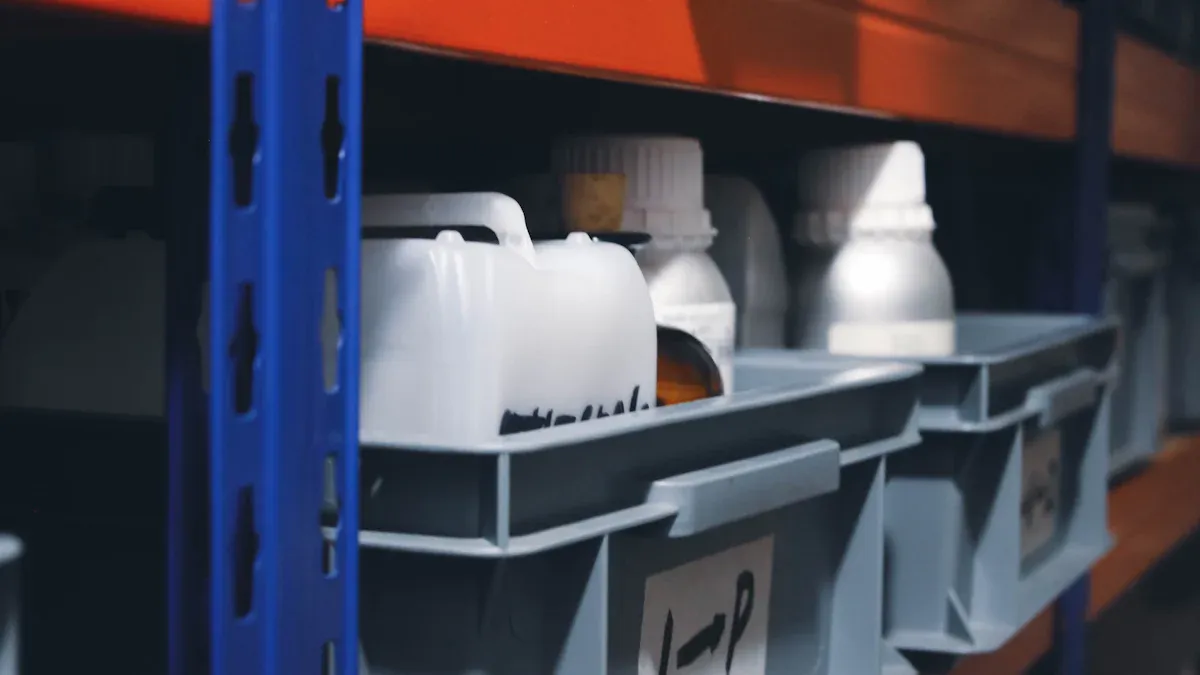
You must select the correct container to store nitric acid safely. Using the wrong container can cause dangerous reactions or even explosions. For example, if you place nitric acid in a container that once held methanol, pressure can build up and cause an explosion within hours. The table below shows some real incidents:
| Incident Description | Consequence |
|---|---|
| Nitric acid mixed with an organic solvent | Explosion in a university lab due to chemical reaction with residual substances in the container |
| Nitric acid placed in a methanol container | Pressure buildup leading to an explosion after reaction with residual methanol over 12 to 16 hours |
To avoid these risks, always use containers made from materials that resist strong acids. Recommended materials include:
- PTFE, PFA, PVDF, Polypropylene, FM4910, and CPVC
- High-density polyethylene (HDPE) or fluorinated plastics
These materials do not react with nitric acid and help prevent leaks or corrosion. Tanks should have tight seals and, if possible, double linings for extra safety. Place containers in areas with good airflow and away from direct sunlight.
Tip: Always check that your container is clean and free from any leftover chemicals before adding nitric acid.
Segregation from Incompatible Chemicals
You must keep nitric acid away from chemicals that can react with it. Mixing nitric acid with certain substances can cause fires, explosions, or toxic fumes. The table below lists some chemicals that are especially dangerous when stored near nitric acid:
| Incompatible Chemicals | Description |
|---|---|
| Ethanol | Organic material that can react dangerously with nitric acid. |
| Acetic Acid | Another organic material that poses risks when in contact with nitric acid. |
| Oil | Reactive organic material that can lead to excessive heat or fire when mixed with nitric acid. |
In a storage room with many chemicals, follow these best practices:
| Practice | Description |
|---|---|
| Storage Level | Corrosive chemicals should be stored below eye level. |
| Dedicated Cabinets | Acids should be stored in dedicated acid cabinets. |
| Isolation | Nitric acid must be isolated from other acids. |
- Keep nitric acid separate from other acids, especially organic acids like acetic acid.
- Store it in a dedicated acid cabinet, away from bases and flammable materials.
- Never place nitric acid near perchloric acid or organic substances.
Note: Segregation prevents dangerous reactions and keeps your storage area safe.
Proper Labeling and Signage
You need to label every container of nitric acid clearly. OSHA requires that each hazardous chemical container has a label. This label must give an immediate warning and summarize the main hazards. The table below explains what you should include:
| Requirement | Description |
|---|---|
| Labeling | Every hazardous chemical container must have a label as per OSHA's Hazard Communication Standard. |
| Immediate Warning | The label serves as an immediate warning present in the work area. |
| Summary of Information | It provides a snapshot of hazards and protective information related to the chemical, summarizing details available on the Safety Data Sheet (SDS). |
Best practices for labeling and signage include:
- Use acid-resistant cabinets made from materials like polyethylene or epoxy-coated steel.
- Clearly label storage containers with the chemical name, concentration, and hazard warnings.
- Place signs in the storage area to alert others about the presence of acids and bases.
Callout: Proper labeling and signage help everyone recognize hazards quickly and respond safely.
Environmental Controls
You must control the environment where you store nitric acid to reduce risks. Good ventilation removes harmful fumes and keeps the air safe to breathe. The storage area should be well-lit and away from direct sunlight. Keep containers tightly closed and use secondary containment, such as spill trays, to stop leaks from spreading.
- Ensure the room has enough airflow to disperse vapors.
- Keep nitric acid away from flammable materials and reducing agents.
- Use spill pallets or trays under containers for extra protection.
Temperature and humidity also affect nitric acid stability. High temperatures can cause the acid to break down and lose strength. Too much moisture can create dangerous vapors. The best storage conditions are:
| Evidence | Description |
|---|---|
| High temperatures | Can cause decomposition and loss of potency. |
| Excessive moisture | Can lead to the formation of nitric acid vapors. |
| Optimal storage conditions | Best temperature is between 15°C and 25°C; humidity should be below 60%. |
Tip: Check the temperature and humidity in your storage area often to keep nitric acid stable and safe.
Nitric Acid Handling Precautions
Personal Protective Equipment (PPE)
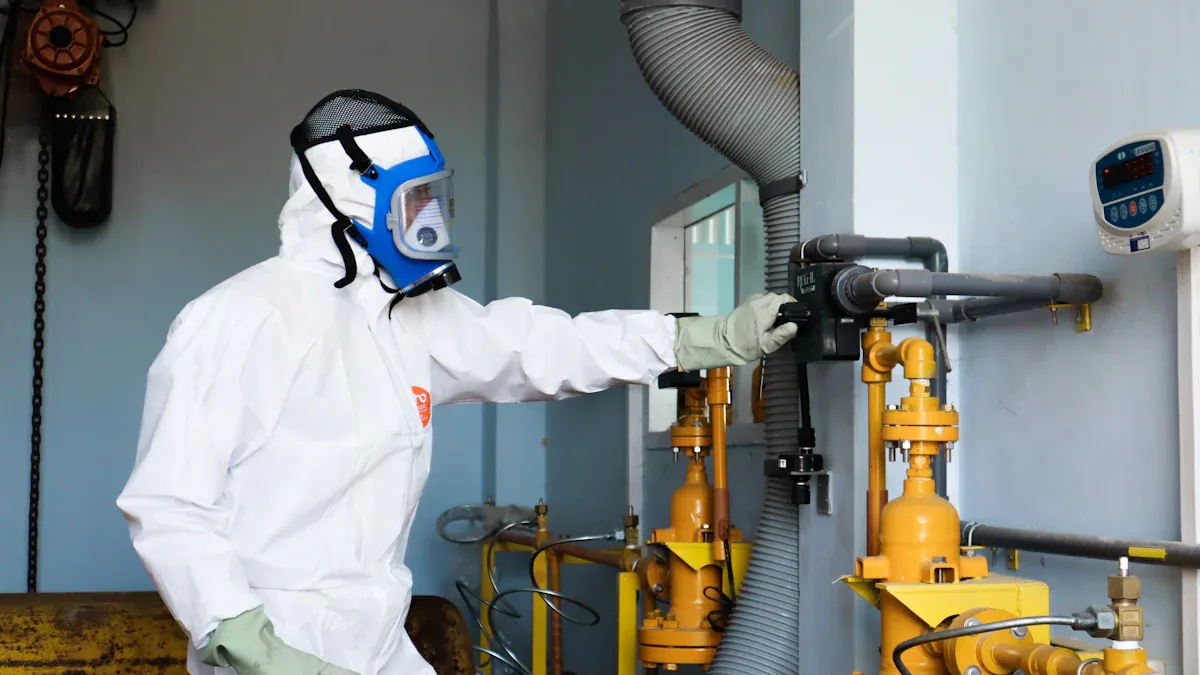
You must protect yourself before you handle Nitric Acid. Always wear acid-resistant gloves, safety goggles, and a face shield. A full-face respirator gives extra protection if fumes are present. Choose clothing that covers your arms and legs. Shoes should be closed-toe and made from non-reactive material. PPE keeps you safe from splashes and harmful vapors.
Safe Transfer Techniques
Moving Nitric Acid from one container to another requires careful steps. You should:
- Wear all recommended PPE before starting.
- Use containers made from HDPE or Teflon-lined materials to prevent corrosion.
- Work in a well-ventilated area to avoid breathing in fumes.
- Pour slowly and steadily to avoid splashing.
- If a spill happens, contain it with sawdust or sand. Dilute the acid with water after containment. Dispose of the waste according to local rules.
Tip: Never rush when transferring chemicals. Take your time to prevent accidents.
Avoiding Incompatible Materials
You must keep Nitric Acid away from certain substances. Some materials react quickly and can cause explosions or fires. Avoid:
- Organic materials, which react strongly with Nitric Acid.
- Alcohols and aromatic liquids, which can start spontaneous reactions.
- Highly aromatic compounds like toluene, which may form explosive derivatives.
- Substances with glyceride or cellulose, which can create highly explosive compounds.
Alert: Always check labels and storage areas to make sure incompatible materials are not nearby.
Ensuring Adequate Ventilation
Good ventilation protects you from dangerous fumes. Use mechanical fans and ventilation systems to remove contaminated air and bring in fresh air. Chemical warehouses often use climate control to stop toxic vapors from building up. You should work under a fume hood or in a well-ventilated space. If ventilation is poor, wear a respirator approved for acid fumes.
| Ventilation Requirement | Description |
|---|---|
| Mechanical ventilation | Removes contaminated air and brings in fresh air. |
| Climate control | Prevents toxic vapor buildup and reduces risk of flashovers. |
| Fume hood or open area | Stops fumes from accumulating during handling. |
Note: Check your workspace for proper airflow before you start working with Nitric Acid.
Nitric Acid Emergency Procedures
Spill Response Steps
If you spill Nitric Acid, you must act quickly. First, tell everyone nearby about the spill. Keep people away from the area. Put on your personal protective equipment before you try to clean up. Use absorbent materials like sand or special spill pads to soak up the acid. Never use sawdust or paper towels, because they can react with the acid. Place the used materials in a safe, labeled container for disposal.
Tip: Always have a spill kit ready in your storage area.
First Aid Measures
If Nitric Acid touches your skin, wash the area with lots of water for at least 15 minutes. Remove any clothing that got acid on it. If you get acid in your eyes, rinse them with water right away and keep rinsing for 15 minutes. If you breathe in fumes, move to fresh air. If you feel sick, get medical help fast.
| Emergency | What You Should Do |
|---|---|
| Skin Contact | Rinse with water for 15 minutes |
| Eye Contact | Flush eyes with water for 15 minutes |
| Inhalation | Move to fresh air and get help |
Emergency Equipment Readiness
You need to check your emergency equipment often. Make sure eyewash stations and safety showers work. Keep spill kits and first aid kits in places you can reach fast. Check fire extinguishers and alarms every month. Train everyone to use this equipment before an emergency happens.
Note: Practice emergency drills so you know what to do if an accident occurs.
Nitric Acid Waste Disposal
Safe Collection and Storage of Waste
You must handle nitric acid waste with care to protect yourself and the environment. Start by identifying the type of acid you want to discard. Check the label and know the hazards before you begin. Always wear your protective equipment when working with waste.
Follow these steps for safe collection and storage:
- Identify the Waste: Make sure you know exactly what chemicals you are handling.
- Neutralize the Acid: Use a suitable base, such as sodium bicarbonate, to neutralize small amounts of nitric acid. Pour the base slowly and stir gently to avoid splashing.
- Use the Right Containers: Place the neutralized or collected waste in corrosion-resistant containers. High-density polyethylene (HDPE) or Teflon-lined bottles work well.
- Store Properly: Keep waste containers in a well-ventilated area, away from heat and direct sunlight. Use secondary containment, like a spill tray, to catch leaks.
Tip: Always label your waste containers with the contents and date. This helps others know what is inside and how to handle it safely.
Disposal According to Regulations
You must follow local, state, and federal rules when disposing of nitric acid waste. Never pour nitric acid down the drain or throw it in the trash. Contact a licensed hazardous waste disposal service for proper removal. Many schools and labs work with specialized companies that collect and treat chemical waste safely.
Check your local guidelines for specific disposal methods. Some areas require you to fill out forms or keep records of chemical waste. If you are unsure, ask your supervisor or safety officer for help.
| Step | What You Should Do |
|---|---|
| Contact Disposal Service | Arrange for pickup by professionals |
| Keep Records | Log the type and amount of waste |
| Follow Instructions | Use the disposal method they provide |
Note: Safe disposal protects people and the environment from harm. Always follow the rules to keep your workplace safe.
You protect yourself and others when you follow strict nitric acid safety rules. Review your storage and handling practices often. Common challenges include changing regulations and high costs:
| Challenge | Description |
|---|---|
| Environmental Regulations | Rules change often and can be hard to follow. |
| Production Costs | Safety can cost more money. |
- Join regular training sessions on hazards and emergency steps.
- Practice drills to stay prepared.
- Learn first aid and spill response.
- Only trained staff should handle nitric acid.
Ongoing training builds confidence and keeps your workplace safe.
FAQ
How often should you check nitric acid storage areas?
You should inspect storage areas every week. Look for leaks, damaged containers, and proper labels. Regular checks help you prevent accidents.
What should you do if you spill nitric acid?
First, warn others. Put on your protective gear. Use a spill kit to clean up. Tell your supervisor right away.
Can you store nitric acid with other acids?
You should never store nitric acid with other acids, especially organic acids. Keep it in a separate, labeled cabinet to avoid dangerous reactions.
See Also
Innovative Approaches to Nitric Acid Separation and Purification
Unexpected Methods for Diagnosing Sulfur Recovery Catalysts
Contemporary Techniques for Aminoguanidine Bicarbonate Production Uses
Research-Driven Strategies to Enhance 2 5-Furandicarboxylic Acid Sustainability
Simple Maintenance Practices to Avoid Dumbwaiter Elevator Failures