Fantastic Flanges Finding Freedom From Corrosion
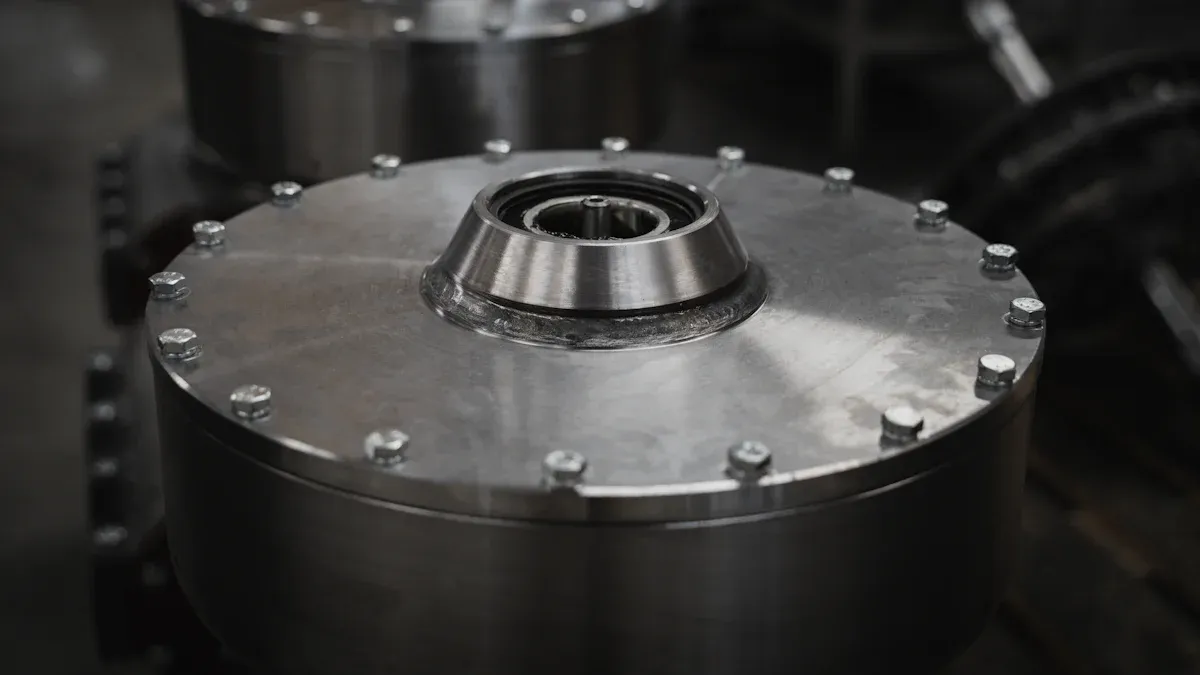
Nickel 200 flanges provide superior corrosion resistance over many alloys, including some like Hastelloy C276 pipe fittings, in specific environments. Their 99.6% pure nickel composition creates an exceptional defense against reducing chemicals and caustic alkalis. This inherent material purity directly improves operational efficiency in demanding industrial applications. The benefits include:
- Increased equipment longevity
- Reduced maintenance downtime
- Lower total cost of ownership
This makes Nickel 200 flanges a definitive choice for systems requiring ultimate reliability against corrosion.
Key Takeaways
- Nickel 200 flanges are very pure. They are 99.6% pure nickel. This makes them strong against many chemicals.
- These flanges last a long time. They need less repair. This saves money over time.
- Nickel 200 works well with strong cleaning chemicals. It also works in some acids. It can handle high heat.
- Using Nickel 200 flanges makes factories safer. It helps avoid costly shutdowns. This protects workers and saves money.
The Material Science of Nickel 200
The remarkable performance of Nickel 200 begins at the atomic level. Its unique composition as a commercially pure (CP) wrought nickel sets it apart from common alloys, providing a foundation for its exceptional corrosion resistance and mechanical integrity.
Unpacking the 9.6% Pure Nickel Composition
Nickel 200 contains a minimum of 99.6% pure nickel. This high purity minimizes the presence of other elements that can create vulnerabilities to chemical attack. The material's structure provides excellent mechanical properties, including notable tensile strength and hardness, which are critical for industrial components like flanges. These properties ensure reliability under demanding operational pressures and temperatures.
The mechanical strength of Nickel 200 varies with its condition, as shown below:
| Property | Unit | Annealed Sheet/Rods |
|---|---|---|
| Tensile Strength, Min. | psi (MPa) | 55,000 (380) |
| Hardness | HB | 100 |
This combination of purity and strength makes the material a robust choice for critical systems.
Contrasting with Traditional Stainless Steel
Many industries rely on stainless steel, such as grades 304 and 316. These alloys have a more complex composition. For instance, 316 stainless steel typically contains 16-18% chromium, 10-14% nickel, and 2-3% molybdenum, with the remainder being iron. While effective in many situations, this alloying makes them susceptible to specific corrosive agents.
Nickel 200 demonstrates superior resistance to caustic alkalis, like sodium hydroxide (NaOH), especially at high temperatures. It also excels in environments where stainless steels are inadequate.
The high nickel content in Nickel 200 flanges provides a decisive advantage. In applications involving certain reducing acids or supercritical water, stainless steel often exhibits higher corrosion rates. The fundamental difference in material science makes Nickel 200 the superior choice for environments that demand ultimate chemical stability and long-term performance.
Corrosion Resistance Profile of Nickel 200 Flanges

The true value of Nickel 200 is revealed when examining its performance in aggressive chemical environments. Its high-purity composition creates a robust defense against a wide range of corrosive agents where many other alloys falter. This profile is validated through standardized industry tests that measure material degradation under specific conditions.
How is Corrosion Resistance Measured? Industry standards, such as those outlined by ASTM, provide a framework for evaluating material performance. Common methods include:
- Immersion Test (ASTM G31): A material sample is submerged in a corrosive liquid. Technicians then measure weight loss over time to calculate the corrosion rate in units like mm/year.
- Electrochemical Tests: These methods, like Potentiodynamic Polarization (ASTM G5, G59), use electrical currents to accelerate corrosion and measure a material's resistance to localized attacks like pitting and crevice corrosion.
- Salt Spray Test (ASTM B117): This test simulates harsh marine environments by exposing a material to a saltwater fog, assessing its ability to resist chloride-induced corrosion.
These rigorous evaluations consistently demonstrate the superior protective qualities of Nickel 200.
Unmatched Performance in Caustic Alkalis
Nickel 200 exhibits exceptional resistance to caustic alkalis, such as sodium hydroxide (NaOH) and potassium hydroxide (KOH). This performance holds true across a wide range of concentrations and temperatures. While stainless steels may suffer from caustic stress corrosion cracking, Nickel 200 maintains its structural integrity, making it the premier choice for manufacturing, storing, and transporting caustic solutions. Its pure nickel surface forms a stable, passive oxide layer that prevents chemical attack, ensuring product purity and equipment longevity in applications like soap manufacturing and chemical processing.
Superiority in Reducing Acid Environments
While no single alloy resists all acids, Nickel 200 provides reliable service in many reducing acid environments. It performs well against non-oxidizing acids where the presence of oxygen is minimal. For instance, the material shows consistently good performance in both dry and wet hydrogen chloride (HCl) gas. However, its performance can be affected if strong oxidants are present. In applications involving hydrochloric acid, where alloys like Hastelloy B3 are often specified for their outstanding resistance, Nickel 200 offers a dependable solution under controlled, non-oxidizing conditions. This makes it a valuable material for specific processes within the chemical and petrochemical industries.
Resisting Halogens and High Temperatures
The performance of Nickel 200 flanges extends to high-temperature applications involving halogens. The material maintains its mechanical integrity at temperatures far exceeding the limits of many conventional alloys.
| Environment | Recommended Upper Temperature Limit |
|---|---|
| Dry Chlorine | ~500°C (930°F) |
| Dry Hydrogen Chloride | ~550°C (1020°F) |
Nickel 200's stable, face-centered cubic crystal structure helps it resist structural degradation and deformation under sustained heat loads. It forms a protective passive oxide layer that defends against oxidation and acid attack at elevated temperatures. For service above 315°C (600°F), the low-carbon variant Nickel 201 is often preferred to prevent embrittlement, but Nickel 200 provides excellent durability within its operational range. This high-temperature stability is critical for components in heat exchangers, power generation, and industrial furnaces.
The Business Case for Upgrading
Selecting the right flange material extends beyond technical specifications; it is a critical business decision with direct financial implications. While the superior corrosion resistance of Nickel 200 is clear, the business case for upgrading becomes undeniable when analyzing long-term value. The decision impacts everything from operational budgets and asset lifespan to personnel safety and plant uptime.
Analyzing Long-Term Service Life
Industrial components are assets, and their service life is a key performance indicator. Flanges made from conventional alloys often require frequent inspection and replacement in aggressive chemical environments. This planned obsolescence creates a cycle of recurring maintenance and procurement.
Nickel 200 disrupts this cycle. Its inherent resistance to a wide range of caustics and reducing agents means it does not degrade at the same rate as materials like stainless steel. This durability translates directly into a significantly longer operational lifespan. Facilities that upgrade can move from a reactive maintenance posture to a proactive one, relying on predictable, long-term performance. A longer service life reduces the total number of replacement cycles, conserving maintenance resources and ensuring greater asset integrity over decades of operation.
Calculating the Total Cost of Ownership
A common mistake in procurement is focusing solely on the initial purchase price. A more accurate financial metric is the Total Cost of Ownership (TCO), which evaluates all expenses over the component's entire lifecycle.
Total Cost of Ownership (TCO) = Initial Cost + Maintenance & Replacement Costs + Downtime Costs
While some materials appear less expensive at first glance, their TCO is often much higher due to corrosion-related failures.
| Flange Material | Average Cost |
|---|---|
| Stainless steel | $5–$30 |
| PVC | $5–$20 |
| Brass | Up to $75 |
| Copper | Up to $35 |
| Cast iron | $25–$40 |
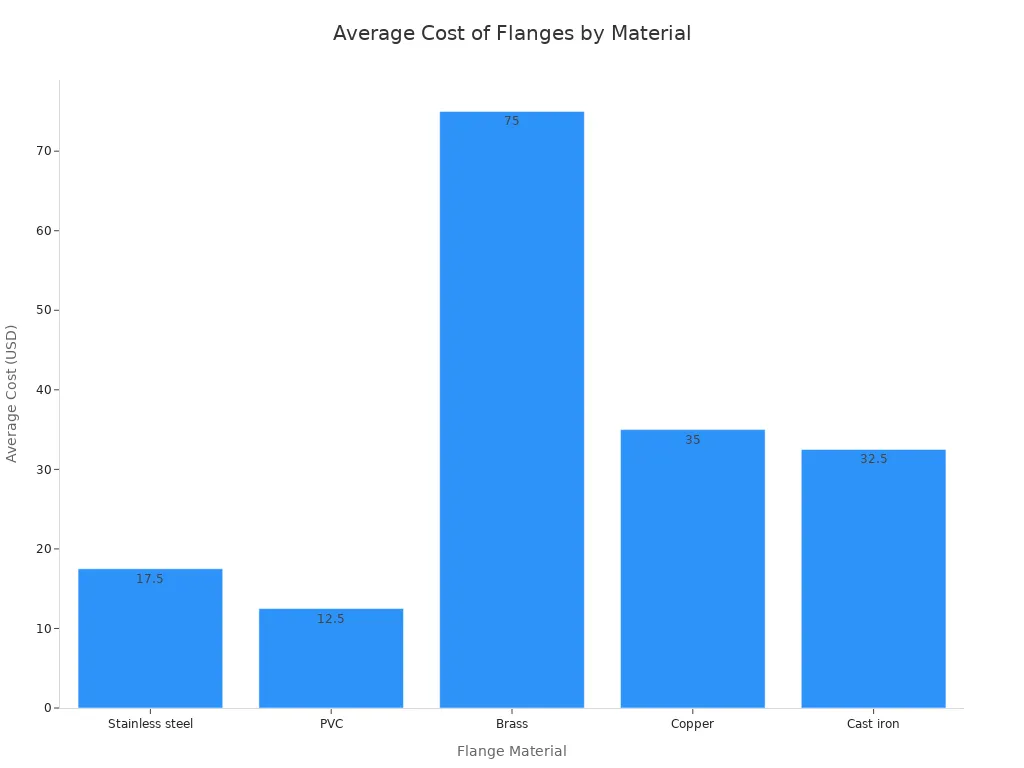
The low upfront cost of a standard stainless steel flange is deceptive. When that flange fails, the replacement costs quickly accumulate. The average labor cost to replace a single flange can range from $145 to $165, and this figure can escalate into thousands of dollars if complications like extensive water damage or a broken flange occur. By drastically reducing the frequency of these replacements, Nickel 200 minimizes these recurring labor and material expenses, delivering a lower TCO and a stronger return on investment.
Enhancing Safety and Reducing Downtime
The most significant costs of flange failure are not financial but human. A corroded flange is a safety hazard that can lead to catastrophic events. On October 21, 2021, a corroded flange gasket at a Honeywell facility failed during startup, spraying a worker with toxic hydrogen fluoride (HF). The worker later died from the exposure, and the incident cost the company $14 million in damages. This tragic event highlights the real-world consequences of material degradation in critical service.
Beyond catastrophic failures, flange integrity is essential for preventing dangerous leaks and maintaining a safe work environment. The risks associated with poor flange management are severe:
- Leaks: The release of hazardous liquids or gases poses immediate risks to personnel and the environment.
- Explosions: Flange failures in high-pressure systems create a significant risk of explosion.
- Financial Penalties: A single corrosion-related incident can incur costs ranging from £50,000 to £200,000.
Furthermore, unscheduled downtime from a failed component can cripple production. The financial impact of an unplanned shutdown is immense, leading to lost production revenue that can reach millions of dollars per day. Associated costs include overtime labor for emergency repairs, expedited shipping for replacement parts, and potential contractual penalties for delayed deliveries. By specifying robust Nickel 200 Flanges, engineers build safety and reliability directly into the system, protecting personnel and ensuring operational continuity.
Industrial Applications and Use Cases
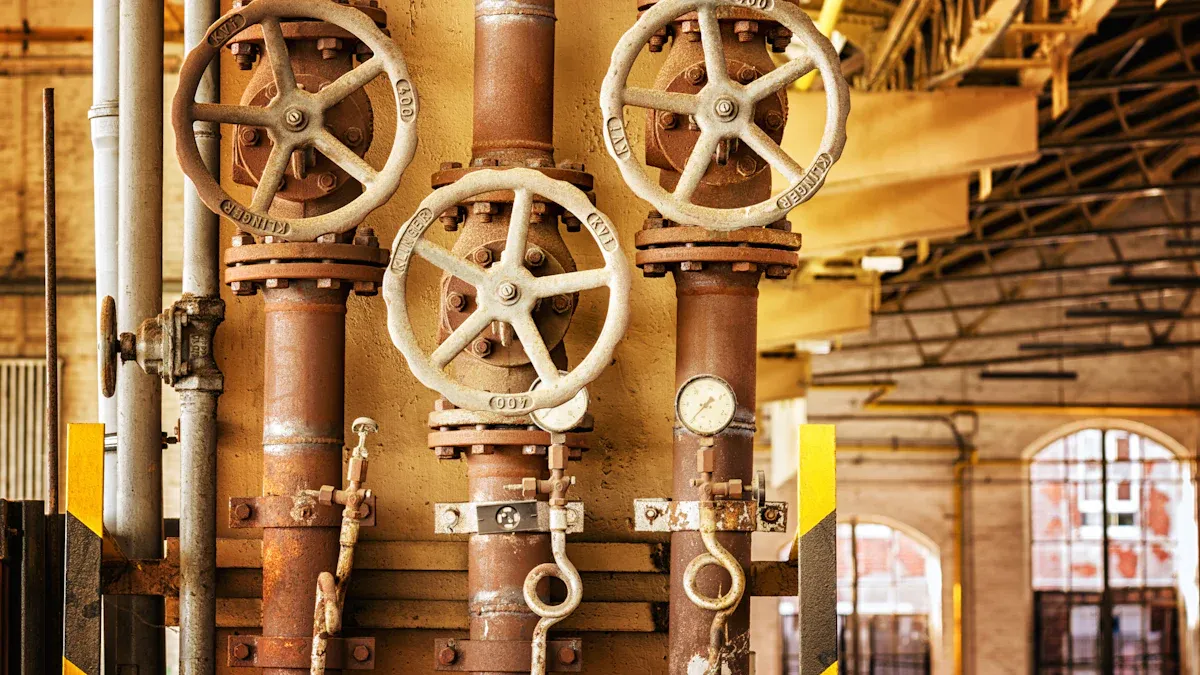
The theoretical benefits of Nickel 200 translate into tangible performance advantages across several demanding industries. Its unique properties make it an indispensable material for applications where corrosion resistance and product purity are paramount.
Chemical and Petrochemical Processing
In the chemical and petrochemical sectors, equipment must withstand highly corrosive substances. Nickel 200 excels in these harsh conditions, particularly when handling alkaline chemicals. Its resistance prevents rapid degradation that other alloys experience.
The material provides exceptional service life in systems that process or store aggressive chemicals. This reliability is critical for maintaining operational safety and efficiency.
Key applications include handling:
- Caustic alkalis
- Sodium Hydroxide
- Caustic soda
Its performance ensures both equipment integrity and the purity of the chemical products.
Food Processing and Handling
The food and beverage industry requires materials that prevent any form of contamination. Nickel 200's chemical stability is essential for maintaining the purity of final products. It is non-toxic and meets FDA standards for food contact. The material's excellent corrosion resistance prevents metallic ions from leaching into sensitive products like fatty acids, fruit juices, and edible oils. Furthermore, its smooth, cleanable surface is vital for sanitation, as it resists aggressive cleaning chemicals used for sterilization. This ensures hygiene and product integrity are maintained throughout processing.
Power Generation and Heat Exchangers
Power generation facilities and systems with heat exchangers operate under extreme temperatures and pressures. Nickel 200 demonstrates excellent thermal conductivity and high-temperature strength, making it ideal for these environments. It is a critical component in specific heat exchanger designs where corrosion could lead to catastrophic failure. For example, engineers specify it for evaporator tubes used to concentrate chlor-alkali solutions. It is also essential for pipelines and heat exchangers that convey high-concentration alkaline chemicals like potassium hydroxide (KOH), ensuring long-term reliability and preventing system downtime.
The exceptional performance of Nickel 200 flanges stems directly from their pure nickel composition. This provides unmatched resistance to caustics and reducing agents where traditional alloys fail. Economic analysis confirms their long-term value; the higher initial investment is offset by a longer service life and significantly reduced maintenance costs. This makes the material an economically sound choice for severe service.
For critical applications demanding ultimate corrosion freedom, Nickel 200 flanges are the definitive engineering choice, ensuring safety and operational continuity.
FAQ
What makes Nickel 200 flanges special?
Their 99.6% pure nickel composition provides exceptional corrosion resistance. This high purity offers a robust defense against caustic alkalis and reducing chemicals where other alloys might fail. The material ensures long-term equipment reliability and operational safety in demanding industrial environments.
Are Nickel 200 and Nickel 201 interchangeable?
No, they serve different temperature ranges. Nickel 200 is excellent for service up to 600°F (315°C). For higher temperatures, engineers specify Nickel 201. Its lower carbon content prevents embrittlement and maintains material integrity under sustained heat, making it the superior choice for high-temperature processes.
In which specific environments do these flanges excel?
Nickel 200 flanges provide unmatched performance in systems handling caustic alkalis like sodium hydroxide. They also offer reliable service in specific reducing acid environments and high-purity applications, such as food processing and chemical manufacturing, where product integrity is essential.
Is the higher initial cost of Nickel 200 justified?
Yes, the long-term value justifies the investment. Nickel 200's extended service life drastically reduces replacement frequency, maintenance labor, and costly operational downtime. This results in a lower Total Cost of Ownership (TCO) for critical systems, delivering a strong return on investment.
See Also
Mastering Pass Partition Plate Welding: Expert Guidance for 2025 Success
Innovative Materials Transforming Heat Exchanger Supply Chains and Performance
Achieving Optimal Outcomes: Steel Processing in Heat Exchange Applications
Essential Beginner's Handbook: Frame Plate Kits for Vehicle Reinforcement
Fortifying Doors and Hinges: Protection Against Wildfires and Flooding