New Use Exploration of HTPB Rocks Rocket Results
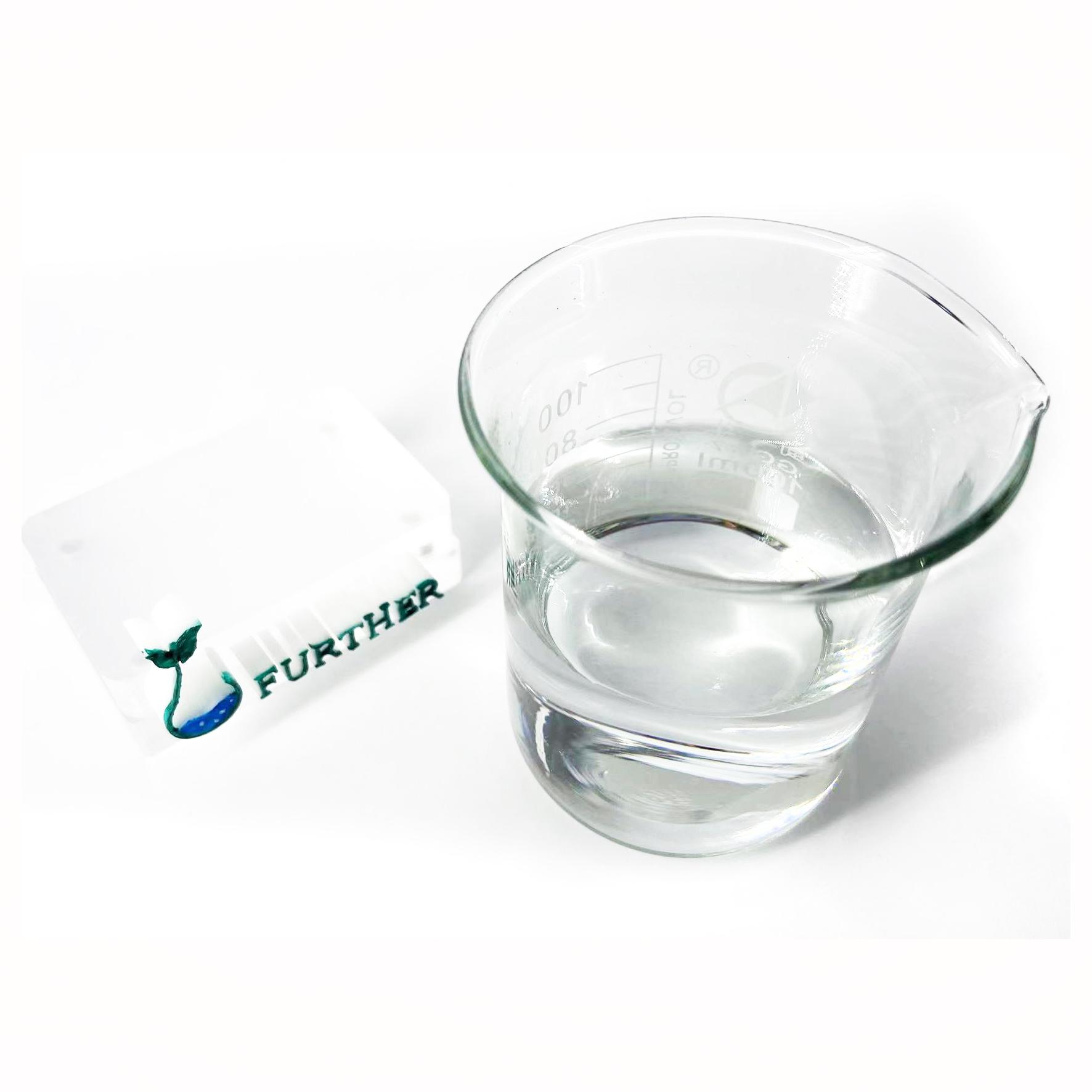
You see new use exploration of HTPB (Hydroxyl-terminated polybutadiene) changing rocket propellants. CAS 69102-90-5 HTPB Hydroxyl-terminated polybutadiene increases energy density and stability. Recent tests show higher specific impulse, improved range, and better combustion temperature.
- The demand for HTPB rises as private companies build reusable launch systems.
- Greener propellant formulations drive innovation in HTPB production.
Key Takeaways
- HTPB propellants increase rocket performance by providing higher energy density and thrust, allowing rockets to fly farther and carry heavier payloads.
- New manufacturing methods ensure consistent quality and reliability in HTPB propellants, making them safer and easier to handle.
- Using biomass and greener materials in HTPB formulations helps reduce pollution and supports environmental sustainability in the aerospace industry.
New Use Exploration of HTPB (Hydroxyl-terminated polybutadiene) in Solid Propellants
Recent Innovations in HTPB Formulations
You can see how the New Use Exploration of HTPB (Hydroxyl-terminated polybutadiene) brings exciting changes to rocket fuel. Scientists now use partial hydrogenation to boost the hydrogen-to-carbon ratio in HTPB. This process uses palladium as a catalyst. With about 37% hydrogenated HTPB as a binder, you get a higher specific impulse—up to 1.2 seconds more. This means rockets can fly farther and faster. The New Use Exploration of HTPB (Hydroxyl-terminated polybutadiene) also helps keep the fuel strong and free from defects.
| Aspect | Previous Applications | New Applications |
|---|---|---|
| Efficiency | Limited by traditional formulations | Enhanced through innovative formulations and R&D |
| Performance | Adequate for standard uses | Improved for high-performance sectors like aerospace and construction |
| Environmental Impact | Basic considerations | Focus on sustainability and reduced ecological footprint |
| Technological Innovation | Gradual improvements | Rapid advancements with strategic collaborations |
Advances in Manufacturing and Processing
You benefit from new manufacturing methods that make HTPB-based propellants more reliable. Labs now use updated specifications for military-grade HTPB. These updates help you get consistent results in energetic formulations. Scientists use both batch and continuous chemical processes to make HTPB. These methods improve quality and reliability. You can trust that each batch of HTPB will perform as expected.
- Updated specifications ensure consistent behavior in rocket propellants.
- Labs use measurable polymer characterization to improve quality.
- Modern processes help you get better results every time.
Integration with Modern Propellant Technologies
The New Use Exploration of HTPB (Hydroxyl-terminated polybutadiene) connects you to global research. Countries like Sri Lanka, Bangladesh, Indonesia, and Pakistan work with international partners to advance HTPB propellant technology. You see rapid advancements in regression rates and combustion efficiency. Some new formulations increase regression rates by up to 21%. These improvements help rockets achieve higher thrust and better performance. The New Use Exploration of HTPB (Hydroxyl-terminated polybutadiene) now supports both military and commercial launches.
Tip: When you use modern HTPB formulations, you help create greener, more powerful rockets for the future.
Rocket Performance Results and Industry Impact

Enhanced Energy Density and Thrust
You can see how the New Use Exploration of HTPB (Hydroxyl-terminated polybutadiene) leads to rockets with more energy and power. When you use HTPB as a binder, you get a propellant that burns hotter and pushes rockets farther. This means you can launch heavier payloads or reach higher altitudes. Many engineers choose HTPB because it gives a higher specific impulse, which is a measure of how efficiently a rocket uses its fuel. You help rockets fly faster and longer by using these advanced formulations.
Improved Mechanical and Safety Properties
You benefit from HTPB propellants because they are strong and safe. The table below shows how HTPB propellants compare to older materials:
| Property | HTPB Propellants | Legacy Materials |
|---|---|---|
| Tensile Strength | 12.2 kg/cm² | Decreased |
| Elastic Modulus | 40.2 kg/cm² | Decreased |
| Percentage Elongation | 40.2% | Increased |
| Viscosity | Decreased | N/A |
| Hardness | Decreased | N/A |
You get higher tensile strength and elastic modulus, which means the propellant is tougher and less likely to break. Lower viscosity and hardness make it easier to handle and shape. Global defense agencies and aerospace companies invest in HTPB research to make propellants safer. They focus on improving burn rates, reducing sensitivity, and increasing storage stability. You can trust these propellants to perform well and stay safe during storage and use.
Note: Scientists also use new curing agents and additives that are better for the environment and meet strict safety rules.
A recent study showed that using potassium salts with ammonium nitrate makes a greener oxidizer for HTPB propellants. This method keeps the propellant stable and strong, even when temperatures change. You get better combustion and less risk of problems during flight.
Environmental and Operational Benefits
You help protect the environment when you use HTPB propellants. Many new propellant formulas use biomass, like apricot waste, to replace some chemicals. This reduces landfill waste and greenhouse gas emissions. You also lower the use of toxic chemicals, making the workplace safer and cleaner. The aerospace industry now works hard to find sustainable solutions, and HTPB fits these goals.
- Using agricultural waste in propellants cuts down on pollution.
- Biomass-based materials reduce the need for oil-based chemicals.
- Safer ingredients mean less harm to people and nature.
The move to greener propellants shows that you can have high performance and care for the planet at the same time.
Test Data and Real-World Launch Outcomes
You can see the success of HTPB propellants in real rocket launches. The table below lists some famous rockets that use HTPB and their results:
| Rocket Launch | Propellant Type | Outcome |
|---|---|---|
| Delta II | HTPB | Improved performance by 11% with Castor 4A engine |
| Ariane 5 | HTPB | Successful launch since first flight in 1996 |
| Vega | HTPB | In production, utilizing Zefiro 23 and Zefiro 9 engines |
You notice that these rockets have reliable launches and better performance. The Delta II rocket, for example, saw an 11% boost in performance. Ariane 5 has used HTPB since 1996 with great success. Vega rockets continue to use HTPB in their engines, showing that this material works well in real missions.
🚀 When you choose HTPB propellants, you join a group of engineers and scientists who push the limits of rocket technology and make space travel safer and greener.
You see HTPB changing rocket technology. New uses help rockets fly higher and safer. The table below shows how industries adapt to these changes:
| Implication Type | Description |
|---|---|
| Regional Supply | Local suppliers meet special needs. |
| End-Use Specialization | Different industries pick HTPB grades for their own uses. |
| Competition | Companies focus on quality and steady supply. |
You can expect more breakthroughs as demand grows in aerospace and defense.
- HTPB helps make rockets more reliable and powerful.
- More countries invest in space and missile technology.
- HTPB also finds new uses in cars and electronics.
HTPB will keep shaping the future of rockets and advanced materials.
FAQ
What is HTPB used for in rockets?
You use HTPB as a binder in solid rocket propellants. It holds fuel and oxidizer together, making the propellant strong and flexible.
How does HTPB improve rocket performance?
HTPB gives you higher energy density and better thrust. It helps rockets fly farther and carry heavier payloads.
Is HTPB safe to handle?
You should follow safety guidelines. HTPB has low toxicity and good stability, making it safer than many other rocket propellant materials.
See Also
Key Insights About Thoriated Tungsten for Enhanced TIG Welding
Reliable Steel Processing Techniques for Effective Heat Exchange Solutions
Understanding Nozzle Options for Gardeners and Bioprinting Professionals
Innovative Materials Transforming the Supply of Heat Exchangers
Ways to Reduce Environmental Impact Using Plate Heat Exchangers