What to Expect from New Excavator Factories Opening in 2026
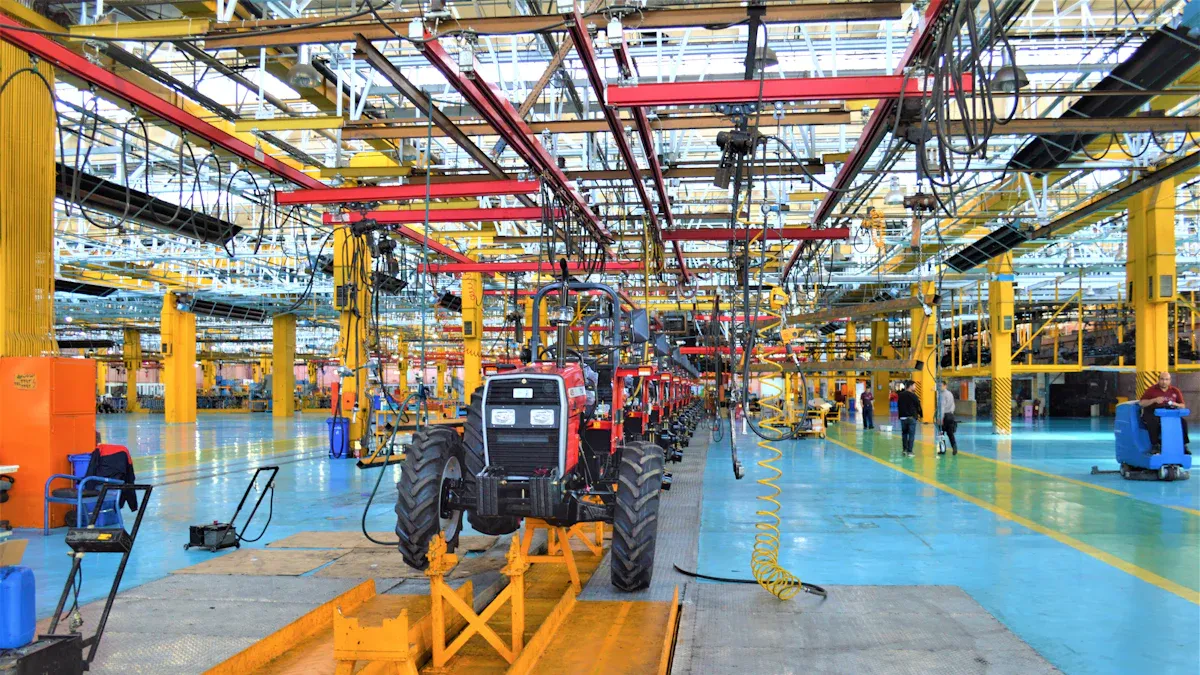
The 2026 launch of a new excavator factory by industry leaders like Volvo and John Deere promises shorter equipment lead times. These facilities will introduce more advanced machinery. They also fortify regional supply chains. This change enhances equipment availability and operational efficiency for North American construction businesses.
Key Takeaways
- New excavator factories in North America will make equipment available faster. This helps construction businesses get machines quickly.
- These factories will offer new types of excavators. They will include advanced technology and electric models.
- Local production will create jobs and strengthen the supply chain. This makes equipment more reliable for businesses.
Direct Impact on Equipment Availability and Access
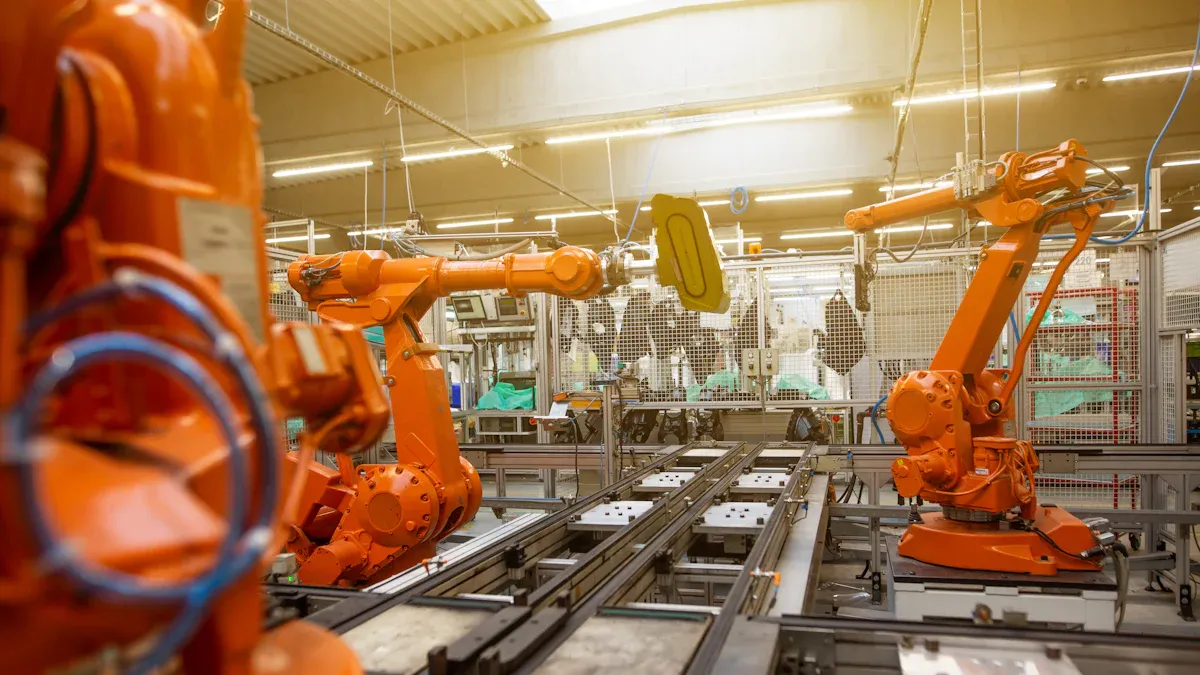
The opening of new manufacturing plants in North America will directly improve how construction companies acquire and use heavy machinery. These facilities create a more responsive and robust equipment ecosystem. Businesses can expect tangible benefits that streamline their operations and enhance project planning.
Shorter Lead Times via Localized Production
A primary advantage of a domestic excavator factory is the significant reduction in equipment lead times. Currently, many machines travel long distances across oceans, leading to extended waiting periods. Localized production eliminates these lengthy shipping delays.
Note: When a company orders an excavator built in North America, the machine moves from the factory floor to the job site much faster. This allows project managers to schedule tasks with greater confidence and reduces costly downtime spent waiting for equipment to arrive.
This proximity gives businesses quicker access to the machinery they need, enabling them to start projects sooner and adapt more rapidly to changing demands.
A More Resilient Supply Chain
Recent global events, including the COVID-19 pandemic and geopolitical tensions, exposed major vulnerabilities in the global supply chain. These disruptions caused widespread equipment shortages, delivery delays, and increased costs for construction firms across North America.
A new excavator factory in the region strengthens the supply chain. It reduces reliance on international shipping lanes and foreign ports, which can become bottlenecks during a crisis. By sourcing and assembling machines domestically, manufacturers create a more stable and predictable supply network. This resilience ensures that businesses have more reliable access to new equipment and replacement parts, protecting them from the volatility of global events.
Expanded Domestic Product Lines
New factories are not just about producing more of the same equipment; they are about producing a wider variety of it. Manufacturers are designing these modern facilities to be flexible. This allows them to build multiple types of excavators on the same assembly lines.
For example, industry leaders are planning facilities capable of producing both traditional internal combustion engine (ICE) models and the latest generation of electric excavators. This strategy allows them to meet diverse customer needs, from companies requiring raw power for heavy-duty jobs to those prioritizing sustainability and low-emission performance in urban environments. Construction professionals will gain access to a broader catalog of machines built right here in North America.
Tailored Regional Equipment
Manufacturing excavators locally allows producers to design machines specifically for the North American market. Equipment must comply with strict regional regulations, and a domestic presence simplifies this process. North American rules, largely set by the Environmental Protection Agency (EPA), focus heavily on emissions, operational efficiency, and noise levels. For instance, nearly 60% of mini excavators sold in the U.S. already meet the EPA's Tier 4 compliance standards.
Local factories can better integrate these requirements into the design and manufacturing process. Key adaptations include:
- Implementing advanced emission control systems to meet clean air standards.
- Designing machinery that fulfills regional safety and ergonomic standards for operators.
- Investing in research and development to create compliant and sustainable products.
This focus ensures that the equipment is not only powerful and efficient but also fully compliant with local laws right off the assembly line.
Broader Industry and Economic Shifts
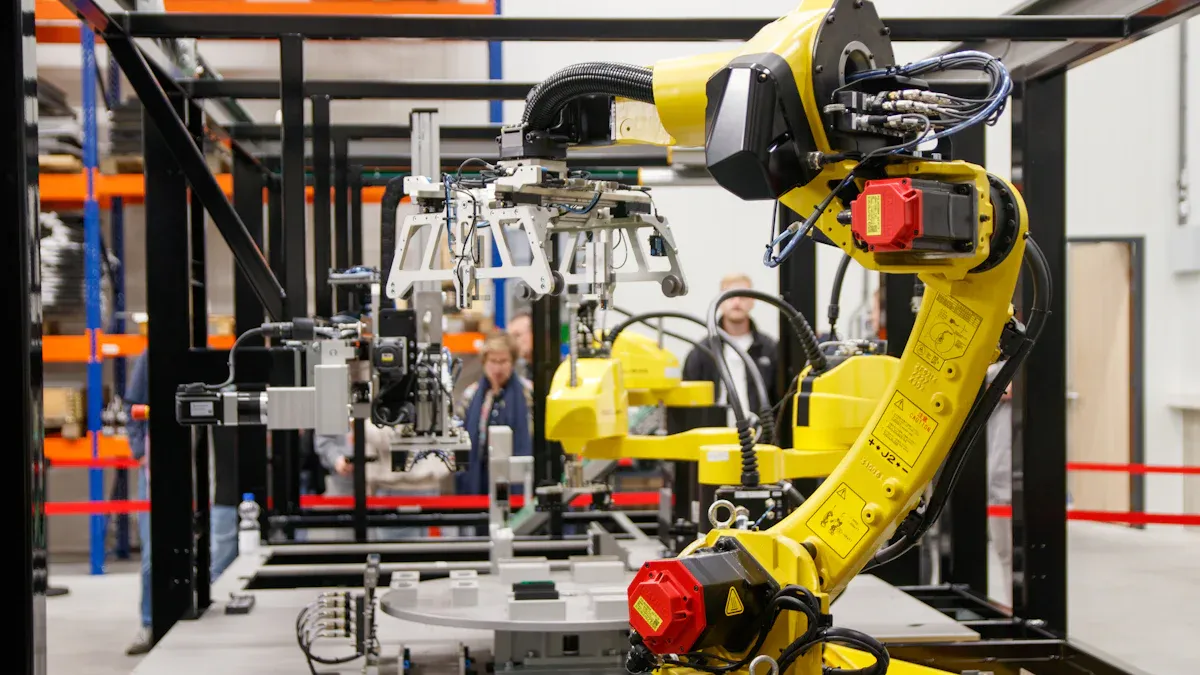
The arrival of new excavator factories creates ripples that extend beyond the construction site, influencing technology, local economies, and equipment pricing. These facilities represent a major investment in North American industry, sparking significant changes for manufacturers and end-users alike.
Impact of a Modern Excavator Factory
A modern excavator factory is more than an assembly plant; it is a center for innovation. These facilities integrate advanced robotics, data analytics, and sustainable practices into the manufacturing process. This approach improves production quality and consistency. It also establishes a foundation for building the next wave of intelligent and efficient machinery.
Access to Next-Generation Technology
New factories are designed to produce the latest equipment, giving businesses direct access to cutting-edge technology. Advanced systems in new excavators significantly boost efficiency and lower operational costs.
- Hybrid systems can reduce fuel consumption by 30-40%.
- Smart hydraulic systems and fuel-efficient engines ensure operating costs remain manageable.
- Electric-drive components provide instant torque for smoother operation.
- Electric motors and batteries require less maintenance, reducing equipment downtime.
These technologies help companies complete jobs faster while saving money on fuel and repairs.
Local Economic and Job Growth
The construction and operation of a large excavator factory directly stimulates local economies. These projects create hundreds of jobs in manufacturing, engineering, and administration. They also support a network of regional suppliers, logistics companies, and service providers, generating further employment and economic activity throughout the community.
Potential Effects on Equipment Pricing
Domestic production may influence both the initial cost and long-term value of excavators. Producing machines locally reduces shipping expenses and import tariffs, which could lead to lower purchase prices for customers. However, the biggest financial impact may be in the resale market.
Technologically advanced features like GPS guidance and telematics will command a premium in the used market. At the same time, newer models that meet strict EPA emissions standards will hold their value better than older, non-compliant machines.
This shift means that while the upfront cost might change, the total cost of ownership and resale value will become even more important factors.
Construction professionals will see major advantages starting in 2026. These new factories represent a significant investment in the North American market. Key benefits for the industry include:
- Faster access to technologically advanced excavators.
- A more stable and resilient domestic supply chain.
- Greater operational efficiency on job sites.
FAQ
How will these factories affect equipment delivery times?
Local production significantly cuts shipping delays. Businesses can expect to receive new excavators much faster. This change allows for more accurate project scheduling and reduces operational downtime.
Will these factories only produce traditional excavators?
No, these modern facilities are flexible. They will produce both traditional diesel models and the latest electric excavators. This strategy meets diverse customer demands for power and sustainability.
Will new excavators become cheaper?
Lower shipping costs could reduce initial purchase prices. Advanced features and EPA compliance will also help new models retain higher resale value, impacting the total cost of ownership.
See Also
Exploring Molybdenum High-Temperature Furnaces: A 2025 Comprehensive Overview
Assessing Molybdenum Plugs' Role in 2025 Seamless Steel Pipe Manufacturing
Industrial Semi-Welded Plate Heat Exchangers: Your Essential 2025 Operational Guide
Top 6 Industrial Vacuum Cleaners Essential for Every Business Operation
Discovering Premier Sources for X-Ray Inspection Machines Across China