N N-Dimethyl-N N-Diphenylurea Safety Tips for 2025
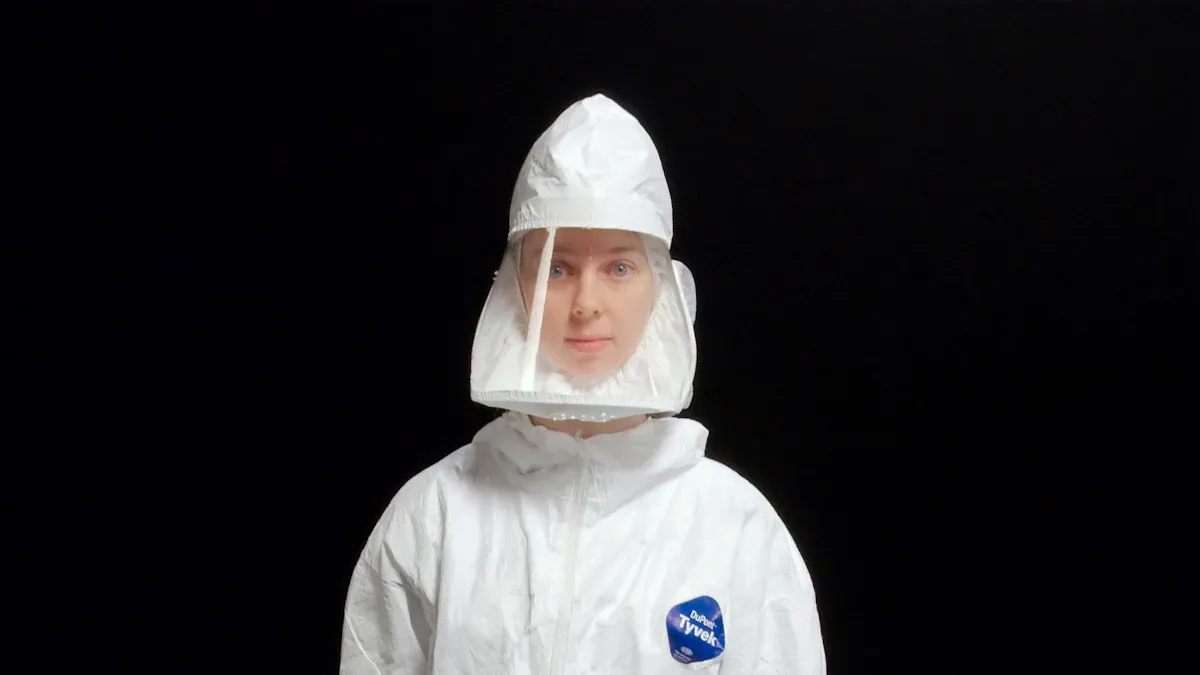
You must wear personal protective equipment when working with N N-Dimethyl-N N-Diphenylurea. Use a fume hood to limit inhalation risks. Store the chemical in labeled containers. Prepare for emergencies by learning first aid. Dispose of waste according to regulations.
Tip: Always double-check container labels before use.
Key Takeaways
- Always wear personal protective equipment (PPE) like gloves, goggles, and lab coats when handling N N-Dimethyl-N N-Diphenylurea to prevent exposure.
- Use a fume hood during work to minimize inhalation risks and ensure proper ventilation in your workspace.
- Label all containers clearly and store N N-Dimethyl-N N-Diphenylurea away from incompatible substances to avoid dangerous reactions.
N N-Dimethyl-N N-Diphenylurea Personal Protective Equipment
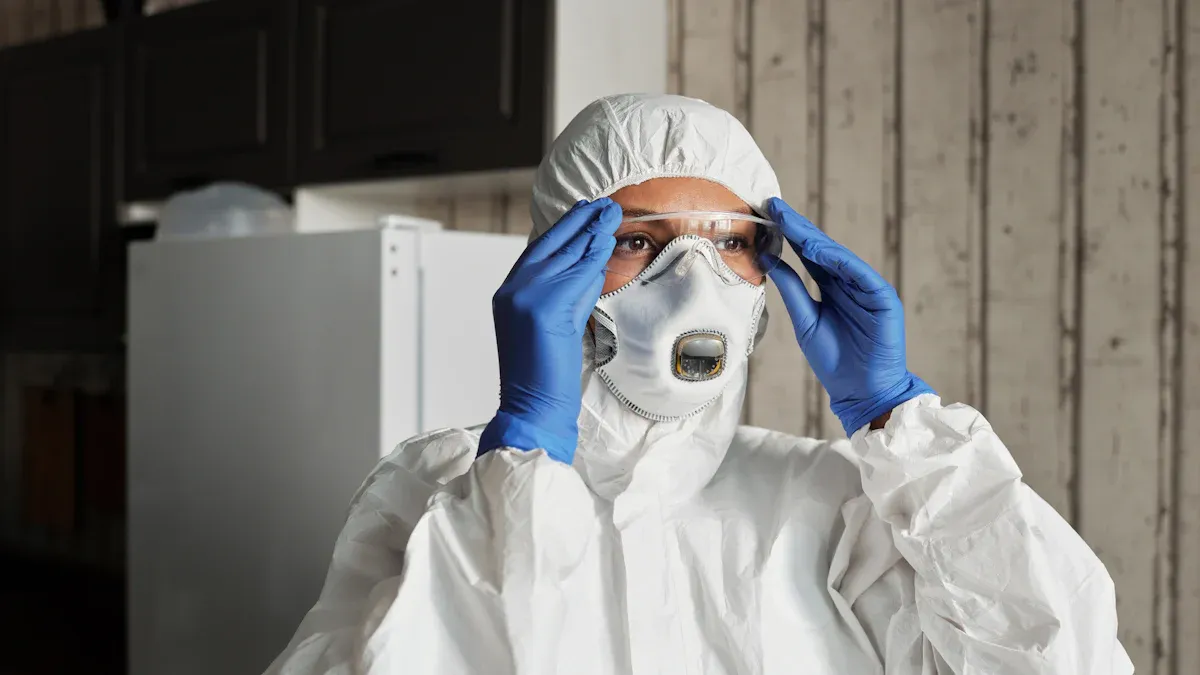
Gloves and Hand Protection
You must protect your hands when working with N N-Dimethyl-N N-Diphenylurea. Choose chemical-resistant gloves made from nitrile or neoprene. These materials block most chemical splashes and prevent skin absorption. Inspect gloves for holes or tears before each use. Replace gloves immediately if you notice any damage.
Tip: Always wash your hands after removing gloves, even if you wore them the entire time.
Eye and Face Protection
Your eyes and face need strong protection from splashes and dust. Wear safety goggles with side shields to guard your eyes. For extra safety, use a face shield if you expect splashes or if you work with large amounts of N N-Dimethyl-N N-Diphenylurea. Never wear contact lenses in the lab, as chemicals can get trapped behind them.
| Protection Type | When to Use | Example Equipment |
|---|---|---|
| Goggles | All handling activities | Chemical splash goggles |
| Face Shield | Mixing or pouring powders | Full-face shield |
Protective Clothing and Footwear
You should wear a lab coat or chemical-resistant apron to protect your skin and clothing. Choose long sleeves and long pants to cover as much skin as possible. Closed-toe shoes are a must. Avoid sandals or open footwear. If you spill N N-Dimethyl-N N-Diphenylurea on your clothes, change them right away.
Respiratory Protection
Sometimes, you may need extra protection from dust or fumes. Use a properly fitted respirator if you cannot avoid inhaling N N-Dimethyl-N N-Diphenylurea. Select a respirator approved for organic dusts or vapors. Check the fit before each use. Replace filters as recommended by the manufacturer.
Note: Always use a fume hood if possible. Respirators are a backup, not a replacement for good ventilation.
Removing Contaminated PPE Before Eating
Never eat, drink, or touch your face while wearing contaminated PPE. Remove gloves, lab coats, and other protective gear before leaving the work area. Wash your hands thoroughly with soap and water. This simple step prevents accidental ingestion of N N-Dimethyl-N N-Diphenylurea and keeps you safe.
N N-Dimethyl-N N-Diphenylurea Safe Handling Procedures
Safe Transfer and Measurement
You should always transfer and measure chemicals with care. Use dedicated tools like spatulas, scoops, or pipettes that are clean and dry. Avoid using your hands or makeshift tools. Work slowly to prevent spills or splashes. If you need to weigh N N-Dimethyl-N N-Diphenylurea, use a balance in a draft-free area. Tare the container before adding the chemical to get an accurate measurement. Double-check your calculations and measurements before moving to the next step.
Tip: Always keep containers closed when not in use to prevent contamination and accidental exposure.
Mixing and Dilution Safety
When you mix or dilute chemicals, you must follow a step-by-step process. Add N N-Dimethyl-N N-Diphenylurea to solvents slowly, not the other way around. Stir gently to avoid creating dust or splashes. Use a fume hood if you expect vapors or dust. Never mix chemicals unless you know they are compatible. Read the safety data sheet for information about possible reactions. If you see any unexpected changes, such as color shifts or heat, stop and seek help.
Minimizing Direct Contact and Exposure
You can reduce your risk by keeping direct contact to a minimum. Always use tools instead of your hands. Wear gloves, goggles, and protective clothing at all times. Keep your work area organized so you do not accidentally touch contaminated surfaces. If you spill any chemical on your skin, wash it off right away with soap and water. Do not touch your face, eyes, or mouth while working.
Dry Cleanup and Spill Prevention
Spill prevention starts with careful handling and planning. If a spill happens, act quickly and follow these steps:
- Cover drains to prevent chemicals from entering the water system.
- Collect the spilled material using absorbent pads or binders.
- Pump off any liquid if possible.
- Check for any material restrictions before cleanup.
- Pick up dry material carefully to avoid making dust.
- Dispose of all waste properly according to your facility’s guidelines.
- Clean the affected area thoroughly after removing the spill.
- Avoid creating dust during cleanup.
Note: Always keep spill kits nearby and know how to use them before you start your work.
Avoiding Food and Drink in Work Areas
Never bring food, drinks, or chewing gum into areas where you handle chemicals. Eating or drinking in the lab increases your risk of accidental ingestion. Store your snacks and beverages in a separate, clean area. Wash your hands before you eat or drink, even if you wore gloves. This simple rule protects your health and keeps your workspace safe.
N N-Dimethyl-N N-Diphenylurea Ventilation and Workspace Controls
Using Fume Hoods and Local Exhaust
You should always use a fume hood when working with N N-Dimethyl-N N-Diphenylurea. Fume hoods pull harmful vapors and dust away from your breathing zone. Turn on the hood before you start your work. Check the airflow gauge to make sure it works properly. If you handle small amounts, a local exhaust system can also help. Place your equipment as far back in the hood as possible. Keep the sash at the recommended height for best protection.
Tip: Never block the airflow in your fume hood with large objects or clutter.
Maintaining Clean and Organized Workspaces
A clean workspace keeps you safe and helps you work efficiently. Remove unnecessary items from your bench before you begin. Wipe down surfaces before and after handling chemicals. Store tools and chemicals in their proper places. Use labeled containers for all materials. If you spill something, clean it up right away. You lower your risk of accidental exposure when you keep your area tidy.
| Good Practice | Why It Matters |
|---|---|
| Clear surfaces | Prevents contamination |
| Labeled containers | Avoids mix-ups |
| Immediate cleanup | Reduces exposure |
Monitoring Air Quality
You need to monitor air quality in your workspace. Use air monitors or badges to check for chemical vapors. Review the readings at regular intervals. If you notice strong odors or feel unwell, leave the area and report the problem. Good ventilation and regular checks protect your health when working with N N-Dimethyl-N N-Diphenylurea.
N N-Dimethyl-N N-Diphenylurea Storage and Labeling
Selecting Proper Containers
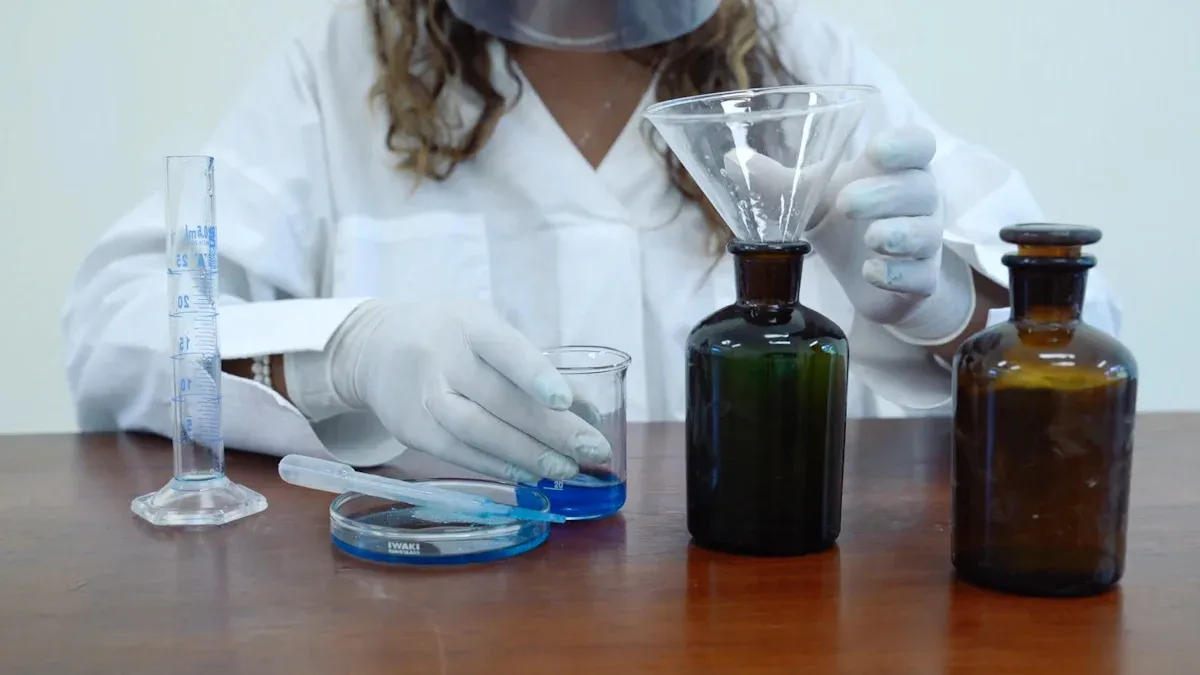
You need to choose the right containers to store chemicals safely. Always use the original container if possible. Make sure the container closes tightly. This prevents leaks and keeps moisture out. Place the container in a dry, cool, and well-ventilated area. Never use food containers or anything that could confuse someone about the contents.
- Use original, tightly closed containers.
- Store in a dry, cool, and well-ventilated place.
- Keep away from foodstuff containers or incompatible materials.
Labeling and Signage
Clear labeling helps you avoid mistakes. Every container must have a label with the chemical name, hazard warnings, and the date received. Use waterproof markers or printed labels. Place warning signs in storage areas. This alerts everyone to the presence of hazardous materials. Good labeling prevents accidents and helps during emergencies.
Tip: Replace damaged or faded labels right away to keep information clear.
Segregation from Incompatible Substances
You must separate N N-Dimethyl-N N-Diphenylurea from incompatible substances. Store it away from acids, bases, and oxidizers. Use dedicated shelves or cabinets for different chemical types. This reduces the risk of dangerous reactions. Never stack incompatible chemicals together. Check your facility’s chemical compatibility chart for guidance.
Temperature and Humidity Control
Control temperature and humidity to keep chemicals stable. Store N N-Dimethyl-N N-Diphenylurea in a cool area, away from direct sunlight and heat sources. Use a thermometer and hygrometer to monitor conditions. High humidity can cause clumping or spoilage. Keep the storage area dry to protect both the chemical and the container.
N N-Dimethyl-N N-Diphenylurea Emergency Measures
Spill Response and Dry Cleanup Procedures
If you spill N N-Dimethyl-N N-Diphenylurea, act quickly to protect yourself and others. First, alert everyone nearby and evacuate the area if needed. Put on your personal protective equipment before you begin cleanup. Cover any drains to stop the chemical from spreading. Use absorbent pads or dry materials to collect the spill. Avoid creating dust by working slowly and carefully. Place all contaminated materials in a sealed, labeled waste container. Clean the area with water and soap after removing the spill.
Tip: Always keep a spill kit in your workspace and check that it is fully stocked.
First Aid for Skin and Eye Exposure
If N N-Dimethyl-N N-Diphenylurea touches your skin, remove any contaminated clothing right away. Wash the affected area with soap and plenty of water. For eye exposure, rinse your eyes with clean water for at least 15 minutes. Hold your eyelids open and move your eyes in all directions to flush out the chemical. After first aid, seek medical attention as soon as possible.
Inhalation and Ingestion Response
If you breathe in the chemical, move to fresh air immediately. If you have trouble breathing, use oxygen if available. If you stop breathing, someone should give artificial respiration, but avoid mouth-to-mouth contact. If you swallow N N-Dimethyl-N N-Diphenylurea, rinse your mouth with water. Do not induce vomiting. Never give anything by mouth to someone who is unconscious. Call a doctor or Poison Control Center right away.
| Exposure Type | First Aid Steps |
|---|---|
| Inhalation | Move to fresh air, give oxygen if needed, seek medical help |
| Skin Contact | Remove clothing, wash with soap and water, consult a doctor |
| Eye Contact | Rinse with water for 15 minutes, consult a doctor |
| Ingestion | Rinse mouth, do not induce vomiting, call for medical help |
Emergency Contact Information
Keep emergency contact numbers posted in your work area. Include the local fire department, Poison Control Center, and your workplace safety officer. Make sure everyone knows where to find this information. Quick access to contacts can save valuable time during an emergency.
N N-Dimethyl-N N-Diphenylurea Waste Disposal
Safe Collection and Containment
You must collect all N N-Dimethyl-N N-Diphenylurea waste in containers that resist chemicals. Use containers with tight-fitting lids to prevent leaks or spills. Label each container with the chemical name, hazard warnings, and the date. Never mix this waste with other chemicals. Keep the waste containers in a designated area until you can dispose of them properly.
Tip: Always check containers for cracks or damage before use.
Regulatory Compliance and Documentation
You need to follow all local, state, and federal regulations when disposing of chemical waste. Keep detailed records of the amount and type of waste you generate. Fill out waste tracking forms as required by your facility. Accurate documentation helps you stay compliant and protects your organization during inspections.
| Documentation Step | Why It Matters |
|---|---|
| Label waste containers | Prevents mix-ups |
| Log waste quantities | Tracks disposal needs |
| File disposal receipts | Proves regulatory compliance |
Approved Disposal Methods
You should never pour N N-Dimethyl-N N-Diphenylurea down the drain or throw it in the trash. Use only disposal methods approved by your environmental health and safety office. Most facilities require you to send chemical waste to a licensed hazardous waste disposal company. Follow their instructions for packaging and transport.
Environmental Precautions
Protect the environment by preventing leaks and spills during storage and transport. Store waste containers away from drains and water sources. Inspect storage areas regularly for signs of leaks. If you notice a spill, clean it up right away using proper procedures. Responsible waste management keeps your workplace and the environment safe.
You protect yourself and your team by following every safety step.
- Store N N-Dimethyl-N N-Diphenylurea in tightly sealed, labeled containers.
- Keep it cool, dry, and away from incompatible materials.
- Review the Safety Data Sheet often.
- Respond quickly to spills or exposure using clear emergency procedures.
FAQ
What should you do if you accidentally spill N N-Dimethyl-N N-Diphenylurea?
Act quickly. Wear PPE. Use absorbent pads for cleanup. Place waste in a labeled container. Wash the area with soap and water. Notify your supervisor.
Can you store N N-Dimethyl-N N-Diphenylurea with other chemicals?
No. You must store it separately from acids, bases, and oxidizers. Use dedicated shelves or cabinets. Check your facility’s compatibility chart for guidance.
How do you dispose of N N-Dimethyl-N N-Diphenylurea waste safely?
Always use approved hazardous waste containers. Label them clearly. Arrange disposal through a licensed hazardous waste company. Never pour waste down the drain or throw it in the trash.