Municipal and Industrial Wastewater A Tale of Two Treatments
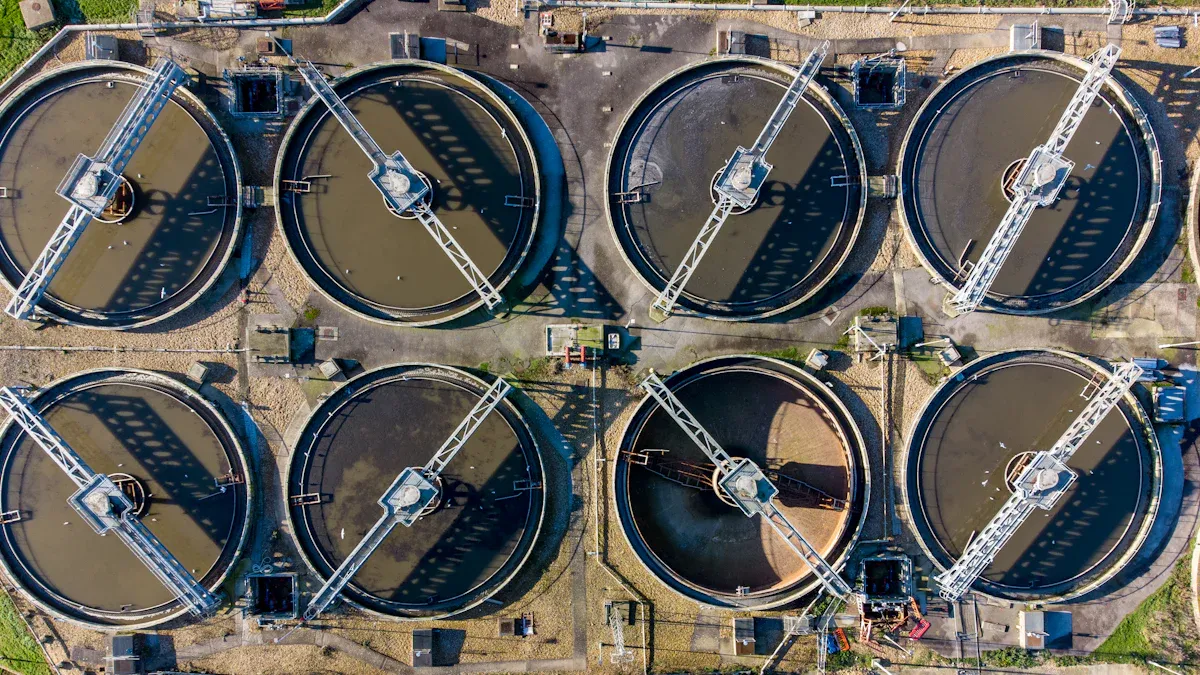
Municipal wastewater comes from our homes, schools, and businesses. Industrial wastewater is a specific byproduct of manufacturing.
The core difference lies in their composition. Municipal wastewater is largely organic. Industrial wastewater may contain complex chemicals, metals, and toxins.
A wastewater treatment plant must use fundamentally separate strategies for each to protect public health.
Key Takeaways
- Municipal wastewater comes from homes and businesses. It mainly contains organic waste. Treatment plants use living germs to clean it.
- Industrial wastewater comes from factories. It has many different chemicals and metals. Treatment plants use special chemical methods to remove these harmful things.
- The main goal for municipal treatment is to protect public health. The main goal for industrial treatment is to follow strict rules and remove specific poisons.
What Defines Municipal Wastewater?
Municipal wastewater is the water a community sends down the drain every day. Its contents are surprisingly consistent. This predictability helps treatment plants operate efficiently. The water comes from a variety of familiar places and contains a specific set of pollutants.
Predictable Sources and Composition
The sources of municipal wastewater are the routine activities of a town or city. Most municipalities direct all this wastewater to a central treatment plant for processing. This creates a large, blended stream of water.
Key sources include:
- Homes and Schools: Water from toilets, showers, laundry, and kitchen sinks.
- Businesses: Effluent from restaurants, hotels, and offices, often containing grease and detergents.
- Stormwater: Rainwater that washes off roads and carries debris. In some older cities, this mixes directly with sewage.
- Permitted Industrial Discharges: Some factories are allowed to send pre-treated wastewater into the municipal system.
This combined flow results in a diluted mixture. The composition does not change dramatically from one day to the next.
Key Pollutants: Organics and Nutrients
Municipal wastewater is over 99% water. The remaining 1% contains the pollutants that plants must remove. The primary pollutants are organic materials and nutrients. Organics include human waste, food scraps, and soaps. Nutrients are mainly nitrogen and phosphorus, which come from detergents and agricultural runoff.
The main job of a municipal treatment plant is to remove these organic materials and nutrients. This process protects public health and prevents harm to aquatic ecosystems.
These pollutants are biodegradable. This means living organisms can break them down, a fact that forms the basis of municipal treatment.
The Municipal Wastewater Treatment Plant Process
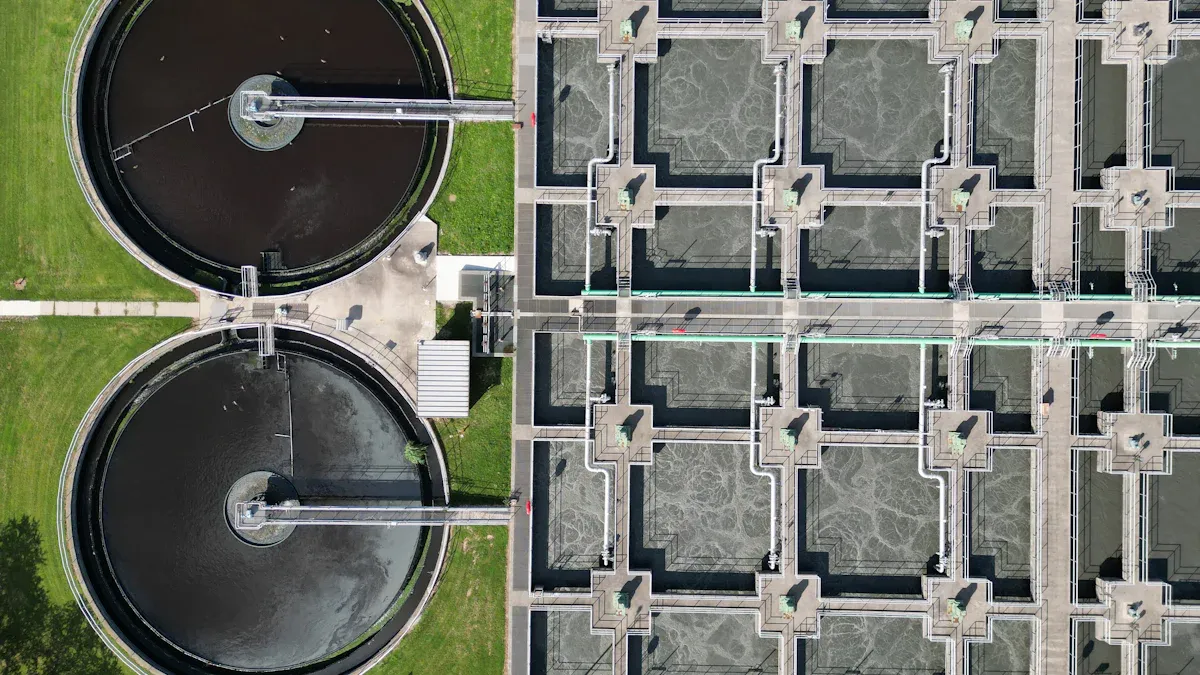
A municipal wastewater treatment plant is a barrier between community waste and the environment. The process follows a standardized, multi-stage approach designed to handle large volumes of water safely and efficiently.
Primary Goal: Public Health Protection
The number one job of a wastewater treatment plant is to protect public health. Untreated sewage carries dangerous pathogens that can make people very sick. Discharging it directly into rivers or lakes contaminates water sources used for drinking, farming, and recreation.
Pay Drechsel of the International Water Management Institute notes that wastewater entering rivers, even when diluted, remains "tremendously dangerous." This pollution can lead to direct health effects.
Untreated wastewater is linked to many serious health problems, especially for children and agricultural workers. These include:
- Bacterial diseases like salmonellosis and cholera
- Viral infections such as hepatitis A
- Protozoan infections like giardiasis
- Skin diseases and rashes from direct contact
Removing these threats is the primary mission of municipal treatment.
Standardized Biological Treatment Methods
Municipal treatment relies on nature's own cleaning crew: microorganisms. These tiny organisms consume the organic pollutants in wastewater. The two most common biological methods are the activated sludge process and trickling filters.
The activated sludge process is a popular and effective method. It works in a continuous loop:
- Wastewater is mixed with a bacteria-rich slurry called activated sludge.
- Air is pumped into the tank, helping the bacteria consume pollutants.
- The mixture flows to a settling tank, or clarifier.
- Clean water is removed from the top, while the sludge settles to the bottom.
- A portion of this sludge is returned to treat incoming wastewater.
Another method involves trickling filters, where wastewater is sprayed over a bed of rock or plastic media. A slimy layer of microbes, called a biofilm, grows on the media and consumes pollutants as the water trickles past.
What Makes Industrial Wastewater Unique?
Industrial wastewater is completely different from the water leaving our homes. It is a direct result of a specific manufacturing process. This makes its contents complex and unpredictable. The treatment approach must be tailored to the factory that created it.
Diverse Sources and Variability
Industrial wastewater comes from countless manufacturing activities. The quality and amount of wastewater can change dramatically. It depends on the specific factory, its production schedule, and the raw materials it uses. This high variability makes treatment a constant challenge.
Many industries produce unique wastewater streams:
- Pulp & Paper Mills: These plants use a lot of water and create waste with high levels of organic material.
- Food and Beverage Plants: Their wastewater is often high in organic solids, fats, and sugars.
- Textile Dyeing Factories: This wastewater contains leftover dyes, chemicals, and salts.
- Mining Operations: Water from mines can carry fine rock particles and dissolved metals.
- Power Plants: These facilities can release water with toxins like mercury and selenium.
Key Pollutants: Chemicals, Metals, and High BOD/COD
The pollutants in industrial wastewater are often much more hazardous than those in municipal sewage. Some industries, like food processing, produce wastewater with a very high Biological Oxygen Demand (BOD) and Chemical Oxygen Demand (COD). This means the waste uses up a lot of oxygen in the water, which can harm fish.
The biggest concern is the presence of specific, often toxic, contaminants. These can include harsh chemicals, solvents, and heavy metals that require specialized removal processes.
For example, electronics manufacturing and electroplating processes can release dangerous heavy metals into their wastewater. These toxic metals include chromium, nickel, lead, and cadmium. They are harmful to the environment and cannot be removed by the biological methods used for municipal wastewater.
The Industrial Wastewater Treatment Approach
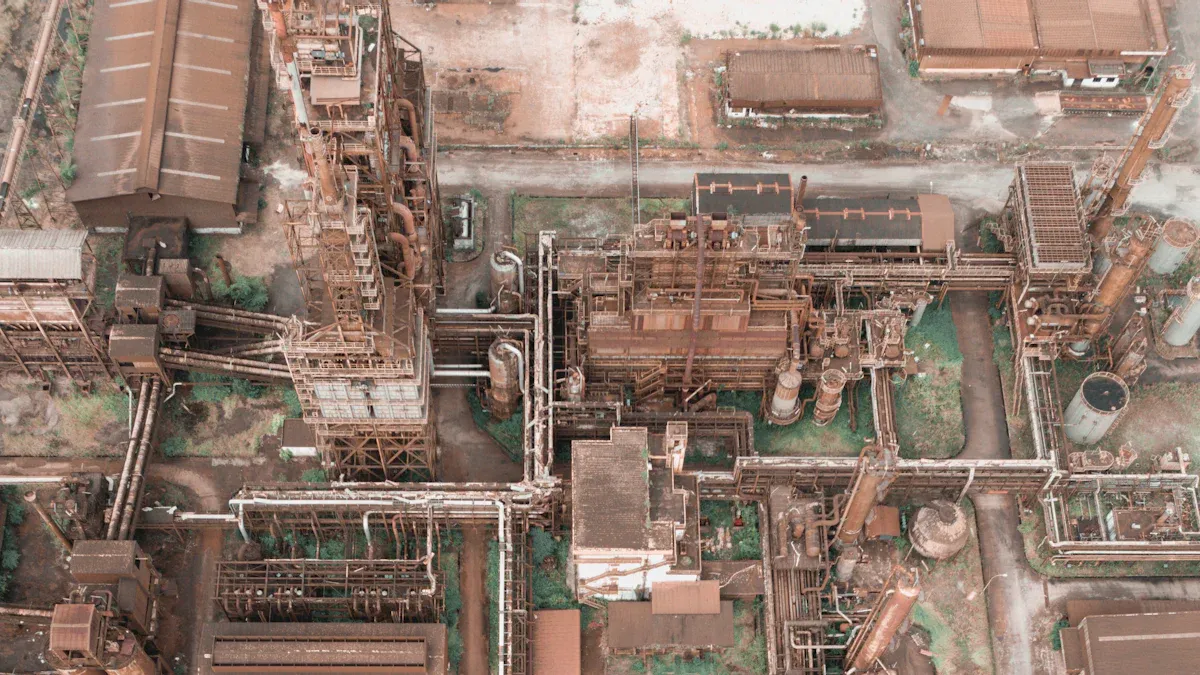
The approach to cleaning industrial wastewater is highly specialized. Unlike municipal systems, the primary focus is not on general public health but on meeting strict legal requirements and neutralizing specific, often hazardous, materials.
Primary Goal: Permit Compliance and Toxin Removal
The main goal for an industrial wastewater treatment plant is to comply with its environmental permit. In the United States, the EPA sets these rules through the National Pollutant Discharge Elimination System (NPDES) program. This program establishes discharge limits for over 50 industrial categories, including:
- Mining operations
- Oil and Gas facilities
- Pesticide manufacturers
These permits dictate exactly how much of a specific pollutant a factory can release. Failure to meet these limits can result in large fines.
Removing toxins is critical. Discharging untreated industrial waste can cause severe environmental damage. The chemicals and nutrients can lead to oxygen depletion in rivers, which harms fish and reduces biodiversity. The entire ecosystem suffers when these pollutants are not properly managed.
Customized Physical and Chemical Treatments
Industrial facilities use targeted physical and chemical methods because biological treatment cannot remove heavy metals or complex chemicals. These processes are designed for the specific contaminants in a factory's wastewater.
One of the most common methods is chemical precipitation. This process works by adding specific chemicals to the wastewater.
- Chemicals like lime are added to the water.
- These chemicals react with dissolved heavy metals, such as lead or cadmium.
- This reaction turns the dissolved metals into tiny, solid particles.
- The solid particles are then separated from the water through settling.
This approach is highly effective but must be carefully controlled. Factors like water pH and temperature are adjusted to ensure the maximum amount of toxins are removed before the water is discharged.
Comparing Key Characteristics Head-to-Head
Municipal and industrial wastewater seem similar at first glance. Both are used water that needs cleaning. However, a closer look reveals fundamental differences. These differences shape every aspect of their treatment, from the source of the water to the final goal of the process.
Source: Community vs. Factory
The origin of wastewater defines its basic nature. Municipal wastewater comes from the entire community. It is a combined stream from homes, schools, and local businesses. Industrial wastewater, on the other hand, comes from a single factory or industrial site.
A great example is the city of Quincy, Washington. The city's municipal water system manages water from many sources, including groundwater and the Columbia River. This system serves the entire community. It also interacts with large data centers, which are a type of factory. These data centers have their own specific water needs and create their own wastewater. This shows how a community's water system and a factory's water system operate side-by-side, each with a unique source and purpose.
Composition: Dilute vs. Concentrated
The biggest difference between the two types of wastewater is what’s inside them. Municipal wastewater is mostly water with a small amount of pollutants. It is a dilute mixture. Industrial wastewater is often a concentrated soup of specific chemicals.
Industrial wastewater contains extreme concentrations of pollutants. The amount of organic material, measured as Chemical Oxygen Demand (COD), can be incredibly high compared to municipal sewage.
This table shows how much higher pollutant levels can be in industrial wastewater:
| Pollutant | Typical Industrial Concentration (grams per cubic meter) |
|---|---|
| Chemical Oxygen Demand (COD) | 5,000–6,000 |
| Total Suspended Solids (TSS) | 1,500–2,500 |
| Total Nitrogen (TN) | 80–100 |
The ratio of pollutants is also very different. Industrial wastewater often has a high amount of organic matter but very little nitrogen and phosphorus. This imbalance makes it difficult to treat with the biological methods used for municipal wastewater.
Volume: High and Consistent vs. Variable
Wastewater treatment plants are designed around the amount of water they expect to receive. Municipal plants handle huge volumes of water every day. This flow is relatively consistent and predictable. People use water for showering, cooking, and laundry at roughly the same times each day.
Industrial wastewater volume is much more variable. A factory's output can change dramatically.
- A plant might run 24/7 for a week and then shut down for maintenance.
- A food processing plant might produce a huge amount of wastewater during harvest season but very little the rest of the year.
- A change in the manufacturing process can instantly alter the volume and type of wastewater produced.
This variability requires industrial treatment systems to be flexible and robust. They must handle sudden spikes or long periods of low flow without failing.
Treatment Goal: Standardization vs. Specialization
The ultimate goal of treatment also separates the two streams. Municipal treatment is standardized for public health. Industrial treatment is specialized for permit compliance.
Municipal plants across the country use similar, proven technologies. The Conventional Activated Sludge (CAS) process is a standard technology for most communities. It uses a series of tanks for sedimentation and biological treatment. The goal is to meet broad water quality standards set by regulators like the Environmental Protection Agency (EPA). Failing to meet these standards can lead to large fines.
Industrial treatment is the opposite of standard. It is highly specialized to remove specific pollutants. A factory that uses cyanide in its process needs a treatment designed only for cyanide. A plant that releases phenols needs a different system.
🎯 Specialized Industrial Treatments
Factories use targeted methods to destroy or remove unique toxins. Examples include:
- Using enzymes to break down nitriles
- Applying polysulfide to treat spent cyanide
- Using adsorption on activated carbon to remove chemicals
- Employing membrane technology to filter out specific contaminants
This specialization ensures that dangerous chemicals are neutralized before they can harm the environment. The goal is not just general cleaning but precise, targeted removal.
Both municipal and industrial treatments share a goal: protecting our water. Municipal treatment uses large-scale biological processes for public health. Industrial treatment uses targeted methods to remove specific toxins.
A modern wastewater treatment plant now also focuses on resource recovery. This shift helps save costs and creates value from waste, showing why understanding both treatments is vital for our environment.
FAQ
Can factories send their wastewater to a city treatment plant?
Yes, but only after pre-treatment. City plants are not equipped to handle the toxic chemicals and heavy metals from industrial processes. This protects the public system from damage.
What is the biggest difference in treatment methods?
Municipal plants use living microbes to consume organic waste. 🦠 Industrial plants often use chemical reactions to remove specific, non-biodegradable toxins like heavy metals.
See Also
Innovations in Heat Exchanger Manufacturing Boosting Industrial Efficiency and Output
Your 2025 Handbook for Semi-Welded Plate Heat Exchangers in Industry
Cutting-Edge Materials Transforming the Heat Exchanger Manufacturing and Supply Chain
Reducing Environmental Impact: Plate Heat Exchangers Offer Sustainable Solutions
Contemporary Approaches to Aminoguanidine Bicarbonate Synthesis and Industrial Utility