Effective Strategies for Municipal Sewage Treatment Plant Management
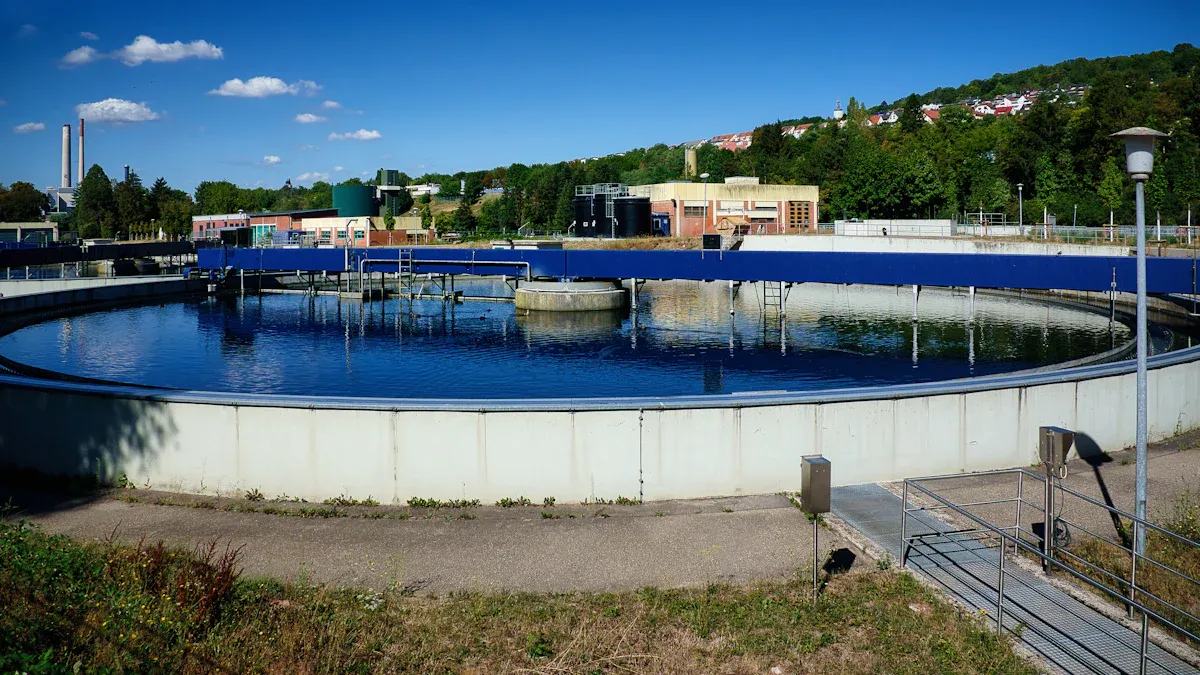
You make a municipal sewage treatment plant effective by focusing on efficiency, sustainability, and meeting regulations. Proactive management brings real benefits for your community and the environment.
| Benefit | Impact |
|---|---|
| Protection of Aquatic Ecosystems | Shields water bodies from pollution, supporting aquatic life. |
| Mitigation of Water Pollution | Prevents harmful nutrients and pathogens from impacting health and water quality. |
| Conservation of Water Resources | Supports sustainable development by reusing water for non-drinking purposes. |
| Reduction of Nutrient Pollution | Converts harmful nutrients, improving public health and fisheries. |
| Energy Generation and Carbon Footprint Reduction | Produces renewable energy, reducing emissions. |
Key Takeaways
- Focus on efficiency and sustainability to enhance municipal sewage treatment plant operations. This approach protects the environment and public health.
- Implement advanced technologies like membrane bioreactors and reverse osmosis for effective water recycling. These systems improve water quality and resource recovery.
- Engage with the community and local leaders to support water recycling projects. Clear communication builds trust and encourages public participation.
Municipal Sewage Treatment Plant Water Recycling Strategies
Advanced Treatment Technologies for Water Reuse
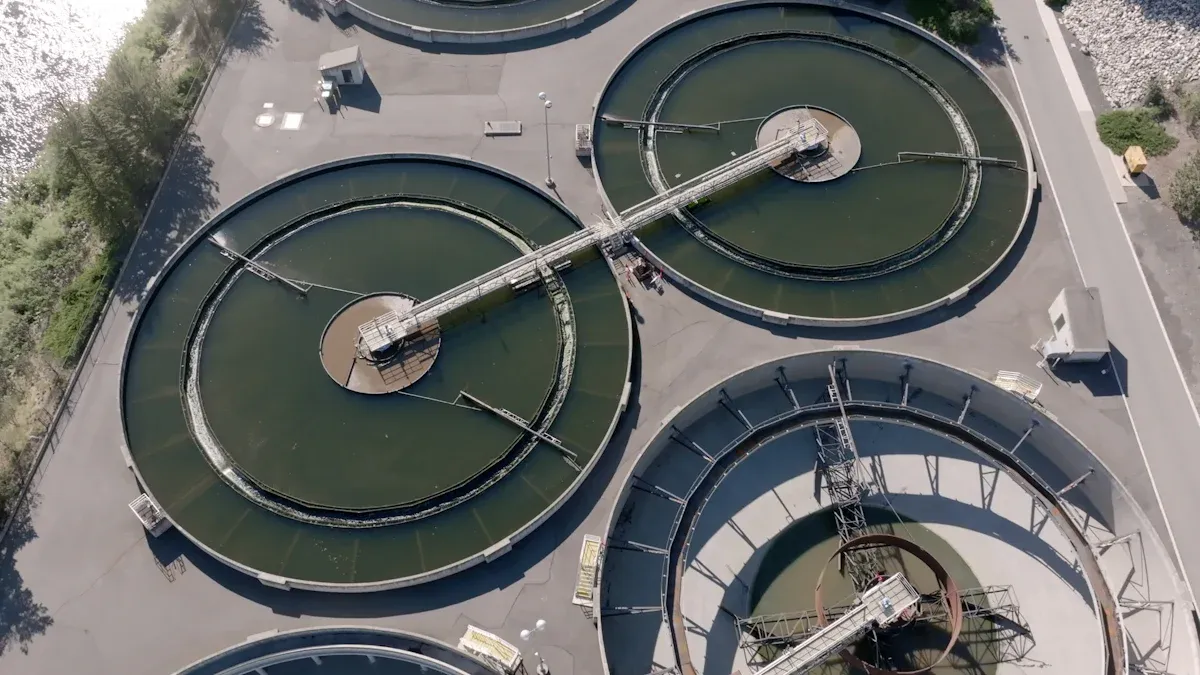
You can use advanced technologies to make water recycling more effective in a municipal sewage treatment plant. Many cities now use methods like membrane bioreactors, reverse osmosis, and advanced oxidation processes. These systems help remove harmful substances and produce high-quality water. For example, membrane bioreactors combine biological treatment with special filters. Reverse osmosis removes salts and other tiny particles. Advanced oxidation processes break down tough pollutants. These technologies help you recover resources, save energy, and even create byproducts like biogas and fertilizers.
| Technology | Description | Applications |
|---|---|---|
| Membrane Bioreactor (MBR) | Combines biological treatment with membrane filtration for high-quality treated water. | Municipal sewage, industrial wastewater |
| Reverse Osmosis (RO) | Purifies treated water by removing dissolved salts and contaminants, enabling water reuse. | Industrial processes, cooling systems, potable use |
| Advanced Oxidation Processes (AOPs) | Eliminates complex contaminants that conventional methods cannot remove. | Regulatory compliance, improved water safety |
Integrating Water Recycling into Municipal Systems
You can help your city address water scarcity by reusing treated wastewater for things like park irrigation and street cleaning. Many cities worldwide now use recycled water for non-drinking purposes. When you plan to add water recycling to a municipal sewage treatment plant, you need a good project design and support from the community. Working with local leaders and following rules makes the process smoother. In crowded cities, you may need to use compact and efficient systems because space is limited.
Tip: Public engagement and clear communication help build trust in water recycling projects.
Monitoring and Ensuring Water Quality
You must check water quality every day to keep people and the environment safe. Modern monitoring systems track things like chemical levels and flow rates in real time. Automated alerts warn you if something goes wrong, so you can fix problems quickly. By following local rules and using advanced monitoring, you make sure your municipal sewage treatment plant protects both health and nature.
Municipal Sewage Treatment Plant Maintenance Best Practices
Preventive Maintenance Scheduling
You keep your municipal sewage treatment plant running smoothly by following a strong preventive maintenance schedule. When you plan regular maintenance, you avoid unexpected breakdowns and reduce emergency repairs. This approach can lower maintenance costs by up to 40% and cut repair times by 20%. You should focus on key activities like oil changes, lubrication, inspections, calibrations, and cleaning. These steps help you minimize the risk of critical equipment failure and keep your plant operating efficiently.
- Schedule regular maintenance tasks for all equipment.
- Transition from reactive to preventive maintenance to save money and time.
- Assess your maintenance plan often and adjust as needed.
Tip: Embracing predictive maintenance helps you maximize equipment efficiency and prevent costly downtime.
Staff Training and Routine Inspections
You need well-trained staff to manage your plant effectively. Regular training gives your team the knowledge they need to handle new technologies and follow industry standards. When your staff understands the latest best practices, they can spot problems early and keep the plant reliable. Routine inspections also help you catch small issues before they become big problems.
Digital Tools for Maintenance Management
Modern digital tools make maintenance easier and more effective. You can use smart equipment and SCADA-based automation to monitor performance and automate processes. Real-time water quality monitoring helps you stay compliant and optimize treatment. These tools let you plan maintenance, replace equipment on time, and reduce downtime.
| Tool/Technology | Description |
|---|---|
| Smart Equipment | Monitors performance for predictive maintenance. |
| SCADA-based Automation | Automates processes and boosts efficiency. |
| Real-time Water Quality Monitoring | Tracks water quality to ensure compliance and improve treatment. |
Planning Municipal Sewage Treatment Plant Capacity for Growth
Assessing Future Population and Capacity Needs
You need to look ahead when managing a municipal sewage treatment plant. Population growth can quickly push your system past its limits. For example, Juneau designed its sewage system for 35,000 residents, but city leaders expect this number to be too low in about 15 years. If you do not plan for growth, you may face expensive expansions and possible fines. Consider these steps:
- Review local population projections every few years.
- Estimate how much wastewater each new resident will add.
- Calculate the costs for new connections and extra piping.
- Plan upgrades before you reach capacity.
Note: Early planning helps you avoid sudden, costly projects and keeps your community safe.
Proactive Infrastructure Upgrades
You can keep your system strong by upgrading before problems start. Use these strategies to improve your infrastructure:
- Disconnect downspouts and sump pumps that do not belong in the system.
- Add rain gardens and retention basins to manage stormwater.
- Replace old pipes and manholes to stop leaks.
- Use trenchless repair methods to fix pipes with less digging.
- Teach property owners about proper connections.
- Run public outreach campaigns to find and fix issues.
These steps help you prevent overflows and protect water quality.
Collaboration with Urban Planning Departments
You should work closely with urban planners to match your plant’s capacity with city growth. In Cleburne, planners and sewage managers teamed up when they saw a 25% population increase coming. They used a "One Water" approach, combining drinking water, wastewater, and stormwater management. This teamwork led to upgrades that boosted processing capacity by 170%. When you collaborate, you can find creative solutions and keep your municipal sewage treatment plant ready for the future.
Efficiency Upgrades for Municipal Sewage Treatment Plant Operations
Energy-Efficient Equipment Adoption
You can make your municipal sewage treatment plant more efficient by choosing energy-saving equipment. When you upgrade pumps, blowers, and motors, you use less electricity and save money. Many plants have seen big savings by switching to energy-efficient technologies. For example, one water precinct saved about $80,000 each year after making several upgrades. You can also add renewable energy sources like solar panels or wind turbines to lower your energy bills even more. Variable-frequency drives help you control motor speed, so you only use the energy you need. These changes not only cut costs but also help protect the environment.
- Improving onsite wastewater treatment efficiency reduces energy use.
- Newer technologies lower treatment costs and support sustainability.
- Upgrading equipment can bring strong financial returns.
- Renewable energy and variable-frequency drives boost energy savings.
- More efficient processes mean a smaller environmental footprint.
Tip: Start with an energy audit to find out where you can save the most.
Automation and Process Optimization
You can use automation to make your plant run better and faster. Automation lets you monitor things like pH levels and chemical amounts all the time. This means you can adjust your process right away if something changes. Automated systems also help you use the right amount of chemicals, which saves money and keeps water safe. With automation, you can predict when equipment might break down and plan maintenance before problems happen. This keeps your plant running smoothly and avoids costly repairs. Automation also helps you manage energy use by adjusting equipment based on demand.
Common automation technologies include:
- SCADA systems for real-time monitoring and control
- Process control for pumps, valves, and chemical feeders
- Cloud-based monitoring for remote access
- Alarming and fault detection to catch issues early
Note: Automation gives you lots of data, which helps you make better decisions and improve efficiency.
Leveraging Data Analytics
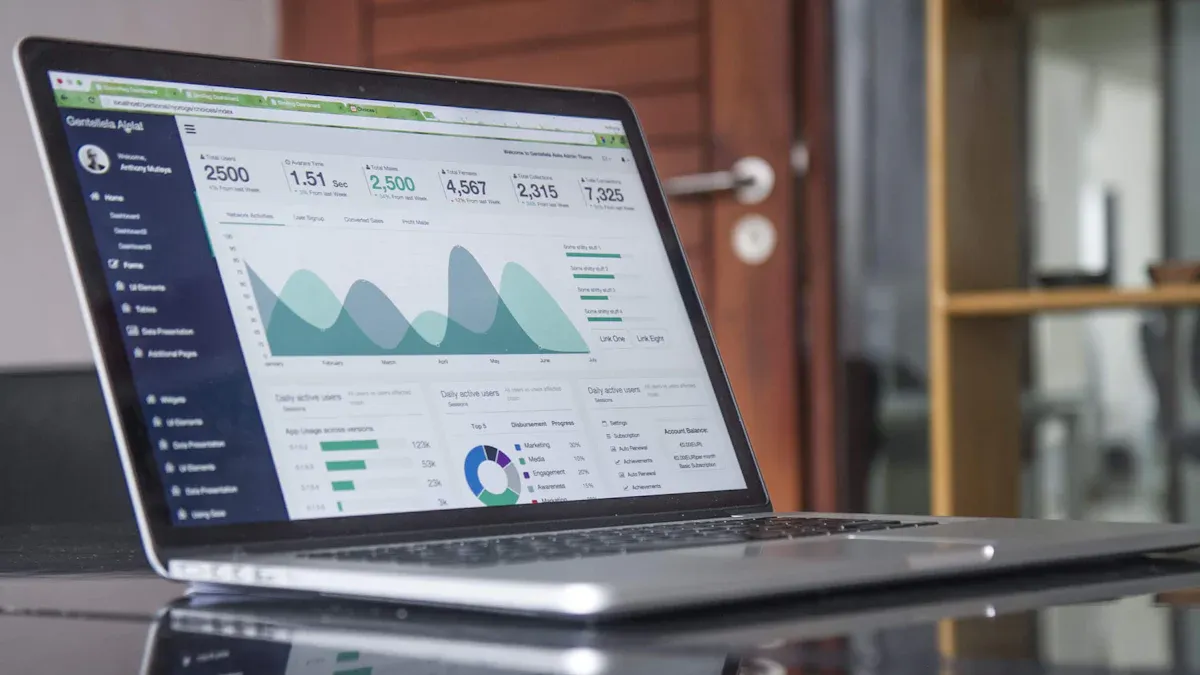
You can use data analytics to make smart choices and keep your plant running at its best. Sensors collect information about flow rates, water quality, and how well your equipment works. With this data, you can spot trends and fix problems before they get worse. Advanced analytics help you use chemicals more wisely and plan maintenance before equipment fails. Machine learning tools can even predict water quality issues, so you can act early.
Here are some key performance indicators you can track with data analytics:
| Key Performance Indicator | Description |
|---|---|
| Operational Efficiency | IoT sensors track flow rates and equipment performance. |
| Compliance with Regulatory Standards | Data analysis ensures you meet water quality and treatment rules. |
| System Reliability | Predictive maintenance strategies use real-time data to keep the plant reliable. |
Callout: Using data for decision-making helps you save money, reduce downtime, and keep your municipal sewage treatment plant safe and efficient.
Municipal Sewage Treatment Plant Regulatory Compliance
Keeping Up with Environmental Regulations
You need to stay aware of changing environmental rules. Laws can change quickly, and missing updates can lead to fines or shutdowns. You should check for new regulations often. Attend local meetings and join industry groups to learn about changes early. Many plant managers use newsletters and online alerts to keep up with new laws. When you know the rules, you can adjust your operations and avoid problems.
Tip: Make a habit of reviewing regulatory updates every month.
Regular Compliance Audits
You should run regular audits to check if your municipal sewage treatment plant meets all requirements. Audits help you find gaps in your processes. You can fix small issues before they become big problems. Use checklists to review safety, water quality, and reporting. Invite outside experts to audit your plant once a year. This gives you a fresh view and helps you stay on track.
Engaging with Regulatory Authorities
You build strong relationships with regulators by being open and prepared. Good communication helps you solve problems faster. Here are some best practices:
- Develop a clear compliance program that lists all rules and steps.
- Stay updated by joining industry events and reading new guidelines.
- Train your staff and encourage open talks about compliance.
When you work with authorities, you show that you care about safety and the environment. This makes inspections smoother and builds trust.
Continuous Improvement in Municipal Sewage Treatment Plant Management
Fostering Staff Innovation
You can encourage your team to share new ideas and try better ways to solve problems. When you invest in training, your staff learns how to use advanced tools and handle complex systems. Skilled operators can spot issues early and fix them before they grow. This approach helps your municipal sewage treatment plant stay efficient and safe. You build a culture where everyone looks for ways to improve.
Tip: Hold regular meetings where staff can suggest changes or share what works best.
Implementing Feedback and Benchmarking
You should listen to feedback from your team and compare your plant’s performance with others. Real-time monitoring systems and data analytics help you track important numbers like water quality and energy use. These tools let you make smart choices and adjust your process quickly. When you use benchmarking, you see where you stand and find ways to get better. This leads to cost savings and better results for your community.
Standard Operating Procedures (SOPs) Development
You need clear instructions for every task in your plant. Standard operating procedures, or SOPs, help everyone follow the same steps. This reduces mistakes and keeps workers safe. Good SOPs also help you meet rules and keep records up to date. Review your SOPs often to make sure they match your current needs.
| Key Component | Description |
|---|---|
| Operational Consistency | SOPs give clear steps for operators, reducing errors. |
| Safety Measures | SOPs include safety tips to prevent accidents and follow rules. |
| Compliance Documentation | SOPs help keep records and support meeting regulations. |
| Regular Updates | Review SOPs often to keep them useful and current. |
You improve your municipal sewage treatment plant by investing in efficiency, maintenance, and future planning. Regular inspections, staff training, and stakeholder engagement help you protect water quality and public health. Case studies from Poland, China, and Rio de Janeiro show that proactive management and community involvement lead to long-term success.
| Location | Strategy Description | Key Insights |
|---|---|---|
| Poland | Guide for water and wastewater sector activities emphasizing legislative control. | Legislation supports health and sustainability. |
| China | Sponge City strategy for sustainable urban design. | Low-impact development improves water management. |
| Rio de Janeiro | Universal access to private concessions for sanitation and health. | Public-private partnerships expand clean water access. |
FAQ
What is the main goal of a municipal sewage treatment plant?
You protect public health and the environment by removing harmful substances from wastewater before releasing it back into nature.
How often should you inspect equipment in a sewage treatment plant?
You should inspect equipment weekly. Regular checks help you find problems early and keep the plant running smoothly.
Can you reuse treated wastewater for drinking?
You usually use treated wastewater for irrigation or industrial purposes. Some advanced systems can make it safe for drinking, but you must follow strict regulations.
See Also
Ways Plate Heat Exchangers Can Reduce Environmental Impact
Advancements in Heat Exchanger Manufacturing Boost Industrial Efficiency
Unexpected Techniques for Diagnosing Sulfur Recovery Catalysts
Creative Uses of N,N-Dimethyl-N,N-Diphenylurea Across Industries
The Impact of Plate Air Preheaters on Industrial Productivity