A Deep Dive into Monel 400 Pipe Fittings for 2025
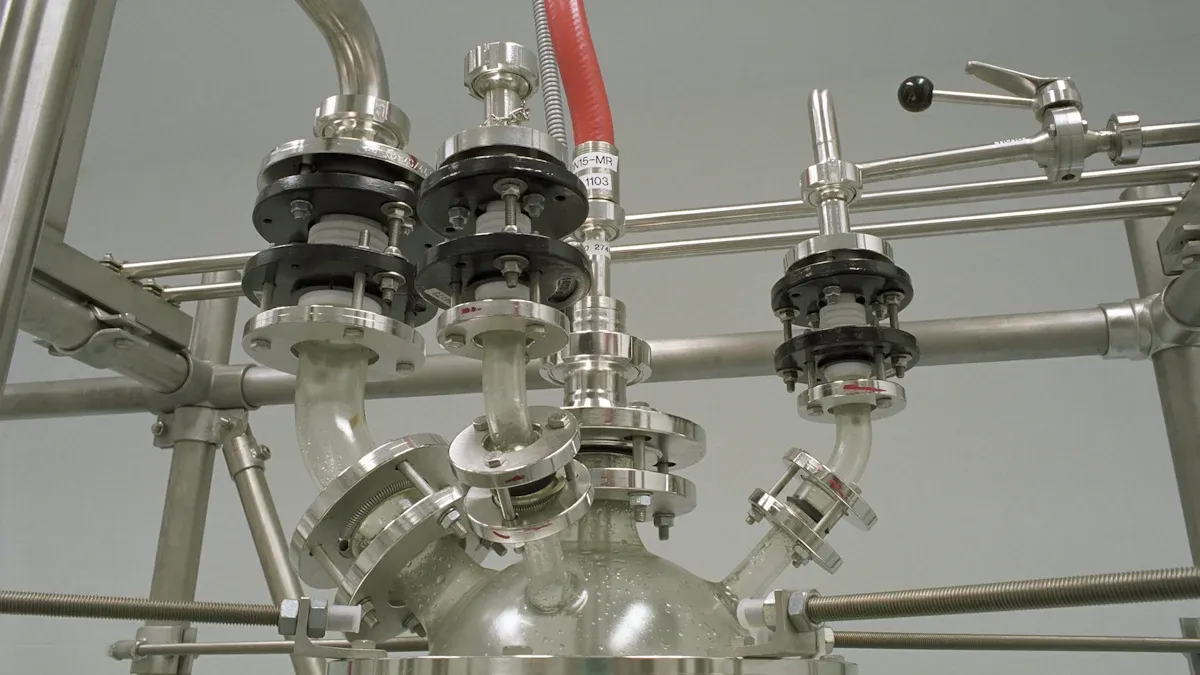
Monel 400 Pipe Fittings are high-performance components manufactured from a nickel-copper alloy. This material, designated UNS N04400, offers greater strength under a wider range of temperatures than materials like Nickel 200 Pipe Fittings. Engineers specify these fittings for superior performance in highly corrosive industrial environments. They reliably withstand exposure to seawater, acids, and alkalis.
This unique composition provides an excellent combination of high strength, toughness, and exceptional resistance to a wide range of corrosive media.
Key Takeaways
- Monel 400 pipe fittings are strong and resist rust. They work well in many harsh places.
- This material is great for ocean use. It does not rust in seawater.
- Monel 400 handles strong acids and bases. It is safe for chemical plants.
- It stays strong in very cold and hot places. This makes it good for many uses.
- Monel 400 lasts a long time. It saves money because it needs less repair.
What is Monel 400? Composition and Identifiers
Monel 400 is a solid-solution alloy, meaning it maintains a single, stable structure from its melting point down to cryogenic temperatures. This fundamental characteristic is the source of its impressive performance. Understanding its composition and standard identifiers is the first step for any engineer or procurement specialist specifying these components for critical systems.
The Nickel-Copper Alloy Advantage
The performance of Monel 400 originates from its specific blend of nickel and copper. Nickel provides excellent resistance to alkalis and high-temperature corrosion, while copper excels in resisting acids and seawater. Together, they create a synergistic alloy that outperforms many individual metals. The precise chemical balance is crucial for achieving these properties.
💡 Did You Know? Monel 400 is often called a "puritan alloy" because its composition is very similar to the nickel and copper ore from which it was originally refined.
The nominal chemical composition of Monel 400 is tightly controlled:
| Element | Content (%) |
|---|---|
| Nickel (Ni) | 63.0 min |
| Copper (Cu) | 28.0 - 34.0 |
| Iron (Fe) | 2.5 max |
| Manganese (Mn) | 2.0 max |
| Silicon (Si) | 0.5 max |
| Carbon (C) | 0.3 max |
Key Specifications: UNS N04400 and W.Nr. 2.4360
In global industries, standardized identifiers ensure material consistency and traceability. Monel 400 is universally recognized by two primary designations:
- UNS N04400: The Unified Numbering System designation, widely used in North America.
- W.Nr. 2.4360: The Werkstoffnummer designation, common in Europe.
These specifications, referenced in standards like ASTM B366, guarantee that the material meets strict chemical and mechanical property requirements. This ensures every fitting delivers the expected performance and safety, regardless of its manufacturing origin.
Core Physical Properties
Beyond its chemical makeup, the physical properties of Monel 400 are essential for design calculations in piping systems. These values dictate how the material behaves under different physical conditions. Key properties include:
- Density: 8.80 g/cm³ (0.318 lb/in³)
- Melting Point: 1300 - 1350 °C (2370 - 2460 °F)
- Coefficient of Thermal Expansion: 13.9 µm/m·°C (at 20-100°C)
Its high density contributes to its robust feel, while the high melting point confirms its suitability for elevated temperature service. The moderate coefficient of thermal expansion ensures dimensional stability when temperatures fluctuate.
The Corrosion Resistance of Monel 400 Pipe Fittings
The defining characteristic of Monel 400 is its remarkable ability to withstand aggressive corrosion. This resilience is not limited to a single environment but extends across a wide spectrum of industrial media, from saltwater to harsh acids and alkalis. Engineers select Monel 400 Pipe Fittings for critical systems where material failure is not an option, ensuring long-term operational integrity and safety. Its performance in these conditions sets it apart from many other alloys.
Superior Performance in Marine Environments
Monel 400 demonstrates exceptional durability in marine and brackish water applications. For over a century, it has been a premier material for shipbuilding, offshore platforms, and coastal processing plants. The alloy's nickel content protects it from the high-velocity flow of seawater that can quickly erode other materials. This makes it ideal for piping systems, pump shafts, and valves exposed to constant marine conditions.
Its performance significantly surpasses that of common materials like 316L stainless steel, as shown by its much lower corrosion rate in flowing seawater.
| Material | Corrosion Rate (Flowing Seawater, mm/year) |
|---|---|
| Monel 400 | 0.025 - 0.05 |
| 316L Stainless Steel | 0.1 - 0.2 |
This low and predictable corrosion rate provides distinct advantages for long-term planning and system reliability.
- It prevents sudden failures caused by unexpected pitting or crevice corrosion.
- The material's resistance is not significantly affected by the velocity of the seawater.
- This ensures a long and predictable operative life, making it a cost-effective and safe choice for critical marine infrastructure.
Resistance to Hydrofluoric and Sulfuric Acids
Monel 400 offers excellent service in handling many common industrial acids. It is one of the few engineering materials that reliably withstands hydrofluoric (HF) acid, a notoriously corrosive chemical used in alkylation processes. This makes it an essential material for fittings in petroleum refineries and chemical plants.
The alloy also shows good resistance to sulfuric acid (H₂SO₄) at moderate concentrations and temperatures. However, its performance is directly influenced by the presence of oxygen.
💡 Pro Tip: Monel 400 performs best in de-aerated (non-aerated) acid solutions. The presence of air or other oxidizing agents can significantly increase corrosion rates, so system design should account for this factor.
In properly controlled, non-aerated conditions, Monel 400 provides a dependable solution for containing these aggressive acids, protecting both equipment and personnel.
Stability in Alkalis and Neutral Salts
The alloy's versatility extends to alkaline and salt solutions. Monel 400 is virtually immune to chloride-ion stress corrosion cracking, a common failure mode for many stainless steels in salt-laden environments. This makes Monel 400 Pipe Fittings an outstanding choice for equipment in salt production plants and systems handling neutral salt solutions like sodium chloride.
Furthermore, it delivers excellent performance when exposed to caustic alkalis. Even in highly concentrated solutions at elevated temperatures, the material maintains its integrity with minimal corrosion.
| Alloy | NaOH Concentration | Test Duration (hours) | Corrosion Rate (mm/year) |
|---|---|---|---|
| Monel alloy 400 | 50% | 720 | <0.025 |
This robust resistance to both salts and strong alkalis confirms its status as a multi-purpose, high-performance material for the most demanding chemical processing applications.
Immunity to Chloride-Ion Stress Corrosion Cracking
Stress Corrosion Cracking (SCC) is a critical failure mechanism in industrial materials. It causes unexpected and often catastrophic cracking when a material is exposed to both tensile stress and a specific corrosive agent. For many alloys, chloride ions found in seawater, de-icing salts, and industrial brines are a primary cause of SCC. Monel 400, however, offers a powerful defense against this threat.
The alloy is virtually immune to chloride-ion stress corrosion cracking in most applications. This inherent resistance is a defining feature that sets it apart from many other engineering materials, including several grades of stainless steel. For instance, 300-series austenitic stainless steels are widely used but can be highly susceptible to chloride SCC, limiting their reliability in marine or coastal environments. While some materials like 304 stainless steel resist specific types of cracking, Monel's broad immunity provides a more robust and predictable solution. Its excellent performance makes it an ideal material for demanding chemical and marine environments where safety is paramount.
🛡️ A Fundamental Advantage for System Safety The immunity to SCC is not a minor benefit; it is a fundamental property that ensures long-term structural integrity. This prevents sudden, brittle failures in pressurized systems, protecting assets, personnel, and the environment.
This exceptional characteristic stems from Monel 400's high nickel content. Nickel significantly enhances an alloy's ability to withstand chloride-induced cracking. The result is a material that maintains its strength and ductility even under stress in chloride-rich settings. Engineers specify Monel 400 Pipe Fittings for critical systems where the risk of SCC is unacceptable. These applications include:
- Offshore oil and gas platforms
- Coastal refinery piping
- Seawater cooling systems
- Salt production equipment
Choosing this alloy effectively designs out the risk of chloride SCC, leading to a safer, more reliable, and longer-lasting piping infrastructure.
Mechanical Strength and Temperature Tolerance
Beyond its corrosion resistance, Monel 400 provides an impressive combination of mechanical strength and performance across a vast temperature range. This makes it a reliable material for systems that experience thermal cycling or operate in extreme environments, from cryogenic lows to elevated industrial heats.
High Strength and Ductility
Monel 400 pipe fittings deliver both high strength and excellent ductility. This means the material can withstand significant force while also being formable without fracturing. Cold working processes, such as cold drawing, further increase the alloy's hardness and strength. This enhancement allows for the production of robust components with superior surface finishes. The typical mechanical properties for annealed Monel 400 highlight this balance:
| Property | Minimum Value |
|---|---|
| Tensile Strength | 485 MPa (70 ksi) |
| Yield Strength (0.2%) | 170 MPa (25 ksi) |
| Elongation | 35% |
This combination ensures that fittings can handle high-pressure service while retaining the toughness needed to resist mechanical shock and vibration.
Performance in Sub-Zero Temperatures
Monel 400 excels in sub-zero and cryogenic applications. Unlike many carbon steels, it does not have a ductile-to-brittle transition temperature. The alloy remains tough and strong even when cooled to the temperature of liquid hydrogen.
🔬 The Science of Strength: This remarkable low-temperature performance is due to its face-centered cubic (FCC) crystal structure. This atomic arrangement allows the material to absorb impact energy effectively, preventing the brittleness that affects other metals in cryogenic conditions.
This property makes Monel 400 pipe fittings an essential choice for systems handling liquefied gases, such as LNG, and for equipment used in extreme cold climates.
Elevated Temperature Service Limits
Monel 400 also maintains good strength at elevated temperatures. It can be used in service up to approximately 1000°F (538°C). Above this temperature, its strength begins to decrease more significantly, but it remains useful for applications where high strength is not the primary design criterion. Its high nickel content provides excellent resistance to oxidation and scaling at these temperatures, ensuring long-term structural integrity in heat exchangers, power generation piping, and chemical processing equipment.
Common Industrial Applications in 2025
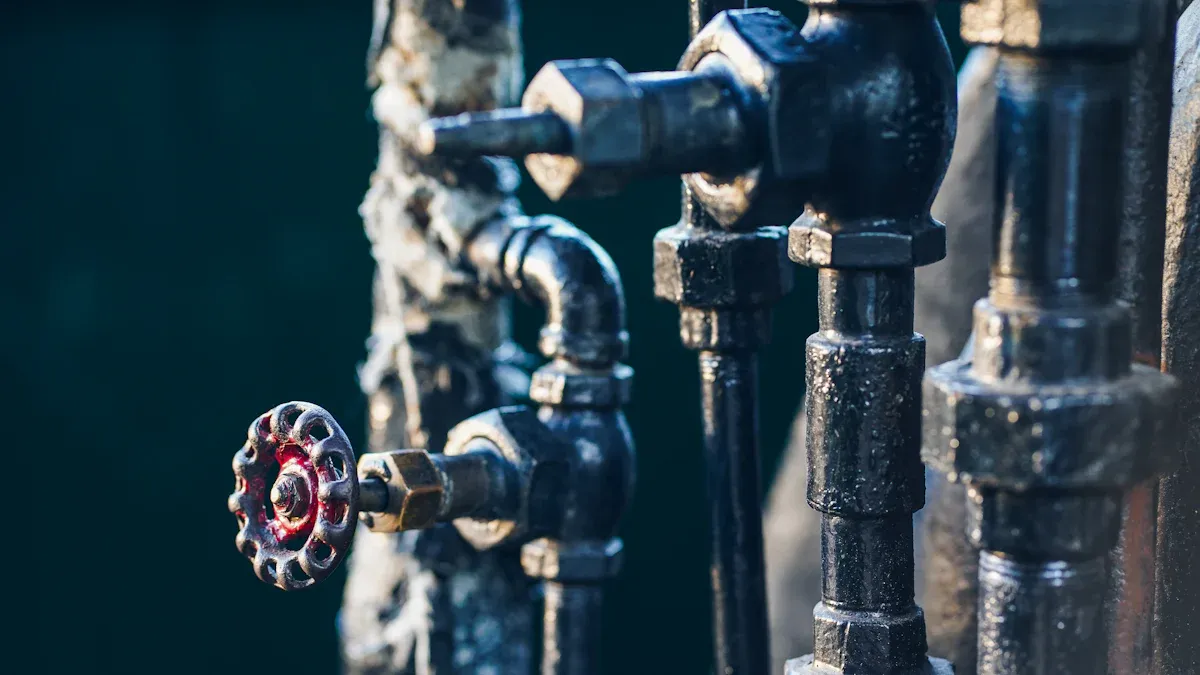
The unique combination of corrosion resistance, strength, and temperature tolerance makes Monel 400 an indispensable material in several of the world's most demanding industries. Its reliability ensures safety and longevity where other alloys would fail.
Marine Engineering and Shipbuilding
For over a century, Monel 400 has been a premier choice for marine applications. The alloy's outstanding resistance to seawater corrosion and biofouling makes it ideal for components in constant contact with saltwater. Its use significantly extends the service life of critical equipment. Key applications include:
- Propeller and pump shafts
- Seawater piping systems and valves
- Fasteners and hull fittings
- Heat exchangers for cooling systems
- Freshwater and gasoline tanks
Chemical and Petrochemical Processing
In chemical processing, equipment must handle highly aggressive media. Monel 400 Pipe Fittings provide a reliable solution, especially in hydrofluoric (HF) acid alkylation units within petroleum refineries. The alloy is essential for services where steel is unsuitable.
| HF Service Type | Environment | Primary Material |
|---|---|---|
| HF-1 | Hot or wet HF acid | Alloy 400 (Monel) |
| HF-2 | Cold HF acid, high velocity | Alloy 400 (Monel) |
Engineers specify the alloy for critical components like valve trims, pump internals, and piping systems to prevent catastrophic failures from acid corrosion.
Oil and Gas Exploration
Offshore oil and gas platforms operate in one of the most corrosive environments on Earth. The "splash zone"—the area on platform legs and risers repeatedly wetted by waves—experiences severe corrosion from highly oxygenated seawater. Monel 400 provides a proven solution.
🛡️ A Shield Against Corrosion The alloy is often applied as a protective sheathing over steel structures in the splash zone. This shield prevents rapid degradation, demonstrating a very low corrosion rate of less than 0.025 mm/year and ensuring the structural integrity of the platform.
This application protects vital infrastructure from both corrosion and physical damage, making it a cornerstone of offshore safety and asset protection.
Power Generation and Heat Exchangers
Power generation facilities operate under intense conditions of high pressure and elevated temperatures. These environments demand materials that ensure both safety and operational efficiency. Monel 400 pipe fittings provide a robust solution for these critical systems. The alloy's ability to retain its strength and toughness at high temperatures makes it ideal for the power generation industry. Its use in piping systems and heat exchangers guarantees long-term reliability.
Heat exchangers are vital components in power plants, and their material selection is crucial. Monel 400 is a preferred choice for this equipment. Its excellent corrosion resistance protects against aggressive media, while its thermal properties enhance performance.
⚡️ Efficiency in Heat Transfer Monel 400 possesses excellent thermal conductivity. This property makes it a highly attractive choice for heat-transfer applications. It allows for efficient energy exchange, improving the overall performance of power plant systems.
Engineers specify Monel 400 for a wide range of components within the power generation circuit. Its versatility and durability are proven in many applications. Key uses include:
- Boiler feedwater heaters and steam generator tubing
- Valves, pumps, and fasteners exposed to corrosive steam
- Pipe fittings such as elbows, tees, and reducers in high-pressure lines
- Heat exchanger plates and tubing systems
Boiler feedwater heaters, in particular, benefit greatly from Monel 400. These systems handle high-purity water, which can be surprisingly corrosive to standard steels. The alloy’s resistance to erosion and corrosion from high-velocity water and steam ensures the integrity of the feedwater circuit. This prevents contamination and maintains the efficiency of the entire steam cycle, making Monel 400 a cornerstone material for modern power plants.
Technical Specifications for Procurement
Specifying Monel 400 pipe fittings requires a clear understanding of technical requirements to ensure system integrity and performance. Procurement specialists and engineers must consider fitting types, governing standards, and pressure ratings to match the component with its intended application. These specifications guarantee that every fitting meets the demanding conditions of industrial service.
Available Fitting Types: Buttweld, Threaded, Socket Weld
Monel 400 fittings are available in several connection types to suit different piping system designs and assembly requirements. Each type offers distinct advantages for installation and service. The three primary types are:
- Buttweld Fittings: These fittings are welded edge-to-edge with the pipe, creating a strong, leak-proof, and continuous system. They are the preferred choice for critical, high-pressure, and high-temperature applications.
- Threaded Fittings: These components have threads that screw onto the pipe. They allow for easier assembly and disassembly, making them suitable for lower-pressure systems where maintenance is a factor.
- Socket Weld Fittings: In this design, the pipe is inserted into a recessed area of the fitting before being welded. This provides good flow characteristics and is simpler to align than a buttweld joint.
Governing Standards: ASTM B366 and ASME B16.9
Standardization ensures quality, safety, and interchangeability. Monel 400 pipe fittings are manufactured according to specific industry standards that dictate material composition, manufacturing processes, and quality control.
💡 Key Manufacturing Classes under ASTM B366 The standard defines classes to specify the manufacturing method. For example, 400-S denotes a seamless fitting, while 400-W indicates a welded construction that requires non-destructive examination like radiography (RT) or ultrasonic testing (UT).
ASTM B366 is the core specification for factory-made wrought Monel 400 fittings. It ensures the material meets strict chemical and mechanical properties. This standard works alongside ASME B16.9, which governs the dimensions and tolerances for buttweld fittings, ensuring a perfect fit during installation.
Pressure Ratings and Pipe Schedules
Pressure ratings define the maximum internal pressure a fitting can safely withstand. This rating is directly related to the pipe schedule. A pipe schedule number indicates the wall thickness of the pipe; a higher schedule number means a thicker wall. Monel 400 fittings are produced in a wide range of schedules to match the corresponding pipe.
| Schedule (SCH) | Typical Application |
|---|---|
| SCH 40/40S | Standard, moderate-pressure service |
| SCH 80/80S | High-pressure applications |
| SCH 160 | Extremely high-pressure systems |
Selecting the correct schedule is critical for system safety. Engineers must match the fitting's schedule to the pipe's schedule to maintain uniform strength and pressure-handling capability throughout the entire piping system.
Standard Size Ranges and Dimensions
Procurement of Monel 400 pipe fittings requires precise dimensional specifications to ensure seamless integration into piping systems. Manufacturers produce these components in a wide array of standard sizes, typically ranging from 1/2 inch to 24 inches Nominal Pipe Size (NPS). This standardization guarantees interchangeability and simplifies the design and assembly process for engineers worldwide. The dimensions for these fittings are strictly governed by standards like ASME B16.9 for buttweld fittings and ASME B16.11 for threaded and socket weld types.
⚙️ What is Nominal Pipe Size (NPS)? NPS is a North American set of standard sizes for pipes used for high or low pressures and temperatures. The size is identified by a dimensionless number that relates to the pipe's diameter. For NPS 1/8 to 12, the NPS number is loosely related to the inside diameter. For NPS 14 and larger, the NPS number is equal to the outside diameter in inches.
Dimensional tolerance is a critical aspect of fitting manufacturing. It defines the acceptable deviation from a nominal dimension, ensuring a proper fit-up for welding and assembly. For buttweld fittings, the tolerance for the outside diameter at the bevel is particularly important for achieving a sound weld. The table below outlines the standard tolerances for Monel 400 buttweld fittings according to ASME B16.9.
| Nominal Pipe Size (NPS) | Outside Diameter Tolerance (inches) |
|---|---|
| 1/2 to 2-1/2 | +1/16 / -1/32 |
| 3 to 4 | ±1/16 |
| 5 to 8 | +3/32 / -1/16 |
| 10 to 18 | +5/32 / -1/8 |
| 20 to 24 | +1/4 / -3/16 |
While these standard sizes cover the vast majority of industrial needs, specialized applications may require unique dimensions. Reputable suppliers can often manufacture custom-sized fittings to meet specific project requirements. Adhering to these dimensional standards is fundamental for ensuring the structural integrity, leak-proof performance, and overall safety of the entire piping system.
For 2025 and beyond, Monel 400 pipe fittings remain a premier choice for critical systems. These components demand long-term reliability in harsh service conditions. Their unique combination of corrosion resistance, high strength, and versatility provides a proven engineering solution for safety and performance. In applications facing aggressive media like seawater, acids, and alkalis, the alloy delivers superior operational integrity.
While the initial investment may be higher than for some stainless steels, the extended service life and reduced maintenance needs of Monel 400 offer unparalleled long-term value.
FAQ
How does Monel 400 compare to stainless steel?
Monel 400 offers superior resistance to seawater, hydrofluoric acid, and chloride stress corrosion cracking. Many stainless steel grades are vulnerable in these specific environments. This makes the alloy a more reliable choice for critical applications where material failure is not an option.
Is Monel 400 magnetic?
Monel 400 is slightly magnetic at room temperature. The material becomes non-magnetic when heated above its Curie Temperature, which is approximately 21-49°C (70-120°F). This characteristic can be useful for material identification in certain scenarios.
What is the difference between Monel 400 and Monel K-500?
Monel K-500 is an age-hardenable version of Monel 400. It has key differences:
- Composition: It contains small additions of aluminum and titanium.
- Strength: Heat treatment gives it significantly higher tensile strength and hardness.
- Application: Engineers specify it for applications requiring greater strength.
Can Monel 400 fittings be welded?
Yes, Monel 400 is readily weldable using common welding techniques. The alloy maintains excellent ductility and strength in the as-welded condition. It does not require post-weld heat treatment to restore its properties, which simplifies fabrication and repair processes.
See Also
Assessing Molybdenum Plugs for Seamless Steel Pipe Manufacturing in 2025
Exploring Molybdenum High-Temperature Furnaces: Insights for the Year 2025
Welding Pass Partition Plates: Expert Guidance and Best Practices for 2025
Effective Steel Processing for Heat Exchange: Consistent and Reliable Outcomes
Molybdenum High-Temperature Furnaces: Understanding Their Design and Functionality