What's the Difference Between Modern and Traditional Elevations
Traditional home elevations feature ornate details and symmetrical layouts. They often use natural materials like brick and wood. Modern designs, in contrast, prioritize clean lines and asymmetrical forms with industrial materials like concrete and steel. Your choice between these Residential Building Elevation Models is a significant one.
This decision affects your home’s appearance, interior layout, maintenance needs, and even its energy performance.
The Anatomy of a Traditional Elevation
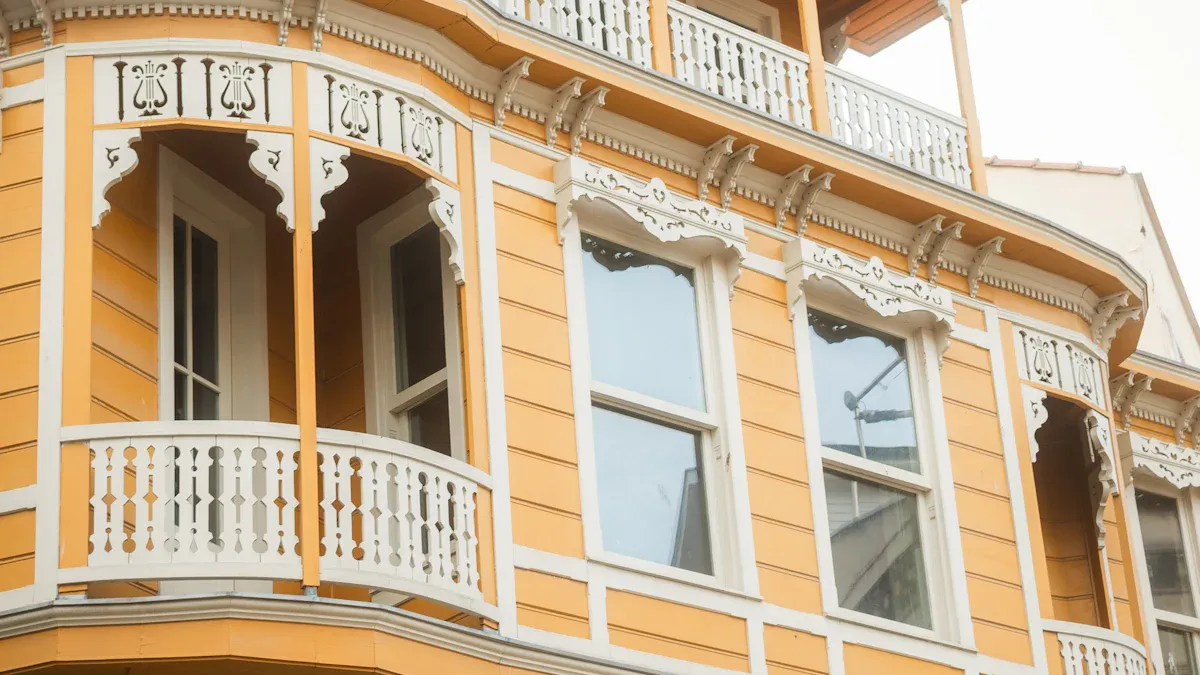
Traditional homes tell a story of history, craftsmanship, and timeless design. You can identify them by their familiar shapes and detailed features. These elements work together to create a sense of warmth and permanence. Let's explore the key components that define a traditional elevation.
Symmetrical and Balanced Forms
You will notice that balance is the guiding principle of most traditional home designs. These homes often feature perfect symmetry. Imagine drawing a line down the middle of the front facade. The left side will be a mirror image of the right side. This creates a powerful sense of order and stability.
This design philosophy is central to styles like Georgian and Colonial architecture. Architects in these periods drew inspiration from the classical orders of ancient Greece and Rome. They focused on creating harmony through mathematical proportion.
- Central Axis: The front door usually sits at the center, acting as the anchor for the entire design.
- Window Placement: Windows are spaced evenly on both sides of the door. The windows on the second floor often align perfectly with the ones below them.
- Formal Appearance: This balanced layout gives the home a formal and stately appearance. Studies show that symmetrical facades draw more visual attention and create a feeling of calm.
🏛️ Did You Know? The symmetrical design of a traditional home often extends to the interior. You might find rooms arranged symmetrically around a central hallway, mirroring the balance of the exterior.
Pitched Roofs and Gables
A steeply pitched roof is one of the most recognizable features of a traditional home. These roofs are not just for looks. Their primary function is to efficiently shed rain and snow, protecting the structure below. The triangular wall section underneath the roof's peak is called a gable, and it is a defining characteristic of many traditional styles.
Different styles feature different roof pitches. Steeper roofs are common on homes designed for colder, snowier climates.
| Pitch Range | Category | Common Traditional Styles |
|---|---|---|
| 7/12 – 9/12 | Steep | Tudor, Cape Cod, Gothic |
You will also frequently see dormers on traditional roofs. These are windows that project vertically from the roof plane. Historically, builders used dormers to add light and ventilation to attics. This clever feature transformed dark, unused attics into comfortable, habitable living spaces.
Ornate Details and Textures
Traditional elevations celebrate rich detail and texture. Unlike the minimalist look of modern homes, these designs embrace ornamentation. You can see the craftsmanship in the small details that give the home its unique character. Victorian homes, for example, are famous for their elaborate "gingerbread" trim.
These decorative elements are not just random additions. They are carefully chosen to add depth, shadow, and visual interest to the facade. Common examples include:
- Cornices: Decorative moldings that crown the top of the building, just below the roofline.
- Brackets: Sculpted supports placed under the eaves, often featuring intricate scrollwork.
- Friezes: A wide, decorative band of sculpting or painting just below the cornice.
- Gable Decorations: Ornamental pieces like finials (spires) or drops that adorn the peak of a gable.
- Window & Door Trim: Wide, decorative casings that frame windows and doors, making them stand out.
These details work together to break up flat surfaces and create a layered, textured appearance that is a hallmark of traditional design.
Classic Window and Door Styles
The windows and doors on a traditional home are much more than simple openings. You can think of them as the "eyes" and the "smile" of the facade. They play a crucial role in defining the home's character, style, and historical period.
Windows in traditional architecture are famous for their divided panes, known as lites. These small squares or rectangles of glass are held in place by wooden dividers called muntins. Originally, this was a practical necessity because glassmakers could only produce small panes. Today, you see these multi-pane windows as a key decorative feature.
The double-hung sash window is the most common style you will find. This design features two separate sashes that slide vertically. The double-hung sash window was introduced around the turn of the 18th century and quickly became popular. Its design adapted to many different architectural styles over time.
Window styles often tell you the specific era of the home:
- Colonial (1600s-Present): You will notice strict symmetry in Colonial homes. Windows are the same size and spaced evenly. They often feature 6-over-6 or 9-over-9 pane configurations. Decorative shutters, sized to actually cover the window, are also a common feature.
- Victorian (1830s-1900s): Technology allowed for larger glass panes during this era. You will see tall, vertical windows, often with a 2-over-2 pane layout. Victorians loved ornamentation, so you might find elaborate trim or even stained-glass accent windows, especially near stairways.
- Craftsman (1900s-1940s): This style emphasizes horizontal lines. A popular window configuration was 4-over-1 or 6-over-1. This design keeps the classic multi-pane look in the upper sash while giving you an unobstructed view through the single pane below.
| Style | Key Window Feature | Common Pane Pattern |
|---|---|---|
| Colonial | Symmetrical, small panes | 6-over-6, 9-over-9 |
| Victorian | Tall, vertical proportions | 2-over-2, decorative glass |
| Craftsman | Horizontal emphasis | 4-over-1, 6-over-1 |
The front door is the centerpiece of a traditional elevation. It is designed to be a welcoming focal point. These doors are typically made of solid wood and feature raised or recessed panels that add depth and shadow.
🚪 A Welcoming Entry: The front door on a traditional home is an invitation. Its solid construction and detailed paneling create a sense of security and permanence, welcoming you and your guests inside.
To make the entrance feel even grander, you will often find other elements surrounding the door. Sidelights, which are narrow windows flanking the door, and transoms, a window set above the door, allow more light into the entryway. These features work together with the paneled door to create a formal, classic, and inviting entrance.
The Anatomy of a Modern Elevation
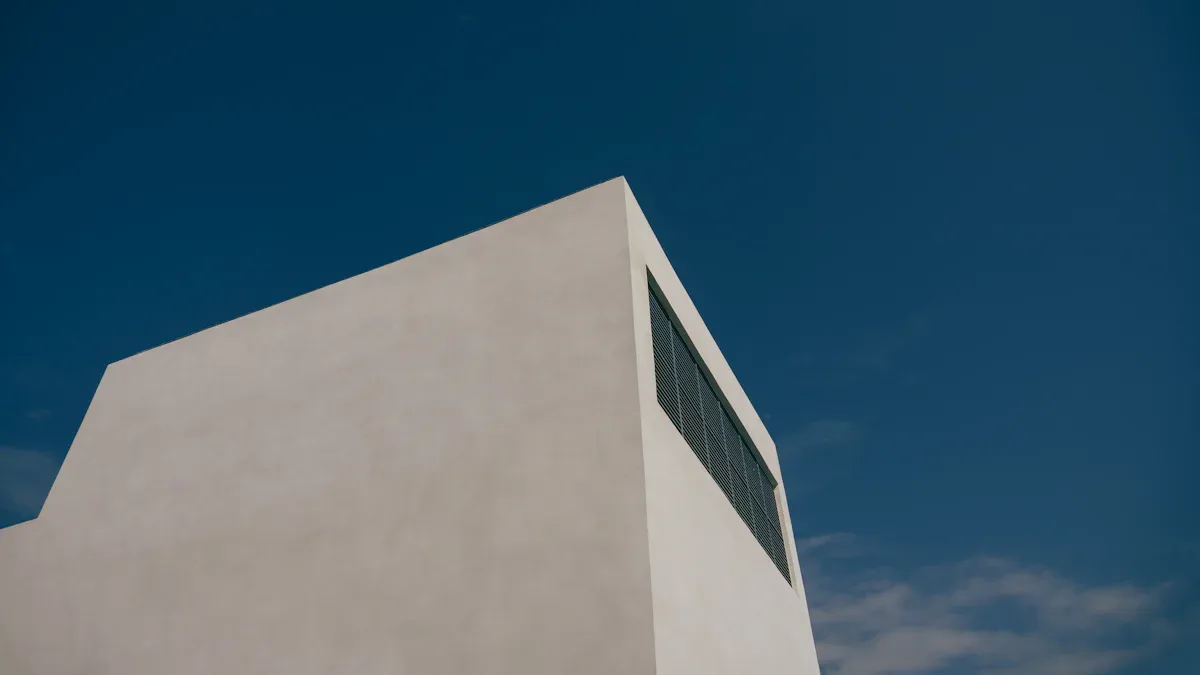
Modern homes move away from historical ornamentation. They embrace a "less is more" philosophy. You will find that these designs focus on strong geometric forms, simple materials, and a deep connection between the inside and outside. Let's break down the elements that give a modern elevation its distinct, forward-thinking character.
Asymmetrical and Geometric Shapes
When you look at a modern home, you will not find the mirror-image balance of a traditional facade. Instead, modern design uses asymmetry to create visual interest and dynamic energy. Architects achieve balance not through symmetry, but through a careful arrangement of forms, voids, and materials. This approach creates a more nuanced and abstract sense of equilibrium.
This style was pioneered by visionary architects who wanted to break from the past. Their work emphasized clean lines and powerful geometric shapes.
- Frank Lloyd Wright
- Walter Gropius
- Ludwig Mies van der Rohe
- Le Corbusier
These designers understood that a building's function should shape its form. An asymmetrical layout gives you more flexibility for open-plan interiors and multi-use spaces. To achieve balance, architects use visual weight. A large block of windows on one side might be counterbalanced by a heavy concrete wall or a dark-colored volume on the other. Textures, lighting, and materials all play a crucial role in creating a composition that feels complete and intentional.
Flat or Low-Sloped Rooflines
One of the most striking features of a modern home is its roof. You will typically see flat or low-sloped rooflines that emphasize strong, horizontal planes. This clean profile contributes significantly to the home's minimalist look. While visually simple, these roofs present unique engineering challenges depending on the climate.
💧 Heads Up! Flat roofs require specialized drainage systems to prevent water from pooling. Without proper design, you risk leaks and structural damage.
Builders must carefully select materials and address potential issues to ensure a flat roof is durable and weatherproof.
| Climate Challenge | Key Issue | Solution |
|---|---|---|
| Rainy Climates | Water Pooling & Leaks | Internal drains, scuppers, and seamless waterproof membranes. |
| Snowy Climates | Heavy Snow Loads | Reinforced structural support to prevent collapse. |
| Hot Climates | UV Ray Damage | Reflective "cool roof" materials; risk of "alligatoring" (cracking). |
Despite these challenges, the flat roof offers incredible functional advantages. It transforms the top of your home into usable space. Modern designs leverage this "fifth facade" for sustainable and lifestyle-enhancing features. Flat roofs are ideal for installing solar panels, as you can angle them perfectly toward the sun. They also provide the perfect platform for a green roof or a rooftop terrace, turning an often-forgotten surface into a vibrant part of your home.
Minimalist Aesthetics and Clean Lines
Minimalism is the guiding principle of modern elevations. This philosophy involves stripping away all non-essential elements. You are left with a design that celebrates pure form, light, and material. Every line and every surface has a purpose. This approach creates spaces that feel open, calm, and uncluttered.
Minimalism draws inspiration from the simplicity of Japanese and Scandinavian design. It focuses on a few core ideas:
- Function First: Every design choice must serve a practical purpose. Decoration does not drive the design.
- Open Spaces: Walls are minimized to promote flow, flexibility, and an abundance of natural light.
- Honest Materials: Materials like concrete, steel, glass, and wood are often left exposed. Their natural texture and color become the ornamentation.
- Neutral Palette: You will see soft, earthy tones that create a calming atmosphere and allow the architectural forms to stand out.
✨ The Power of Simplicity: In a minimalist home, you will not find decorative trim or moldings. Instead, the beauty comes from the precise alignment of surfaces and the clean connections between different materials.
Architects use clean lines—straight edges and simple geometric shapes like squares and rectangles—to create a powerful sense of order. This commitment to clarity and simplicity results in a refined and harmonious home that feels both modern and timeless.
Expansive Glass and Picture Windows
Modern architecture treats windows very differently than traditional design. You will not find small, divided panes. Instead, you will see vast stretches of glass, often called "window walls" or picture windows. These features are central to the modern aesthetic. They work to dissolve the barrier between your indoor living space and the world outside.
The main goal is to create a seamless connection with nature. Floor-to-ceiling windows flood your home with natural light. They provide wide, uninterrupted views of the surrounding landscape. This visual continuity makes rooms feel much larger and more open. Your home becomes an extension of the natural world, whether you overlook a forest, a lake, or a city skyline.
“The driving force for my clients is the connection to the outdoors, being able to expand living onto outdoor spaces,” says Rick McAlexander, primary designer for Associated Designs, Inc. ”I very much support the concept of connecting the indoor and outdoor living environment and feel that a window wall...is an excellent concept.”
You might wonder how such large windows can be energy-efficient. Modern glass is a high-tech product. Key advancements in glass technology make these expansive designs practical and sustainable.
- Enhanced Insulation: Double-glazed and triple-glazed units have gas-filled pockets between the panes. These layers dramatically reduce heat loss in the winter and heat gain in the summer, improving your home's comfort and lowering energy bills.
- Smart Glass Technology: You can now get electrochromic glass that tints on command. This technology gives you control over glare and privacy. It also adapts to environmental changes in real-time to boost energy efficiency.
- Advanced Materials and Safety: Modern window frames use materials like fiberglass that provide superior insulation and durability. The glass itself is often laminated or tempered for greater strength and safety, making large panes secure.
These innovations mean your expansive windows are more than just a pretty view. They are a high-performance part of your home's building envelope, combining minimalist beauty with impressive function.
Comparing Materials: Natural vs. Industrial
The materials you choose for your home's exterior define its character and long-term performance. Traditional homes lean on natural, time-tested materials, while modern homes embrace industrial, manufactured ones. Each palette offers a distinct look and comes with its own set of practical considerations.
Traditional Material Palette
Traditional homes get their warmth and texture from natural materials. You will see exteriors built with brick, stone, and wood. These materials connect the home to its environment and give it a sense of history and permanence. Wood siding, for instance, can last anywhere from 10 to 100 years depending on the type and how well you maintain it.
Durability and cost are key factors. While some traditional materials have a higher upfront cost, they often last for generations. Slate roofing is a perfect example. It is expensive initially but can last over 100 years.
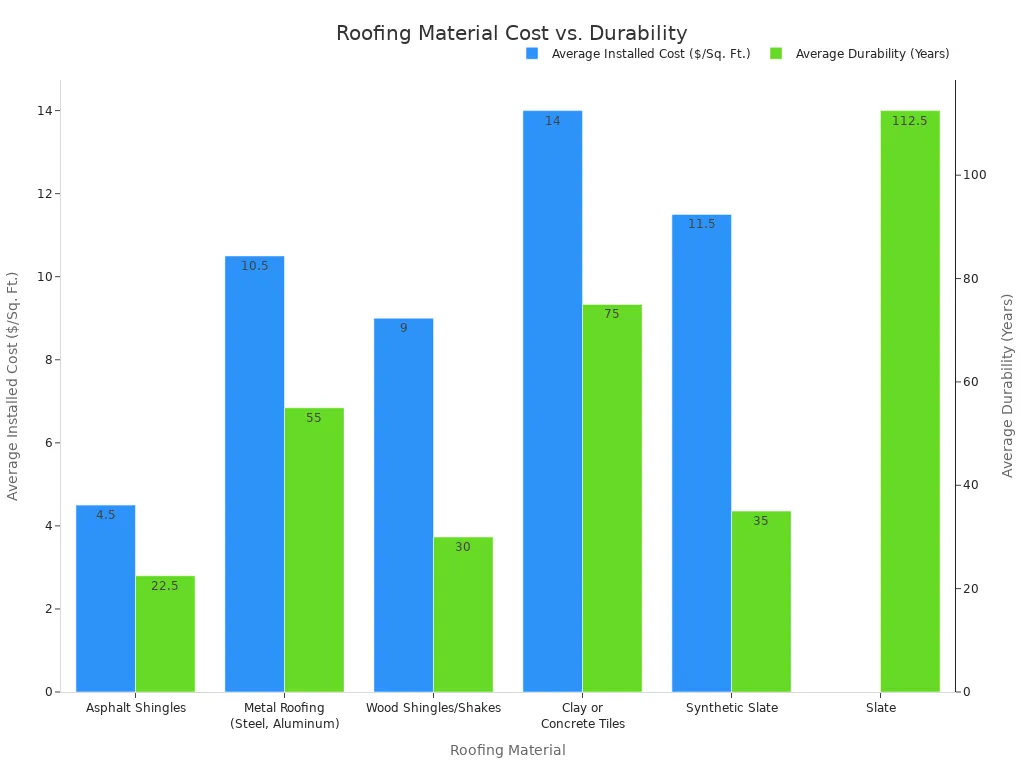
This table shows how different roofing options compare.
| Roofing Material | Average Installed Cost ($/ Sq. Ft.) | Durability (Years) |
|---|---|---|
| Asphalt Shingles | $3 – $6 | 15 – 30 Yrs |
| Wood Shingles/Shakes | $6 – $12 | 20 – 40 Yrs |
| Clay or Concrete Tiles | $10 – $18 | 50 – 100 Yrs |
| Slate | High upfront cost | 75 – 150 years |
Modern Material Palette
Modern elevations showcase industrial materials like concrete, steel, and large panes of glass. These materials are celebrated for their raw, honest appearance and structural strength. You will often find them left exposed, allowing their natural texture to become part of the design.
You might think these materials are bad for the environment, but the industry is changing. Many modern materials now have strong sustainability credentials.
♻️ Building Greener: The steel and concrete industries are adopting greener practices. They use recycled content and more efficient technology to lower their environmental impact.
For example, the steel reinforcing bars in concrete are made from nearly 100% recycled steel. Concrete producers also reduce waste by adding industrial by-products like fly ash to their mixes. This makes the concrete stronger and reduces the need for new materials. At the end of its life, reinforced concrete is a cradle-to-cradle material, as both the steel and concrete can be recycled.
How Style Influences Interior Living
A home's elevation style does more than shape its curb appeal. It deeply influences how you live inside. The exterior design often dictates the interior floor plan, creating either separate, formal rooms or wide-open, connected spaces.
Traditional Divided Layouts
Traditional homes typically feature a divided floor plan. The symmetrical exterior often leads to a layout with distinct, separate rooms. You will find formal living rooms, dining rooms, and kitchens, all separated by walls and doorways. This compartmentalized approach has clear benefits and drawbacks.
🏡 A Place for Everything: The walls in a traditional layout create privacy and help control noise, which is great when family members need their own space to work or relax.
This layout offers several advantages and some challenges:
- Clear Purpose: Each room has a specific function, giving you dedicated areas for dining, entertaining, or relaxing.
- More Privacy: Walls and doors allow family members to find quiet and solitude. This is helpful for working from home or for multi-generational families.
- Decorating Freedom: You can decorate each room with a unique style without worrying about clashing with adjacent spaces.
- Feeling Disconnected: The separation can sometimes make family members feel isolated. It can also make entertaining large groups feel disjointed.
- Less Natural Light: Interior rooms without windows can feel dark because walls block the flow of sunlight through the home.
Modern Open-Concept Spaces
Modern homes embrace open-concept living. The asymmetrical exterior design supports a flexible interior with fewer walls. You will see the kitchen, living room, and dining area flow into one large, cohesive space. This layout is designed to bring people together and connect the home with the outdoors.
The open plan makes your home feel larger and brighter. Natural light from expansive window walls can fill the entire living area. This design promotes social interaction, as family members can be in different "zones" while still feeling connected. It also creates excellent traffic flow, making it easy to host gatherings where guests can move around and mingle freely.
Practical Differences: Maintenance and Durability
Your home's elevation style directly affects the time and money you will spend on upkeep. The materials and complexity of each design determine its long-term maintenance needs.
Upkeep for Traditional Homes
Traditional homes require consistent care to preserve their classic beauty. The natural materials and ornate details are beautiful but need regular attention to prevent wear and tear. If your home has wood siding and trim, you will have a few key tasks.
- You must repaint and reseal the wood regularly to protect it from moisture.
- You should inspect the siding after storms to find and fix small issues.
- You need to perform annual cleanings to stop mold, mildew, and grime from building up.
🛠️ Budgeting for Upkeep: You can expect to budget for these tasks. For example, a bi-annual cleaning and maintenance schedule might cost you around $250.00 annually. This proactive care helps you avoid costly repairs from rot or water damage down the road.
Upkeep for Modern Homes
Modern homes often use industrial materials chosen for their durability and low maintenance. This means you will likely spend less time on upkeep. Materials like metal and fiber cement siding are built to last with minimal effort.
- Metal Siding: This material handles any weather condition well. It will not chip, crack, or peel. Its maintenance is simple and usually just requires occasional cleaning.
- Fiber Cement Siding: This option is very sturdy but can crack if impacted. You will need to paint it periodically to maintain its appearance and protect it from moisture.
This table shows how modern materials compare to traditional ones across several key features.
| Feature | Fiber Cement Siding | Steel Siding | Traditional Options (Wood) |
|---|---|---|---|
| Longevity | Longer life than traditional options | Outlasts fiber cement | Shorter lifespan |
| Maintenance | Requires periodic painting and sealing | Nearly maintenance-free | Higher maintenance (painting, repairs) |
| Weather Resistance | Good; susceptible to moisture if unsealed | Superior resistance to extreme weather | Vulnerable to warping and moisture |
| Pest Resistance | Resistant to insects and termites | Impervious to insects and termites | Susceptible to pests and rot |
Modern materials generally give you better protection against weather, pests, and moisture, which reduces your long-term workload.
Exploring Residential Building Elevation Models
Finding the right look for your home starts with inspiration. Whether you prefer a classic or contemporary style, countless resources can help you discover the perfect Residential Building Elevation Models. You just need to know where to look.
Finding Traditional Inspiration
You can find inspiration for traditional homes by exploring historical archives. These collections contain drawings and photos that show how classic designs were built. They offer a window into the past and provide authentic details for your project. Many of these resources are available online for you to browse.
🏛️ Step Back in Time: Digital archives let you explore thousands of historical structures from your own home, offering a wealth of design ideas.
Here are some excellent places to start your search:
- Library of Congress: This is a massive resource. You can search the Historic American Buildings Survey (HABS) for detailed drawings and photos of thousands of American structures.
- Carnegie Survey of the Architecture of the South: This collection gives you over 7,000 images of historic homes, churches, and other buildings in the Southern United States.
- Philadelphia Architects and Buildings: This database has information on over 35,000 structures, giving you a deep look into regional architectural history.
Sourcing Modern Designs
If you want a modern home, you can find ideas on websites that showcase contemporary architecture. These platforms feature projects from leading architects around the world. They are a great source for cutting-edge Residential Building Elevation Models. You can see how designers use materials, shapes, and light to create stunning homes.
Many websites offer plans you can purchase directly. Platforms like The House Designers and HouseGyan provide a wide selection of modern house plans and Residential Building Elevation Models. You can also find endless visual inspiration on curated sites.
- ArchDaily: This site features thousands of new architecture projects, including inspiring residential homes.
- Divisare: Here you will find a carefully selected collection of contemporary architecture.
- Archinform: This is a large database of international projects, focusing on 20th-century architecture.
These resources can help you define your vision and find the perfect Residential Building Elevation Models for your future home.
Energy Efficiency and Environmental Impact
Your home's elevation style affects more than just its look; it also plays a big role in its energy use and environmental footprint. The design choices and materials common to each style have different impacts on your utility bills and overall sustainability.
Traditional Home Efficiency
Traditional homes often face challenges with energy efficiency due to their age and construction. The small, single-pane windows common in older designs are a major source of heat loss. Modern windows offer significant improvements in insulation.
| Feature | Traditional Single-Pane | Modern Double-Pane | Modern Triple-Pane |
|---|---|---|---|
| Heat Loss Reduction | Baseline | Up to 50% vs. single-pane | 40% more than double-pane |
| Comfort | Drafts, uneven temps | Drafts vanish, even temps | Cozier, stable temperatures |
| Energy Savings | Baseline | 20-24% vs. single-pane | 40-50% in cold areas |
Upgrading a traditional home to modern standards can be difficult. You cannot use a "one-size-fits-all" approach because older materials need special care.
- Retrofitting requires a case-by-case plan to avoid issues like moisture buildup and mold.
- Many professionals lack awareness of the specific risks of retrofitting traditional buildings.
- Balancing modern efficiency with historical aesthetics requires careful, often costly, custom solutions.
Modern Design and Sustainability
Modern homes are often designed with energy efficiency as a core principle. Architects use smart strategies to reduce energy consumption from the very beginning. This approach is known as passive design.
💡 Passive Design: This is a way of designing a home that uses natural elements like sunlight and air flow to maintain a comfortable temperature, reducing the need for mechanical heating and cooling.
Common strategies you will find in modern sustainable homes include:
- Building Orientation: Placing the home and its windows to capture winter sun and block summer heat.
- Green Surfaces: Adding green roofs or walls for natural insulation and to manage stormwater.
- Cool Roofs: Using reflective materials that absorb less heat from the sun.
- Local Materials: Sourcing materials from nearby to reduce the carbon footprint from transportation.
Many modern homes also aim for certifications like LEED or Passive House. These programs provide a framework for creating highly efficient and environmentally friendly buildings. The Passive House standard is especially rigorous, helping you create a home that can reduce energy use by up to 90% compared to a standard home.
Traditional elevations offer you timeless charm and detailed craftsmanship. They create a warm, classic feel. Modern elevations provide minimalist simplicity and functional design. They emphasize open, light-filled spaces.
The best of these Residential Building Elevation Models depends on your personal taste, lifestyle priorities, and willingness to handle style-specific maintenance.
You must weigh the warmth of tradition against the clean functionality of modern design. This will help you find the right fit for your home.
FAQ
Can I mix modern and traditional styles?
Yes, you can. This popular approach is called "transitional" design. You can combine the clean lines of a modern home with the warmth of traditional materials. This creates a unique look that balances classic comfort with contemporary simplicity, giving you the best of both worlds.
Which style is more expensive to build?
Cost depends on your specific choices. Modern homes can be expensive due to large glass panels and custom engineering. However, the intricate details and high-end materials of a traditional home can also increase costs. Your budget is shaped more by materials and complexity than by style alone.
Does elevation style affect my home's resale value?
Both styles hold value well in different markets. Traditional homes have a timeless appeal that attracts many buyers. Modern homes are in high demand for their open layouts and energy efficiency. The best choice depends on your local real estate market and buyer preferences.
Which style is better for a small lot?
Modern designs often work very well on small lots. Their simple geometric shapes and flat rooflines can maximize interior space without feeling cluttered. The focus on verticality and large windows helps a smaller home feel open and spacious, making it a great option for urban areas.
See Also
Comparing Leading Hospital Bed Elevators: Safety and Performance Insights
Tee Hinges Versus Strap Hinges: Key Differences Explained for 2025
Hygienic Design: EHEDG Guidelines and 3A SSI Standards Comparison
Preventing Dumbwaiter Breakdowns: Simple Maintenance Habits for Longevity
Steel Versus Wood Support Columns: Advantages and Drawbacks Explored